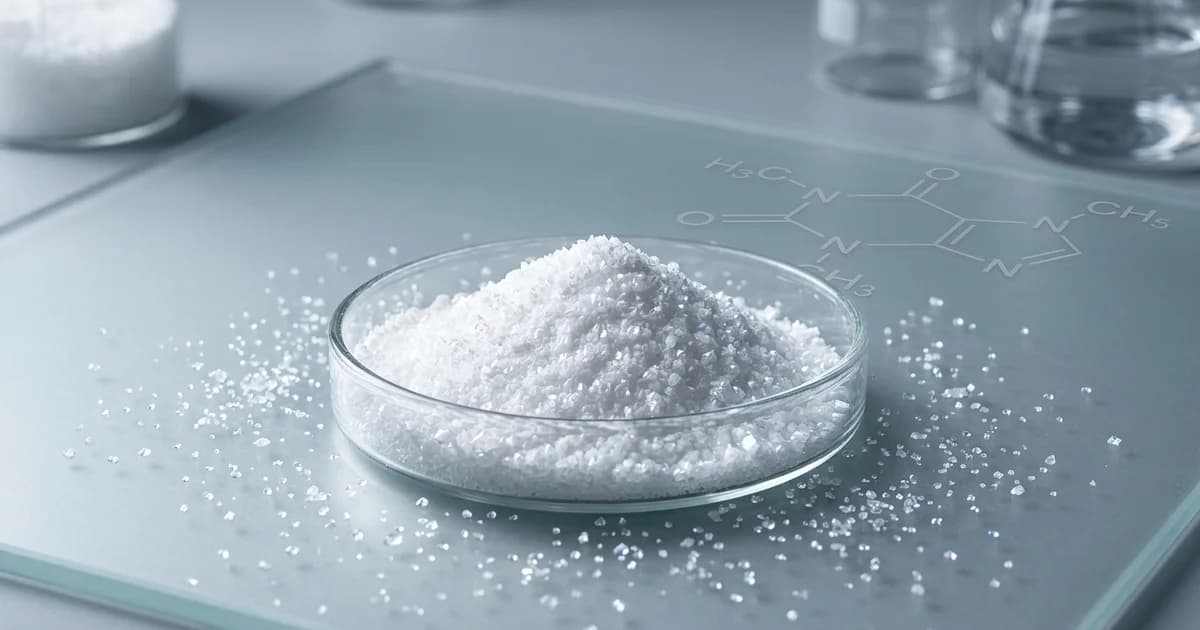
Theobromine: The Gentle, Slow Stimulant Hiding in Your Chocolate
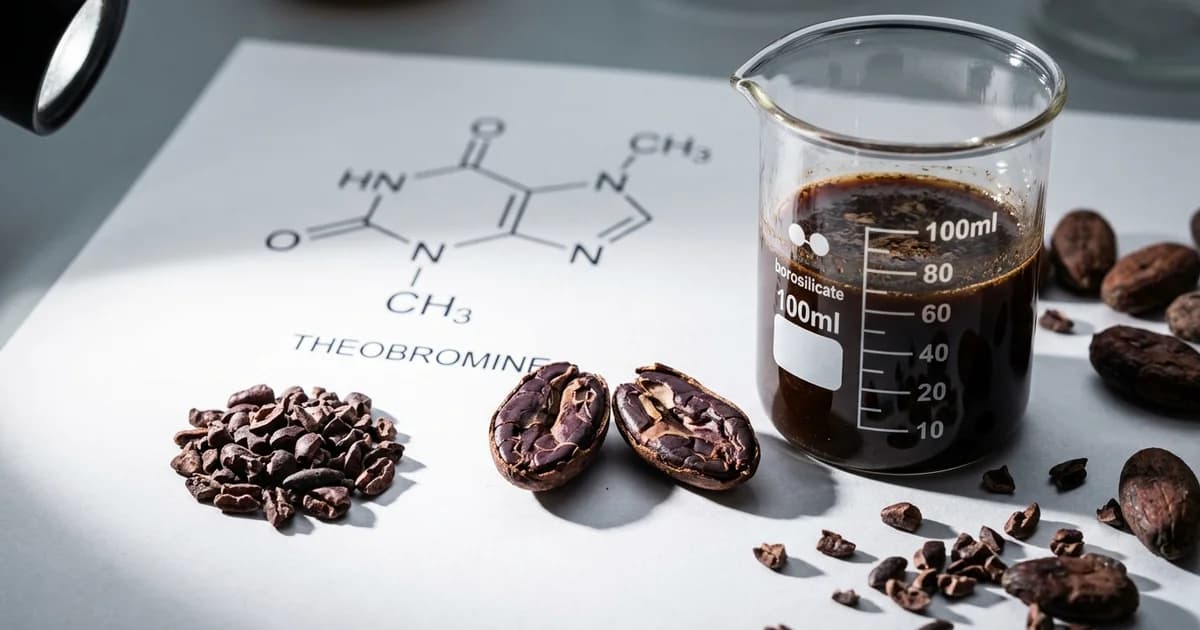
Theobromine is why dark chocolate feels calming yet alerting. Learn how this slow-acting stimulant compares to caffeine and what it actually does in your
Free U.S. shipping on orders $35+ · Subscribe & save
Science

Theobromine is why dark chocolate feels calming yet alerting. Learn how this slow-acting stimulant compares to caffeine and what it actually does in your

Caffeine anhydrous is just dehydrated caffeine—same molecule, higher purity. Learn what it is, how it's dosed, and why it's the default in supplements.

Learn how modafinil works in the brain, why it's a Schedule IV controlled substance, and what science says about its effects in healthy adults.

Phenibut promises calm focus, but carries serious risks—fast tolerance, dependence, and withdrawal. Learn what it does and safer alternatives that work.

The '1,000x stronger' claim sounds impressive, but what does noopept research really show? We break down the evidence, dosing, and legal status.

Phenylpiracetam was built for Soviet cosmonauts and later banned by WADA. Learn what it does, why athletes fail drug tests for it, and its real risks.

Piracetam invented the word 'nootropic'—but does the science hold up? We break down the real evidence, dosing, side effects, and whether it's worth it in

Discover how reishi benefits your stress response, sleep, and focus. A deep dive into the science behind this adaptogenic mushroom and how it actually

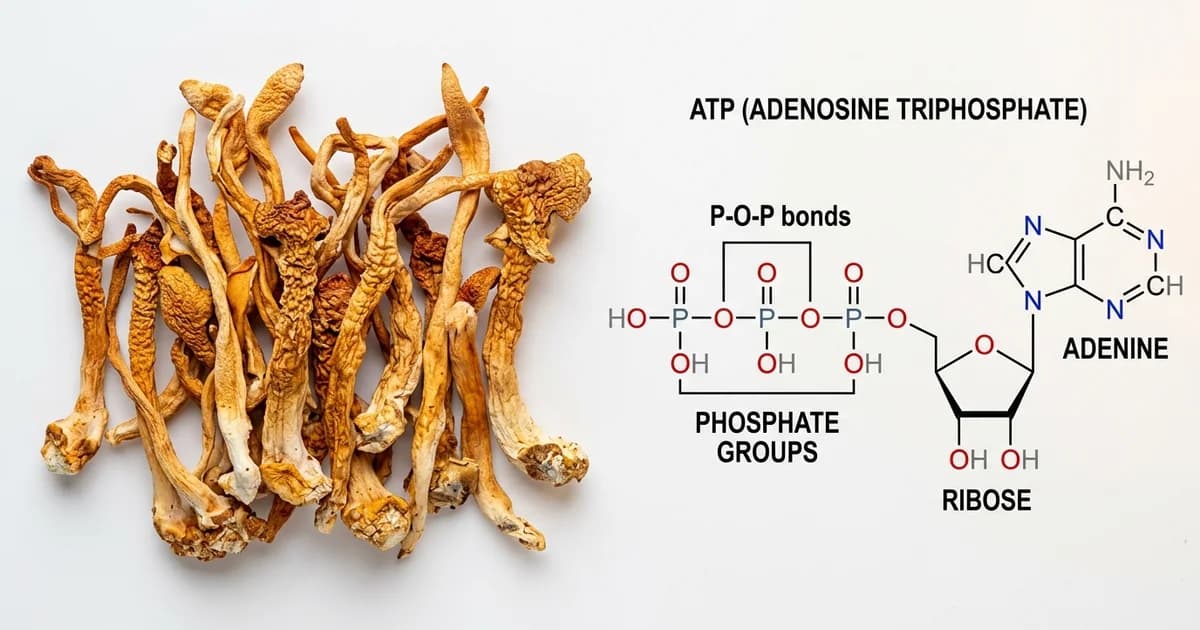
Does cordyceps actually boost energy? Explore the real science behind ATP production, VO2 max gains, and why this fungus is more than mushroom marketing.

Learn the exact lion's mane dosage used in human trials, how to read extract labels, and why fruiting body beats mycelium for real cognitive benefits.

Discover how kanna sceletium tortuosum works as a dual SERT and PDE4 inhibitor for mood and cognition. What human trials really show.

Saffron for mood has matched SSRIs in clinical trials. Explore the evidence, active compounds, dosing, and what saffron can't do for depression.

Discover what the evidence really says about l-tryptophan benefits for sleep, mood, and serotonin—beyond the marketing hype. A clear look at human trial

Discover how blueberries boost brain health through anthocyanins. See what controlled trials reveal about memory, dementia risk, and how much to eat.

Does CoQ10 actually reach the brain? Explore the mitochondria-cognition evidence, absorption limits, and what it means for cognitive support.

Discover what human trials really show about resveratrol brain benefits—cerebral blood flow, cognition, and why postmenopausal women see the strongest

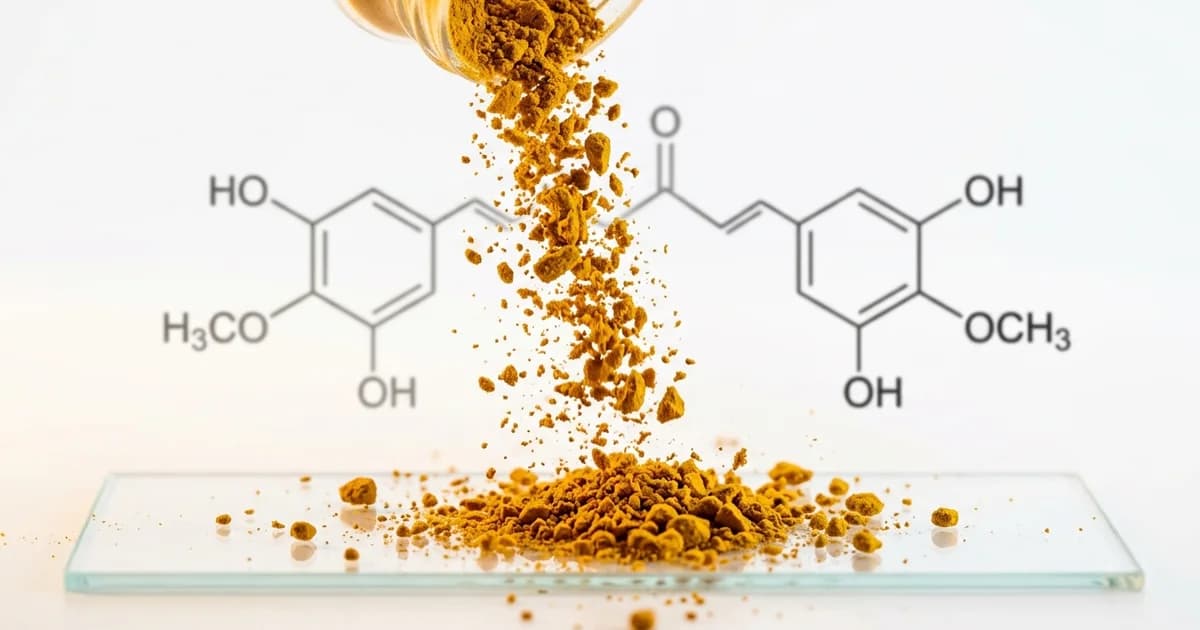
Does curcumin actually boost cognition? Explore the BDNF research, working memory trials, and why bioavailability determines whether it works at all.

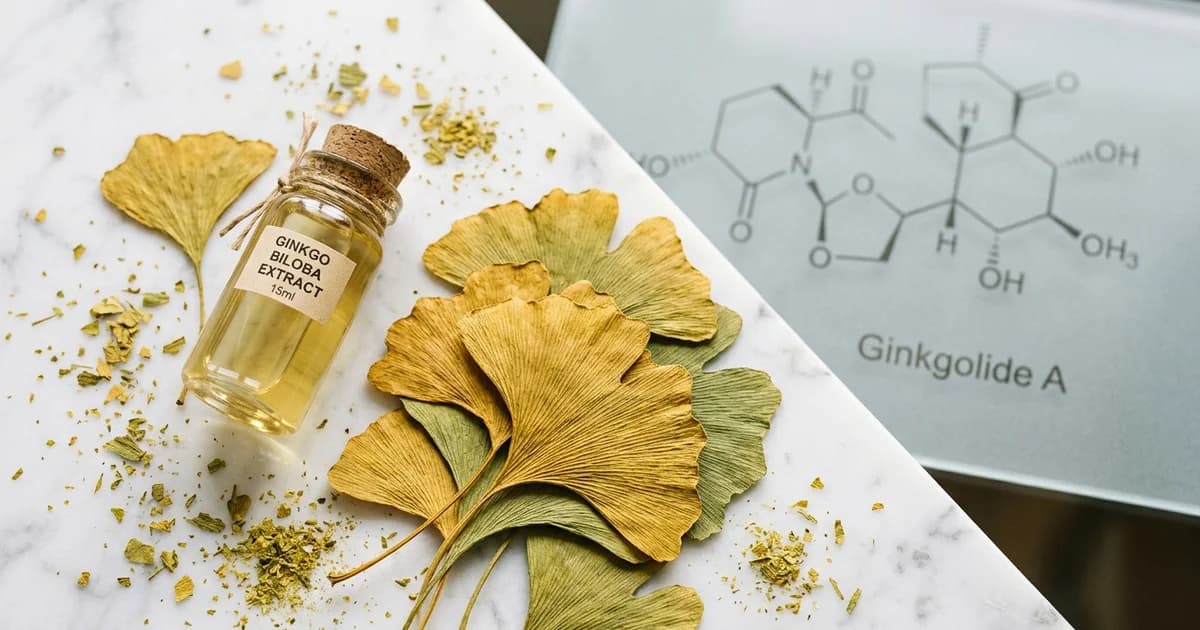
Does ginkgo biloba actually work? Learn who benefits, the clinically tested dose, and what the research really shows before you buy.

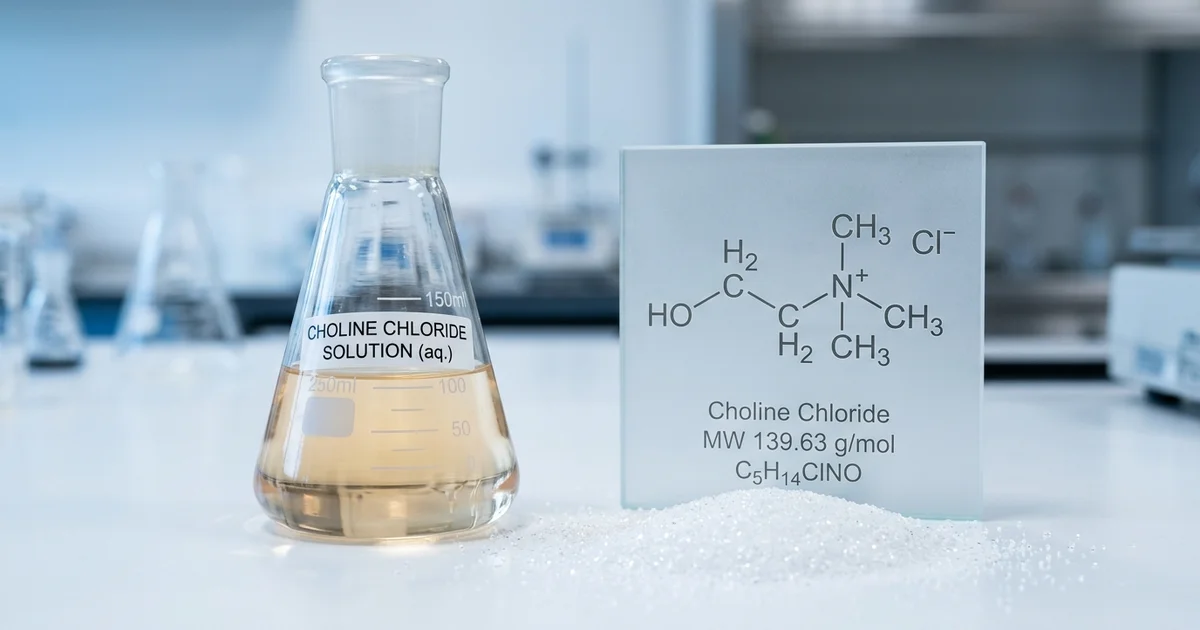
Most people underconsume choline, a nutrient vital for memory, brain function, and cell health. Learn how much you need and the best food sources.

Discover huperzine A benefits for memory and focus, how it works, the right dosage, and what the science actually says about this potent nootropic.

Discover the proven acetyl-l-carnitine benefits for brain energy and memory, backed by decades of human trials. Learn the right dosage and how ALCAR

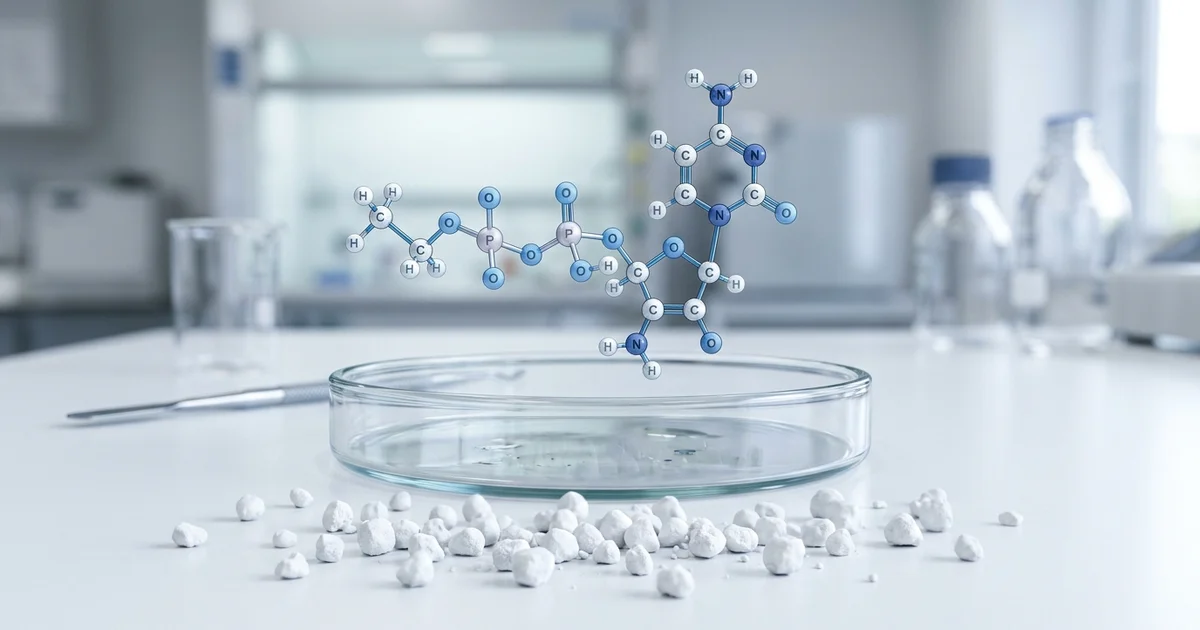
Discover proven citicoline benefits for memory and attention, backed by human trials. Learn effective dosages, how CDP-choline works, and how it compares

Creatine isn't just for muscles. Discover how creatine for brain function boosts memory, focus, and mental stamina—especially under stress or sleep loss.

Does l-tyrosine work? Research says yes—but only under stress, sleep loss, or heavy cognitive load. Learn exactly when it helps and when it's a waste.