Alpha Brain Waves: The Calm-Focus Brain State
Roon Team
Alpha Brain Waves: The Calm-Focus Brain State (and How L-Theanine Triggers It)
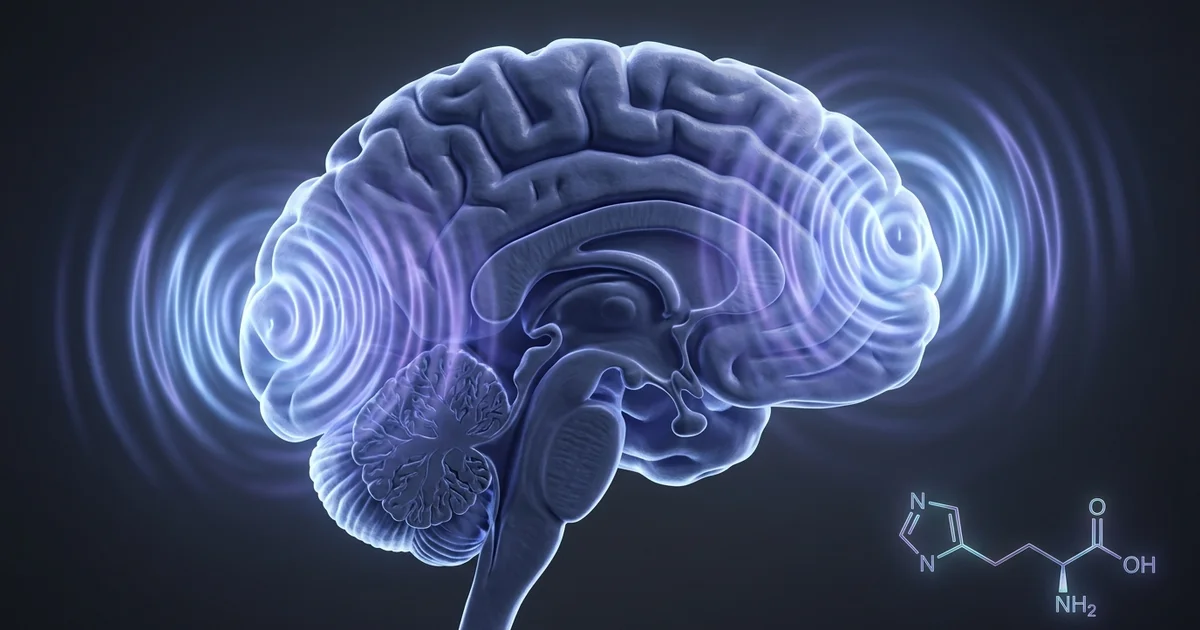
Your brain runs on electricity, and that electricity has a rhythm. Hook a few electrodes to your scalp, watch the readout, and you can see your mental state oscillate in real time. One of those rhythms, the alpha brain waves band, shows up whenever you feel calm but switched on. Relaxed shoulders, quiet mind, sharp attention.
That last state has a name in performance circles: flow. And alpha activity is its electrical signature.
This is also where one compound, L-theanine, earns its reputation. It is one of the few molecules with human EEG data showing it can raise alpha power on demand, without sedating you. Here is how that works.
Key Takeaways
- Alpha brain waves oscillate between roughly 8 and 12 Hz and dominate when you are calm, alert, and not under stress.
- They sit between the slow waves of drowsiness and the fast waves of anxious, scattered thinking.
- L-theanine, an amino acid in green tea, raises alpha activity in human EEG studies within about 30 to 45 minutes.
- Pairing L-theanine with caffeine produces alert-but-calm focus that neither delivers alone.
What Are Alpha Brain Waves?
Alpha brain waves are electrical oscillations in your brain that cycle between about 8 and 12 times per second (8 to 12 Hz), and they peak when you are relaxed yet mentally alert. They were the first human brain rhythm ever recorded, captured by Hans Berger in the 1920s.
Your brain produces several wave bands at once, and each one maps to a different mental gear. According to NeuroHealth Associates, these bands range from slow delta waves during deep sleep up to fast gamma waves during peak concentration, with alpha sitting in the relaxed-but-aware middle.
The classic way to trigger alpha is simple. Close your eyes while staying awake, and alpha power climbs almost immediately. Open them, engage with a hard task, and it drops. That on-off behavior is why researchers treat alpha as a window into attention.
Here is the quick map of the major bands:
| Brain Wave | Frequency | Mental State |
|---|---|---|
| Delta | 0.5 to 4 Hz | Deep, dreamless sleep |
| Theta | 4 to 8 Hz | Drowsiness, deep meditation, daydreaming |
| Alpha | 8 to 12 Hz | Calm focus, relaxed alertness, flow |
| Beta | 12 to 30 Hz | Active thinking, problem solving, stress |
| Gamma | 30+ Hz | Peak concentration, high-level processing |
Notice where alpha falls. It is the buffer zone between the foggy slowness of theta and the wired, sometimes anxious churn of high beta. That position is the whole point.
Why Alpha Waves Matter for Focus
Alpha waves act as your brain's volume knob for attention, turning down the irrelevant so you can lock onto what matters. For years scientists assumed alpha simply meant "idling." The newer view is sharper.
Research on EEG alpha activity and attention shows the rhythm helps you suppress distractions. When you ignore a part of your visual field on purpose, alpha power rises over the brain regions handling that ignored area. The ScienceDirect overview of alpha waves describes alpha as a marker of relaxed wakefulness that also tracks how attention gets allocated.
So alpha is not the absence of focus. It is a specific kind of focus. The calm kind, where you are absorbed rather than frantic.
That distinction matters for anyone chasing alpha waves and focus through their morning routine. Coffee alone tends to push you toward high beta: alert, yes, but often jittery and easy to rattle. The goal of calm focus is alpha-flavored attention, where you stay sharp without the edge. If you want the broader picture, our guide on how to enter a flow state connects this directly to deep work.
L-Theanine and Alpha Waves: The Direct Link
L-theanine is one of the only nutritional compounds with human EEG evidence that it raises alpha brain wave activity, and it does so without making you sleepy. This is the heart of why green tea feels calming and coffee does not.
L-theanine is an amino acid found almost exclusively in tea leaves. It crosses the blood-brain barrier and influences neurotransmitters tied to relaxation. The Alzheimer's Drug Discovery Foundation's research summary notes its effects on brain chemistry linked to a calm, attentive state.
The clearest evidence comes from EEG work. A study published in Brain Topography examined L-theanine's effect on alpha-band oscillatory activity during a visuo-spatial attention task. The researchers found theanine changed alpha activity in a pattern tied to better attention, not just generic relaxation.
That is the key nuance. Plenty of things relax you by dulling you. L-theanine appears to raise alpha while keeping the lights on.
Alpha Brain Wave Relaxation Without the Crash
Most relaxation aids work by sedating you. Alcohol, antihistamines, and many sleep supplements slow your brain toward theta and delta. You get calm, but you also get foggy.
L-theanine takes a different route. It nudges you into alpha brain wave relaxation, the calm-but-clear zone, rather than pushing you down into drowsiness. That is why people use it to take the edge off stress while still working, studying, or competing.
Onset is reasonably quick. Alpha increases have shown up in EEG readings within roughly 30 to 45 minutes of taking L-theanine, depending on dose and delivery.
The L-Theanine and Caffeine Pairing
L-theanine and caffeine together produce alert, focused calm that neither one delivers on its own, and the combination shows up in both behavior and brain waves. This is the most studied stack in the nootropic world for a reason.
Caffeine raises alertness by blocking adenosine, the molecule that makes you feel tired. The trade-off is well known: more alertness, but also more jitter, faster heart rate, and a tendency toward anxious overdrive in sensitive people.
L-theanine smooths that out. A study in The Journal of Nutrition looked at L-theanine and caffeine in combination and measured both attention task performance and oscillatory alpha-band activity. The pairing affected cognition in ways visible at the level of brain rhythms, not just self-reported mood.
Think of it as a two-part system. Caffeine supplies the drive. L-theanine supplies the composure. Together they aim at that alpha-state sweet spot: awake, focused, and steady.
What Ratio Should You Use?
A roughly 1:1 to 2:1 ratio of L-theanine to caffeine is the range most people land on. The exact balance depends on how sensitive you are to caffeine and how much edge you want removed.
| Approach | Caffeine | L-Theanine | Typical Result |
|---|---|---|---|
| Coffee alone | 80 to 120 mg | 0 mg | Alert, prone to jitters and a later dip |
| Green tea | 25 to 50 mg | 5 to 25 mg | Gentle, calm, sometimes too mild for deep work |
| Theanine-forward stack | 80 mg | 60 to 100 mg | Alert-but-calm, alpha-leaning focus |
| Roon sublingual pouch | 80 mg | 60 mg | Fast onset, sustained focus, no crash |
Roon sits in that theanine-forward zone on purpose, which we will come back to below.
How to Get Into an Alpha State Naturally
You do not need a supplement to produce alpha. Several free habits raise it reliably:
- Close your eyes and breathe slowly. The fastest, most studied alpha trigger there is.
- Meditate. Regular practice is associated with stronger alpha and theta activity over time.
- Get outside. Calm, low-stimulation environments pull you out of high beta.
- Cut the doomscroll. Rapid, fragmented input keeps you in reactive beta, not alpha.
Supplements like L-theanine are a tool, not a replacement for any of this. The most reliable calm focus comes from stacking good habits with the right inputs.
Conclusion
Alpha brain waves are the EEG fingerprint of calm focus, the 8 to 12 Hz rhythm that shows up when you are relaxed and locked in at the same time. They sit between drowsy slowness and anxious speed, and they track how your brain manages attention rather than how little it is doing.
L-theanine stands out because human EEG research links it directly to higher alpha activity without sedation. Paired with caffeine, it points your brain toward that alert-but-calm state instead of the wired, crash-prone one coffee tends to deliver alone.
You can raise alpha for free with breathwork, meditation, and less screen chaos. The science simply explains why one amino acid from tea, and its pairing with caffeine, has become the go-to input for people who want focus without the friction.
Frequently Asked Questions
What are alpha brain waves in simple terms?
Alpha brain waves are electrical rhythms in your brain that cycle 8 to 12 times per second. They dominate when you are awake but relaxed, like the moment right after you close your eyes or settle into focused, absorbed work. They sit between the slow waves of sleep and the fast waves of active, stressed thinking, which is why people link them to a calm, flow-like mental state.
How does L-theanine affect alpha waves?
L-theanine raises alpha activity in the brain, and this has been measured directly with EEG. A study in Brain Topography found it altered alpha-band oscillations during an attention task. Unlike sedatives, it appears to increase alpha while keeping you alert, which is why it produces calm focus rather than drowsiness. Effects typically appear within about 30 to 45 minutes.
Are alpha waves good or bad for focus?
Alpha waves support a specific kind of focus: the calm, absorbed kind. Research on EEG alpha activity and attention suggests the rhythm helps your brain suppress distractions and direct attention efficiently. It is not the wired, racing focus of high beta. If your goal is deep, sustained work without anxiety, alpha is the state you want.
Does caffeine increase or decrease alpha waves?
Caffeine on its own tends to push your brain toward faster beta activity, raising alertness but sometimes adding jitter. It does not reliably produce the calm alpha state. That is why caffeine is often paired with L-theanine, which raises alpha and smooths out the edge, giving you alertness and composure together.
How long does it take L-theanine to work?
L-theanine acts fairly quickly. EEG increases in alpha activity have been observed within roughly 30 to 45 minutes of taking it, depending on the dose and how it is delivered. Sublingual formats, which absorb under the tongue, can feel faster than capsules that have to pass through digestion.
What is the best L-theanine to caffeine ratio?
Most people use a ratio between 1:1 and 2:1 of L-theanine to caffeine. A common, well-tolerated combination is around 80 mg of caffeine with 60 to 100 mg of L-theanine. The right balance depends on your caffeine sensitivity and how much of the jittery edge you want removed.
Can I increase alpha waves without supplements?
Yes. The most reliable triggers are free: close your eyes and breathe slowly, meditate regularly, spend time in calm environments, and cut back on rapid, fragmented screen input. Supplements like L-theanine add to these habits rather than replacing them.
The Calm Half of Calm Focus, in a Pouch
If alpha is the brain state you are after, the practical question is how to get there on a busy weekday. Breathwork and meditation work, and they cost nothing. But when you also need caffeine to function, the trick is adding the calm without losing the alertness.
That is the exact pairing Roon is built around. Each sublingual pouch delivers 80 mg of caffeine with 60 mg of L-theanine, the same alpha-leaning combination the EEG research keeps pointing to, plus 25 mg of methylliberine (Dynamine) and 5 mg of theacrine (TeaCrine) for clean, sustained drive. Because it absorbs under your tongue, onset lands in about 5 to 10 minutes, with a 6 to 8 hour window of focus and no jitters or crash.
Roon is not a substitute for sleep, real breaks, or the habits that build calm focus over time. Think of it as the input that handles the caffeine-plus-theanine math for you, so you can aim for the alpha state instead of fighting the jitters. Try Roon when you want alert and calm in the same sitting.
Written by Roon Team