Coffee Before Running: Timing, Dose, and the Bathroom Problem
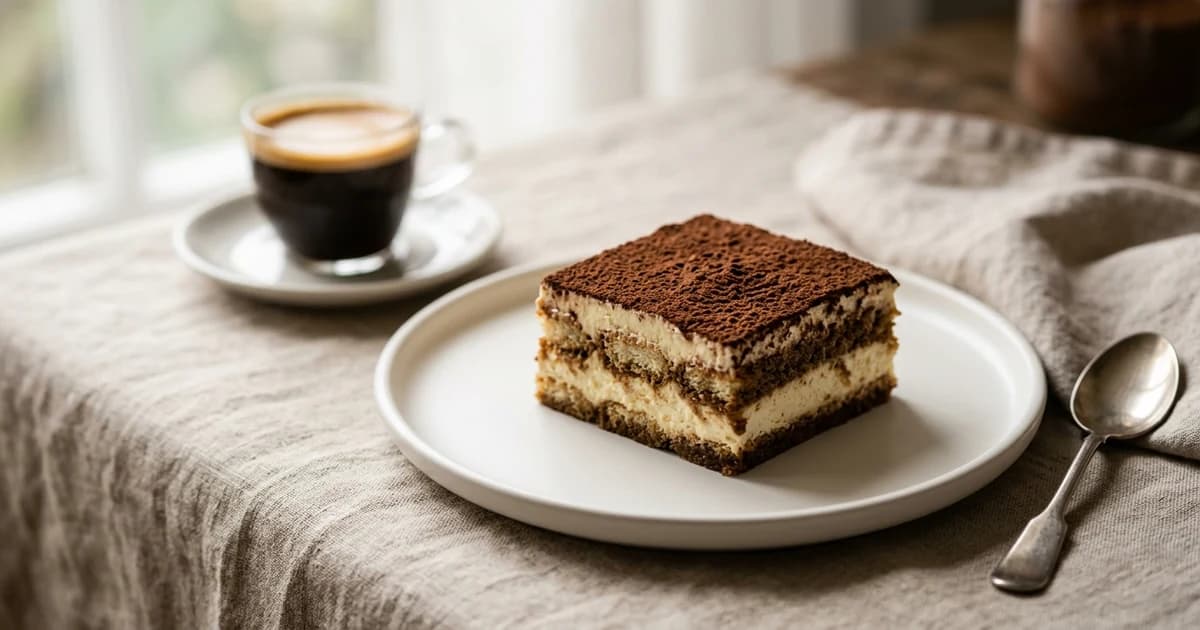
Coffee before running works, but 95 mg is below studied performance doses. Timing, the right amount, and how to avoid the mile-two bathroom problem.
Free U.S. shipping on orders $45+ · Subscribe & save
Energy
Caffeine, matcha, alternatives, and what really gives you sustained energy without the crash.

Coffee before running works, but 95 mg is below studied performance doses. Timing, the right amount, and how to avoid the mile-two bathroom problem.

Brewed chai has about 47 mg of caffeine per cup from its black tea base. Full table for chai lattes, dirty chai, and the caffeine-free rooibos version.

Caffeine dose control, additives, the crash, and cost per serving compared, plus the study that separates caffeine from what else is in the can.

The pre-workout itch is called paresthesia, caused by beta-alanine activating skin nerve fibers. It's harmless and usually fades within an hour.

Most kombucha has 5 to 15 mg of caffeine per bottle, about the same as decaf coffee. Brand table for GT's and Health-Ade, plus the alcohol question.

150 mg green tea caffeine, 75 mg L-theanine, fully disclosed doses, and stevia: an honest review of what's actually in a can of Gorgie.

Alani Nu Energy has 200 mg of caffeine per can. Full table for the Mini and Energy Sticks, plus how it compares now that Celsius owns the brand.

About half of pre-workout users report a side effect like jitters, tingling, or a racing heart. Here is which ingredient causes each one.

Celsius Original has 200 mg of caffeine, Essentials has 270 mg, and Hydration has 0 mg. Full line-by-line table plus how many cans a day is safe.

An ingredient-by-ingredient review of Bloom Sparkling Energy: the 180 mg caffeine dose, the undisclosed doses, sucralose, and who should skip it.

Most root beer is caffeine free, but Barq's regular has 22 mg per 12 oz. Full brand table for Barq's, A&W, Mug, and what McDonald's actually serves.

Pre-workout has no hard expiration date. It carries a brand-set best-by date, usually 12-24 months, after which potency fades before it gets unsafe.

Dehydration, sugar crash, adenosine rebound, and the ADHD stimulant paradox: the four real reasons an energy drink can backfire into tiredness.

Decaf coffee has about 2 to 15 mg of caffeine per 8 oz cup, not zero. Lab numbers by brew method, plus how many decafs equal one regular cup.

Most pre-workouts pack 150-300 mg of caffeine. These verified picks stay under 100 mg per serving for energy without the jitters or crash.

A ranked table of 15+ energy drinks by total caffeine and by mg per ounce, plus what actually happens at 1,000 mg and when to call poison control.
No: Sprite has 0 mg of caffeine, confirmed by Coca-Cola. Full table for Sprite Zero, Starry, and 7UP, plus a complete list of caffeine-free sodas.

GamerSupps GG has 100 mg of caffeine per scoop, about one cup of coffee. Full table by serving and tub size, plus the caffeine-free version.

Pre-workout blends a stimulant with pump and endurance ingredients, but only caffeine, beta-alanine, and creatine have strong evidence behind them.

Energy drinks ranked by added sugar, calories, dose transparency, and caffeine load against the FDA's 400 mg guideline, with a full comparison table.

Yes: matcha runs about 19 to 44 mg of caffeine per gram, roughly 20 to 90 mg per cup. Full table by serving size, grade, and Starbucks latte size.

Pre-workout kicks in within 15-45 minutes and feels strongest for 1-3 hours, but caffeine's 5-hour half-life means it lingers longer than you feel it.

Sugar crash, caffeine crash, or both: the real 3-hour timeline behind an energy drink crash, with brand numbers and what actually softens it.

A single shot of espresso has about 75 mg of caffeine, a double about 150 mg. Full table by chain and pull style, plus how it compares to coffee.