The Vitamins and Minerals That Actually Affect Focus
Roon Team
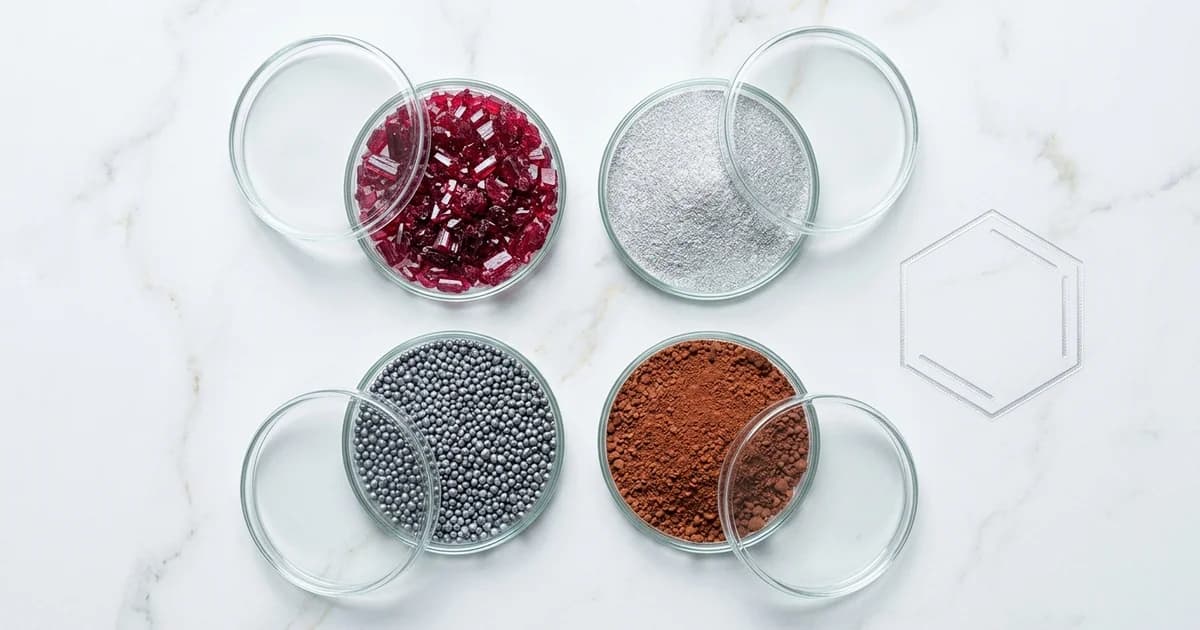
The Vitamins and Minerals That Actually Affect Focus
Most "brain support" labels are marketing. A handful of nutrients genuinely shape how well you concentrate, and the rest are filler riding their reputation. If you want vitamins for focus that hold up to scrutiny, the list is shorter and less glamorous than the supplement aisle suggests.
Here is the uncomfortable truth. Vitamins and minerals rarely make a well-nourished brain sharper. They matter because a deficiency quietly drags your attention down, and correcting that deficiency brings you back to baseline. That distinction changes how you should think about every pill in your cabinet.
This guide covers the micronutrients with real evidence behind them, what each one does, and where they stop working.
Key Takeaways
- Fixing a deficiency restores focus. Topping up an already-full tank usually does nothing. Most studies show benefit only in people who were low to begin with.
- The strongest cognitive evidence sits with iron, vitamin B12, vitamin D, magnesium, and omega-3 fatty acids.
- Minerals for focus work on the supply chain: oxygen, nerve insulation, and neurotransmitter signaling.
- Micronutrients build the foundation. They do not deliver fast, on-demand concentration the way a dosed stimulant-plus-amino-acid combination can.
How Vitamins for Focus Actually Work in the Brain
Your brain runs on a steady supply of oxygen, energy, and signaling molecules. Vitamins and minerals are the cofactors that keep those systems running. When one runs short, the machinery slows, and attention is often the first thing to slip.
This is why the science of micronutrients cognition is mostly a story about deficiency. A brain with enough iron, B12, and magnesium has what it needs. Adding more on top of "enough" gives you expensive urine, not sharper thinking.
So the smart move is not to megadose. It is to find your gaps and close them.
Iron: The Oxygen Problem
Iron is the single most overlooked mineral for focus, especially in women and anyone with low stores. It carries oxygen in your blood and supports the enzymes that make dopamine, the neurotransmitter tied to attention and motivation.
Low iron starves the brain of oxygen before you ever feel "anemic" on paper. A review of iron and cognitive function found that deficiency is linked to measurable drops in cognitive performance across adolescents, adults, and menstruating people, according to research compiled in this 2025 review.
The encouraging part is that the effect runs both ways. A meta-analysis and systematic review on ScienceDirect looking at iron supplementation in non-anemic children, adolescents, and menstruating adults reported cognitive and psychiatric benefits from correcting low iron, even before full-blown anemia.
One caution. Do not supplement iron blindly. Too much is harmful, so test your ferritin first and correct a confirmed gap, not a hunch.
Vitamin B12: The Wiring Insulation
B12 keeps the protective sheath around your nerves intact, and a shortage shows up as brain fog, slow recall, and poor concentration. It also helps clear homocysteine, an amino acid that, when raised, tracks with faster cognitive decline.
The catch is that B12 deficiency is common and easy to miss. Vegans and vegetarians are at higher risk because B12 comes almost entirely from animal foods. So are older adults, who absorb it less efficiently, and anyone on long-term acid-reducing or metformin medication.
The symptoms are vague enough to get blamed on stress or poor sleep. Persistent mental fuzziness with no obvious cause is worth a blood test, because correcting a real B12 gap is one of the more reliable wins for vitamins for mental clarity.
Vitamin D: More Than Bones
Vitamin D receptors sit throughout the brain, including regions that govern attention and executive function. Low levels are widespread, particularly in winter, in people with darker skin, and in anyone who spends the day indoors.
Observational research consistently links low vitamin D with weaker cognitive performance. The supplementation evidence is more mixed, which fits the deficiency pattern: people who start low tend to benefit, while people with healthy levels see little change.
If you live somewhere with real winters, getting your level checked is a cheap, sensible step. It is one of the easier deficiencies to correct.
Magnesium: The Calm Signal
Magnesium supports the receptors that regulate learning, memory, and the brain's ability to stay focused without tipping into overstimulation. It is involved in hundreds of enzymatic reactions, and many people run mildly short without realizing it.
A systematic review and meta-analysis published on PubMed Central examined magnesium and cognitive health in adults and found associations between magnesium status and cognitive outcomes, though the authors note the evidence base still needs stronger trials.
Magnesium also has an indirect route to focus. It supports sleep quality and helps dampen the stress response, and both of those feed directly into how well you concentrate the next day. Among minerals for focus, it is the one most tied to staying calm and clear rather than wired.
Omega-3 Fatty Acids: Brain Structural Fat
DHA, one of the omega-3 fats, makes up a large share of the structural fat in your brain and supports the cell membranes where signaling happens. Most people eating a Western diet get far too little.
The cognitive trial data in healthy young adults is modest and inconsistent. The clearest signal again appears in people who start with low omega-3 intake, where bringing levels up supports better cognitive measures. If you rarely eat fatty fish, this is a reasonable gap to close through diet or a quality supplement.
Treat omega-3 as a long-term foundation nutrient, not a same-day focus lever.
The Best Vitamins for Concentration, Compared
Here is how the main contenders stack up. The honest answer to "what are the best vitamins for concentration" is: the one you are actually deficient in.
| Nutrient | Primary role in focus | Who is most at risk of low levels | Realistic effect on attention |
|---|---|---|---|
| Iron | Oxygen transport, dopamine synthesis | Menstruating women, vegetarians, athletes | Strong, when correcting a real deficiency |
| Vitamin B12 | Nerve sheath integrity, homocysteine control | Vegans, older adults, acid-reducer users | Strong, when deficient |
| Vitamin D | Brain receptor signaling | Indoor workers, winter climates, darker skin | Moderate, mostly in deficiency |
| Magnesium | Neuronal signaling, sleep, stress control | Low-vegetable diets, high stress | Moderate, indirect |
| Omega-3 (DHA) | Cell membrane structure | Low fish intake | Modest, long-term |
Notice the pattern. Every row says "when deficient" or "long-term." None of them is a switch you flip for a focus boost in the next ten minutes.
Where Vitamins for Focus and Energy Hit Their Ceiling
Micronutrients set your baseline. They do not produce acute, on-demand concentration. This is the most important thing to understand about vitamins focus energy claims, and it is where most supplement marketing quietly lies.
Closing a deficiency removes a brake. It does not press the accelerator. Once your iron, B12, D, and magnesium are in range, taking more will not give you a sharper afternoon or a longer deep-work block.
For that kind of fast, controllable focus, you need a different class of tools entirely: dosed compounds that act on alertness and attention within minutes, not nutrients that work over weeks. The two jobs are separate, and confusing them wastes time and money. If you want to understand the fast-acting side, our breakdown of caffeine and L-theanine for focus covers how that pairing works.
How to Actually Use This
- Test before you supplement. Ferritin, B12, and vitamin D are simple blood tests. Guessing leads to overdosing on the wrong thing.
- Fix food first. Most of these nutrients are abundant in a varied diet with meat or fish, leafy greens, and legumes.
- Supplement the confirmed gap, not the whole rainbow. A targeted single nutrient beats a 40-ingredient "brain blend" with trace doses of everything.
- Be patient. Micronutrient effects build over weeks, not hours.
Conclusion
Vitamins and minerals matter for focus, but not in the way the supplement aisle implies. Their job is to keep your brain's basic machinery running, and their biggest payoff comes from correcting a real shortfall. Iron, B12, vitamin D, magnesium, and omega-3s are the names worth knowing, and a blood test is worth more than any "brain support" label.
Build that foundation and you protect your baseline attention. Just do not expect a multivitamin to deliver a sharper hour on demand. That is a different problem with a different solution.
Frequently Asked Questions
What is the single best vitamin for focus?
There is no universal answer, because the best vitamin for you is the one you are short on. For many people, especially menstruating women and vegetarians, iron produces the most noticeable change once a deficiency is corrected. B12 is the standout for vegans and older adults. The only way to know your bottleneck is a blood test for ferritin, B12, and vitamin D.
Do vitamins for concentration work if I am not deficient?
Usually not. Most well-designed studies show cognitive benefit only in people who started with low levels. If your iron, B12, vitamin D, and magnesium are already in a healthy range, taking more will not sharpen your attention further. The benefit comes from removing a deficit, not from stacking surplus nutrients on top of an already-full system.
How long do vitamins take to improve mental clarity?
Weeks, not hours. Correcting an iron or B12 deficiency typically takes one to three months to fully show up in how you feel and perform. Vitamin D and magnesium follow a similar slow curve. If you want something that affects focus within minutes, micronutrients are the wrong category to look at.
Are minerals for focus safe to take daily?
Most are safe at sensible doses, but two deserve caution. Iron can build up to harmful levels, so you should only supplement a confirmed deficiency and retest. Excess magnesium mainly causes digestive upset rather than danger. Vitamin D is fat-soluble and can accumulate, so stay within recommended ranges unless a doctor advises otherwise.
Can I just take a multivitamin for cognition?
A basic multivitamin can be useful insurance against minor gaps, but it rarely fixes a real deficiency because the doses are often too low. If a blood test shows you are clearly short on iron or B12, a targeted supplement at the right dose works better than a broad blend. Match the supplement to the actual gap.
Do omega-3s really help attention?
The evidence is modest and strongest in people with low fish intake. Omega-3s, especially DHA, are structural fats your brain uses to build healthy cell membranes, so a chronic shortage is worth correcting. Think of them as a long-term foundation rather than a same-day focus tool.
What about caffeine and other fast-acting focus aids?
These work on a completely different timescale than vitamins. Compounds like caffeine, L-theanine, and related ingredients act on alertness within minutes, which is why people reach for them before demanding tasks. They handle acute, on-demand focus, while micronutrients handle the underlying baseline. The two are complementary, not interchangeable.
Foundation Sets the Floor. This Is for the Ceiling.
Everything above is about the floor. Iron, B12, vitamin D, and magnesium keep your baseline attention from sagging, and no pouch or pill replaces a real diet or a blood test. Fix those first.
But once your foundation is solid, you still hit afternoons that demand more than baseline. That is the gap Roon was built for. It is a sublingual pouch with a four-ingredient stack of 80 mg caffeine, 60 mg L-theanine, 25 mg methylliberine (Dynamine), and 5 mg theacrine (TeaCrine), dosed for acute, on-demand focus that vitamins simply cannot provide. You feel it in 5 to 10 minutes, and it is built for 6 to 8 hours of steady concentration with no jitters, no crash, and no tolerance creep.
Roon is not a multivitamin and not a substitute for fixing a deficiency. It does the one job micronutrients never could: sharp focus, right when you need it. If you have got the foundation handled, try Roon for the ceiling.
Written by Roon Team