Does Caffeine Help You Lose Weight? What 40 Years of Trials Actually Show
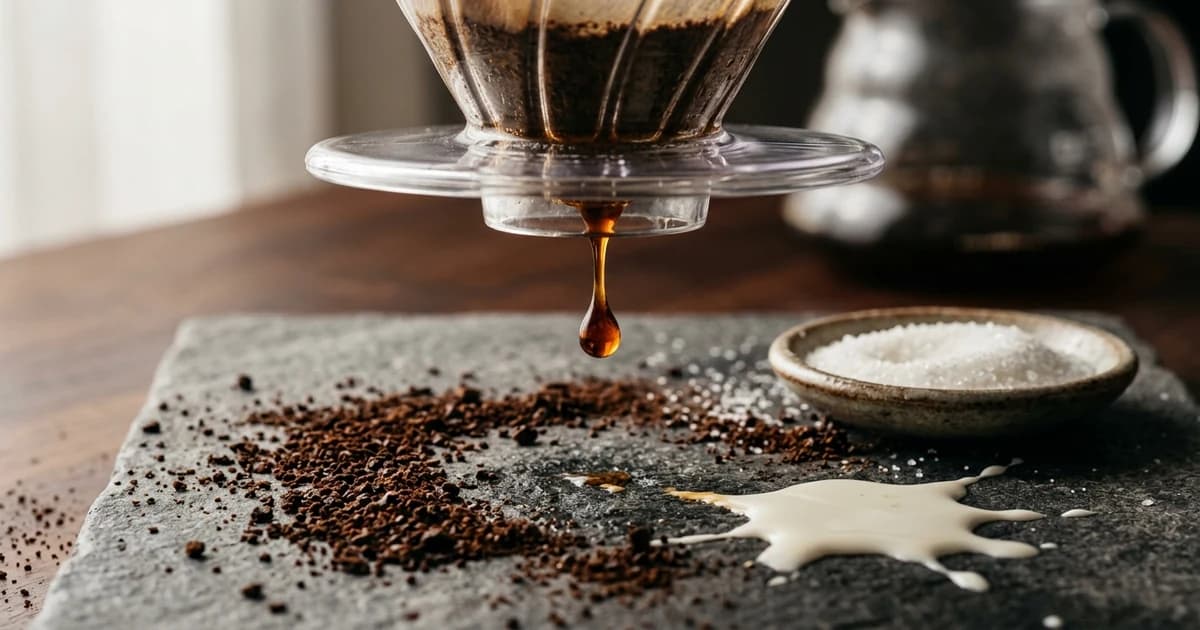
Caffeine measurably raises energy expenditure in lab studies, but the effect is small and fades with tolerance. Here is what four decades of trials show.
Free U.S. shipping on orders $35+ · Subscribe & save
Science

Caffeine measurably raises energy expenditure in lab studies, but the effect is small and fades with tolerance. Here is what four decades of trials show.

Decaf coffee bloats people too, which points to coffee's acids and gut effects, not caffeine. Here is what the digestion research actually shows.

The caffeine nap protocol backed by real research: how much caffeine, how long to nap, and why 20 minutes is the number that actually works.

Acute, chronic, and with-carbohydrate sucralose trials point different directions. See the studies and where FDA, JECFA, and EFSA stand today.

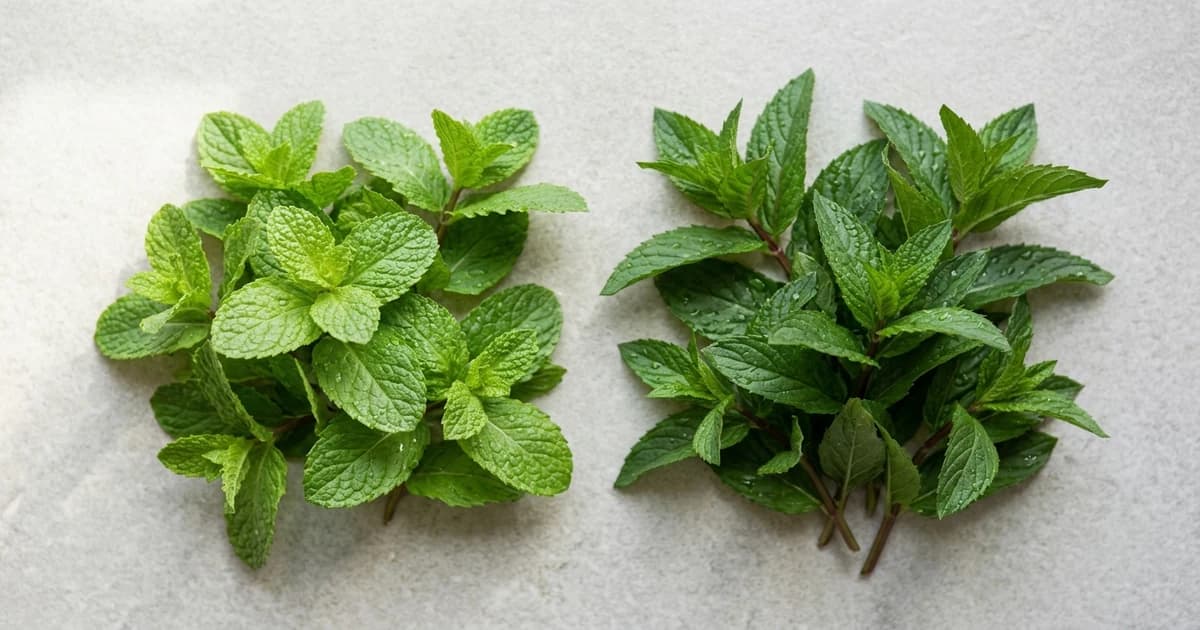
Spearmint vs peppermint explained by chemistry: why peppermint feels cold from menthol and spearmint tastes sweet from carvone, with real oil data.

Caffeine rarely spikes hunger on its own. See what research says about blood sugar, cortisol, and coffee additives behind post-coffee hunger.

Does nicotine suppress appetite? The science, rebound hunger catch, and why that is not a reason to start nicotine for fasting.

A focus pouch holds about 80mg of caffeine, roughly one small coffee. How that compares to other formats and who should take less.

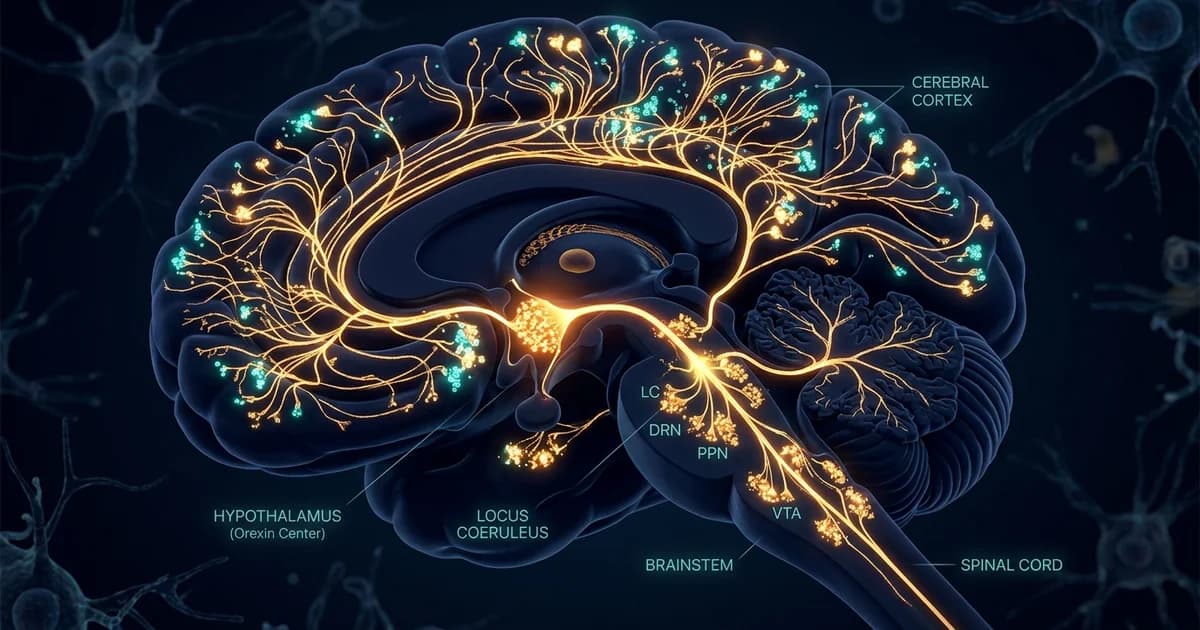
Discover how orexin controls wakefulness, why losing it causes narcolepsy, and how new sleep drugs target this powerful brain system.

Discover how AMPA receptor nootropics (ampakines) work, what the science really shows, and why the gap between biology and brain supplements matters.

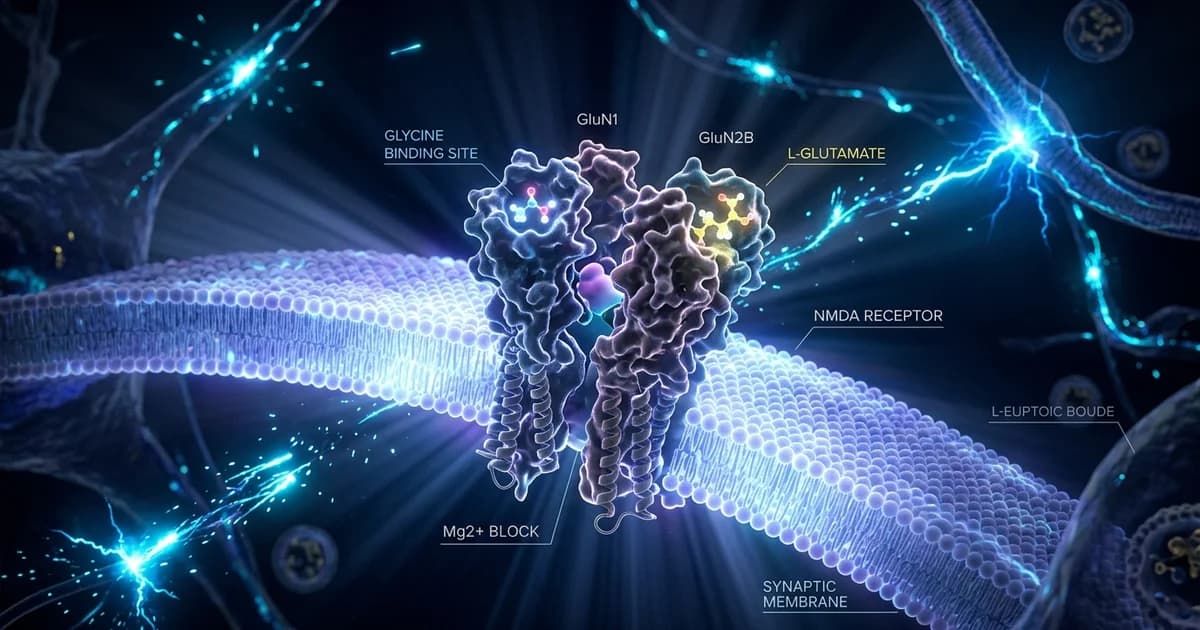
Discover how the glycine NMDA receptor relationship works as a coincidence detector driving learning and long-term potentiation in the brain.

Senolytics may protect the aging brain by clearing zombie cells. See what mouse studies and human trials actually show before buying the supplements.

Your brain hoards vitamin C at 10x blood levels—here's why. Discover how ascorbate supports neurotransmitters, fights oxidative stress, and affects

Phenylethylamine triggers dopamine and euphoria—but vanishes in minutes. Learn why PEA supplements rarely work and what the science actually says.

Semax and selank promise sharper focus and less anxiety. But what does the evidence actually support? An honest look at the research, gaps, and risks.

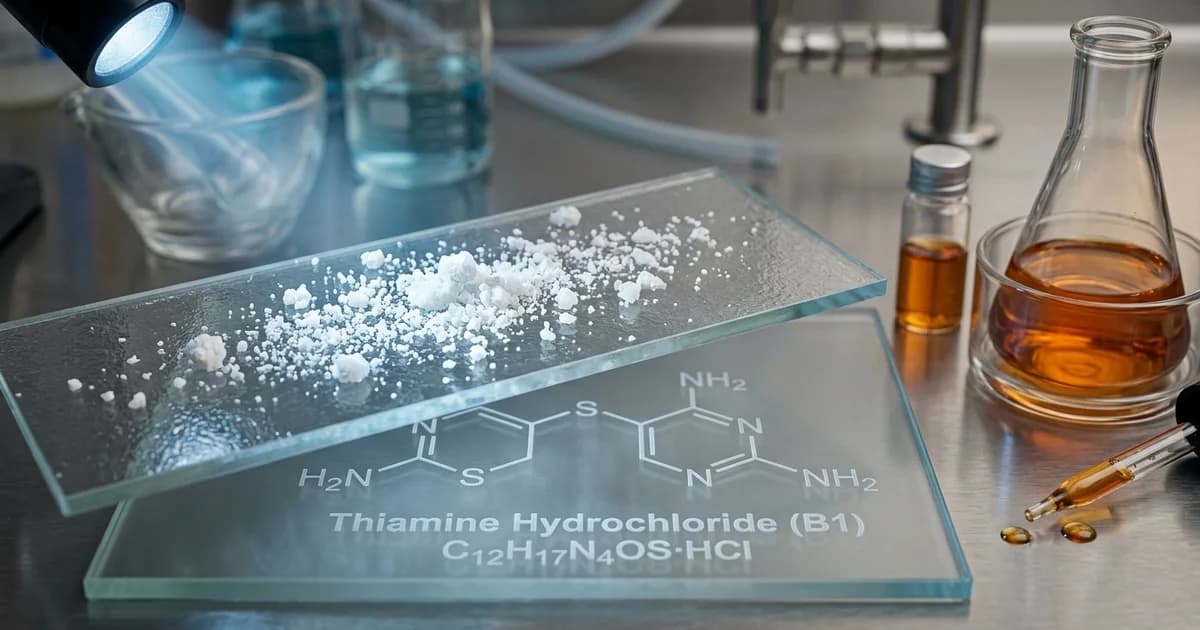
Discover how thiamine (B1) converts glucose into brain fuel, why low B1 causes brain fog, and who's at risk for thiamine deficiency affecting cognition.

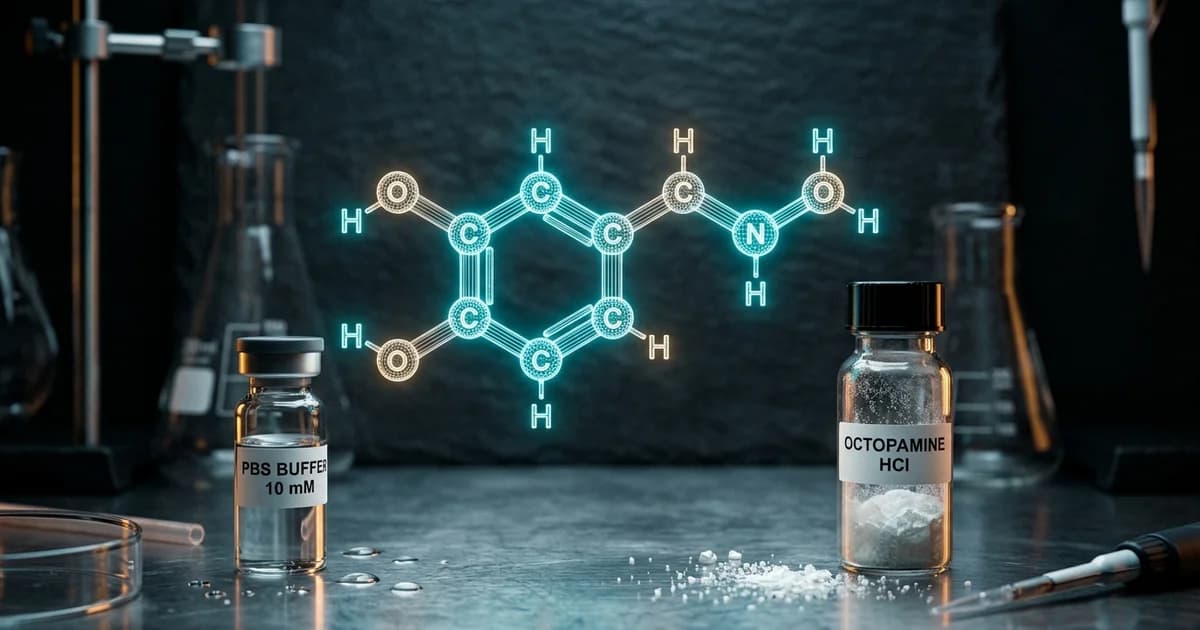
Octopamine appears on fat-burner labels, but human evidence is nearly nonexistent. Learn what the science actually says before you buy.

Fasoracetam is the only racetam studied in a real ADHD clinical trial. Learn what the evidence shows, who it may help, and its legal status.

Pramiracetam boosts choline uptake harder than most racetams. Learn how it works, optimal dosing, and why skipping choline is a mistake.

Does phosphatidylserine help ADHD? See what clinical trials actually show about dosing, effects on inattention, and how it compares to proven treatments.

Discover how grape seed extract proanthocyanidins may boost processing speed and attention. What the research actually shows about this quiet cognitive

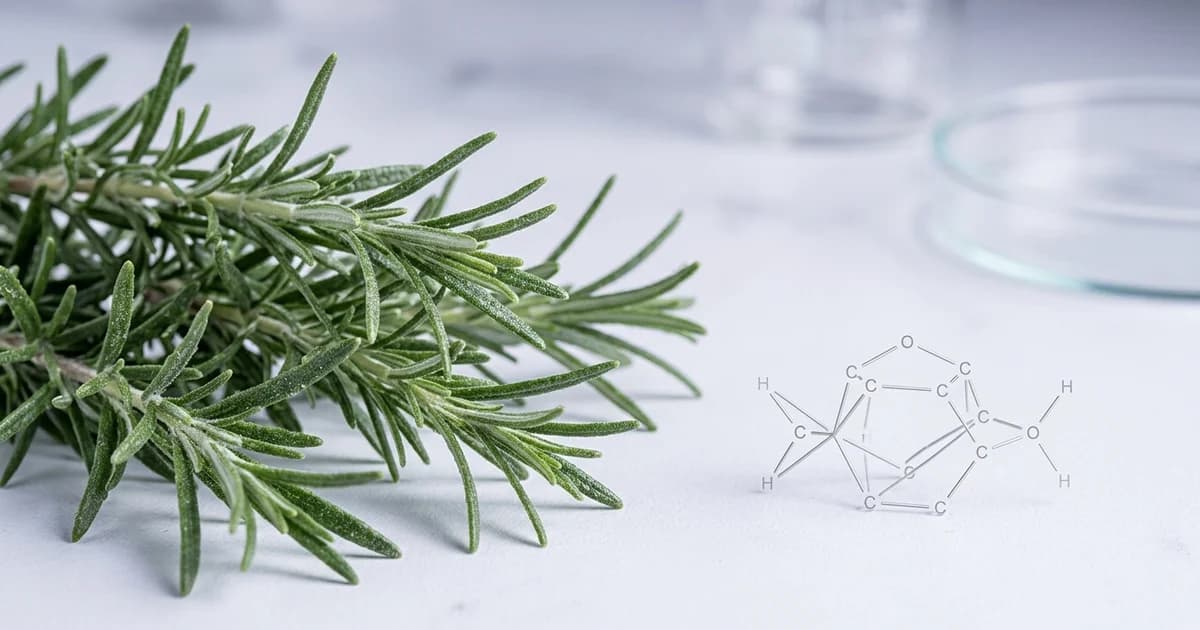
Can rosemary aroma sharpen your mind? Explore the science behind 1,8-cineole, the compound linked to faster, more accurate cognitive performance.

Centrophenoxine is marketed as an anti-aging nootropic, but how strong is the evidence? We break down the real science behind the claimed benefits.

The standard 5g creatine dose may not reach your brain. Learn what science says about the right creatine dose for brain function and cognition.