How to Get Rid of Caffeine Jitters Fast: What Actually Works in the Next 30 Minutes
How to Get Rid of Caffeine Jitters Fast: What Actually Works in the Next 30 Minutes
Your hands are shaking, your heart is hammering, and you regret that last cup. You want to know how to get rid of caffeine jitters, and you want to know right now. Here is the honest version: you cannot speed caffeine out of your bloodstream, but you can dial down the symptoms in minutes. This guide separates what has real evidence from the folk remedies that sound good but do not hold up.
Key Takeaways
- The fastest lever you can pull is slow, paced breathing (about 5 breaths per minute). It works in under five minutes.
- Drinking water and eating food help you feel better, but neither "flushes out" caffeine. Your liver does that, on its own schedule.
- L-theanine has actual trial data showing it blunts the blood-pressure spike from caffeine, though the same study found it did not significantly reduce self-rated jitteriness.
- The jitters will pass. Caffeine's average half-life is about 5 hours, so the worst of it fades well before that.
The 30-Minute Jitter Protocol
| Time | Action | Why It Helps |
|---|---|---|
| 0-2 min | Start paced breathing: 4 seconds in, 6 seconds out | Activates parasympathetic nervous system, lowers heart rate |
| 2-5 min | Sip water slowly (8-12 oz) | Counters dry mouth and mild dehydration from caffeine's diuretic effect |
| 5-10 min | Eat a small meal or snack with protein and fat | Slows any remaining caffeine absorption if you drank coffee recently |
| 10-15 min | Take 100-200 mg L-theanine if available | Trial data shows it attenuates the blood-pressure rise from caffeine |
| 15-30 min | Go for a calm walk (not a sprint) | Gentle movement helps redirect nervous energy without spiking cortisol further |
That is the protocol. Below, the reasoning behind each step and what the science actually says.
Before You Start: What Is Happening in Your Body
Caffeine blocks adenosine A1 and A2A receptors in your brain. Adenosine is the molecule that makes you feel sleepy, so blocking it keeps you alert. But the downstream effect matters more here: that blockade triggers a release of catecholamines, specifically adrenaline and noradrenaline (StatPearls, NCBI). Those are the same stress hormones behind an elevated heart rate, shaky hands, and the anxious, too-wired feeling people call "caffeine jitters" or "caffeine shakes."
The FDA considers up to 400 mg per day not generally associated with dangerous effects in healthy adults. That is roughly four to five standard 8-ounce cups of brewed coffee. But individual sensitivity varies wildly based on your CYP1A2 enzyme activity, and some people feel jittery at half that dose.
You cannot turn off the adenosine blockade once caffeine is bound. What you can do is calm the downstream response, the adrenaline surge, while your liver clears the caffeine on its own clock.
Step 1: Slow Your Breathing (This Is the Fastest Fix)
Paced breathing is the single most effective thing you can do in the next two minutes. It is not a platitude. A 2018 systematic review by Zaccaro et al. in Frontiers in Human Neuroscience found that slow breathing at roughly 4 to 6 breaths per minute increased parasympathetic (vagal) activity and reduced acute physiological arousal across multiple controlled studies.
The method: Breathe in for 4 seconds through your nose. Breathe out for 6 seconds through your mouth. The longer exhale is the key. It shifts your autonomic nervous system from sympathetic ("fight or flight," the mode caffeine pushed you into) toward parasympathetic ("rest and digest").
Do this for 3 to 5 minutes. You should feel your heart rate start to drop within the first 60 to 90 seconds. This is the only intervention on this list that directly counteracts the adrenaline response in real time.
Step 2: Drink Water, but Know What It Does and Doesn't Do
"Drink water to flush out caffeine" is probably the most repeated jitter remedy online. It is also misleading. Caffeine is metabolized by the CYP1A2 enzyme in your liver, not filtered through your kidneys the way alcohol is. No controlled study shows that drinking extra water speeds up hepatic caffeine clearance.
That said, water still helps for a practical reason: caffeine is a mild diuretic, and dehydration amplifies the symptoms you are already feeling, like a racing heart and dry mouth. Drinking 8 to 12 ounces of water addresses those layers without pretending it is flushing anything.
Step 3: Eat Something (Timing Matters)
If you drank coffee on an empty stomach within the last 30 to 45 minutes, eating now can slow the absorption of caffeine still sitting in your GI tract. A small meal with protein and fat works better than pure carbohydrates for this.
If you drank coffee two hours ago, eating will not change your blood caffeine levels. It is already absorbed. But food still helps in a secondary way: low blood sugar and caffeine jitters feel almost identical, and separating the two makes the whole experience less miserable. Eat if you are hungry. Just do not expect it to "neutralize" caffeine.
Step 4: L-Theanine, the One Supplement with Data on Caffeine's Cardiovascular Response
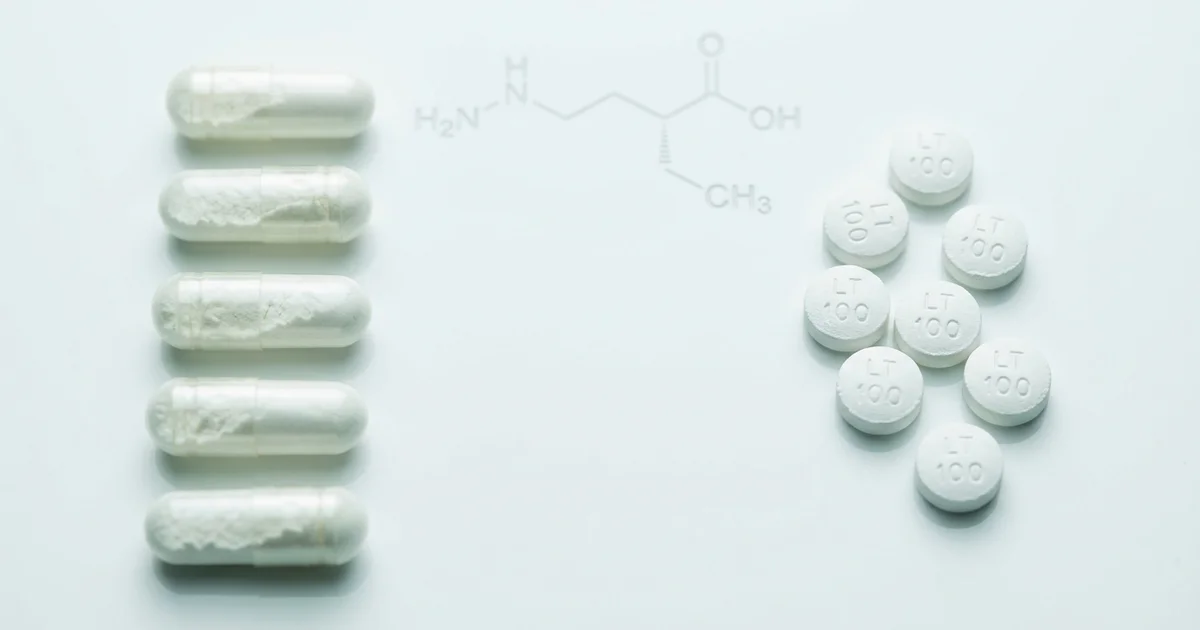
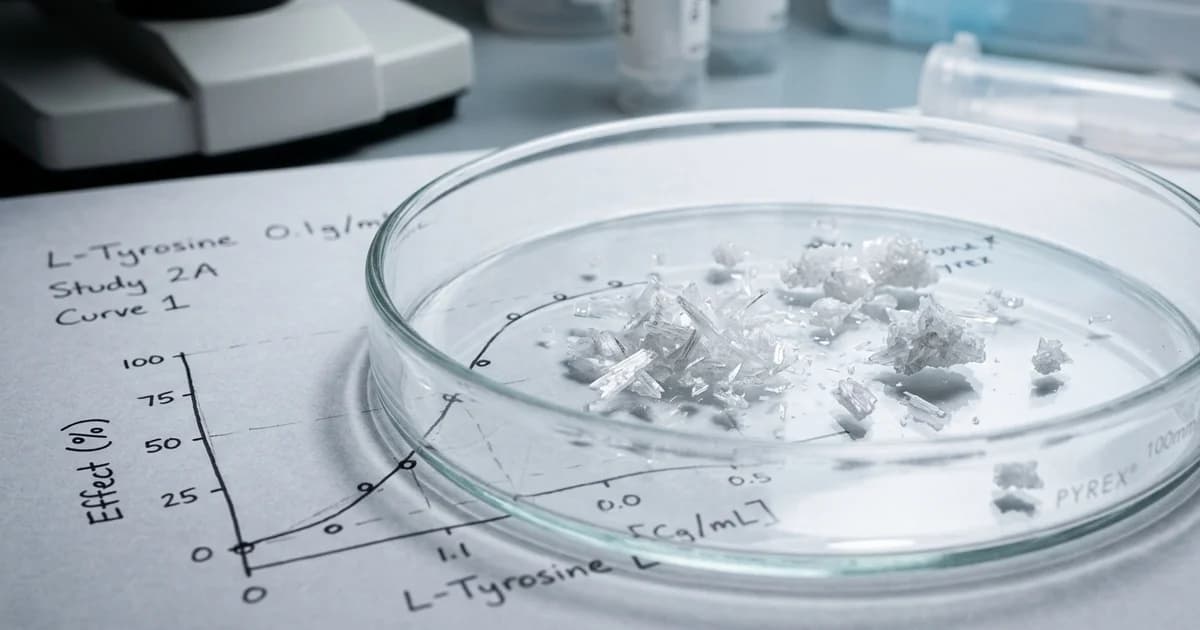
L-theanine is an amino acid found naturally in tea leaves, and it has some of the most direct evidence for blunting caffeine's cardiovascular effects.
Rogers et al. (2008) published in Psychopharmacology found that 200 mg L-theanine attenuated the blood-pressure rise from 250 mg caffeine, though the same study found L-theanine did not significantly affect self-rated jitteriness. Yoto et al. (2012) in Journal of Physiological Anthropology showed that among participants who were high responders to mental stress, L-theanine reduced the blood-pressure spike versus caffeine alone.
Neither study claims L-theanine eliminates jitters entirely. What the data supports is that it softens the cardiovascular stress response, the racing heart and that tight-chest feeling, which is the part most people find hardest to tolerate.
If you have L-theanine capsules, 100 to 200 mg is the range used in most trials. If you do not, a cup of green tea contains some L-theanine (amounts vary by brewing time and leaf quality), which is modest but not nothing. For a deeper look at how caffeine and theanine interact, see the caffeine to theanine ratio.
Step 5: Move Gently, but Don't Try to "Burn Off" Caffeine
Walking helps. It gives your body something productive to do with the excess nervous energy, and light movement can lower perceived anxiety. But the claim that exercise "burns off" caffeine faster is not supported by evidence.
Caffeine is cleared by liver enzymes, not by muscles. Some research suggests that intense exercise may actually slow caffeine metabolism temporarily by diverting blood flow away from the liver. A calm 10-to-15-minute walk is the right move. A hard sprint is not.
How Long Will This Last? The Half-Life Math
Caffeine's average half-life in healthy adults is approximately 5 hours, with a range of 1.5 to 9.5 hours depending on genetics, medications, and other factors (IOM/NCBI Bookshelf). Oral contraceptives roughly double that half-life. Smoking shortens it. Your CYP1A2 genotype drives most of the variation.
Here is what that means practically: if you had 400 mg of caffeine at 8 AM, you still have about 200 mg circulating at 1 PM. The acute jitters, the shaking and racing heart, typically peak within 30 to 60 minutes of intake and subside well before the caffeine itself is gone. Most people report that the worst passes within 1 to 3 hours even without doing anything, because your body adapts to the catecholamine surge.
For a longer breakdown, see how long caffeine actually lasts.
When to See a Doctor
Most caffeine jitters are uncomfortable but not dangerous. See a clinician if you experience:
- Chest pain or pressure
- Irregular heartbeat (skipping beats, not just fast)
- Dizziness or near-fainting
- Vomiting
- Symptoms lasting more than 6 hours after your last caffeine
These could signal caffeine intoxication or an underlying cardiac issue that caffeine unmasked. This article is not medical advice. If something feels wrong beyond simple jitters, get evaluated.
Troubleshooting: What If Nothing Is Working
If you have tried the breathing, eaten, hydrated, and still feel terrible after an hour:
- Check your total dose. Add up everything: coffee, energy drinks, pre-workout, tea, chocolate. People regularly underestimate their intake by 30 to 50%.
- Consider your baseline. If you normally drink one cup of coffee and today you had three, your body is dealing with a dose it has no tolerance for. Time is the only real fix.
- Look at sleep. Sleep deprivation amplifies caffeine's anxiety-producing effects. If you slept four hours last night, the jitters will feel worse and last longer.
- Evaluate the pattern. If jitters happen regularly at your normal dose, it may be time to reset your caffeine tolerance or switch to a lower dose. See also: lower-stim ways to stay sharp.
Conclusion
The fastest relief is physiological, not pharmacological. Slow breathing is the only intervention that directly counters the adrenaline response in minutes. Everything else, water, food, L-theanine, helps at the margins or addresses secondary symptoms. And the hardest truth: caffeine clears on the liver's schedule, not yours. No amount of water, exercise, or wishful thinking changes CYP1A2 kinetics. The real long-term fix is not better remedies after the fact. It is getting the dose and the delivery right in the first place.
Frequently Asked Questions
How long do caffeine jitters last?
For most people, the acute symptoms, shaking hands, racing heart, and that anxious buzzing, peak within 30 to 60 minutes after intake and fade within 1 to 3 hours. Caffeine itself has a half-life of about 5 hours, but the jittery feeling usually subsides well before the caffeine fully clears.
Does water help with caffeine jitters?
Water helps with secondary symptoms like dry mouth and the amplifying effects of dehydration, but it does not speed up caffeine metabolism. Caffeine is broken down by liver enzymes (CYP1A2), not flushed through the kidneys. Drink water because you will feel better, not because it "flushes out" caffeine.
Can you flush caffeine out of your system?
No. There is no food, drink, or supplement that accelerates your liver's caffeine metabolism. The clearance rate is set by your CYP1A2 enzyme activity, which is largely genetic. You can manage symptoms while you wait, but the caffeine leaves on its own timeline.
Does L-theanine stop caffeine jitters?
L-theanine does not eliminate jitters entirely. Rogers et al. (2008) found that 200 mg L-theanine attenuated the blood-pressure rise from 250 mg caffeine, but did not significantly reduce self-rated jitteriness. Its benefit is in softening the cardiovascular stress response (racing heart, blood-pressure spike), which many people find hardest to tolerate.
Does exercise help get rid of caffeine jitters?
Gentle movement like walking can reduce perceived anxiety and give your body an outlet for excess energy. But exercise does not speed up caffeine clearance. Intense exercise may even slow metabolism temporarily by redirecting blood flow away from the liver.
How much caffeine causes jitters?
It varies by person. The FDA considers up to 400 mg per day safe for most healthy adults, but people with slower CYP1A2 metabolism or lower habitual intake can get jittery at 200 mg or less. If you consistently get jitters at your current dose, your dose is too high for your biology.
Can you build a tolerance to caffeine jitters?
Yes. Regular caffeine use upregulates adenosine receptors, which means you need more caffeine for the same effect and are less likely to overshoot into jitter territory at a consistent dose. But tolerance also means dependence, and the fix is usually adjusting your dose rather than just pushing through.
Is there a breathing technique that helps with caffeine jitters?
Paced breathing at about 5 breaths per minute (4 seconds in, 6 seconds out) activates your parasympathetic nervous system and directly counters the adrenaline surge from caffeine. A 2018 systematic review confirmed that this breathing rate increases vagal tone and reduces acute arousal.
A Better Approach to Caffeine Than Damage Control
If you are reading this article mid-jitter, the protocol above will help. But if caffeine jitters are a recurring problem, the better question is why your current caffeine source keeps overshooting.
Most of the time, it is a dose problem or a delivery problem. Coffee delivers caffeine in a fast, front-loaded spike with no built-in modulation. That is fine for people who metabolize it quickly. For everyone else, it means a narrow window of focus followed by a jittery overshoot or an afternoon crash.
Roon was designed around this exact issue. It pairs caffeine with L-theanine, methylliberine (Dynamine), and theacrine (TeaCrine) in a zero-nicotine sublingual pouch. The L-theanine smooths the response, and methylliberine extends the caffeine's working window to 6 to 8 hours so you do not need a second or third dose. Tins start from $9.16 each (as little as $0.61 per pouch) on a 12-tin subscription.
Roon is not a remedy for jitters that are happening right now, and it will not fix a caffeine sensitivity issue that requires medical attention. But if your pattern is "too much coffee, then damage control," a lower, steadier dose with built-in L-theanine is a better starting point than a bigger coffee followed by a breathing exercise. Try Roon here.
Related from Roon
- Why caffeine makes your hands sweaty and shaky while gaming, and the fix
- The caffeine to theanine ratio that matters
- Coffee gives me anxiety and jitters: lower-stim ways to stay sharp
- How to take a caffeine nap
Written by Roon Team