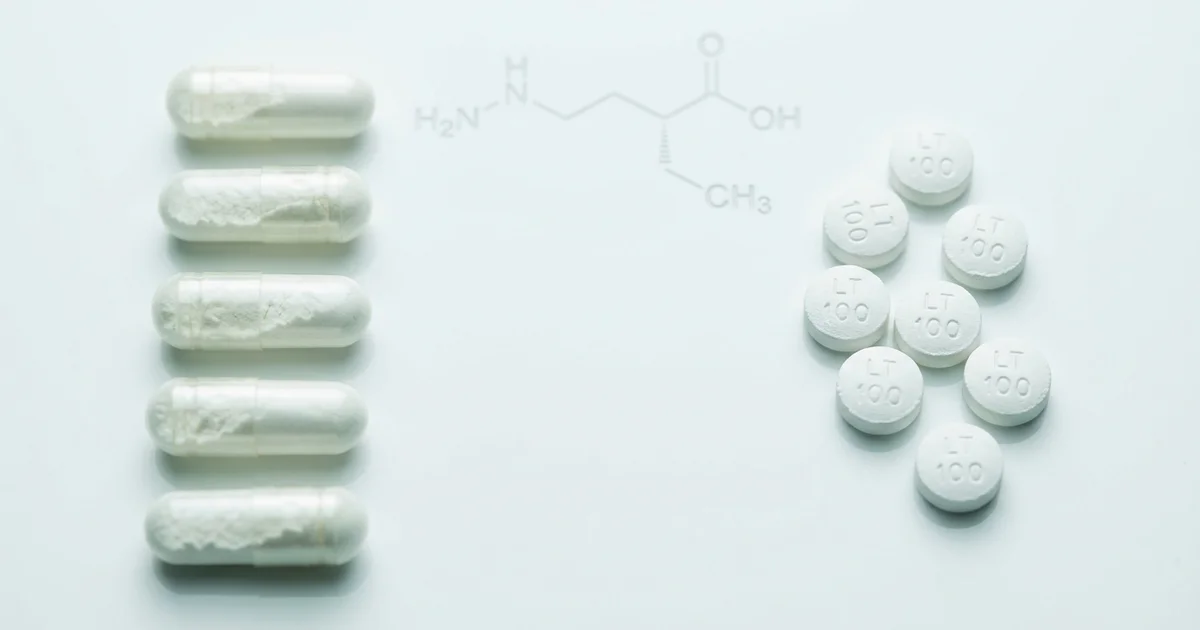
Zyn Weight Loss: The "O-Zyn-pic" Trend vs. the Evidence

Zyn Weight Loss: The "O-Zyn-pic" Trend vs. the Evidence
Nicotine can suppress appetite. That part is real, backed by published neuroscience identifying the exact brain circuit involved. The "O-Zyn-pic" trend, which repackaged this fact into a social media weight-loss hack using $5 tins of Zyn nicotine pouches, took off in 2024 because the mechanism is genuine. But no medical authority recommends nicotine for weight management. The risks, including cardiovascular harm, carcinogenic compounds, and rapid physical dependence, are well documented and serious. This article explains the science, the trend, and why the gap between "nicotine affects appetite" and "you should use nicotine to lose weight" is enormous.
Key Takeaways
- Nicotine activates a specific satiety circuit in the hypothalamus (POMC neurons via α3β4 nicotinic receptors), which is why it reduces food intake in animal models and likely in humans.
- The "O-Zyn-pic" trend promoted Zyn nicotine pouches as a cheap Ozempic alternative on TikTok and Instagram starting in mid-2024, with creators claiming losses of up to 30 lbs.
- No health professional or regulatory body recommends nicotine products for weight loss. Nicotine is highly addictive, and oral nicotine products carry documented cardiovascular and cancer-related risks.
- A Zyn pouch contains under 1 calorie. Any appetite effect comes from the nicotine itself, not the product's nutritional profile.
How Nicotine Actually Suppresses Appetite in the Brain
The appetite-suppressing effect of nicotine is not folklore. It has a known molecular mechanism.
In 2011, researchers at Yale published a landmark study in Science (Mineur et al., PMID 21659607) showing that nicotine decreases food intake in mice by activating α3β4 nicotinic acetylcholine receptors on pro-opiomelanocortin (POMC) neurons in the hypothalamus. POMC neurons are part of the brain's central satiety circuit. When nicotine binds to these receptors, it triggers downstream signaling through melanocortin-4 receptors, the same pathway that GLP-1 drugs like semaglutide ultimately influence (though through a completely different upstream mechanism).
This is why smokers tend to eat less and why people commonly gain weight after quitting. MedlinePlus reports the average post-cessation weight gain is 5 to 10 pounds in the months after stopping.
The mechanism is real. The question is whether "real mechanism" equals "good idea."
| Factor | Nicotine (Zyn pouch) | GLP-1 drug (e.g., semaglutide) |
|---|---|---|
| Appetite suppression mechanism | α3β4 nAChR → POMC neuron activation | GLP-1 receptor agonism (gut-brain axis) |
| FDA-approved for weight loss | No | Yes (Wegovy) |
| Prescription required | No (age 21+ in most states) | Yes |
| Addiction risk | High (physical dependence develops rapidly) | Minimal |
| Approximate monthly cost | ~$30-60 (assuming 1-2 tins per week at approximately $5/tin) | $199-$399/month with manufacturer savings card (list price ~$1,349/month) |
| Documented carcinogen exposure | Yes (TSNAs found in the majority of tested products) | No |
| Cardiovascular risk | Increased heart rate, blood pressure | GI side effects more common |
What the "O-Zyn-pic" Trend Actually Looked Like
Starting around May 2024, TikTok and Instagram creators began promoting Zyn nicotine pouches as a budget Ozempic alternative under the name "O-Zyn-pic." The pitch was simple: a $5 tin of flavored nicotine pouches could do what a $1,000/month prescription drug does, with some creators claiming weight losses of up to 30 lbs.
The framing was deliberate. GLP-1 drugs like Ozempic and Wegovy were (and remain) expensive, often inaccessible without insurance, and supply-constrained. Nicotine pouches are sold at gas stations. The cost asymmetry made the comparison go viral.
But "cheap and available" is not the same as "safe and effective." The trend conflated a real pharmacological property of nicotine with a recommendation, and health experts responded quickly.
Why No Health Expert Recommends This
Amy Reichelt, PhD, Chief Innovation Officer at PurMinds Neuropharma, was among the experts quoted in Healthline's coverage of the trend, warning that nicotine is "a highly addictive substance" that leads to "psychological and physiological dependence." Dependence is the core problem. Using nicotine to control appetite means you need nicotine to control appetite, indefinitely, with escalating tolerance.
The documented risks of oral nicotine products include:
- Cardiovascular effects: Nicotine acutely raises heart rate and blood pressure. A 2023 systematic review in Frontiers in Cardiovascular Medicine confirmed that nicotine administration results in acute increases in blood pressure, heart rate, and biomarkers of cardiovascular risk.
- Carcinogenic compounds: An analysis published in Tobacco Control (2024) (Mallock et al.) tested 44 nicotine pouch products and found that the majority contained detectable levels of at least one tobacco-specific nitrosamine (TSNA), with NNN detected above limits in 24 of 44 products. TSNAs are known carcinogens.
- Oral health: Periodontitis and tooth decay are associated with chronic oral nicotine use.
- Addiction: Nicotine is one of the most addictive substances known. Nicotine pouch use among U.S. high school students nearly doubled from 2023 to 2024, rising from 3% to 5.4% of 10th and 12th graders surveyed, according to Monitoring the Future survey data published in JAMA Network Open.
The FDA authorized 20 Zyn products for marketing via the PMTA pathway in January 2025. In June 2026, the FDA separately issued modified-risk orders allowing Zyn to claim that using it instead of cigarettes puts adults at lower risk of mouth cancer, heart disease, lung cancer, stroke, emphysema, and chronic bronchitis. Neither action relates to weight management, and neither means nicotine pouches are safe in absolute terms.
Zyn's Actual Nutritional Profile
A single Zyn pouch contains less than 1 calorie. It is not a food product. Any weight-related effect from using Zyn comes entirely from nicotine's pharmacological action on the brain, not from displacing caloric intake. You could get the same "calorie savings" from chewing on an ice cube.
This distinction matters because part of the O-Zyn-pic trend's appeal was the framing of Zyn as a "diet product." It is not a diet product. It is a nicotine delivery device that happens to contain negligible calories.
Will You Gain Weight if You Quit Nicotine?
Probably some, at least temporarily. The same POMC neuron mechanism that suppresses appetite while you use nicotine reverses when you stop. The average weight gain after quitting smoking is 5 to 10 pounds, and there is no reason to believe quitting nicotine pouches would be different, since the active compound is the same.
This is real and worth acknowledging honestly. It is also not a reason to keep using nicotine. Five to ten pounds is a manageable change. Cardiovascular disease, nicotine dependence, and carcinogen exposure are not.
Nicotine vs. Caffeine: Different Mechanisms, Different Evidence
Caffeine is sometimes loosely described as an "appetite suppressant," but the evidence base is far weaker and the mechanism is different. Some studies show a modest, short-term reduction in food intake after caffeine consumption, but there is no caffeine equivalent of the POMC neuron pathway that nicotine activates. Caffeine's primary action is adenosine receptor antagonism, which promotes wakefulness, not satiety.
A GoodRx review of the research noted that in one study, people who drank coffee before breakfast ate less at that meal but showed no change in appetite for the rest of the day. That is a far cry from the sustained appetite suppression nicotine produces through a dedicated satiety circuit.
This is worth stating plainly: the nicotine-appetite mechanism described in this article does not generalize to caffeine. They are pharmacologically different compounds acting on different receptor systems.
The Gap Between Mechanism and Recommendation
A real pharmacological effect does not make something a good idea. Nicotine suppresses appetite through a well-characterized brain pathway. That same compound also causes rapid physical dependence, raises cardiovascular risk, and exposes users to carcinogens found in a majority of tested pouch products. No physician, no dietitian, and no regulatory body recommends nicotine for weight management. The O-Zyn-pic trend was a viral moment, not a medical protocol.
Frequently Asked Questions
Does nicotine actually suppress appetite?
Yes. Nicotine activates α3β4 nicotinic acetylcholine receptors on POMC neurons in the hypothalamus, triggering a satiety signal through melanocortin-4 receptor pathways. This was demonstrated in a 2011 Science study (Mineur et al.). The mechanism is well established. That does not make nicotine a safe or recommended appetite suppressant.
Do Zyns make you lose weight?
Nicotine can reduce food intake through the brain mechanism described above, so it is plausible that regular Zyn use could lead to some weight reduction. But Zyn is a nicotine product, not a weight-loss product. No clinical trial has evaluated Zyn specifically for weight management, and the addiction and health risks make this a poor trade-off by any medical standard.
Is Zyn a safe alternative to Ozempic?
No. Ozempic (semaglutide) is an FDA-approved prescription medication with extensive clinical trial data supporting its safety and efficacy for weight management. Zyn is a nicotine pouch with no approval or evidence base for weight loss. The FDA's marketing authorization for Zyn relates to reduced harm versus cigarettes, not to weight management.
Can nicotine pouches replace GLP-1 drugs?
No. GLP-1 receptor agonists work through a fundamentally different mechanism (gut-brain signaling via GLP-1 receptors), have been studied in large randomized controlled trials, and are prescribed under medical supervision. Nicotine pouches are an addictive consumer product with documented health risks. These are not interchangeable categories.
How much weight do people gain after quitting nicotine?
On average, 5 to 10 pounds in the months following cessation. This is a temporary metabolic adjustment as the POMC neuron pathway is no longer being pharmacologically activated. The gain is manageable and far outweighed by the health benefits of stopping nicotine use.
Does caffeine suppress appetite the same way nicotine does?
No. Caffeine may produce a mild, short-lived reduction in appetite for some people, but it does not act on the same hypothalamic POMC neuron pathway that gives nicotine its appetite-suppressing effect. The evidence for caffeine as an appetite suppressant is inconsistent and much weaker than for nicotine.
What carcinogens are in nicotine pouches?
An analysis published in Tobacco Control (2024) (Mallock et al.) found tobacco-specific nitrosamines (TSNAs) in the majority of 44 nicotine pouch products tested, with NNN detected above limits in 24 of 44 products. TSNAs are established carcinogens. The study also detected other chemicals including formaldehyde and chromium in some products.
What did the FDA actually approve Zyn for?
In January 2025, the FDA authorized 20 Zyn products for marketing via the PMTA pathway. In June 2026, the FDA issued separate modified-risk orders allowing Zyn to claim that using it instead of cigarettes puts adults at lower risk of mouth cancer, heart disease, lung cancer, stroke, emphysema, and chronic bronchitis. This is a comparative claim against cigarettes, not a safety endorsement or a weight-loss indication.
Where to Go from Here
This article covers the pharmacology of nicotine and appetite, not a product recommendation. If you are considering any substance for weight management, talk to a clinician who can evaluate your individual risk profile and discuss evidence-based options.
If you are interested in nicotine-free oral pouches for energy and focus, Roon is one such option.
Written by Roon Team