75 Hard vs Winter Arc vs the Great Lock In: Which Fits You
75 Hard, Winter Arc, and the Great Lock In compared on rules, length, restart policy, and what each does to your caffeine and sleep, in one table.
Free U.S. shipping on orders $35+ · Subscribe & save
Focus

75 Hard, Winter Arc, and the Great Lock In compared on rules, length, restart policy, and what each does to your caffeine and sleep, in one table.

Winter Arc runs October 1 to December 31, 2026. Here are the rules people actually set, how it differs from the Great Lock In, and a daily template.

Jet lag is circadian, travel fatigue is cumulative. Use this quick self-test to tell them apart, then see what actually fixes each one.

40 things to give up for Lent 2027, plus what really happens to your energy when you cut coffee, alcohol, sugar, or social media for 40 days.

An hour-by-hour plan for the day after no sleep: timed caffeine, one short nap, and why driving is genuinely dangerous right now.

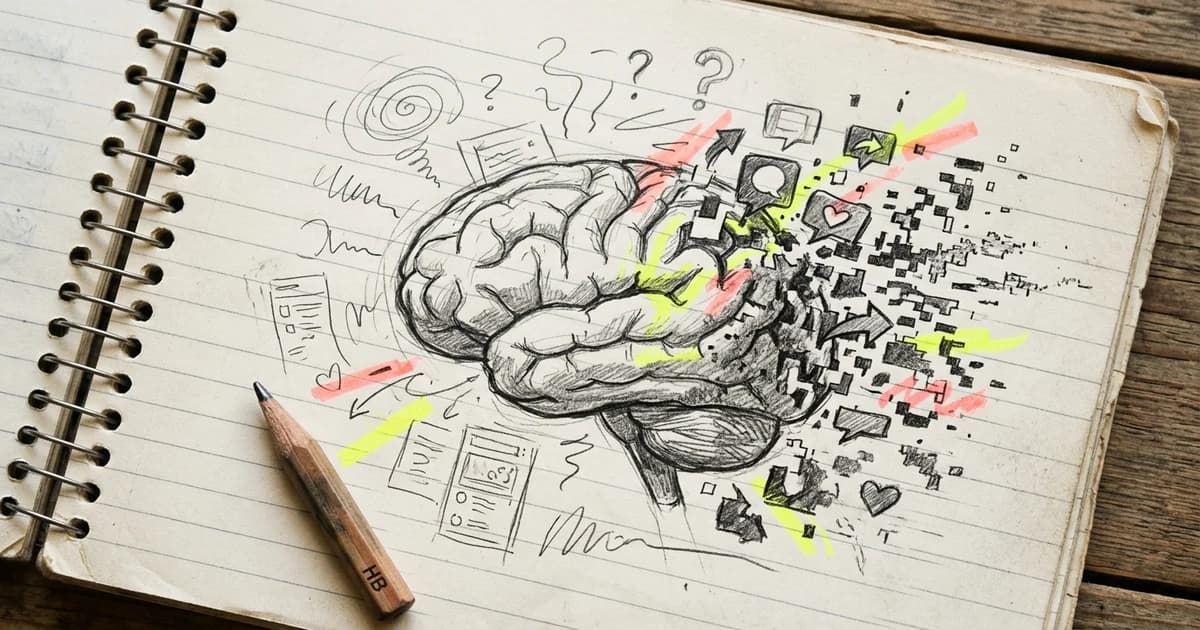
Oxford named brain rot its 2024 Word of the Year after 37,000 votes. Here is what the term means, what research exists, and what it is not.

The real study behind a lasting circadian shift: light timing, fixed wake times, and where caffeine fits, built from a 3-week clinical protocol.

Does coffee help a hangover? What caffeine actually fixes, what it does not, and what the one real human trial on this found.

Ranked by verified mg per can and per ounce: Bang, Reign, Celsius, Monster, Red Bull, and more, plus crash risk and how long each one lasts.

Caffeine's half-life ranges 1.5 to 9.5 hours. See the actual sleep-study data and a worked example for your safest afternoon coffee cutoff.

Monk mode explained: where the term came from, which rules the evidence backs, whether it is healthy, and a 30-day protocol that holds up.

Meal size, walk timing, and caffeine window strategies backed by real studies for stopping the post-meal energy crash before it starts.

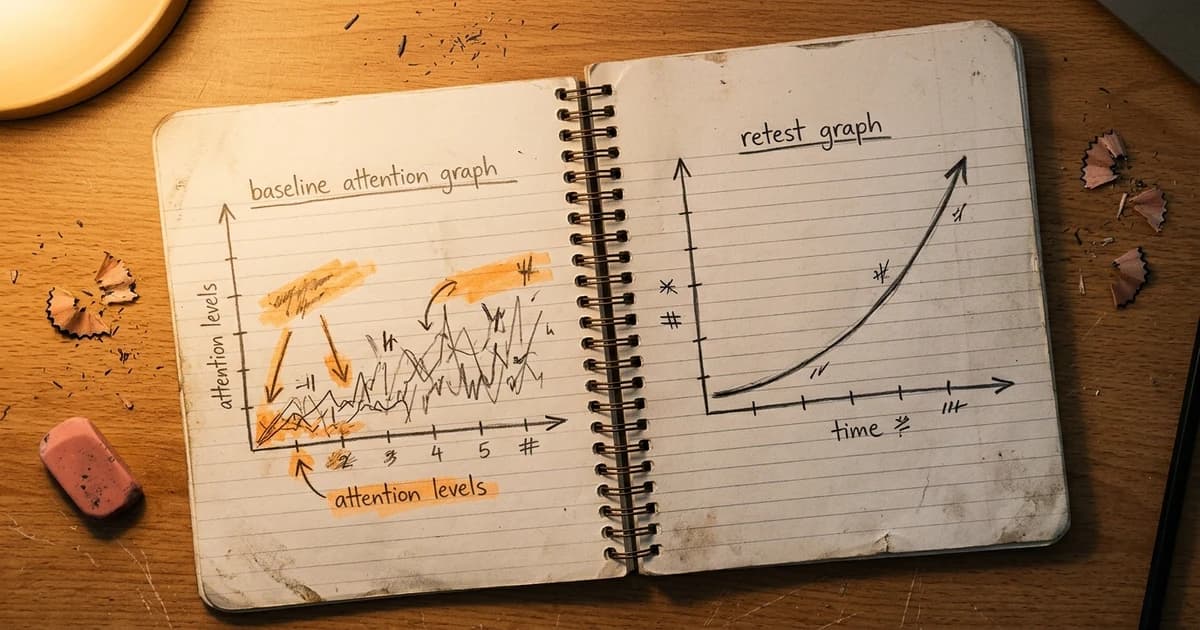
A day-by-day plan showing how to rebuild attention span. Start at 12-minute single-task blocks, end at 40, with a baseline test and a day-14 retest.

The great lock in runs September 1 to December 31 with no official rules. Here is how to pick your goals and build a structure that fits.

Born to dilly dally forced to lock in started as a two-panel cat meme on X in February 2024. Here is the origin, format, and meaning.

The lock in meme traces back to a 2009 Urban Dictionary entry and exploded on TikTok. Get the full timeline, formats, and why it stuck.

Stay awake pills are FDA-regulated 200 mg caffeine tablets. Here is the exact label dosage, warnings, and how Roon's 80 mg pouch compares.

Sober October explained: the real rules, the Golden Ticket, and what changes week by week when you skip alcohol for 31 days.

A 10-minute, study-backed sequence for beating sleep inertia: light first, then movement, then caffeine timed to when it actually starts working.

A sleep-debt and sleep-inertia based plan for waking up early, even after a late night, using light timing, movement, and smarter caffeine timing.

Nodding off and can't leave your seat? Try this 60-second reset first, then research-backed tricks like gum, posture shifts, and active note-taking.

Lock in meaning explained: where the slang came from, what the Great Lock-In trend is, and why telling yourself to lock in actually works.

Why your caffeine intake climbs every day of finals week, what the tolerance and crash cycle actually is, and how to break the pattern.

What actually belongs on your desk during a long study with me session: timer, water, phone management, and a focus plan that lasts.