Does Coffee Help a Hangover? What Caffeine Does (and Doesn't) Fix the Morning After
Does Coffee Help a Hangover? What Caffeine Does (and Doesn't) Fix the Morning After
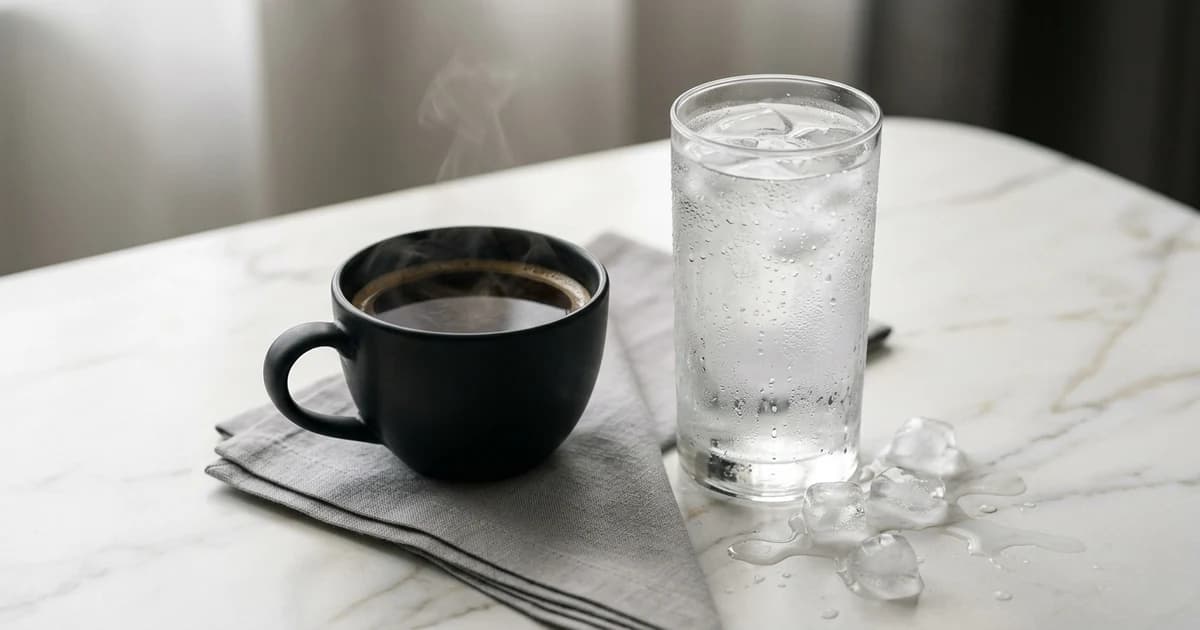
Coffee can make you feel more alert after a rough night, but it does not fix a hangover. The only randomized human trial to test this directly found that caffeine improved perceived next-morning alertness while doing nothing to reduce hangover incidence or severity (Rohsenow et al., 2014). It also does nothing for dehydration, GI irritation, or the inflammatory cascade that alcohol triggers. The honest answer: coffee addresses one symptom (grogginess) and ignores everything else.
Key Takeaways
- Caffeine blocks adenosine receptors, which can reduce the foggy, heavy feeling after drinking, but that is a perception shift, not a physiological fix.
- The one human trial that actually tested caffeinated vs. non-caffeinated beer at matched blood alcohol found zero effect on hangover severity.
- A 2022 systematic review of every hangover remedy studied in randomized controlled trials found that no intervention had good-quality evidence behind it. Coffee included.
- If you drink coffee daily and skip it the morning after, your headache may be partly caffeine withdrawal, not purely hangover.
What Actually Causes a Hangover
The NIAAA lists hangover symptoms as fatigue, weakness, thirst, headache, muscle aches, nausea, stomach pain, vertigo, light and sound sensitivity, anxiety, irritability, sweating, and increased blood pressure. That is a long list, and no single mechanism explains all of it.
The causes stack up in parallel:
| Hangover Mechanism | What It Does | Does Coffee Help? |
|---|---|---|
| Mild dehydration | Alcohol suppresses vasopressin, increasing urination and fluid loss | No. Coffee is not dehydrating for habitual drinkers, but it is not rehydrating you either. |
| GI irritation | Alcohol inflames the stomach lining and slows digestion | No. Coffee on an empty, irritated stomach often makes nausea worse. |
| Sleep disruption | Alcohol consolidates the first half of sleep but fragments the second half and suppresses REM (Ebrahim et al., 2013) | Partially. Caffeine can counteract sleepiness but cannot restore lost REM. |
| Congeners | Byproducts of fermentation; bourbon has roughly 37x the congeners of vodka (Rohsenow et al., 2010) | No. |
| Elevated adenosine | Alcohol raises extracellular adenosine via ENT1 transporter inhibition (Nam et al., PMC3887972) | Yes, partially. Caffeine is an adenosine receptor antagonist. This is the one mechanism where it directly helps. |
| Inflammatory response | Cytokine and prostaglandin release | No. |
The NIAAA is blunt: there is no cure for a hangover other than time.
The Rat Study Everyone Cites (and What It Actually Tested)
A 2010 study from Thomas Jefferson University (Maxwell et al., PLoS ONE) found that acetate, not acetaldehyde, produced hangover-like pain hypersensitivity in rats. Caffeine, as an adenosine receptor antagonist, blocked this effect. Ketorolac (an NSAID) also reversed it. When the caffeine wore off, the pain returned.
This study gets cited constantly as evidence that coffee "cures" hangover headaches. It does not prove that.
The authors themselves flagged serious caveats: the rats were pre-sensitized using a chronic migraine model, pure ethanol with no congeners was used, and the design could not account for dehydration or congener effects in humans. Rats also metabolize alcohol and caffeine differently than people do. The study identified a plausible mechanism (acetate acting on adenosine pathways), not a proven human treatment.
The Human Trial That Actually Tested Coffee and Hangovers
Only one randomized study has directly tested caffeine's effect on next-morning hangovers. Rohsenow et al. (2014) in Addictive Behaviors gave participants caffeinated beer (69 mg caffeine per 12 oz) versus non-caffeinated beer, matched at a breath alcohol concentration of approximately 0.12%.
The results: caffeine improved perceived alertness the next morning. It had no effect on hangover incidence. It had no effect on hangover severity. It did not improve perceived sleep quality.
So does caffeine make a hangover worse? In this study, no. But it did not make the hangover itself better, either. The subjects who got caffeinated beer simply felt slightly more awake while feeling equally terrible in every other measurable way.
What Caffeine Can Fix, and What It Cannot
The one thing caffeine reliably does the morning after is block adenosine receptors. Alcohol raises extracellular adenosine levels, and elevated adenosine is part of why you feel sluggish and foggy. Caffeine directly opposes this. That is real, and it is the mechanism behind the partial relief you feel when that first sip hits.
But a hangover is not just brain fog from alcohol. It is also a dehydrated body, an inflamed stomach, disrupted sleep you cannot get back, and sometimes the anxious morning-after feeling that alcohol's GABA rebound produces.
Caffeine does not touch any of those.
One common worry: does coffee dehydrate you further? Probably not if you are a habitual drinker. A 2014 crossover trial (Killer et al., PLoS ONE) found no difference in hydration markers between moderate daily coffee intake and equivalent water in 50 habitual male coffee drinkers. Your morning cup is not making dehydration worse. It is just not fixing it, either.
The Real Risk: Caffeine on Top of an Already Stressed System
Coffee on an empty, alcohol-irritated stomach can amplify nausea. Caffeine also raises cortisol and heart rate. If you are already anxious, jittery, or nauseous from a hangover, three cups of black coffee may tip the balance from "slightly more alert" to "alert and miserable."
The CDC makes a related point about mixing caffeine and alcohol during active drinking: caffeine does not reduce blood alcohol concentration or actual impairment. It masks the depressant effects, making you feel more alert while still impaired. That warning applies mainly to the night before, not the morning after, but the principle holds. Caffeine changes how you feel, not how impaired you actually are.
There is also a layered headache problem. If you drink coffee daily and your hangover morning is also 14 hours since your last cup, you may be dealing with caffeine withdrawal on top of the hangover. Withdrawal headache onset is typically 12 to 24 hours after the last dose and peaks between 20 and 51 hours, affecting roughly half of daily caffeine consumers (Juliano & Griffiths, 2004). In that case, coffee is not treating the hangover. It is treating caffeine withdrawal's own headache.
What the Evidence Says About Every Hangover Remedy
If you are hoping another supplement or remedy has better evidence than coffee, the data are discouraging. A 2022 systematic review by Roberts et al. in Addiction examined every randomized, placebo-controlled trial of pharmacologically active hangover interventions. The conclusion: no two trials tested the same intervention, and every efficacy outcome was rated very low quality evidence.
That means the evidence for coffee is weak, but so is the evidence for everything else. No pill, powder, or "hair of the dog" protocol has cleared even a basic evidentiary bar.
What Actually Helps More Than Coffee
Nothing cures a hangover. But some things address the actual underlying problems better than caffeine does:
- Water and electrolytes counter the dehydration that alcohol's vasopressin suppression causes.
- Food helps stabilize blood sugar and gives your stomach something to work on besides acid.
- Sleep is the only way to recover the REM that alcohol stole from the second half of your night.
- Time lets your liver finish processing acetaldehyde and lets the inflammatory response resolve.
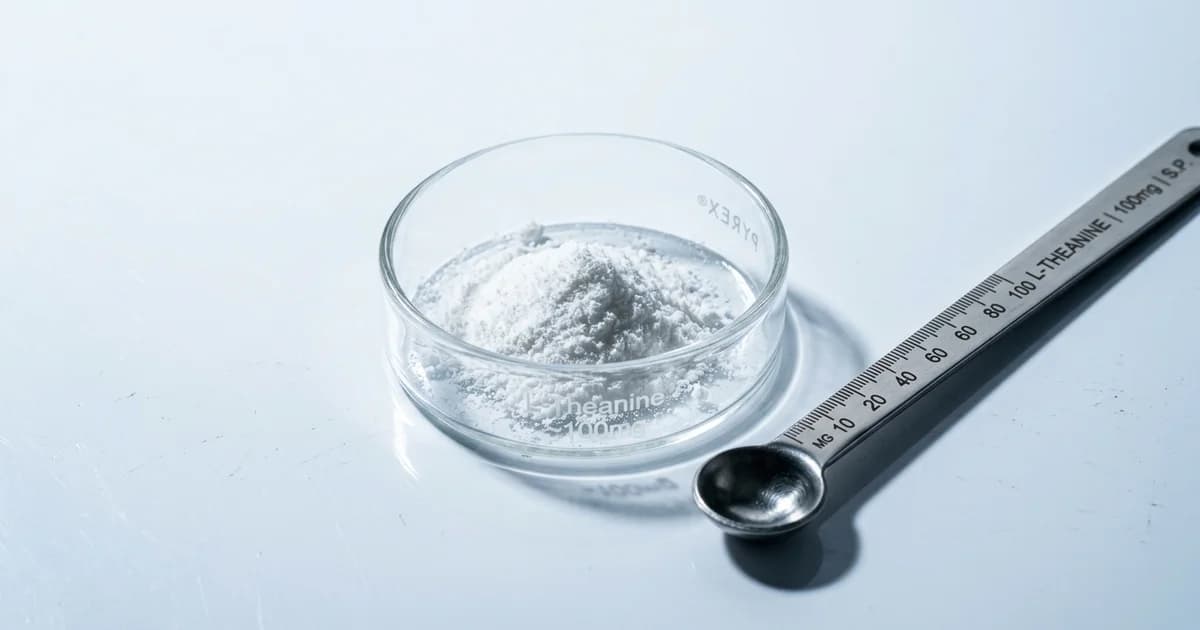
If you still want caffeine for the alertness benefit, smaller doses paired with L-theanine tend to produce less jitter and less of the anxious, wired-but-wrecked feeling that a third cup of black coffee delivers. That is a comfort choice, not a hangover remedy, and it does not replace water, food, or rest. And if you are rethinking the drinking part entirely, there is something to be said for cutting back on drinking altogether.
The Morning After Is Not a Caffeine Problem
Coffee is not good or bad for a hangover. It is just irrelevant to most of what makes a hangover a hangover. The adenosine-blocking effect is real and makes you feel more awake, which is why reaching for a cup feels instinctively right. But the headache, nausea, anxiety, and fatigue come from dehydration, GI inflammation, sleep disruption, and metabolic stress that caffeine does not address. The only honest protocol is water, food, rest, and time. Coffee is a small layer on top of that, not a substitute for any of it.
Frequently Asked Questions
Does coffee help a hangover?
Partially. Caffeine blocks adenosine receptors, which can reduce the foggy, heavy feeling after drinking. But the one human trial to test this (Rohsenow et al., 2014) found it improved perceived alertness without reducing hangover incidence or severity. It does not address dehydration, nausea, or inflammation.
Does caffeine make a hangover worse?
Not directly, based on available evidence. The Rohsenow trial found no increase in hangover severity from caffeine. But coffee on an empty, irritated stomach can worsen nausea, and excess caffeine can amplify the jitteriness and anxiety that alcohol's rebound effects already produce.
Is hair of the dog a real hangover cure?
No. Drinking more alcohol the morning after delays the metabolic process your body needs to complete. The NIAAA states plainly that having an alcoholic beverage the next morning will not cure a hangover. It just postpones symptoms.
Does coffee dehydrate you when you are hungover?
Probably not if you are a habitual coffee drinker. A 2014 trial found no difference in hydration markers between moderate coffee and water in regular drinkers. Coffee is not actively dehydrating you, but it is not rehydrating you the way water or an electrolyte drink would.
Can caffeine withdrawal make a hangover headache worse?
Yes. If you normally drink coffee daily and skip it the morning after drinking, withdrawal headache can begin within 12 to 24 hours of your last dose. That headache stacks on top of the hangover headache, making both worse. Drinking your normal amount of coffee addresses the withdrawal component, not the hangover itself.
Does caffeine reduce blood alcohol concentration?
No. The CDC is clear: caffeine does not affect how your liver metabolizes alcohol and does not reduce blood or breath alcohol concentration. It can make you feel more alert while still impaired.
What is the best thing to drink for a hangover?
Water and electrolyte-containing fluids address dehydration more directly than anything else. No single beverage cures a hangover, but rehydration is the most useful first step. Coffee can be layered on top for alertness, but it should not be the first or only thing you drink.
Are there any proven hangover cures?
No. A 2022 systematic review in Addiction found that across all randomized controlled trials of hangover remedies, every efficacy outcome was rated very low quality evidence. No intervention has cleared a meaningful evidentiary bar.
If You Want Alertness Without the Jitter
This article is about coffee and hangovers, and the honest answer is that no caffeine source fixes the underlying problem. Water, food, sleep, and time do the heavy lifting.
That said, if you are going to reach for caffeine anyway (and most of us do), the delivery method matters. A triple espresso on a wrecked stomach with shaky hands and mounting anxiety is a specific kind of misery. Lower-dose caffeine paired with L-theanine smooths out the response, reducing the jittery, anxious edge without eliminating the alertness benefit.
Roon is a zero-nicotine oral pouch with 80 mg of caffeine and 60 mg of L-theanine, plus methylliberine and theacrine for a longer tail. It is not a hangover remedy, it will not rehydrate you, and it does not touch the nausea or inflammation. What it does is deliver caffeine in a format that does not require you to brew anything while you are barely functional. From $15.00 per tin.
If the hangover is the problem, start with water. If the grogginess is the problem, a pouch is a simpler way to get caffeine into your system than cup number three.
Related from Roon
- Why alcohol causes brain fog
- The anxious morning-after feeling
- Caffeine withdrawal's own headache
- Building a steadier morning routine
Written by Roon Team