75 Soft Challenge Rules: What You Can Drink, Daily Plan
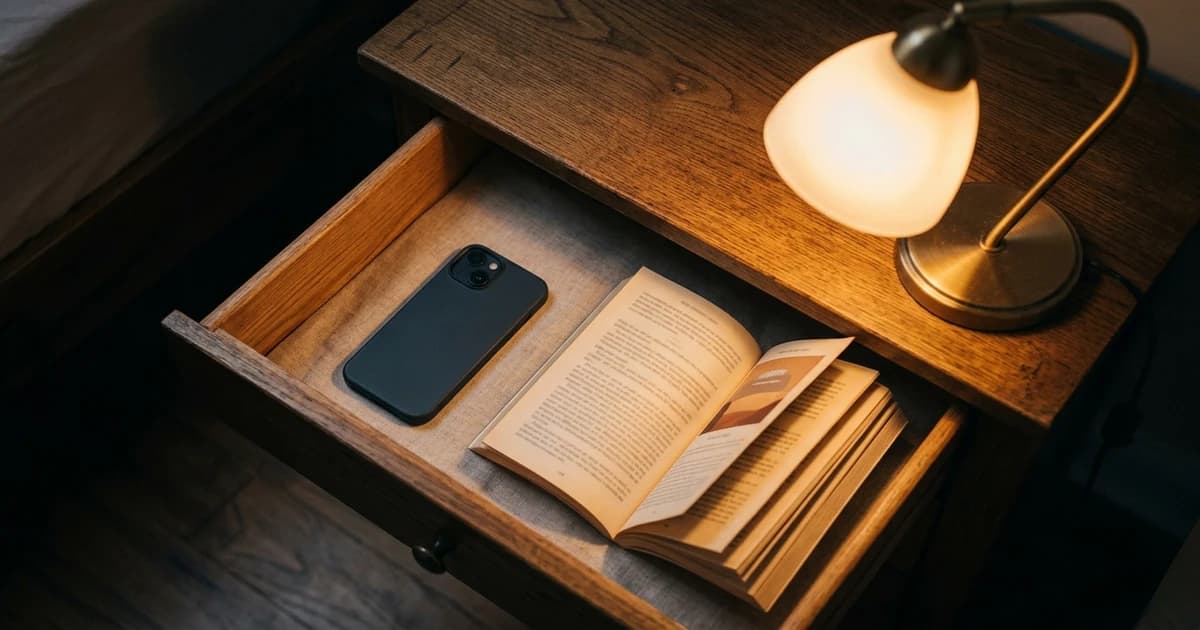
The 75 Soft challenge has four rules: eat well, train 45 minutes a day, drink 3 liters of water, read 10 pages. What you can drink, plus a daily plan.
Free U.S. shipping on orders $35+ · Subscribe & save
Focus

The 75 Soft challenge has four rules: eat well, train 45 minutes a day, drink 3 liters of water, read 10 pages. What you can drink, plus a daily plan.

To stop doomscrolling, add friction: a delay before apps open, grayscale, time caps, the phone in another room. Here is what trials actually measured.

Crashing out means losing emotional control, suddenly and hard. Here is the origin, real examples, and why tired, overstimulated people crash out more.

The yips are a sudden loss of a fine motor skill you already own. What the Mayo Clinic research found, what fixes have evidence, and where caffeine fits.

Brown noise vs white noise, compared by sound, evidence and volume. What a 13-study meta-analysis found, who noise helps, and how to test it yourself.

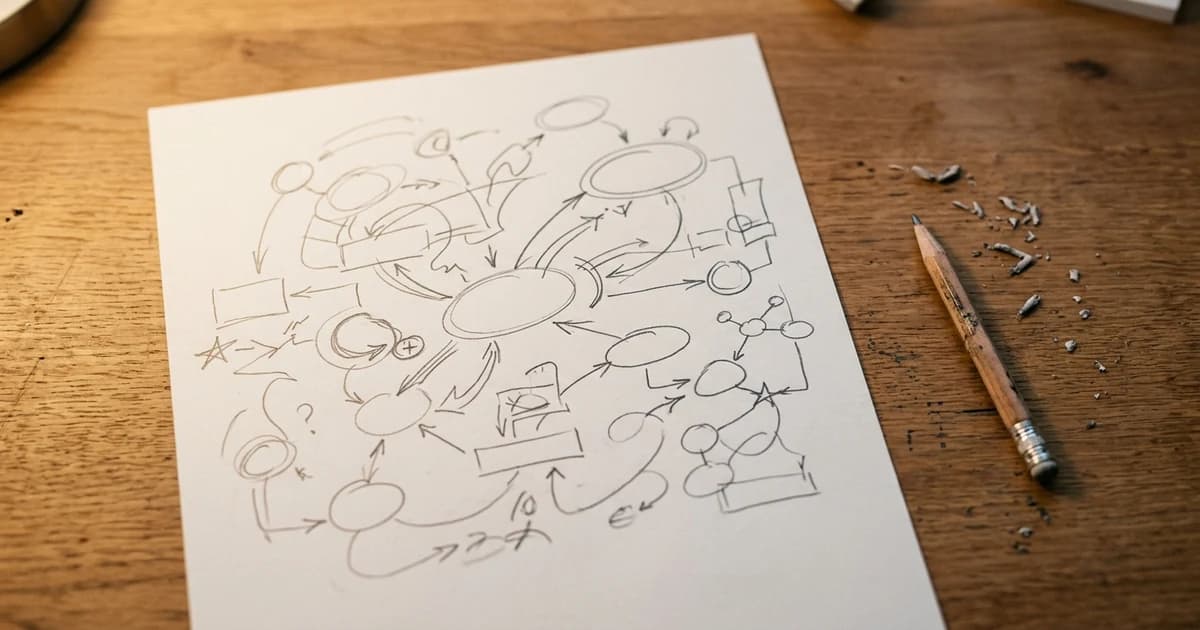
The Feynman Technique in four steps: pick a concept, explain it simply from memory, find the gaps, then refine. Worked example and the research behind it.

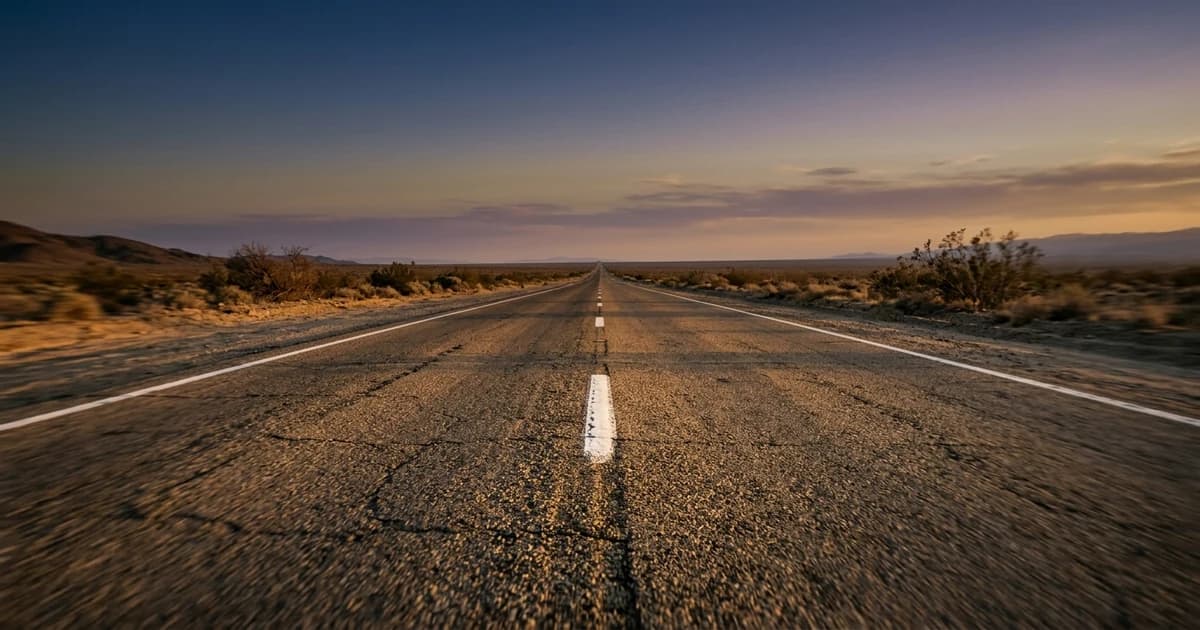
Highway hypnosis is driving for miles with no memory of it. Why monotony causes it, how to tell it from drowsy driving, and the only fixes that work.

Buck fever is an adrenaline surge that shakes your hands and scrambles your shot routine. What happens in your body and what steadies it in the stand.

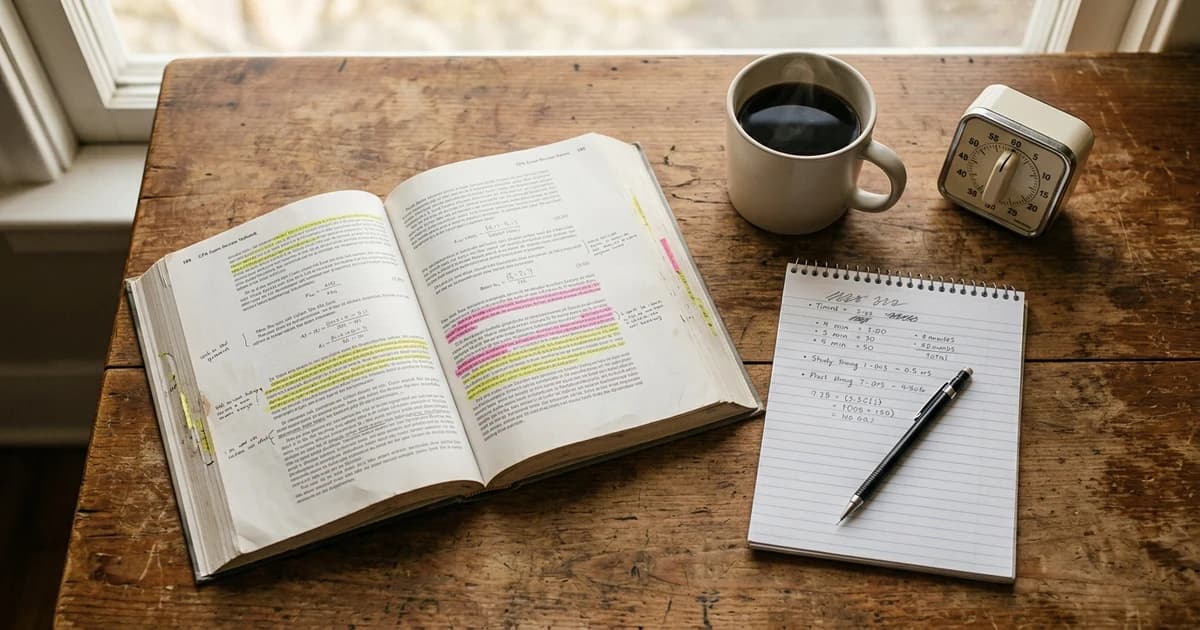
CPA, CFA, PMP, bar and MPRE days run 2 to 6 hours under strict break and locker rules. Session lengths, which breaks stop the clock, where one dose goes.

A 2010 TwoPlusTwo thread asked it. The answer is yes at high doses: 500 mg raised irritability over 250 mg in a crossover, and 250 mg tripled adrenaline.

Writing sprints are timed drafting bursts, usually 15 to 30 minutes, no editing. The rules, the 1k1h format, a four-sprint block and the setup.

Pomodoro for studying is 25 on, 5 off, four rounds, then a long break. What the break trials found, and where one caffeine dose fits in a 2-hour block.

Why reading puts you under: sleep pressure, monotony, posture, the afternoon dip. Nine fixes ranked by speed, for textbooks and bar prep.

NaNoWriMo closed in 2025; the 50,000-word November deadline did not. A week-by-week energy schedule for 1,667 words a day, caffeine timed to the block.

A 7-day midterm study plan built on spacing and retrieval practice, with caffeine timed to the exam instead of the cram and a hard cutoff for sleep.

Ten ways to stay awake in a meeting when you cannot move, snack or leave, sorted for the conference room and for Zoom with the camera on.

Fourteen ways to stay awake at work without coffee, sorted by what you can do at your desk, plus a comparison of caffeine that skips the cup.

Gum keeps a player's mouth busy through three hours of waiting, and small studies say chewing lifts alertness briefly. History, science, and the limits.

75 Hard, Winter Arc, and the Great Lock In compared on rules, length, restart policy, and what each does to your caffeine and sleep, in one table.

Winter Arc runs October 1 to December 31, 2026. Here are the rules people actually set, how it differs from the Great Lock In, and a daily template.

Jet lag is circadian, travel fatigue is cumulative. Use this quick self-test to tell them apart, then see what actually fixes each one.

40 things to give up for Lent 2027, plus what really happens to your energy when you cut coffee, alcohol, sugar, or social media for 40 days.

An hour-by-hour plan for the day after no sleep: timed caffeine, one short nap, and why driving is genuinely dangerous right now.

Oxford named brain rot its 2024 Word of the Year after 37,000 votes. Here is what the term means, what research exists, and what it is not.