Sober October: Rules, What Changes Week by Week, and How to Stay Sharp Without a Drink
Sober October: Rules, What Changes Week by Week, and How to Stay Sharp Without a Drink
Sober October is a 31-day challenge: no alcohol from October 1 through October 31. It started in 2014 as Macmillan Cancer Support's "Go Sober for October" fundraiser in the UK, then crossed the Atlantic when Joe Rogan and fellow comedians turned it into a podcast challenge in 2017. Today it sits alongside Dry January as one of the two calendar-based sobriety challenges most people actually recognize.
Key Takeaways
- Sober October is 31 days with no alcohol. A "Golden Ticket" buys one night off with a charity donation.
- Week 1 is the hardest: sleep fragments, energy dips, and restlessness peak before the body adjusts.
- By day 30, clinical data shows measurable drops in liver stiffness, insulin resistance, blood pressure, and BMI.
- Finishing is harder than starting. Non-completion of Dry January nearly doubled year over year in 2026, so build a replacement ritual early.
Before You Start
If you drink daily and heavily, stopping abruptly can cause withdrawal symptoms that range from uncomfortable to dangerous. Talk to a doctor before going cold turkey. This guide is for moderate drinkers taking a planned month off, not for managing alcohol dependence.
Baseline yourself before October 1. Write down your typical weekly drinks, sleep quality (1 to 10), weight, and blood pressure. You will want those numbers at day 31.
Step 1: Learn the Rules (They Are Simpler Than You Think)
Per Macmillan's official page: sign up, stop drinking for the month, and ask friends and family to sponsor you. The money goes to Macmillan Cancer Support.
The Golden Ticket. Got a wedding or birthday you cannot skip? Buy a Golden Ticket for a minimum £15 donation and take one night off. Pressure valve, not loophole.
What counts as "alcohol"? Macmillan does not publish an ABV cutoff. Most participants follow the regulatory line: anything under 0.5% ABV is classified as non-alcoholic by FDA and TTB. NA beer, NA wine, and kombucha under 0.5% are fair game.
| Detail | Rule |
|---|---|
| Duration | October 1 through October 31 (31 days) |
| Alcohol allowed | None (0.5% ABV and under is the common NA threshold) |
| Golden Ticket | One night off for a minimum £15 charity donation |
| Fundraising | Optional but encouraged (Macmillan Cancer Support) |
| Who can join | Anyone, anywhere; UK-based charity, global participation |
Step 2: Prepare for Week 1 (The Hard Part Most Guides Skip)
Week 1 is when most people quit the quit. Sleep gets worse before it gets better, and almost nobody warns you about that.
Alcohol suppresses REM sleep. Remove it, and your brain rebounds hard: fragmented sleep, vivid dreams, a wired-but-exhausted restlessness. Sleep problems are typically strongest during the first week and stabilize over weeks two through four.
The energy dip is real too. If your evening routine was "drink, get drowsy, fall asleep," your body needs time to relearn how to wind down without a sedative. Most people report noticeably better sleep by the end of week two.
What to do: Keep your wake time fixed. Skip extra caffeine after 2 p.m. If you need a nightcap ritual, try the TikTok "sleepy girl mocktail": tart cherry juice, magnesium powder, sparkling water. It is not a clinical sleep aid, but the ritual fills the gap.
Step 3: Track What Changes by Day 30
The best data comes from Mehta et al. (2018) in BMJ Open: moderate-to-heavy drinkers abstained for one month, compared against controls.
| Marker | Before | After 1 Month | Change |
|---|---|---|---|
| Liver stiffness (kPa) | 4.79 | 4.19 | Down ~12.5% |
| Insulin resistance (HOMA, IU) | 1.57 | 1.13 | Down ~28% |
| Systolic blood pressure | Baseline | Reduced | Down ~5.6% |
| BMI | Baseline | Reduced | Down ~2.6% |
The control group showed no meaningful change. These are not permanent transformations, but they are proof your body responds quickly to even a single month off.
For a deeper look at the Dry January version of this data, see what a month off shows.
Step 4: Solve the "What Do I Drink?" Problem
The hardest moment is standing at a bar with friends and having no answer ready. Non-alcoholic beer and spirits are the simplest swap. The category was on track to exceed $1 billion in US off-premise retail sales by the end of 2025, with 22% growth, so most bars now carry real options.
The mocktail route. Soda water, grapefruit juice, a sprig of mint. The ritual matters more than the ingredients. Coffee and energy drinks are the most common substitute, and the most over-used one.
Step 5: Avoid the Caffeine Trap
The instinct when you cut alcohol is to lean harder on caffeine. More espresso, an energy drink at 4 p.m., another coffee after dinner. Caffeine is a stimulant, not a replacement for relaxation. The NIAAA notes that caffeine does not counteract alcohol's effects on decision-making or coordination. The same logic applies when you swap one stimulant habit for another: more caffeine is not a fix for removing alcohol. Over-caffeinating leaves you anxious and sleeping poorly, which is exactly what you are trying to fix in week 1.
Keep caffeine to the morning and early afternoon, stay under 400 mg per day (the FDA's general guidance), and find a non-stimulant evening ritual.
Step 6: Know You Are Not the Only One
Gallup's 2025 data shows the share of US adults under 35 who drink at all fell to 50%, down from 59% in 2023 and 72% in the early 2000s. The sober curious movement is mainstream, and Sober October is one of its most visible on-ramps.
Starting is easier than finishing, though. CivicScience found that Dry January non-completion nearly doubled from 12% in 2025 to 20% in 2026, with 49% of Gen Z participants failing to finish. Sober October faces the same math. A replacement ritual and knowing week 1 is the bottom are what get you to day 31.
Common Mistakes That End a Sober October Early
- White-knuckling it. Replace the ritual, do not just subtract it.
- No plan for social pressure. Decide what you will order before you arrive. "I'll figure it out" precedes most failures.
- Ignoring the sleep dip. If you do not expect week 1 to be rough, you will blame sobriety itself and quit.
- Skipping the Golden Ticket. One planned night off beats an unplanned collapse on day 12.
- Over-caffeinating. Swapping one stimulant pattern for another does not produce the clarity you signed up for.
Conclusion: What 31 Days Without Alcohol Actually Proves
A month without drinking is not a cure. It is a controlled experiment on yourself. The Mehta et al. data shows your liver, insulin sensitivity, blood pressure, and BMI respond within weeks. Sleep gets worse before it gets better, but it does get better. The social discomfort of ordering a soda water at happy hour fades faster than you expect, partly because half the people under 35 are not drinking either.
The real value is information. After 31 days you know what your baseline feels like without alcohol, and that makes every future decision about drinking a more honest one. For what the research says about continuing past day 31, read what happens after day 31.
Frequently Asked Questions
Is Sober October still a thing?
Yes. It runs every year through Macmillan Cancer Support and has broad informal participation worldwide. The Joe Rogan podcast challenges (2017 onward) gave it US visibility, and Gallup's 2025 data showing record-low drinking rates among young adults suggests the trend is accelerating.
What are the official Sober October rules?
Sign up through Macmillan's Go Sober site, abstain from alcohol for all of October, and raise money for cancer support. A Golden Ticket (minimum £15 donation) buys one night off. Most participants follow the 0.5% ABV industry standard for what counts as "non-alcoholic."
What is the hardest week of Sober October?
Week 1. Sleep disruption, restlessness, and low energy peak in the first five to seven days as your body adjusts to the absence of alcohol's sedative effect. Most people feel noticeably better by mid-week two.
Does non-alcoholic beer count as drinking?
By the convention most participants use, no. Beverages under 0.5% ABV are classified as non-alcoholic by US regulators (FDA and TTB). Most NA beers fall well below that line.
What are the Sober October benefits?
The best clinical evidence (Mehta et al., BMJ Open 2018) found that one month of abstinence reduced liver stiffness by ~12.5%, insulin resistance by ~28%, systolic blood pressure by ~5.6%, and BMI by ~2.6% in moderate-to-heavy drinkers. Sleep and energy improvements take one to two weeks to appear.
How is Sober October different from Dry January?
The rules are essentially the same rules applied to a different month. Sober October has a formal charity structure (Macmillan Cancer Support); Dry January is associated with Alcohol Change UK. October avoids the post-holiday guilt framing of January.
Can I do Sober October if I only drink socially?
Yes. Social-only drinkers often find it easier physically but harder on social pressure. Having an NA drink order ready and telling friends in advance removes most of the friction.
What should I drink instead of alcohol during Sober October?
NA beer, NA spirits, mocktails, sparkling water with citrus, or the "sleepy girl mocktail" (tart cherry juice, magnesium powder, sparkling water) for evenings. The key is a specific replacement ritual, not an empty hand at the bar.
A Sharper October, Without the Jitters
If one of the goals of your Sober October is staying sharp, focused, and social without alcohol, the caffeine trap is the thing to watch. The fix is not more caffeine. It is better caffeine.
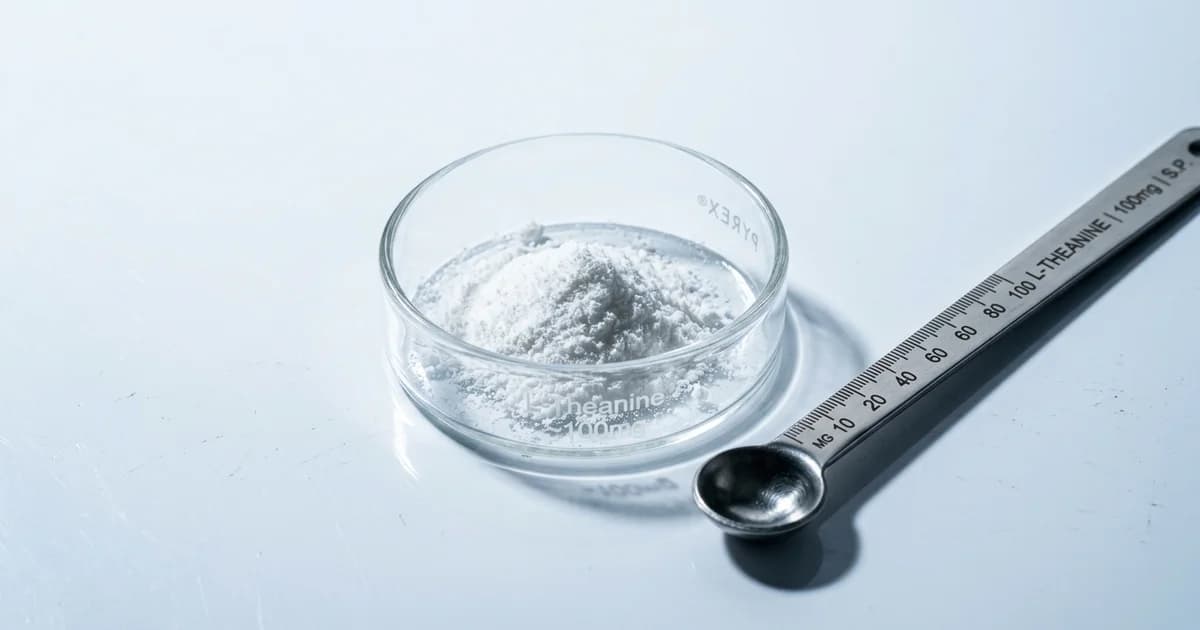
Roon is a zero-nicotine oral pouch with 80 mg of caffeine (about one small coffee) paired with L-theanine, methylliberine (Dynamine), and theacrine (TeaCrine). Methylliberine slows caffeine clearance, so the felt window runs 6 to 8 hours instead of coffee's typical 3 to 4, without a larger dose. That matters during a month when you are trying to avoid the anxious morning-after feeling and do not want to replace it with caffeine jitters.
Roon is not a sobriety tool and has nothing to do with alcohol. It is a caffeine pouch for sustained focus, which happens to be useful when your old 5 p.m. ritual disappears for 31 days. Tins start from $9.16 each on a subscription. The trade-off for a longer half-life is real: stop at least 8 hours before bed, or you will undo the sleep gains you worked for in week 1.
Related from Roon
Written by Roon Team