Best Energy Drink to Stay Awake: Ranked by Caffeine per Ounce, Crash Risk, and Duration
Best Energy Drink to Stay Awake: Ranked by Caffeine per Ounce, Crash Risk, and Duration
Short answer: A zero-sugar 200 mg can (Celsius, Alani Nu, Ghost, C4) is the best energy drink to stay awake: enough for a 3 to 5 hour block, under the FDA's 400 mg daily guide. Bang and Reign (300 mg) last longer but crowd that limit, and 5-hour Energy Extra Strength (230 mg in 1.93 oz) hits fastest.
The best energy drink to stay awake depends on two numbers most lists ignore: milligrams of caffeine per can (total dose) and milligrams per ounce (concentration, which controls how fast it hits). The highest caffeine concentration in a mainstream product is 5-hour Energy Extra Strength at roughly 119 mg/oz. The highest total dose in a full-size can is 300 mg, shared by Bang and Reign. Everything else falls in between, and the gap matters more than the branding.
Below is a full energy drink caffeine comparison, sorted by concentration, with crash risk and realistic duration for each. Every number comes from the brand's own label or product page.
Key Takeaways
- Concentration beats total dose if you need alertness fast. A 1.93 oz shot at 119 mg/oz delivers caffeine faster than a 16 oz can at 12.5 mg/oz, even if the can has more total caffeine.
- 300 mg is the practical ceiling for widely distributed canned energy drinks. Two of the best-known products sit there: Bang and Reign.
- The 200 mg tier is crowded. Celsius, Alani Nu, Ghost, C4, and Prime all land at 200 mg per can, despite wildly different marketing.
- Crash risk tracks sugar content and dose size, not brand. A zero-sugar 200 mg drink crashes you less than a sugared 160 mg one.
- The FDA's general guidance is that up to 400 mg per day from all sources is not associated with adverse effects in most healthy adults. Two 200 mg cans puts you at the limit.
Energy Drink Caffeine Comparison Table
| Drink | Caffeine (mg) | Size (oz) | mg per oz | Sugar | Crash Risk |
|---|---|---|---|---|---|
| 5-hour Energy Extra Strength | 230 | 1.93 | ~119 | 0 g | Low |
| 5-hour Energy Regular | 200 | 1.93 | ~104 | 0 g | Low |
| CELSIUS Essentials | 270 | 16 | 16.9 | 0 g | Moderate (high dose) |
| Bang Energy | 300 | 16 | 18.75 | 0 g | Moderate (high dose) |
| Reign Total Body Fuel | 300 | 16 | 18.75 | 0 g | Moderate (high dose) |
| CELSIUS Original | 200 | 12 | 16.7 | 0 g | Low |
| Alani Nu Energy | 200 | 12 | 16.7 | 0 g | Low |
| Prime Energy | 200 | 12 | 16.7 | 0 g | Low |
| Ghost Energy | 200 | 16 | 12.5 | 0 g | Low |
| C4 Energy | 200 | 16 | 12.5 | 0 g | Low |
| Monster Energy Original | 160 | 16 | 10 | 54 g | High |
| Rockstar Original | 160 | 16 | 10 | 63 g | High |
| Red Bull | 80 | 8.4 | 9.5 | 27 g | Moderate |
Sorted by mg per ounce descending. Crash risk reflects sugar content and total caffeine dose, not subjective reviews.
How we compared these drinks
Caffeine, can size and sugar come from each brand's label or product page, linked in the sections below; mg per ounce is caffeine divided by can size. Crash risk is a rule, not a taste test: sugar content plus total dose. We did not lab-test or use any competitor product, and prices are left out where the brand does not publish one. Roon makes a competing product, the caffeine pouch in section 6.
1. Highest Caffeine Concentration: 5-hour Energy Extra Strength
If the question is "which energy drink has the most caffeine per sip," the answer is 5-hour Energy Extra Strength at roughly 119 mg/oz. That is 10x the concentration of a Red Bull.
The catch: it is a 1.93 oz shot, not a drink you sip over 30 minutes. The entire 230 mg hits your system in under a minute. For shift workers or drivers who need fast-onset alertness, that speed is the feature. For anyone who prefers to pace their intake, a shot removes that option.
Best for: Fast onset, maximum portability. Night shift, long drives. Watch out for: 230 mg absorbed in seconds can cause jitters in caffeine-sensitive people. The Regular Strength (200 mg, ~104 mg/oz) is still twice as concentrated as any full-size can.
2. Highest Total Dose: Bang Energy and Reign Total Body Fuel (300 mg)
Bang Energy and Reign Total Body Fuel both deliver 300 mg of caffeine in a 16 oz zero-sugar can, hitting 18.75 mg/oz. That is 75% of the FDA's 400 mg daily general guidance in a single can.
Both are sugar-free, so the crash risk comes from the caffeine dose itself rather than a blood sugar spike. At 300 mg, adenosine rebound is real: once the caffeine clears (roughly 5 to 6 hours for the average adult, based on caffeine's mean plasma half-life), the backlog of adenosine your brain has been blocking floods in. That is the "crash" people describe, and it scales with dose.
Best for: Sustained, high-intensity alertness over several hours. Gaming marathons, all-night study sessions. Watch out for: One can is 300 mg. If you also drink coffee, you are likely over 400 mg before lunch.
3. The 200 mg Middle Tier: Celsius, Alani Nu, Ghost, C4, Prime
This is where most "wellness" and "fitness" energy drinks actually land: CELSIUS Original (200 mg/12 oz), Alani Nu (200 mg/12 oz), and Prime Energy (200 mg/12 oz). All zero sugar. All 200 mg.
Then there are the 16 oz cans at the same total dose but lower concentration: Ghost Energy (200 mg/16 oz) and C4 Energy (200 mg/16 oz). All zero sugar. All 200 mg.
The difference is concentration. Celsius, Alani Nu, and Prime pack 200 mg into 12 oz (16.7 mg/oz), so you absorb it faster than a 16 oz Ghost or C4 (12.5 mg/oz). Same total dose, different delivery curve. Wondering about the health tradeoffs? Here is a deeper look at whether Celsius is bad for you.
These drinks match the caffeine dose in a standard stay-awake pill (most contain 200 mg). The liquid just costs more and tastes better.
Best for: The broadest audience. Enough caffeine for a study session or deep work block without flirting with the 400 mg ceiling. Watch out for: These are all the same caffeine dose despite very different branding. Pick by taste, price, or added ingredients (Celsius has green tea extract; C4 has beta-alanine), not perceived "strength."
4. The Classics: Red Bull, Monster, and Rockstar
Red Bull delivers 80 mg per 8.4 oz can (9.5 mg/oz). Monster Original and Rockstar Original each deliver 160 mg per 16 oz can (10 mg/oz). Lower concentration, lower total dose.
The bigger issue with Monster and Rockstar Original is sugar. Monster Original contains 54 g and Rockstar Original 63 g per can. That sugar spikes blood glucose, triggers an insulin response, and can drop you below baseline 1 to 3 hours later. The caffeine itself lasts, but the perceived crash arrives early because the sugar crash layers on top of it.
Red Bull at 80 mg is closer to a cup of coffee. Zero-sugar versions of all three exist and cut the crash problem, though the caffeine dose stays the same. For more on those, see Red Bull alternatives without the crash.
Best for: Light alertness, short tasks, people who find 200+ mg too intense. Watch out for: The sugar-loaded originals. If staying awake is the goal, sugar-free versions do the same job with less crash risk.
5. What Actually Determines Crash Risk and Duration
Two variables matter more than which logo is on the can.
Sugar content. A zero-sugar energy drink eliminates the blood glucose spike-and-crash cycle entirely. That single variable explains most of the difference between "I crashed hard" and "it just faded." If you are choosing specifically for staying awake, pick zero sugar every time.
Total caffeine dose. Caffeine's mean half-life in healthy adults is about 5 hours, meaning half of a 200 mg dose is still circulating at the 5-hour mark. Higher doses stay above the "felt" threshold longer, but they also produce a steeper adenosine rebound once they finally clear. A 300 mg dose keeps you alert longer than 80 mg, but the landing is rougher.
There is no trick to avoid this entirely. But zero sugar plus a moderate dose (150 to 200 mg) is the lowest-crash combination available in a canned energy drink. For a longer look at escaping the cycle, see energy drink alternatives without the crash.
6. A Different Format: Roon (80 mg, No Can, No Sugar)
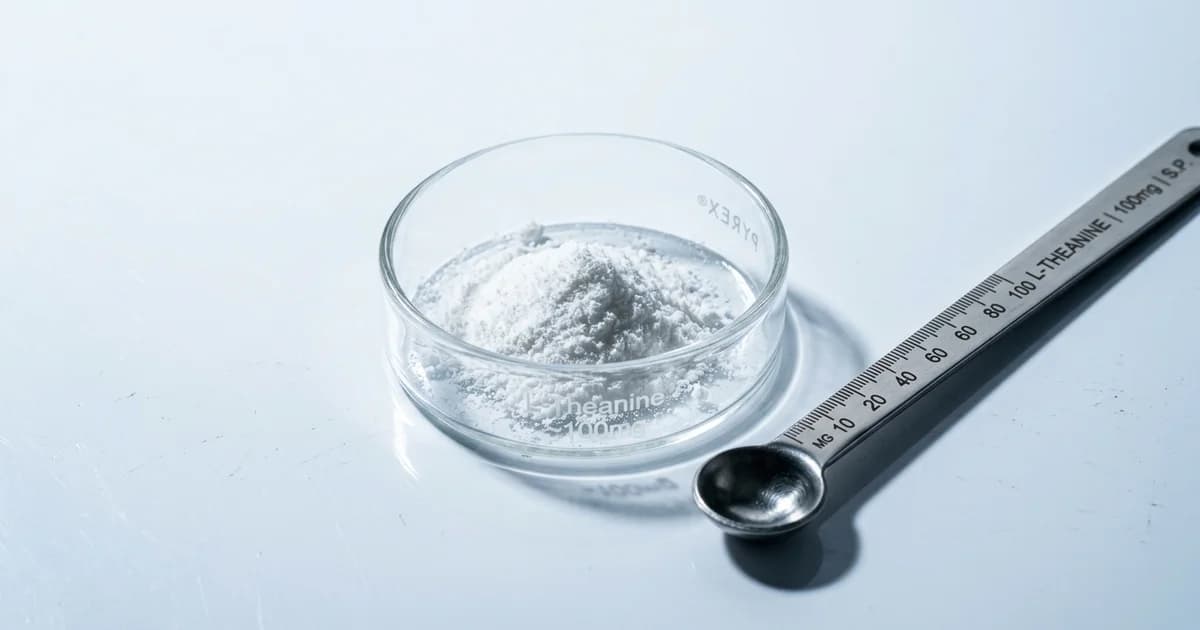
Not everyone wants a drink. Roon is a zero-nicotine oral pouch, not an energy drink. Each pouch contains 80 mg of caffeine alongside L-theanine, methylliberine (Dynamine), and theacrine (TeaCrine) in a sublingual format that onsets in 5 to 10 minutes with a felt window of 6 to 8 hours.
At 80 mg of caffeine, Roon is not a substitute for a 300 mg Bang or even a 200 mg Celsius. It is closer to a Red Bull in total dose. The difference is the delivery: no liquid, no sugar, no calories, and no can to carry. For hands-free ways to stay awake during lectures, long flights, or situations where cracking a can is not practical, the format matters as much as the dose.
Starting from $9.16 per tin (15 pouches), that is as little as $0.61 per pouch.
7. How to Choose Based on How Long You Need to Stay Awake
1 to 2 hours (quick burst). Red Bull (80 mg) or a 5-hour Energy Regular (200 mg) if you want it fast. Low dose means less lingering caffeine when you are ready to sleep.
3 to 5 hours (study session, night shift first half). The 200 mg tier: Celsius, Alani Nu, Ghost, C4, or Prime. All zero sugar. Enough caffeine to carry you through without stacking a second drink.
6+ hours (all-nighter, cross-country drive). Bang or Reign at 300 mg. Understand that you are committing to a caffeine half-life that keeps meaningful levels in your blood for 10+ hours. Do not take these after mid-afternoon if you want to sleep that night.
Hands-free, no liquid. Roon at 80 mg if the situation does not allow a can or cup, and a moderate dose is enough.
In every case, zero sugar beats sugared if staying awake is the primary goal. The sugar crash undermines the caffeine before the caffeine is even halfway through its job.
Best Energy Drink for an All-Nighter Study Session
For an all-nighter, split one 200 mg zero-sugar can (Celsius, Alani Nu, Ghost or C4) into two halves a few hours apart rather than opening a 300 mg Bang at midnight. Two 200 mg cans is already 400 mg, the top of the FDA's daily guide, so a coffee on top pushes you past it. Caffeine's half-life is about 5 hours, so whatever you drink after 2 a.m. is still in your blood when you try to sleep the next day. For the full plan, see the all-nighter survival guide, and for a three-way look at study drinks, see energy drinks vs coffee vs a focus pouch for studying.
Picking the Right Caffeine for the Right Situation
The strongest energy drink to stay awake is not automatically the best one. A 300 mg Bang keeps you wired, but it also eats 75% of your daily caffeine budget in one sitting and produces a harder landing. A 200 mg Celsius or Ghost does the same job for most people, at lower cost to your sleep later. And for situations that just need a gentle nudge, 80 mg from a Red Bull or a non-drink format gets the job done without the commitment.
Match the dose to the duration you need, skip the sugar, and check the mg-per-ounce number, not just the brand name. Those three decisions matter more than anything on the label.
Frequently Asked Questions
What is the strongest energy drink to stay awake?
By caffeine per ounce, 5-hour Energy Extra Strength leads at roughly 119 mg/oz (230 mg in 1.93 oz). By total caffeine per can, Bang and Reign tie at 300 mg per 16 oz can. "Strongest" depends on whether you mean concentration or total dose. Both matter, but concentration determines how fast the caffeine hits your bloodstream.
How much caffeine is too much in one day?
The FDA's general guidance is up to 400 mg per day from all sources for most healthy adults. That is roughly two 200 mg energy drinks, or one Bang plus a small coffee. If you are pregnant, nursing, or on medication, talk to your clinician before relying on any caffeine product.
Do energy drinks actually keep you awake?
Yes. Caffeine blocks adenosine receptors, which suppresses your brain's primary sleepiness signal. The effect is well-documented and dose-dependent. A 200 mg dose keeps most adults measurably more alert for 3 to 5 hours based on caffeine's roughly 5-hour half-life. Whether that translates to "staying awake" depends on your baseline fatigue.
Why do some energy drinks crash harder than others?
Two factors: sugar and dose. High-sugar drinks (Monster Original at 54 g, Rockstar Original at 63 g) cause a blood glucose spike followed by an insulin-driven drop 1 to 3 hours later. That sugar crash stacks on top of the caffeine wearing off. Zero-sugar drinks eliminate the glucose component entirely. Higher caffeine doses also produce a steeper adenosine rebound when the caffeine clears.
Is it safe to drink two energy drinks in a day?
Two 200 mg cans puts you at 400 mg, the upper end of the FDA's general guidance for healthy adults. Two 300 mg cans (600 mg total) exceeds it. If you are stacking drinks, track total milligrams across everything: coffee, tea, pre-workout, and energy drinks combined.
Are energy drinks better than coffee for staying awake?
Caffeine is caffeine. A standard 8 oz brewed coffee contains roughly 95 mg; a 200 mg energy drink delivers about twice that. Energy drinks offer standardized dosing and portability. Coffee costs less and has no additives. Neither is pharmacologically "better."
What are drinks to keep you awake without sugar?
Zero-sugar options include Bang (300 mg), Reign (300 mg), CELSIUS (200 mg), Alani Nu (200 mg), Ghost (200 mg), C4 (200 mg), Prime (200 mg), and sugar-free versions of Red Bull, Monster, and Rockstar. For a non-drink option, Roon delivers 80 mg caffeine per pouch with zero sugar and zero calories. See our full list of Red Bull alternatives without the crash.
Red Bull or Monster to stay awake?
Monster Original keeps you awake longer: 160 mg per 16 oz can versus Red Bull's 80 mg per 8.4 oz. Per ounce they are close (10 mg vs 9.5 mg), so Monster's edge is total dose. Both originals carry heavy sugar (54 g and 27 g), so the sugar-free versions are the better pick for a long night.
How long do energy drinks keep you awake?
Caffeine's mean plasma half-life is about 5 hours in healthy adults. A 200 mg dose drops to ~100 mg at 5 hours and ~50 mg at 10 hours. You will feel alertness for roughly 3 to 5 hours with a 200 mg dose, longer with 300 mg. Genetics, liver enzyme activity, smoking, and oral contraceptive use can shift the half-life in either direction.
Why 80 mg Might Be the Smartest Stay-Awake Dose You Have Not Tried
Most of this list sits between 200 and 300 mg because the energy drink market competes on dose size. Bigger number, bolder can. But if you actually track how caffeine works, an 80 mg dose paired with compounds that extend its clearance can cover more hours than a larger dose that spikes and fades.
That is the logic behind Roon. Each pouch pairs 80 mg of caffeine with methylliberine (Dynamine), which has been shown in a published PK study to slow caffeine's clearance at higher doses. A randomized, double-blind crossover PK study (n = 12) found that co-administering methylliberine with caffeine cut caffeine's oral clearance from 41.9 to 17.1 L/hr and extended its half-life from 7.2 to 15 hours, with no increase in peak concentration (study). Important context: that study used 100 mg methylliberine + 150 mg caffeine, doses substantially higher than Roon's formulation, so the effect at Roon's dose is directionally the same but likely smaller in magnitude. Roon's felt window is 6 to 8 hours, not 15.
L-theanine smooths the response (less jitter), and theacrine has shown reduced habituation in preclinical models compared to caffeine (study), though long-term human tolerance data remain limited. The tradeoff is real: a longer effective window means you should stop at least 8 hours before bed.
Roon is not a 300 mg energy drink replacement. It is a lower-dose, no-liquid, zero-sugar option for people who want to stay awake without committing to a can or a crash. Tins start from $9.16 (15 pouches). Try Roon if duration matters more to you than peak stimulation.
Related from Roon
- Is Celsius Bad for You?
- Energy Drink Alternatives Without the Sugar Crash
- The Caffeine Crash Cycle: Why More Coffee Makes the Afternoon Worse
- How to Stay Awake in Class
- Does 5-Hour Energy Actually Work? What the Trials Found
- How Many Energy Drinks Is Too Much? The 400 mg Math
- Caffeinated Water Ranked by Caffeine per Can (2026)
- Energy Drinks in the Military: Rip Its, Data, and the Rules
Written by Roon Team