The Finals Week Caffeine Spiral
Roon Team
The Finals Week Caffeine Spiral: Why Your Intake Keeps Climbing (and How to Break It)
Finals week caffeine consumption follows a predictable, self-reinforcing pattern: a normal cup or two on Monday becomes three or four by Wednesday, and by Thursday you are stacking energy drinks just to feel baseline. This happens because caffeine's interaction with sleep loss creates a compounding cycle, not because you lack willpower. A 2025 narrative review found that 67% of students report increasing their caffeine intake during exam periods, and a 2026 study of medical students during exams described the loop explicitly: students consume caffeine at night to study, sleep less, wake up more tired, and consume even more the next day.
The fix is not "just drink less coffee." It is redesigning your intake pattern so it stops compounding.
Key Takeaways
- Caffeine tolerance to cardiovascular and subjective effects can develop in as few as 1 to 4 days of repeated dosing, which means your Monday dose barely registers by Thursday.
- The real driver is the sleep-caffeine feedback loop: late caffeine delays sleep, shorter sleep increases fatigue, increased fatigue demands more caffeine.
- 400 mg per day is the FDA's general ceiling for healthy adults; many students blow past this by mid-week without tracking.
- A planned, flat-dose strategy with a hard cutoff time beats reactive top-ups, and choosing a longer-duration caffeine format reduces the number of re-dosing decisions that fuel the escalation.
Why Does Caffeine Intake Escalate So Fast During Finals?
It follows a three-part physiological loop that tightens over four to five days, mapping almost exactly onto a typical finals schedule.
Part 1: Tolerance Builds Within Days, Not Weeks
Most people assume caffeine tolerance takes months to develop. The research says otherwise. A study in the Journal of Clinical Investigation found that near-complete tolerance to caffeine's effects on blood pressure, heart rate, and plasma catecholamines developed within just 1 to 4 days of chronic dosing. The cup of coffee that felt sharp on Sunday night is already producing a blunted response by Tuesday morning.
A 2018 PLOS ONE study confirmed this: 20 consecutive days of moderate dosing (3 mg/kg), with ergogenic effects diminishing over time. During finals, you are compressing this tolerance curve into the exact window where you need caffeine to work the hardest.
Part 2: The Sleep-Caffeine Feedback Loop
Caffeine's average half-life in healthy adults is roughly 5 hours, with individual variation from about 1.5 to 9.5 hours. That 8 PM energy drink? At 1 AM, half of it is still circulating.
A 2013 study by Drake et al. in the Journal of Clinical Sleep Medicine (Vol. 9, No. 11) demonstrated that 400 mg of caffeine consumed six hours before bedtime still reduced total sleep by over an hour. Participants often did not even realize their sleep had been disrupted. You wake up feeling terrible and blame the stress, not the coffee.
The 2026 Mauritius study described this pattern explicitly: caffeine consumption after 6 PM was strongly linked to longer sleep latency among medical students during exams. They would sleep fewer hours, wake exhausted, and reach for more caffeine earlier the next day.
Part 3: Reactive Dosing Makes It Worse
The final accelerant is behavioral. When coffee or an energy drink wears off in 2 to 3 hours, you face a decision: keep studying while tired, or have another one. During finals, the answer is almost always another one. Each reactive top-up pushes your total daily intake higher and delays sleep onset further.
By day three or four, many students are consuming well beyond the FDA's general guidance of 400 mg per day for healthy adults. Two 16 oz energy drinks plus a morning coffee puts you at 400 to 700 mg, and that is before the late-night "just one more."
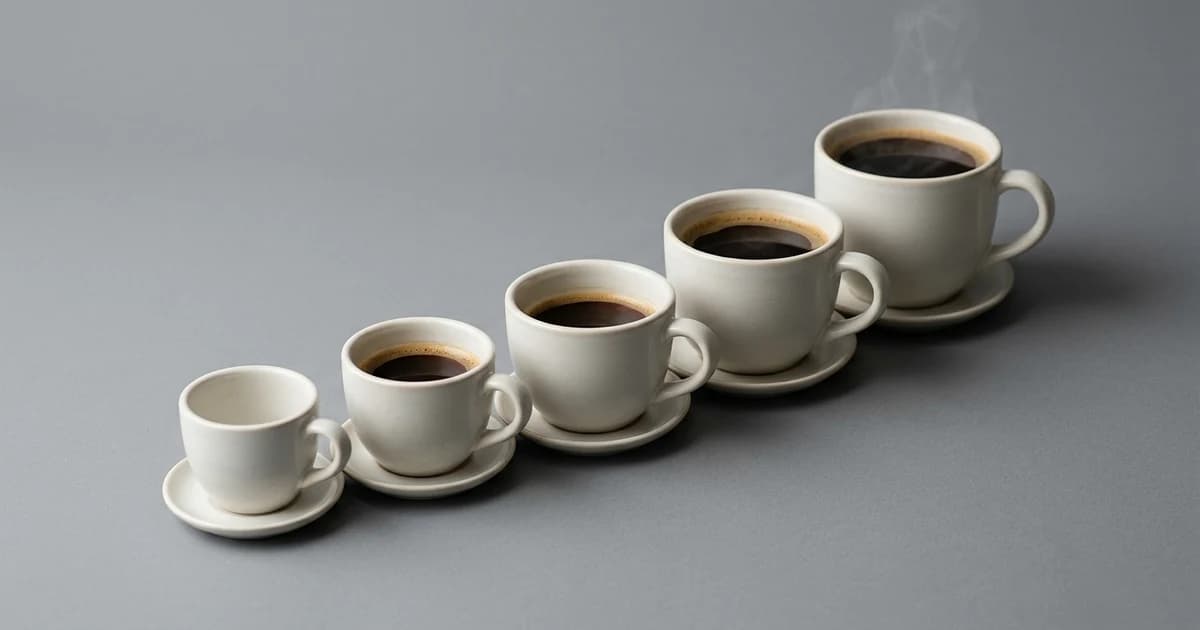
What Does 400 mg of Caffeine Actually Look Like?
Most people have no idea how fast they hit the ceiling:
| Source | Typical Caffeine (mg) | How Many to Hit 400 mg |
|---|---|---|
| 8 oz brewed coffee | ~95 | ~4 cups |
| 16 oz cold brew | ~200 | 2 cups |
| 12 oz Red Bull | ~111 | ~3.5 cans |
| 16 oz Monster Energy | ~160 | 2.5 cans |
| Standard caffeine pill | 200 | 2 pills |
| Roon pouch | 80 | 5 pouches |
The issue is not any single source. It is stacking them reactively across a 16-hour study day without tracking.
How to Break the Finals Week Caffeine Spiral
The goal is not to eliminate caffeine. It is to stop the compounding by shifting from reactive dosing to a planned, flat intake pattern that protects your sleep.
Step 1: Set a Fixed Daily Dose and Stick to It
Pick a caffeine budget for the week and do not increase it day over day. If you normally function well on 200 mg, hold at 200 mg. If you need more for finals intensity, 300 mg is a reasonable ceiling that still leaves headroom below the 400 mg FDA guidance. Write it down. The moment you start "just having one more" without tracking, the spiral begins.
Step 2: Set a Hard Cutoff Time
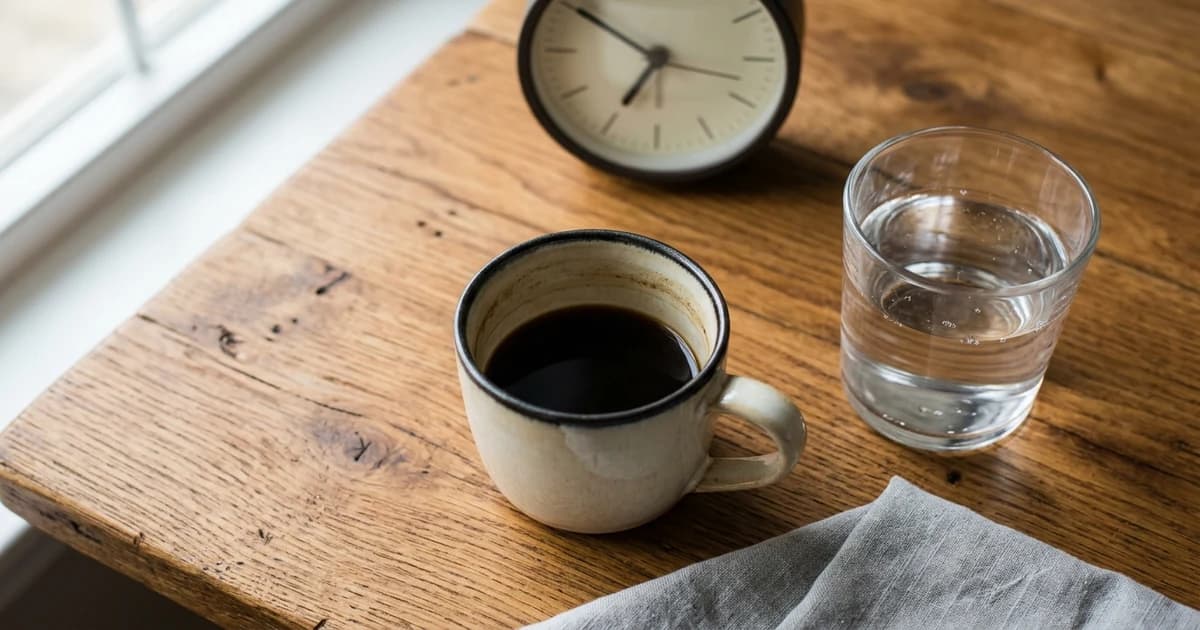
Based on the Drake et al. findings, caffeine consumed even 6 hours before bed costs you over an hour of sleep. If you need to be asleep by midnight, your last caffeine should be no later than 6 PM. This is the single most effective change you can make. Protecting sleep protects the next day's baseline, which means you need less caffeine tomorrow, not more.
Step 3: Front-Load Your Caffeine
Take your caffeine early in the study session, not in the last few hours. A morning or early-afternoon dose gives you peak support during your best study window and clears enough by bedtime to let you sleep. Late-night caffeine borrows against tomorrow.
Step 4: Choose Fewer, Longer-Duration Doses Over Frequent Short Ones
Every time a short-acting caffeine source wears off, you face a re-dosing decision. Four of those decisions per day is four chances to escalate. A single dose with a longer effect window (6 to 8 hours instead of 2 to 3) removes those mid-session decision points entirely. You take it once, it carries you through the study block, and you are done. This is a format question, not a willpower question.
If you also want to fix how you are studying, not just how wired you feel, Roon's guide to cramming smart during finals covers active recall, spaced repetition, and why all-nighters hurt memory consolidation.
The Exam-Day Crash: What the Spiral Costs You When It Matters Most
The worst part of the spiral is not how you feel on Wednesday. It is how you feel on Friday when you sit down for the exam.
By then, you have accumulated a sleep debt and several days of caffeine tolerance. The dose that felt sharp on Monday barely gets you to baseline. If you over-caffeinate in a last-ditch effort, you get jitteriness and anxiety instead of focus, because high-dose caffeine past the tolerance inflection point amplifies arousal without improving cognitive precision. The 2026 Mauritius study noted that students reported prolonged post-examination sleeping difficulty consistent with caffeine withdrawal. The spiral's effects extended well beyond the last exam.
Summing Up the Science of the Finals Week Caffeine Spiral
The finals week caffeine spiral is a physiological feedback loop, not a character flaw. Tolerance develops in days. Late caffeine steals sleep. Lost sleep drives higher intake the next day. The cycle tightens until exam day, when you are running on fumes and jitters instead of actual alertness.
Breaking it requires three structural changes: a fixed daily dose that does not climb, a hard cutoff time at least 6 hours before bed, and a shift from frequent short-acting doses to fewer, longer-lasting ones. Decide your caffeine strategy before the week starts, not dose by dose at 11 PM.
Frequently Asked Questions
How quickly does caffeine tolerance develop during finals week?
Tolerance to caffeine's cardiovascular and subjective effects can develop in as few as 1 to 4 days of repeated dosing. During a 5-day finals stretch, the dose that felt effective on Monday may produce a noticeably blunted response by Wednesday or Thursday, prompting you to increase intake just to feel the same effect.
How much caffeine is too much during finals?
The FDA's general guidance is that up to 400 mg per day is generally not associated with dangerous effects in healthy adults. During finals, stacking is the problem: a morning coffee, an afternoon cold brew, and an evening energy drink easily puts you at 500+ mg without any single dose feeling excessive.
Why do I feel more anxious when I drink more coffee during exams?
High caffeine doses amplify sympathetic nervous system activation: faster heart rate, increased cortisol output, and heightened arousal. Past a certain threshold, this stops feeling like focus and starts feeling like anxiety, especially when compounded by sleep deprivation, which already raises baseline stress hormones.
What time should I stop drinking caffeine during finals week?
Based on the Drake et al. (2013) study, caffeine consumed 6 hours before bedtime still cut total sleep by over an hour. Set your cutoff at least 6 hours before you plan to fall asleep. Targeting a midnight bedtime? 6 PM is your hard stop.
Does caffeine actually help you study better?
At moderate doses (75 to 200 mg), caffeine reliably improves alertness, reaction time, and sustained attention. Beyond that range, returns diminish and side effects increase. Caffeine keeps you awake and attentive, but it does not improve memory encoding or reasoning on its own. Sleep does. Sacrificing sleep for more caffeine is a net negative trade.
Is it better to drink coffee or energy drinks during finals?
The source matters less than the dose and timing. Coffee, energy drinks, and caffeine pills all deliver the same molecule. What differs is concentration (a 16 oz cold brew has roughly twice the caffeine of a standard coffee) and how easily you stack multiple servings. Track total milligrams regardless of the source.
Can I "reset" my caffeine tolerance during finals week?
Not meaningfully. A full tolerance reset typically requires several days to two weeks of reduced or zero caffeine intake, which is not possible mid-finals. The better strategy is preventing the escalation in the first place: hold a flat dose, protect your sleep, and avoid the compounding cycle.
What is the caffeine-sleep feedback loop?
Late caffeine delays sleep onset, reduced sleep increases next-day fatigue, and increased fatigue drives higher caffeine consumption. Over a 4 to 5 day finals period, this loop can double or triple your daily intake while degrading the sleep quality your brain needs for memory consolidation and exam performance.
One Pouch, One Decision, One Fewer Reason to Spiral
The spiral gets worse each time you ask yourself "should I have another one?" That question comes up because short-acting caffeine sources wear off mid-study-session and leave you choosing between fatigue and re-dosing. Roon is designed to remove that decision point.
Each pouch delivers 80 mg of caffeine combined with 60 mg L-theanine, 25 mg methylliberine (Dynamine), and 5 mg theacrine (TeaCrine) in a sublingual format. The felt window stretches to 6 to 8 hours instead of coffee's typical 3 to 4 because methylliberine slows caffeine's oral clearance. In a randomized crossover PK study (n=12), co-administration with caffeine cut oral clearance from 41.9 to 17.1 L/hr and extended half-life from 7.2 to 15 hours, with no increase in peak concentration. Same peak, longer tail.
To be direct about what Roon does not do: it contains 80 mg of caffeine, so tolerance still develops with daily use just like any other caffeine source. It is not a substitute for sleep, and the extended half-life means you should not take it within 8 hours of bedtime. But if the problem is reactive stacking, one pouch at the start of a study block means one caffeine decision instead of four. At $0.61 per pouch on subscription, it costs less than the drinks it replaces.
Related from Roon
- How to Study for Midterms Without the Energy Drink Spiral
- Pomodoro Technique for Studying: Where the Caffeine Goes
Written by Roon Team