Why Am I So Tired on Semaglutide? (Compounded, Ozempic, Wegovy)

Why Am I So Tired on Semaglutide? (Compounded, Ozempic, Wegovy)
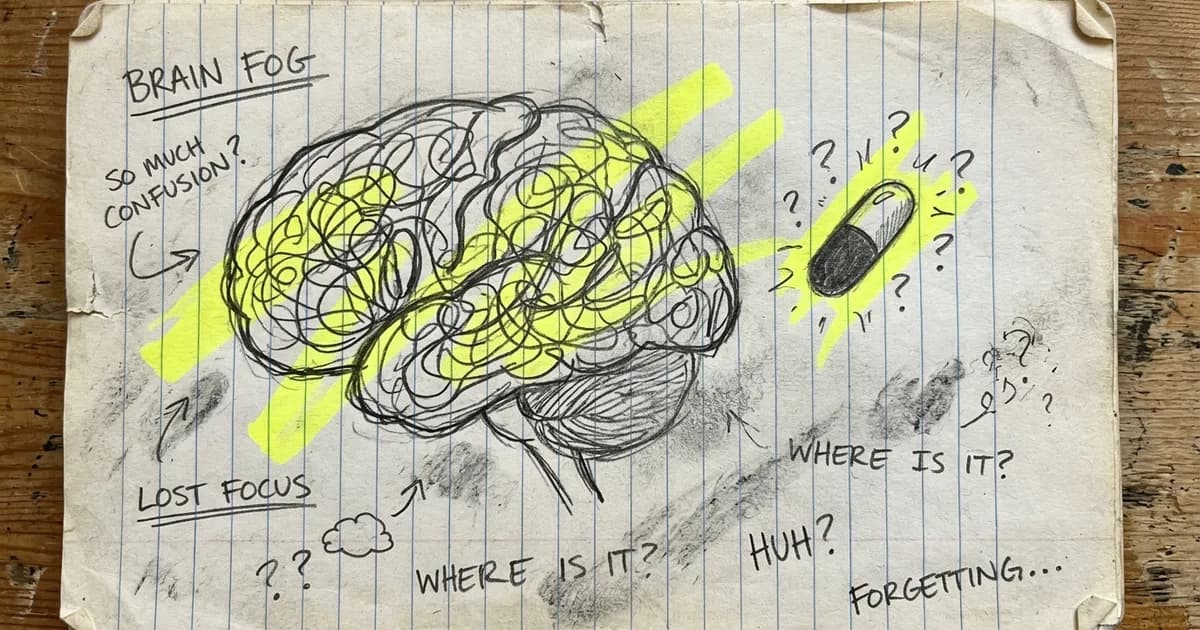
If you are wondering why am I so tired on semaglutide, the answer depends heavily on which form you are taking and at what dose. In Wegovy's clinical trials, 11% of patients on the 2.4 mg dose reported fatigue versus 5% on placebo, according to the FDA-approved label. Ozempic's label barely mentions it. And if you are on compounded semaglutide from a vial, a completely different risk, dosing errors, could be driving your exhaustion.
Below: the three distinct fatigue profiles for the same molecule, the shared mechanisms underneath them, and the question that keeps appearing on Reddit: "Why does caffeine hit harder now?"
Key Takeaways
- Wegovy lists fatigue at 11% in its FDA label. Ozempic lists it only as an uncommon adverse reaction with no published percentage.
- Compounded semaglutide carries a unique overdose risk: the FDA issued a July 2024 alert about patients injecting 5 to 10 times the intended dose from vials.
- Semaglutide does not appear to change how your liver metabolizes caffeine, but it can slow how fast caffeine reaches your bloodstream.
- If fatigue persists beyond the first 4 to 6 weeks of dose titration, talk to your prescriber about checking B12, ferritin, and vitamin D.
Ozempic vs. Wegovy: Same Molecule, Very Different Fatigue Visibility
Ozempic and Wegovy both contain semaglutide. The active ingredient is identical. The differences are indication, dose ceiling, and trial population, and those differences created two very different pictures of fatigue.
| Feature | Ozempic | Wegovy |
|---|---|---|
| Active ingredient | Semaglutide | Semaglutide |
| FDA indication | Type 2 diabetes | Chronic weight management |
| Max dose | 2 mg/week | 2.4 mg/week |
| Fatigue in label | Listed as "other adverse reaction" (no %) | 11% drug vs. 5% placebo |
| Source | Ozempic label | Wegovy label |
Ozempic's label groups fatigue alongside dysgeusia and dizziness as an adverse reaction reported without a specific incidence rate. Wegovy quantifies it as a common side effect affecting roughly one in nine patients. The likely explanation: Wegovy's obesity trials enrolled more patients at a higher max dose, and those patients were creating larger caloric deficits, which cause tiredness independent of the drug.
If you are on Ozempic and feeling exhausted, your experience is not invalid. It just was not captured with the same statistical resolution. For a broader view, see GLP-1 fatigue across all four drugs.
Compounded Semaglutide Fatigue: A Different Risk Profile
Compounded semaglutide is not a generic Ozempic. It is mixed by compounding pharmacies, typically in multi-dose vials without pen-style delivery devices. That matters because it introduces a dosing-error risk that branded products largely avoid.
In July 2024, the FDA issued a safety alert about compounded injectable semaglutide. Patients unfamiliar with drawing medication from vials were confusing milligrams, milliliters, and "units," leading some to inject 5 to 10 times the intended dose. Reported adverse events included nausea, vomiting, fainting, dehydration, and hospitalizations.
A poison center analysis covered by Drug Topics published in 2026 found that GLP-1 receptor agonist calls surged from roughly 1,000 to 1,500 per year pre-2021 to over 8,000 in 2023. Semaglutide's share of GLP-1-related calls rose to 64% by 2023. The two most common errors: injecting daily instead of weekly, and starting at the full dose instead of titrating up.
If you are on compounded semaglutide and feeling unusually tired, talk to your prescriber and pharmacist before assuming it is normal. Confirm your dose, syringe, and injection frequency are all correct.
The Shared Mechanisms Behind Semaglutide Fatigue
Regardless of brand or source, several overlapping factors explain semaglutide fatigue.
Caloric deficit. Semaglutide reduces appetite. You eat less. If your body runs on fewer calories than it needs, fatigue is the most predictable result.
Slowed gastric emptying. GLP-1 agonists delay how quickly food leaves the stomach. Glucose enters the bloodstream more gradually. For someone who relied on quick carbs for afternoon energy, the change feels like a wall.
GI fluid and electrolyte loss. Nausea, vomiting, and diarrhea are the most common semaglutide side effects. Losing fluids and electrolytes causes fatigue directly.
Micronutrient gaps. Eating less means absorbing fewer vitamins and minerals. Iron deficiency and low energy are linked even outside of GLP-1 use. B12 deficiency is an emerging concern with long-term GLP-1 treatment, and low vitamin D compounds the problem. These are testable and fixable, but only if your clinician checks.
Does Semaglutide Affect How Your Body Clears Caffeine?
The short answer: semaglutide probably did not change your caffeine metabolism.
Caffeine is primarily metabolized in the liver by CYP1A2. Semaglutide is broken down by proteolytic degradation, not liver cytochrome P450 enzymes. There is no established pharmacokinetic interaction between the two. Ozempic's drug-interactions section states that semaglutide did not affect the absorption of orally administered medications to any clinically relevant degree.
But there is a plausible explanation for why caffeine feels different. A 2022 study in Pharmacology Research & Perspectives found that semaglutide delayed gastric emptying of acetaminophen by about 5 minutes. Five minutes is small, and the researchers judged it not clinically relevant. Still, any delay in gastric emptying can shift the absorption curve of an oral substance, flattening the peak and extending the tail. For caffeine, that could mean a gentler onset and a longer perceived effect, especially in people who are already slow caffeine metabolizers due to CYP1A2 genetics.
If caffeine is hitting you differently on semaglutide, reduce your caffeine dose before assuming the interaction is pharmacological. The effect is more likely mechanical (slower stomach) than enzymatic. For more on how your genes set your caffeine limit, we have a full breakdown.
How Long Does Semaglutide Fatigue Last?
Semaglutide has an elimination half-life of approximately 7 days, which is why it is dosed once weekly. Steady-state blood levels build over the first 4 to 5 weeks at a given dose.
Most patients report that fatigue is worst during the first few weeks of a new dose and improves as the body adjusts. Because standard titration increases the dose every 4 weeks, you may feel multiple waves of tiredness, each tied to the next step up.
If fatigue persists beyond 4 to 6 weeks at a stable dose, flag it with your prescriber. It could reflect inadequate calories, a developing micronutrient deficiency, dehydration, or a dose that is too high for your body.
What Actually Helps
No shortcut exists for semaglutide fatigue, but these strategies address the most common root causes:
- Hydrate aggressively. GI side effects cause more fluid loss than most people realize.
- Prioritize protein. When total calories drop, protein determines whether you lose muscle (worsening fatigue) or preserve it. Many clinicians recommend at least 1.2 g per kg of body weight daily; ask your prescriber for a target based on your situation.
- Get labs checked. Ask your prescriber about B12, ferritin, and vitamin D. Cheap tests, clear thresholds.
- Do not overcorrect with caffeine. Doubling your coffee to fight GLP-1 fatigue often backfires when slowed gastric emptying extends how long each dose affects you. Steady beats escalating.
- Move, even when tired. Light resistance training and walking preserve muscle mass and improve subjective energy during caloric restriction.
The Energy Math on GLP-1 Drugs
Semaglutide fatigue is rarely one thing. It is a stack: caloric deficit, GI disruption, fluid loss, micronutrient gaps, and the psychological toll of appetite changes. Most of these are addressable. But addressing them requires lab work and honest conversations with your prescriber, not a single fix.
If fatigue is severe, sudden, or accompanied by fainting, confusion, or persistent vomiting, seek medical attention. These can be signs of overdose, severe dehydration, or a complication beyond normal adjustment.
Frequently Asked Questions
Does semaglutide affect caffeine?
No established pharmacokinetic interaction exists. Caffeine is metabolized by CYP1A2, and semaglutide does not interfere with that pathway. However, semaglutide slows gastric emptying, which can change how quickly an oral caffeine dose is absorbed. This may explain why some people feel caffeine "lasts longer" on a GLP-1 without the drug altering caffeine metabolism itself.
How long does semaglutide fatigue last?
Most patients find fatigue improves within 4 to 6 weeks at a stable dose. Because semaglutide is titrated upward every 4 weeks, you may experience new waves of tiredness with each increase. If it persists beyond 6 weeks at the same dose, talk to your prescriber about labs and caloric adequacy.
Is fatigue worse on Wegovy than Ozempic?
The labeled fatigue rate is higher for Wegovy (11%) than what Ozempic's label suggests, but this likely reflects the higher max dose (2.4 mg vs. 2 mg) and larger caloric deficits in Wegovy's trial population. Your individual experience depends on dose, diet, hydration, and baseline health.
Can compounded semaglutide cause worse fatigue?
It can if the dose is wrong. The FDA documented cases where patients injected 5 to 10 times the intended dose due to confusion between milligrams, milliliters, and "units." Overdose symptoms include severe nausea, vomiting, dehydration, and exhaustion. If you are on compounded semaglutide and suddenly feel much worse, contact your prescriber immediately.
What are semaglutide overdose symptoms?
Reported symptoms include severe nausea, vomiting, abdominal pain, fainting, headache, dehydration, and fatigue requiring hospitalization. If you suspect an overdose, contact poison control (1-800-222-1222 in the U.S.) or go to an emergency room.
Should I drink more coffee to fight semaglutide fatigue?
Probably not. Slowed gastric emptying can extend caffeine's effects, so increasing your intake often makes sleep worse and fatigue cyclical. Address the underlying causes first: hydration, protein, micronutrients, and adequate calories. For background on why caffeine lingers longer for some people, genetics play a role too.
Will semaglutide fatigue go away if I stop the medication?
Semaglutide's half-life is approximately one week, so blood levels take several weeks to fully clear. Fatigue tied to the drug should gradually resolve. Fatigue from nutritional deficiencies (B12, iron, vitamin D) developed during treatment will not resolve until those deficiencies are corrected.
When Fatigue Is About Fuel, Not the Drug
If you are on semaglutide and your energy has dropped, your first conversation should be with your prescriber. Get labs checked. Confirm your dose is correct, especially if you are drawing from a vial. Make sure you are eating enough protein and drinking enough water.
For people whose fatigue partly stems from caffeine overcorrection, drinking more coffee to compensate, sleeping poorly, then needing even more, a lower, steadier caffeine approach tends to work better. Roon delivers a fixed dose of caffeine in a zero-calorie, zero-sugar sublingual pouch with no liquid volume. It is not a fix for semaglutide fatigue. But for someone trying to keep caffeine controlled while appetite, hydration, and energy are in flux, a fixed dose removes one variable from the equation.
Talk to your prescriber first. Adjust the big levers, nutrition, hydration, labs, before thinking about caffeine format. For more on L-theanine, cortisol, and energy, or the tirzepatide comparison for Mounjaro users, we cover those separately.
Related from Roon
- GLP-1 fatigue across all four drugs
- Wegovy's labeled fatigue rate
- The tirzepatide comparison
- Iron deficiency and low energy
Written by Roon Team