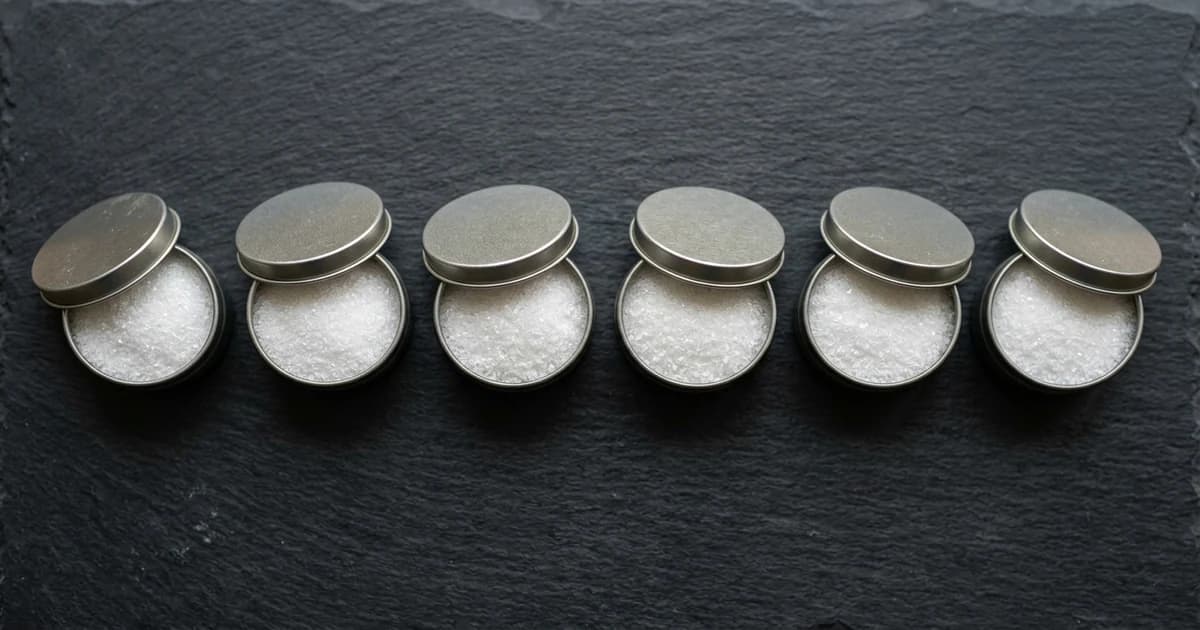
Ultra Pouches Review (2026): An Honest Take from a Competing Brand
Roon Team

Ultra Pouches Review (2026): An Honest Take from a Competing Brand
Short answer: Ultra pouches are a nicotine-free, caffeine-free oral pouch built around enfinity® paraxanthine, a primary metabolite of caffeine, plus L-theanine, alpha-GPC, panax ginseng, and B vitamins. The formula is genuinely differentiated and the reviews are strong, but each pouch runs short (roughly 1-2 hours) and Ultra publishes no milligram amount for any ingredient in the Focus pouch. If you want a longer, multi-compound profile with full dosing, Roon is a zero-nicotine sublingual alternative built on 80mg caffeine, 60mg L-theanine, 25mg methylliberine (Dynamine), and 5mg theacrine (TeaCrine).
Ultra pouches are nicotine-free, caffeine-free oral pouches that deliver a single nootropic stimulant called paraxanthine, marketed as a cleaner alternative to nicotine pouches and energy drinks. Each pouch contains enfinity® paraxanthine plus L-theanine, alpha-GPC, panax ginseng, and B vitamins, none of them dosed on Ultra's own site. Ultra has raised $11 million and sold over a million cans since launching in May 2025, but the formula has real strengths and a few notable gaps. Below: what the ingredients actually do, what users report, where Ultra falls short for sustained focus, and how Ultra compares to other nicotine-free pouches in 2026.
This review is published by Roon, a competing nootropic pouch brand. We disclose that upfront so you can weight our take accordingly. Where we compare formulas, we cite the science.
Key takeaways:
- Ultra pouches use enfinity® paraxanthine instead of caffeine, which is a genuinely interesting scientific bet
- Effects last 1-2 hours per pouch, and Ultra recommends 3-4 pouches per day and says do not exceed 4
- Pricing runs $48 for 3 cans one-time, or $36.00/month on subscription
- The formula's biggest gap is no extended-release stack: a single stimulant peak, no compounds to resist tolerance or stretch the duration
Roon vs Ultra, in four rows. Ultra uses paraxanthine and no caffeine. Roon uses caffeine and no paraxanthine. Both are nicotine-free.
| Ultra Focus | Roon Cool Mint | |
|---|---|---|
| Nicotine | None | None |
| Stimulant | Paraxanthine, amount not published | 80 mg caffeine, 0 mg paraxanthine |
| Onset / duration | About 10 minutes / 1 to 2 hours | 5 to 10 minutes / 6 to 8 hours |
| Price (August 2026) | About $48 for 3 cans one-time | $60 for 4 tins one-time ($15/tin), $9.16/tin subscribed |
What are Ultra pouches?
Ultra pouches are nicotine-free, caffeine-free sublingual pouches built around one stimulant: enfinity® paraxanthine. You place one between your cheek and gum, leave it for 30-60 minutes, and the active compounds absorb through your oral mucosa.
The brand launched in May 2025 and grew quickly among college students and young professionals looking for a clean alternative to nicotine pouches and energy drinks. Ultra raised $11 million in January 2026, positioning itself as a leading nicotine-free pouch brand.
The pitch: get the focus benefits of stimulants without the addiction, jitters, or crash.
Do Ultra pouches contain nicotine or caffeine?
No to both. Ultra Focus pouches contain zero nicotine and zero caffeine, and Ultra says so on its own product page, describing them as "without nicotine, caffeine or crash". The stimulant doing the work is enfinity® paraxanthine, the compound your liver normally produces after you drink coffee. Ultra does not publish how much of it is in a pouch. Ultra's Amazon listings carry the identical claim, labeling the product "Nicotine and Caffeine Free".
This trips people up more than any other fact about the brand. Ultra gets filed under "caffeine pouches" in roundups and forum threads constantly, and for Ultra specifically that label is wrong. Paraxanthine and caffeine are related molecules, but they are not the same molecule, and Ultra ships without caffeine on purpose.
| Compound | In Ultra Focus? | Notes |
|---|---|---|
| Nicotine | No | No nicotine and no tobacco |
| Caffeine | No | Ultra's stated point of difference |
| Paraxanthine | Yes | Ultra publishes no amount |
| L-theanine, alpha-GPC, panax ginseng, B6, B12 | Yes | Present, amounts not disclosed |
One consequence is worth naming plainly. Because Ultra contains no nicotine, it is not a nicotine replacement product, and Ultra does not market it as one. If quitting nicotine is the actual goal, that belongs with a clinician and an evidence-based program rather than a swap to a different pouch.
For contrast, Roon sits on the opposite side of that same choice. Roon is also nicotine-free, but it is built on 80mg of caffeine plus 60mg L-theanine, 25mg methylliberine, and 5mg theacrine, and it contains no paraxanthine at all. Which approach is preferable depends entirely on whether avoiding caffeine is something you actually want.
Ultra pouches: calories, appetite, and fasting
Do Ultra pouches have calories?
No. Ultra's own FAQ says both the Focus and the Sleep pouch are "zero calorie and zero sugar". A pouch sits between your lip and gum rather than being swallowed, so there is nothing to digest. Roon's pouches are zero sugar as well.
Do Ultra pouches suppress appetite?
Ultra markets them that way. Its intermittent-fasting landing page promises to "silence hunger" and to "support weight loss with proven appetite suppression". Read that as brand copy rather than settled science. Ultra's product FAQ makes no appetite claim, the can publishes no dose for any Focus ingredient, and the appetite effects reported for caffeine in humans are modest and short-lived. Roon makes no appetite claim of any kind.
Do Ultra pouches break a fast?
Not under the calorie-based definition most people use. Zero calories and zero sugar means no macronutrients and no meaningful insulin response, so a pouch is compatible with 16:8 and other time-restricted windows. Two exceptions: a dry fast is broken by anything at all, and strict fasters who avoid all sweetness during the window should read the flavoring on the can. Our protocol-by-protocol breakdown of fasting and pouches covers autophagy and gut-rest fasts too.
What's inside Ultra pouches?
Each Ultra pouch contains six active ingredients. Here's what they do. (As a dosing benchmark: Roon's competing pouch discloses all four of its actives, 80mg caffeine, 60mg L-theanine, 25mg Dynamine®, and 5mg TeaCrine®.)
Enfinity® paraxanthine
Ultra's headline ingredient and the one that sets the brand apart. Paraxanthine is a primary metabolite of caffeine, meaning it's what your body naturally converts caffeine into. Ultra uses a patented synthetic form called enfinity®.
The case for paraxanthine over caffeine is real. According to PricePlow's breakdown, Ultra upgraded their formula from 75mg to 100mg of enfinity® per pouch in January 2026. Those milligram figures are PricePlow's reporting, not a label claim: Ultra publishes no paraxanthine amount on any of its own pages. A 2024 study found paraxanthine improved post-exercise reaction time by 23.2% versus placebo and reduced cognitive errors more effectively than caffeine. It also has roughly a 25% shorter half-life than caffeine, so it clears your system faster and is less likely to disrupt sleep.
That's a legitimate advantage for afternoon use, and any honest Ultra pouches review should acknowledge it.
L-theanine
A well-studied amino acid found naturally in tea. L-theanine promotes alpha brain wave activity and modulates the balance between GABA and glutamate, which supports calm focus without sedation. It pairs well with stimulants because it smooths out the jittery edge.
Ultra includes L-theanine, though the dose per pouch is not publicly disclosed.
Alpha-GPC
A choline donor that supports acetylcholine production, the neurotransmitter most directly linked to memory and learning. Alpha-GPC has solid clinical backing at doses of 300-600mg daily. Ultra does not disclose the per-pouch amount.
Panax ginseng
An adaptogen with a long history of use for mental clarity and stress resilience. Research supports its role in reducing mental fatigue, though effects tend to be modest and dose-dependent.
Vitamins B6 and B12
Standard B vitamins that support energy metabolism and nervous system function. Useful, but not the kind of ingredients that move the needle on their own. Most people eating a reasonable diet are not deficient.
What's the real-world experience like?
Ultra pouches get generally positive reviews. They carry a 4.79 out of 5 rating on Junip across 200+ reviews. Users describe a noticeable but mild lift in focus and energy that kicks in within about 10 minutes.
Per a detailed review from Dialed In Nootropics, the energy increase is enough to reduce mental fog and promote engagement, but users rarely describe the effect as strong or long-lasting. For lighter workloads, Ultra delivers an appropriate effect. For heavy concentration sessions, it may fall short.
Effects last roughly 1-2 hours per pouch. Ultra recommends 3-4 pouches per day and says do not exceed 4. That means you cycle through Ultra pouches frequently to maintain any sustained benefit.
A mild tingling sensation when you first place the pouch is normal.
Are Ultra pouches legit?
Yes. Ultra is a legitimate company, not a scam. It is a real direct-to-consumer brand selling at takeultra.com, founded in 2025 and backed by an $11 million Series A led by Left Lane Capital with participation from consumer-brand founders and pro athletes. The company reports more than a million cans sold since launch, and the domain-safety service ScamAdviser rates takeultra.com as "very likely safe." The product itself holds a 4.79 out of 5 rating on Junip across 200+ reviews.
The honest criticisms are about the product, not the company's legitimacy. Two come up most:
- Dose transparency. Ultra names six actives in the Focus pouch and publishes a milligram amount for none of them, so you cannot verify whether any is present at a clinically meaningful level. Ultra does dose its Sleep pouch to the milligram on the same FAQ page, which makes the Focus omission a choice rather than an oversight.
- Refund friction. Some customers report a strict no-refund policy and being offered a discount code instead of a return. If that matters to you, start with a single can rather than a multi-can subscription.
One more thing worth knowing: several "Ultra pouches review" pages online are published by competing pouch brands, this one included, by Roon. We flag our own bias at the top of this page. Treat any review that hides who wrote it with more skepticism.
Are Ultra pouches safe, and who should avoid them?
For healthy adults, the honest answer splits into two questions, and only one of them is about the pouch. Ultra carries no nicotine, which removes the entire nicotine risk category that applies to products like ZYN. What remains is a stimulant question and a transparency question. Ultra's active compound, enfinity® paraxanthine, holds self-affirmed GRAS status from its manufacturer in the food and beverage categories that review covered, and published toxicology puts paraxanthine's no observed adverse effect level above caffeine's.
The arithmetic is where it gets awkward. Ultra publishes no per-pouch paraxanthine amount, so there is no way to total up a day's intake from anything Ultra itself says. The only ceiling the brand gives you is a pouch count: Ultra's FAQ recommends 3-4 pouches per day and states "Do not exceed 4 Pouches per day."
What the format does and does not carry over. Most of the alarming research about oral pouches is research about nicotine pouches specifically. A 2024 systematic review found only three eligible human studies covering 190 participants in total, all judged at high risk of bias, and a case series documented white mucosal lesions at the placement site in nicotine pouch users. Those findings do not transfer to a nicotine-free pouch, and no equivalent research base exists for nootropic pouches yet. The fair summary is that the long-term effects of the format itself are simply not well studied in either direction. Parking anything in the same spot for 30 to 60 minutes several times a day can irritate the gum tissue there, so rotating placement is sensible regardless of what is inside.
Who should skip it. Ultra's own guidance is to consult a doctor before use if you are pregnant, nursing, taking prescription medication, or managing an existing health condition. Beyond that, a daily stimulant is a poor fit for anyone under 18, anyone with a heart rhythm, blood pressure, anxiety, or seizure condition, and anyone who already knows they react badly to stimulants.
The transparency caveat. Because Ultra publishes no Focus doses at all, you cannot audit your daily intake of paraxanthine, alpha-GPC, ginseng, or the B vitamins. That is not evidence of harm. It does mean you are taking the label on trust in a way you would not have to with a fully dosed formula.
For the daily count question specifically, we go deeper in how many Ultra pouches a day is too many.
None of the above is medical advice, and safety is individual. If you have a health condition or take medication, ask your clinician before adding any daily stimulant.
How much do Ultra pouches cost?
Ultra sells exclusively online through takeultra.com and Amazon. Pricing breakdown:
| Purchase option | Price | What you get |
|---|---|---|
| One-time purchase (3 cans) | ~$48 | 3 cans |
| Monthly subscription (3 cans) | $36.00/month | 3 cans + free shipping |
| Amazon (3 cans, Cool Mint) | Varies | 3 cans |
The subscription offers a solid discount and includes free shipping on orders over $50. At 3-4 pouches per day (as recommended), a single can will not last long. That is worth factoring into your monthly budget.
Where can you buy Ultra pouches?
Ultra sells its pouches in exactly two places you can count on: directly at takeultra.com, which ships to the US and Canada, and on Amazon. There is no national retail chain carrying Ultra, there is no store locator on the company's website, and we found no verifiable Target, Walmart, CVS, or Walgreens listing. If you are searching "ultra pouches near me" hoping to walk into a store this afternoon, the realistic answer is that you probably cannot.
There is one wrinkle worth knowing. Ultra does wholesale to independent retailers through Faire, where the brand lists its variety pack "sold in cases of 10 variety packs" for shops to stock. So a scattering of independent convenience stores, smoke shops, and gyms may carry Ultra, entirely depending on whether that particular owner happened to place an order. That is a lottery rather than a distribution network, and Ultra publishes no way to check before you drive there.
| Where | Available? | What to know |
|---|---|---|
| takeultra.com | Yes | Direct from the brand, ships US and Canada, subscription option |
| Amazon | Yes | Several flavors listed under the Ultra Focus brand |
| Independent shops | Sometimes | Ultra wholesales via Faire, so stocking is store by store |
| National chains (Target, Walmart, CVS, Walgreens) | Not verified | No listings and no store locator found |
| Gas stations | Not verified | Widely claimed online, no verifiable confirmation found |
That last row deserves a flag. Several third-party pages state flatly that Ultra is available at "select convenience stores and gas stations." We could not verify that against any Ultra-published source or locator, so treat it as an unconfirmed claim rather than a fact.
If availability is your deciding factor, it is worth knowing that the entire nicotine-free pouch category is online-first right now. Roon is direct-to-consumer as well, so on this specific dimension the two brands are even, and neither is something you will find at the corner store. For more on why local searches in this category come up empty, see our guide to finding Ultra pouches near you.
What are Ultra pouches good at?
The paraxanthine angle is smart. Enfinity® is genuinely differentiated. Most competitors use caffeine. Paraxanthine offers similar cognitive benefits with a cleaner metabolic profile, fewer side effects, and more consistent performance across genetic profiles (since you skip the CYP1A2 enzyme step that makes caffeine hit people differently).
No nicotine, no caffeine. For people trying to quit nicotine pouches or reduce caffeine intake, Ultra offers a real alternative that still delivers something. That something is milder than what you may be used to, but it exists. It sits among the nicotine-free alternatives worth trying when you are stepping away from nicotine.
Sublingual format works. Oral mucosal absorption bypasses the digestive system, which means faster onset and more predictable delivery. This is not unique to Ultra, but the format is genuinely effective.
Clean ingredient list. Six ingredients, all with at least some clinical backing. No artificial stimulants, no nicotine, no tobacco.
Where do Ultra pouches fall short?
Short duration of effect. 1-2 hours per pouch is a real limitation. If you need sustained focus for a full workday, you are looking at 3-4 Ultra pouches minimum. That adds up in cost and inconvenience.
Undisclosed individual dosages. Ultra lists six ingredients and publishes the milligram amount for none of them. This is a common industry practice, but it makes it hard to evaluate whether the other ingredients are present at clinically effective doses. As one review from Nectr Energy points out, the question is whether users are primarily experiencing the benefits of paraxanthine alone, with the other ingredients present in sub-therapeutic amounts.
No tolerance mitigation strategy. Paraxanthine, like caffeine, acts on adenosine receptors. Over time, your body adapts to regular adenosine receptor stimulation, which may reduce the perceived effect. The Ultra formula does not include any ingredients specifically designed to address tolerance buildup.
Price per hour of focus is high. If each pouch gives you 1-2 hours and you are paying between $1.00 and $1.33 per pouch depending on the tier, that is a meaningful cost for what amounts to modest cognitive support.
What's missing from Ultra pouches?
After testing and researching Ultra's formula, four specific gaps stand out. These are not dealbreakers, but they represent real limitations for anyone looking for a daily cognitive performance tool.
No extended-release energy architecture
Ultra gives you a single stimulant (paraxanthine) that peaks and fades within 1-2 hours. There is no layered approach to energy. Compare this to formulas that combine fast-acting and slow-releasing compounds to maintain steady-state focus over 6-8 hours. The single-compound approach means you are constantly re-dosing. Methylliberine, marketed as Dynamine, is one of the compounds used in that layered approach; we cover it in detail in our science-based guide to Dynamine.
No tolerance resistance
Regular use of any adenosine receptor antagonist (caffeine, paraxanthine) can lead to habituation. Some newer nootropic compounds, like theacrine and methylliberine, have been shown to provide cognitive and energy benefits without building tolerance over time. Ultra's formula does not include anything that addresses this problem.
Incomplete dosage transparency
Knowing that a pouch contains L-theanine is helpful. Knowing it contains 60mg of L-theanine is useful. Ultra gives you the first but not the second for any ingredient in the Focus pouch. That makes it impossible to compare the formula head-to-head with products that disclose full dosing.
No methylxanthine stacking
The science on methylxanthine combinations is interesting. Compounds like theacrine and methylliberine work on similar but distinct pathways compared to caffeine and paraxanthine. When stacked together, they can produce longer-lasting, smoother energy with less tolerance risk. Ultra relies on a single methylxanthine (paraxanthine), which limits the duration and depth of the cognitive effect.
Ultra vs Lucy vs Neuro Gum: how does the category compare?
For context, here is how the brands Ultra is most often compared with actually position themselves:
- Lucy is a nicotine pouch brand. Every pouch, gum, and Breakers product in its catalogue carries a nicotine strength, so there is no nicotine-free Lucy SKU to compare against.
- Neuro Gum / Neuro Mints delivers caffeine and L-theanine in a chewing gum format. Faster onset than a pouch, but a different ritual and shorter active phase per piece.
- Focus Pouches (focuspouches.com), Mojo, and Wip are direct nicotine-free pouch competitors with overlapping ingredient stacks but generally no extended-release architecture.
Ultra is currently the most-funded brand in the nicotine-free pouch category. That does not automatically translate to the strongest formula. By contrast, Roon's focus pouch competes on formula design rather than funding.
Ultra Sleep pouches: the nighttime version
Ultra also makes a separate nighttime pouch called Ultra Sleep, which is different from the Focus pouch the rest of this review covers. It is nicotine-free and caffeine-free, and unlike the Focus pouch, Ultra discloses the full Sleep formula:
| Ultra Sleep ingredient | Dose per pouch |
|---|---|
| Melatonin | 1mg |
| L-theanine | 50mg |
| Magnesium gluconate | 30mg |
| Lemon balm extract | 12mg |
| Chamomile extract | 10mg |
| Passionflower extract | 10mg |
Ultra suggests a two-pouch routine: one pouch one to two hours before bed, then a second 10 to 30 minutes before sleep, removed before you actually fall asleep (the pouch does not dissolve). The 1mg melatonin dose is deliberately low, which many people prefer for fewer next-day grogginess effects. Roon does not make a sleep product, so for nighttime use this is Ultra's own lane rather than a head-to-head with Roon.
How Roon compares to Ultra
If the gaps above sound like real problems for your use case, Roon is worth looking at. It is a zero-nicotine sublingual pouch like Ultra, but built around a different formula philosophy.
Where Ultra bets everything on paraxanthine as a single stimulant, Roon uses a four-compound stack: 80mg caffeine, 60mg L-theanine, 25mg methylliberine (Dynamine™), and 5mg theacrine (TeaCrine™). Why that matters:
| Feature | Ultra Pouches | Roon |
|---|---|---|
| Primary stimulant | Enfinity® paraxanthine (amount not published) | Caffeine (80mg) |
| L-theanine | Yes, dose undisclosed | 60mg |
| Extended-energy compounds | None | Theacrine (5mg) + methylliberine (25mg) |
| Duration of effect | 1-2 hours | 6-8 hours |
| Tolerance buildup risk | Moderate (adenosine pathway) | Low (theacrine resists tolerance) |
| Caffeine content | 0mg | 80mg |
| Nicotine | None | None |
| Pouches per tin | 12 | 15 |
The 80mg caffeine in Roon is the foundation, roughly equivalent to one small cup of coffee. L-theanine smooths the response. Methylliberine adds a fast-onset, smooth-energy layer. Theacrine extends the curve over 6-8 hours and is the ingredient most directly responsible for tolerance resistance.
Theacrine activates dopamine receptors and modulates adenosine signaling without producing the same tolerance pattern as caffeine or paraxanthine. The effect on day 30 is similar to the effect on day 1.
Roon is not trying to replace caffeine entirely (the way Ultra is). It is using a controlled dose of caffeine as the foundation, then building on it with compounds that extend duration and resist habituation. For people who need reliable, all-day cognitive support from a single pouch, the multi-compound approach has clear sustained focus advantages over what Ultra currently offers.
If you want the per-ingredient breakdown with dose-response data and citations, see the Roon technology page.
FAQ
Are Ultra pouches the same as nicotine pouches?
No. Ultra pouches contain zero nicotine and zero tobacco. They use a sublingual delivery format similar to nicotine pouches but with nootropic ingredients (paraxanthine, L-theanine, alpha-GPC, ginseng, B vitamins) instead. If you are weighing the switch, it helps to understand how nicotine and nicotine-free pouches compare before you choose.
How long do Ultra pouches last?
Effects last roughly 1-2 hours per pouch. Ultra recommends 3-4 pouches per day and says do not exceed 4.
Are Ultra pouches safe?
Ultra pouches are generally considered safe for healthy adults. Like any stimulant, they are not recommended for people who are pregnant, breastfeeding, under 18, or who have heart, anxiety, or seizure conditions. The paraxanthine half-life is shorter than caffeine, so daytime use is unlikely to disrupt sleep.
What is enfinity® paraxanthine?
Enfinity® is a patented synthetic form of paraxanthine, a primary metabolite of caffeine. It delivers similar cognitive benefits to caffeine but with a cleaner metabolic profile, shorter half-life, and more consistent performance across genetic profiles.
How do Ultra pouches compare to Roon?
Ultra uses one stimulant, paraxanthine, at an amount it does not publish, for a 1-2 hour effect. Roon uses a four-compound stack (caffeine 80mg, L-theanine 60mg, methylliberine 25mg, theacrine 5mg) for a 6-8 hour effect with built-in tolerance resistance. Different design philosophies for different use cases.
Where can I buy Ultra pouches?
Ultra sells through their website at takeultra.com and on Amazon. Subscription pricing runs $36.00/month for 3 cans.
Do Ultra pouches build tolerance?
Paraxanthine acts on the same adenosine receptors as caffeine, so habituation over weeks of daily use is possible. Ultra's formula does not include compounds specifically designed to address tolerance.
Is paraxanthine actually better than caffeine?
For some uses, yes. Paraxanthine is the primary metabolite your liver makes from caffeine, and in a randomized, double-blind crossover trial in trained runners, paraxanthine improved post-exercise reaction time by 23.2% versus placebo, with no added benefit from also taking caffeine. It also clears the body faster. The catch is duration: a single compound peaks and fades, so the real edge is cleaner metabolism, not longer focus.
What does L-theanine do in a focus pouch?
L-theanine takes the edge off a stimulant. It is an amino acid from tea that promotes alpha brain wave activity, and in a placebo-controlled trial the L-theanine and caffeine combination improved both speed and accuracy on an attention-switching task while reducing susceptibility to distraction. Ultra includes L-theanine at an undisclosed dose. Roon lists 60mg per pouch, paired with 80mg caffeine, close to the ratio the research used.
Does theacrine build tolerance the way caffeine does?
It appears not to. In an 8-week, placebo-controlled trial, TeaCrine theacrine showed non-habituating effects with no tachyphylaxis, the tolerance response typical of caffeine, while clinical safety markers stayed within normal limits. That matters because both caffeine and paraxanthine act on adenosine receptors, which the body adapts to over weeks of daily use. Ultra's single-stimulant formula includes nothing aimed at tolerance; Roon adds 5mg theacrine for exactly that reason.
Will an afternoon focus pouch hurt my sleep?
It depends on the stimulant and the timing. Caffeine has a long half-life, and a controlled study found that 400mg of caffeine taken even 6 hours before bed measurably reduced total sleep time. Ultra's paraxanthine clears faster than caffeine, a genuine point in its favor for late-day use. Roon uses a moderate 80mg of caffeine, about one small coffee, so afternoon timing still deserves attention if you are caffeine-sensitive.
How much caffeine is in Roon compared to Ultra?
Zero in Ultra, 80mg in Roon. Ultra is built around enfinity® paraxanthine and contains no caffeine, which is its core selling point for people avoiding caffeine entirely. Roon takes the opposite approach: a controlled 80mg of caffeine (roughly one small cup of coffee) as the base, then 60mg L-theanine, 25mg methylliberine, and 5mg theacrine layered on top. Neither product contains nicotine.
Is Ultra worth it for sustained, all-day focus?
Honestly, that is Ultra's weakest use case. Each pouch runs about 1-2 hours, and Ultra recommends 3-4 per day, so a full workday means cycling through several pouches and re-dosing. For light cognitive support or as a nicotine-replacement tool, Ultra works well. For one pouch that holds a steadier curve across a long session, a multi-compound formula with extended-energy ingredients fits the job better.
What are Ultra Sleep pouches?
Ultra Sleep is Ultra's nighttime pouch, separate from the Focus pouch. It is nicotine-free and caffeine-free and uses melatonin (1mg), L-theanine (50mg), magnesium gluconate (30mg), lemon balm, chamomile, and passionflower. Ultra recommends placing one pouch one to two hours before bed and a second shortly before sleep, removed before you fall asleep.
Are Ultra pouches addictive?
Ultra pouches contain no nicotine and no tobacco, so they do not carry nicotine's addiction risk, which is the brand's main selling point versus nicotine pouches. The paraxanthine in the Focus pouch acts on the same adenosine receptors as caffeine, so regular daily use can build mild tolerance, but that is habituation, not addiction in the clinical sense.
Are Ultra pouches a weight-loss product?
No, and it is worth being precise about why. Ultra runs a separate intermittent-fasting landing page that promises appetite suppression and weight-loss support, but its product FAQ carries no such claim and no published trial shows Ultra causes weight loss. Like caffeine, the paraxanthine in Ultra can mildly and temporarily reduce appetite for some people. Ultra is a focus product, not a diet aid.
For a deeper look at the fasting and appetite angle (without treating Ultra or Roon as a diet aid), see:
- Do caffeine pouches break a fast?
- Best pouches for fasting (2026)
- Appetite suppressant pouches: what works
- Caffeine and hunger in fasting windows
Are Ultra Pouches like Adderall?
No. Adderall is a Schedule II controlled prescription drug, a mix of amphetamine salts that the FDA has approved to treat ADHD and narcolepsy, and it raises dopamine and norepinephrine directly in the brain. Ultra Focus pouches are an over-the-counter dietary supplement built around enfinity® paraxanthine, a caffeine metabolite that works by blocking adenosine receptors, the same general mechanism as a cup of coffee, not an amphetamine. Ultra needs no prescription, and its own FAQ carries the standard supplement disclaimer: "These statements have not been evaluated by the FDA." Different drug class, different legal status, different regulatory pathway entirely. If you take Adderall for a diagnosed condition, do not treat Ultra, Roon, or any caffeine-type pouch as a substitute. Talk to your prescriber before changing anything.
The bottom line
Ultra pouches are a solid product in a growing category. The paraxanthine angle is genuinely interesting, the ingredient list is clean, and the brand has earned its traction for good reason. For light cognitive support or as a nicotine replacement tool, Ultra works.
But if you need sustained focus that lasts more than 1-2 hours, full ingredient transparency, and a formula designed to resist tolerance, the gaps are real. Roon was built specifically to address those gaps, with a multi-compound stack that delivers 6-8 hours of steady cognitive performance from a single pouch.
Try them both. Pay attention to how long the effect lasts, how you feel at hour three, and whether the effect changes after two weeks of daily use. The answers will tell you everything you need to know.
These statements have not been evaluated by the Food and Drug Administration. This product is not intended to diagnose, treat, cure, or prevent any disease. Consult your healthcare provider before use, especially if you are pregnant, nursing, under 18, or taking medications.
<!-- batch20-fasting-gaps-hub-links -->Related: coffee, nicotine, and fasting
Head FAQs and product pages for the coffee / nicotine fasting queries:
- Does coffee break a fast?
- Do nicotine pouches break a fast?
- Does coffee suppress appetite?
- Does nicotine suppress appetite?
- Do caffeine pouches break a fast?
- Coffee alternative while fasting
- Nicotine-free pouches for fasting
By Roon Team