Does Mounjaro Make You Tired? Why the 2-3 Days After Your Shot Feel Like the Flu

Does Mounjaro Make You Tired? Why the 2-3 Days After Your Shot Feel Like the Flu
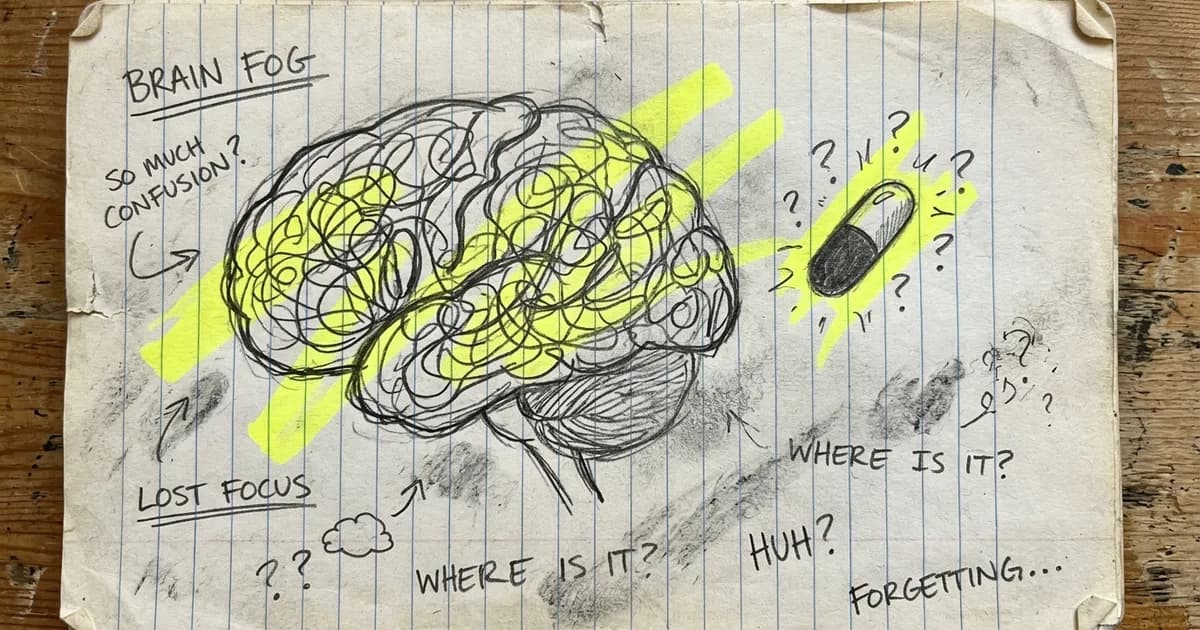
Yes, Mounjaro can make you tired. Thousands of patients describe fatigue, body aches, and brain fog peaking roughly 24 to 72 hours after each weekly injection. The pattern is so consistent that patient forums have their own shorthand: the "Mounjaro flu." But here is the part most articles skip: fatigue does not appear anywhere in Mounjaro's own FDA-approved adverse-reactions section. Not as "fatigue," not as "asthenia," not as "lethargy." A direct text search of the Mounjaro prescribing information returns zero hits. So where is the tiredness actually coming from?
Key Takeaways
- Mounjaro's FDA label lists no fatigue. Zepbound, the exact same molecule (tirzepatide) sold for obesity, lists fatigue at 5-7% by dose. The difference is the trial population, not the drug.
- The "Mounjaro flu" is several things at once. Gastric-emptying delay, dehydration from GI losses, reduced calorie intake, and a mild immune response to the injected peptide all converge in the first 2-3 days after each dose.
- Hypoglycemia is a separate, quantified risk when Mounjaro is combined with insulin or a sulfonylurea: blood glucose under 54 mg/dL in up to 13.6% of patients on basal insulin in SURPASS-5.
- Each dose increase can restart the cycle, but symptoms tend to ease by weeks 3-4 at a stable level.
Same Drug, Different Label: Why Zepbound Lists Fatigue and Mounjaro Doesn't
Mounjaro and Zepbound contain the identical active ingredient: tirzepatide, manufactured by Eli Lilly. Mounjaro is approved for type 2 diabetes. Zepbound is approved for chronic weight management. Same molecule, same dosing schedule. Yet Zepbound's label includes fatigue as an adverse reaction and Mounjaro's does not.
The reason is the trial populations. Zepbound's SURMOUNT trials enrolled patients with obesity (average BMI around 38), many without diabetes. Mounjaro's SURPASS trials enrolled patients with type 2 diabetes. Different baseline profiles, different reporting patterns, different statistical cutoffs for what reaches the adverse-reactions table.
| Adverse Reaction | Mounjaro (Diabetes Trials) | Zepbound (Obesity Trials) |
|---|---|---|
| Fatigue* | Not listed | 5% (5 mg), 6% (10 mg), 7% (15 mg) vs. 3% placebo |
| Nausea | 12-18% vs. 4% placebo | 24-29% |
| Diarrhea | 12-17% vs. 9% placebo | 19-23% |
| Decreased Appetite | 5-11% vs. 1% placebo | Listed |
| Vomiting | 5-9% vs. 2% placebo | 8-13% |
*Fatigue includes asthenia, fatigue, lethargy, and malaise per Zepbound label Table 2.
Sources: Mounjaro FDA label, Section 6.1; Zepbound FDA label, Table 2.
The tiredness Mounjaro patients report is real, but it did not clear the reporting bar in diabetes trials. For the labeled fatigue numbers on tirzepatide, you need to look at the same drug, labeled fatigue by dose.
What the "Mounjaro Flu" Actually Is
The 24- to 72-hour window of feeling terrible after each shot is not one thing. It is several overlapping mechanisms hitting simultaneously.
Gastric-emptying delay peaks early. Tirzepatide slows gastric emptying most strongly after the first dose at any given level. A first 5 mg dose reduced acetaminophen's peak blood concentration by approximately 50% and delayed absorption by about 1 hour. By week 4 at the same dose, that effect had largely resolved. This is why days 1-3 after each shot bring the worst nausea, bloating, and fullness, which in turn suppress food and fluid intake.
Dehydration from GI losses. At the 15 mg dose, 17% of patients experienced diarrhea and 9% experienced vomiting. Losing fluid without replacing it causes fatigue on its own, before any drug-specific mechanism enters the picture.
Caloric deficit. Decreased appetite hit 11% of patients at 15 mg versus 1% on placebo. Eating less while your body adjusts to a new hormonal signal produces low energy.
Immune response to the injection. Tirzepatide is a synthetic peptide. When injected subcutaneously, it can trigger a localized immune activation. Body aches and malaise within 24-48 hours of an injected protein are consistent with this kind of response, not infection. Genuine fever above 101°F or respiratory symptoms warrants a call to your doctor.
Hypoglycemia: The Risk That Has Numbers
If you take Mounjaro alone, hypoglycemia risk is low. Combined with basal insulin or a sulfonylurea, the numbers change.
In SURPASS-5, Mounjaro's 40-week trial added to basal insulin, blood glucose under 54 mg/dL occurred in 6.3% at 5 mg, 9.2% at 10 mg, and 13.6% at 15 mg, compared to 4.0% on placebo. With a sulfonylurea over up to 104 weeks, rates were 13.8%, 9.9%, and 12.8% across doses.
Low blood sugar does not just make you tired. It makes you shaky, confused, and unable to think. If you are on insulin or a sulfonylurea and experiencing post-shot crashes, talk to your prescriber about adjusting your background medications. That is a medical decision.
Heart-Rate Increase and the "Wired but Tired" Feeling
Mounjaro raises resting heart rate by 2 to 4 beats per minute on average versus 1 bpm on placebo. Episodes of sinus tachycardia (heart-rate jump of 15+ bpm from baseline) were reported in 4.6% at 5 mg, 5.9% at 10 mg, and 10% at 15 mg, compared to 4.3% on placebo.
A heart rate running slightly faster while your energy and calorie intake are down creates a specific feeling: physically tired but internally restless. Worth mentioning to your prescriber at higher doses.
The Dosing Ladder and Why Each Increase Restarts the Clock
Mounjaro starts at 2.5 mg weekly, steps to 5 mg after 4 weeks, then climbs in 2.5 mg increments (minimum 4 weeks per step) up to a maximum of 15 mg. The drug's elimination half-life is approximately 5 days.
Each increase is a partial restart. Gastric emptying slows again. GI side effects return. This is why the "Mounjaro flu" is not a one-time event. It can recur at 5 mg, again at 7.5 mg, again at 10 mg. The upside: the gastric-emptying effect diminishes with continued use at a stable dose. Week 4 at the same level looks better than week 1.
What Actually Helps
General wellness information, not medical advice. Any changes to your Mounjaro dose or co-medications belong with your prescriber.
- Hydration, aggressively. GI losses plus reduced appetite make dehydration the easiest cause of fatigue to address. Electrolytes matter more than volume alone.
- Protein at every meal. When total calories drop, protein protects muscle mass and sustains energy.
- Pick your shot day strategically. Many patients inject Thursday or Friday evening so the worst 48 hours fall on the weekend. Anecdotal, not studied, but the logic tracks with tirzepatide's peak plasma concentration at approximately 24 hours post-injection (range 8-72 hours) per the Mounjaro prescribing information.
- Sleep more. Elevated heart rate and reduced calorie intake are both stressors. Your body recovers from stressors during sleep.
- Do not stack stimulants blindly. More caffeine will not fix dehydration-driven fatigue, and caffeine can interact with blood sugar swings and mental energy in ways that matter on insulin or a sulfonylurea. Talk to your prescriber before layering stimulants on a GLP-1 medication.
For a broader look at why GLP-1 fatigue across all four drugs follows similar patterns, that companion article covers the shared mechanisms.
Conclusion: The Pattern Is Predictable, Even if the Label Doesn't Name It
Mounjaro-related tiredness is real, common, and driven by identifiable causes: GI fluid loss, calorie restriction, gastric-emptying disruption, immune response to the peptide, and, for patients on certain background medications, hypoglycemia. It is not mysterious. It is the downstream cost of a drug that changes how your gut and appetite function, compressed into the first 2-3 days of each dosing cycle. For most patients, each dose level gets easier by week 3-4. For the ones where it does not, a prescriber conversation about dose pacing or co-medication adjustment is the right move.
Frequently Asked Questions
Does Mounjaro fatigue go away?
For most patients, yes. The worst fatigue occurs during the first 2-3 days after each dose or dose increase and improves by weeks 3-4 at a stable dose. If it persists or worsens, talk to your prescriber. Persistent fatigue can signal dehydration, nutrient gaps that cause fatigue, or hypoglycemia needing medical attention.
Can Mounjaro give you energy?
Some patients report more energy after the adjustment period, likely from improved blood sugar control and reduced metabolic strain from weight loss. This is not a labeled benefit and varies person to person. Mounjaro is not a stimulant.
Why does Mounjaro make me feel like I have the flu?
Nausea, body aches, and fatigue in the first 24-72 hours after injection mimic flu symptoms. The likely contributors: gastric-emptying delay at its peak, dehydration from GI losses, reduced food intake, and a mild immune response to the injected peptide. Genuine fever or respiratory symptoms should be evaluated by a doctor separately.
Is tiredness after Mounjaro dose-dependent?
Zepbound's label shows fatigue (a composite that includes asthenia, lethargy, and malaise) rising from 5% at 5 mg to 7% at 15 mg versus 3% placebo. GI side effects on Mounjaro's label also trend upward with dose. Higher doses tend to produce more fatigue, especially right after an increase.
Should I take Mounjaro in the morning or at night?
The label does not specify a time of day. Many patients prefer evening injections so peak effects align with a day off. There is no pharmacokinetic reason to favor one over the other.
What should I avoid while taking Mounjaro?
The label warns about hypoglycemia risk when combined with insulin or sulfonylureas. Alcohol can worsen both GI symptoms and low blood sugar. Dehydration from any source compounds Mounjaro's side effects. Ask your prescriber about your full medication and supplement list, including caffeine, cortisol, and stress hormones.
Does the "Mounjaro flu" happen every week?
Worst during the first 1-2 weeks at a new dose level. Most patients report the flu-like feeling fades at a stable dose. Each dose escalation can bring it back temporarily.
Can I take a missed Mounjaro dose late?
Per the label, a missed dose can be taken within 4 days (96 hours); after that, the dose is skipped and the normal schedule resumed. Changing your injection day permanently requires at least 3 days (72 hours) between doses. Confirm with your prescriber if you're unsure.
A Zero-Calorie Option for the Days You Can Actually Think
If your prescriber has cleared you for caffeine and you are past the acute GI window, the practical problem on Mounjaro is straightforward: you are tired, you are not eating much, and the last thing you want is a calorie-loaded coffee drink or liquid sitting heavy in a stomach that is already slow to empty.
Roon is a zero-nicotine, zero-calorie oral pouch with 80 mg caffeine, 60 mg L-theanine, 25 mg methylliberine (Dynamine), and 5 mg theacrine (TeaCrine). It is fasting-compatible, requires no liquid, and contains sucralose with zero sugar.
Roon is not a fix for Mounjaro fatigue. It will not replace the hydration, protein, or electrolytes your body needs. It will not help with hypoglycemia. But if your energy gap is ordinary tiredness on a low-calorie day and your doctor is fine with moderate caffeine, a pouch that does not break a fast and delivers no liquid volume is a narrow, specific fit. Try Roon if that describes your situation, and stop at least 8 hours before bed.
Written by Roon Team