Caffeine Genetics: How CYP1A2 Sets Your Limit
Roon Team
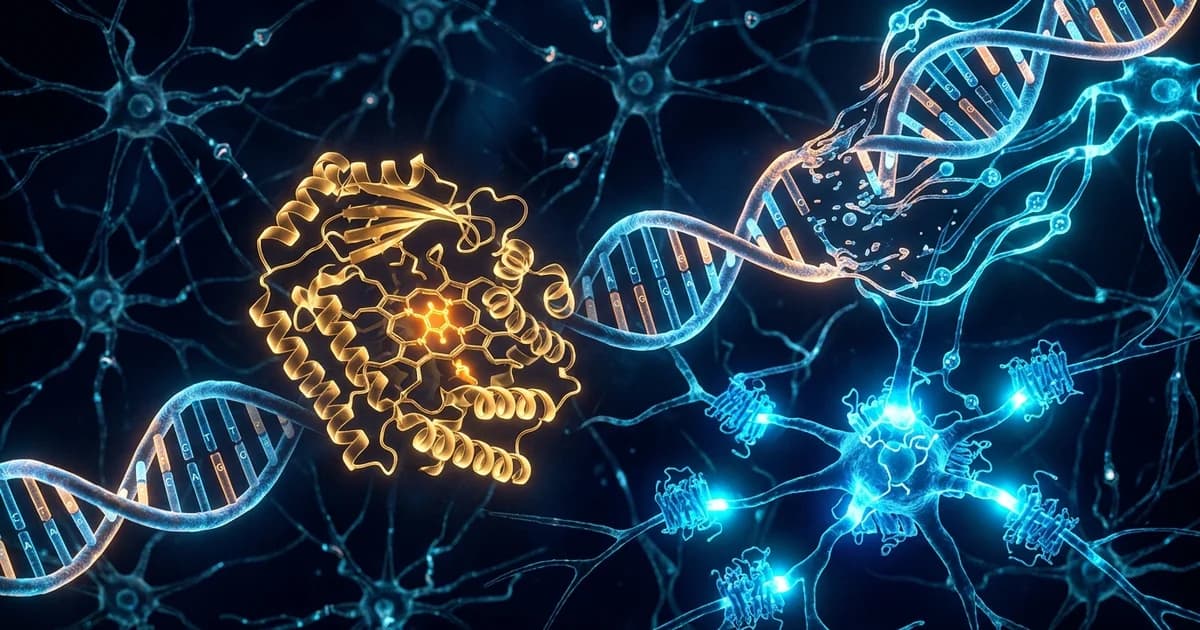
How Your Genes Set Your Caffeine Limit: CYP1A2 and the ADORA2A "Anxiety Gene"
Two people drink the same espresso. One is calm and locked in for the afternoon. The other is wired, anxious, and still staring at the ceiling at 1 a.m. Same dose, opposite outcomes.
That gap is mostly written in your DNA. Caffeine genetics explains why your tolerance, your jitters, and your sleep all respond to coffee in a way that may look nothing like your friend's. Two genes do most of the heavy lifting: CYP1A2, which controls how fast you clear caffeine, and ADORA2A, which controls how anxious it makes you feel.
Understanding both is the difference between using caffeine well and fighting it.
Key Takeaways
- CYP1A2 sets how fast you metabolize caffeine. "Fast" metabolizers clear it in a few hours; "slow" metabolizers can feel it all day.
- ADORA2A sets your anxiety response. Certain variants make the same dose feel jittery and unpleasant.
- A simple caffeine gene test (often bundled into consumer DNA reports) can hint at your type, but your own reaction is the most honest signal.
- If you are a slow metabolizer or anxiety-prone, the fix is usually a lower dose paired with a calming compound, not quitting caffeine outright.
Caffeine Genetics: Why Caffeine Affects People Differently
The reason caffeine affects people differently comes down to two separate biological steps: how quickly your liver breaks the molecule down, and how strongly your brain reacts to it while it's there.
These are independent systems. You can be a fast metabolizer who still gets anxious, or a slow metabolizer who feels calm but can't sleep. Most of the confusion around caffeine comes from treating it as one universal experience when it is really four or five different genetic profiles wearing the same label.
Caffeine works by blocking adenosine, the molecule that builds up during the day and makes you sleepy. Block adenosine and you feel alert. Your genes decide how long that block lasts and how your brain interprets it.
CYP1A2: The Gene That Sets Your Caffeine Speed Limit
CYP1A2 handles more than 90% of caffeine metabolism, and a single common variant splits people into fast and slow metabolizers. The gene codes for a liver enzyme that breaks caffeine apart so your body can clear it.
The variant most studied is rs762551. According to Genetic Lifehacks, people with the A/A genotype are rapid or ultrarapid metabolizers who break down caffeine quickly, while those carrying the C variant clear it more slowly and often find it disrupts their sleep at night. The same source notes that fast metabolizers tend to drink more coffee on average, which makes sense once you realize the effect fades faster for them.
For a fast metabolizer, an afternoon coffee may be gone by bedtime. For a slow metabolizer, that same cup can still be active eight or more hours later.
CYP1A2 caffeine sensitivity and your health
CYP1A2 caffeine sensitivity isn't only about sleep. A widely cited 2006 study from the University of Toronto, covered by ScienceDaily and Nature, linked heavy coffee intake to higher heart attack risk specifically in slow metabolizers. For fast metabolizers, moderate coffee was not associated with the same risk.
The takeaway is not "coffee is dangerous." The takeaway is that the dose your body can handle is partly genetic. A slow metabolizer drinking four cups is a different physiological event than a fast metabolizer drinking the same amount.
ADORA2A: The Caffeine Anxiety Gene
ADORA2A is the gene that determines whether caffeine makes you feel sharp or makes you feel anxious. It codes for the adenosine A2A receptor, the exact lock that caffeine fits into.
If CYP1A2 is about how long caffeine stays in your system, ADORA2A is about how that caffeine feels while it's there. Researchers studying ADORA2A caffeine anxiety have found that specific variants are tied to a stronger anxiety response to the same dose.
A study archived on PubMed Central found an association between ADORA2A polymorphisms and caffeine-induced anxiety. A separate paper on PubMed Central connected ADORA2A variants to both the anxiety-producing and the alerting effects of caffeine, and to how much caffeine people choose to consume in the first place.
In plain terms: if you carry the high-anxiety variant, the racing-heart, on-edge feeling you get from a strong coffee is not in your head. It is in your receptors. Many people in this group quietly cap their own intake without ever knowing why.
Fast vs Slow Caffeine Metabolizer: Which Are You?
You don't strictly need a lab to guess your type. Your body has been running the experiment for years. Here's how the main profiles tend to show up.
| Profile | CYP1A2 (speed) | ADORA2A (anxiety) | How it usually feels |
|---|---|---|---|
| The Engine | Fast | Low-anxiety | Coffee any time, sleeps fine, rarely jittery |
| The Night Owl Risk | Slow | Low-anxiety | Feels calm but a 3 p.m. coffee wrecks sleep |
| The Wired Type | Fast | High-anxiety | Caffeine clears fast but spikes anxiety while active |
| The Sensitive Type | Slow | High-anxiety | Small doses hit hard, last long, feel jittery |
The fast vs slow caffeine metabolizer distinction is only half the picture. Pairing it with your anxiety profile tells you far more. The Sensitive Type is the person who says "caffeine just doesn't agree with me," and they are usually right.
If you want to confirm it, a caffeine gene test can help. Consumer DNA services often report CYP1A2 and sometimes ADORA2A status as part of a broader panel. Treat the result as a useful clue, not a verdict. Your lived reaction, especially how a late coffee affects your sleep, is the cheapest and most reliable test you have.
What to Do If You're Sensitive
The mistake most caffeine-sensitive people make is going all-or-nothing. They either over-caffeinate and feel terrible, or quit entirely and lose a useful tool.
There's a middle path that works with your genetics instead of against it:
- Lower the dose. A slow metabolizer or high-anxiety type rarely needs 200 mg. A moderate dose around 80 mg often delivers focus without tipping into jitters.
- Time it early. If you clear caffeine slowly, cut it off by early afternoon to protect your sleep.
- Pair it with L-theanine. This amino acid from tea blunts the jittery edge of caffeine while keeping the alertness. It is the single most useful pairing for anxiety-prone profiles.
- Watch your other inhibitors. Genetic Lifehacks notes that things like oral contraceptives and certain medications slow CYP1A2 further, making caffeine last even longer.
For more on the calming-without-sedation pairing, see our explainer on how L-theanine smooths out caffeine and the science of caffeine and sustained focus.
Conclusion
Caffeine is not one experience. It's a different molecule depending on who's drinking it, because two genes quietly set the terms. CYP1A2 decides how long it lingers. ADORA2A decides whether it lifts you or rattles you.
Once you know your rough profile, the strategy gets obvious. Fast, low-anxiety types can be casual about coffee. Slow or anxiety-prone types need less of it, earlier in the day, ideally paired with something that takes off the edge. The goal was never to drink more caffeine. It was to get the focus without paying for it in jitters and lost sleep.
Frequently Asked Questions
Can I really tell if I'm a fast or slow caffeine metabolizer without a test?
Often, yes. The clearest signal is sleep. If a coffee after noon reliably keeps you up, you likely clear caffeine slowly. If you can drink espresso at dinner and sleep fine, you're probably a fast metabolizer. A caffeine gene test can confirm your CYP1A2 status, but your own response to a late dose is a strong, free indicator that costs you nothing to observe.
What is the ADORA2A "anxiety gene" exactly?
ADORA2A codes for the adenosine A2A receptor, the site caffeine binds to in your brain. Research on PubMed Central links certain ADORA2A variants to a stronger anxiety response to caffeine. People with the high-anxiety variant tend to feel jittery and on-edge from doses that leave others calm, and they often limit their own intake naturally as a result.
Does being a slow metabolizer mean caffeine is bad for me?
Not necessarily, but it changes your safe dose. A 2006 University of Toronto study reported by ScienceDaily linked heavy coffee intake to higher heart attack risk in slow metabolizers specifically. The practical message is moderation: smaller doses, earlier in the day. Slow metabolizers don't have to quit caffeine, they just benefit from respecting a lower ceiling than fast metabolizers can handle.
Why does L-theanine help anxiety-prone caffeine users?
L-theanine is an amino acid found in tea that promotes a calm, alert state. Paired with caffeine, it tends to smooth out the jittery, anxious edge while keeping the focus benefit. For people with the high-anxiety ADORA2A profile, this combination helps deliver alertness without the racing-heart feeling that pure caffeine can trigger.
How long does caffeine actually stay in your system?
Caffeine has an average half-life of around five hours, meaning half of it is still active five hours after your last sip. For slow metabolizers, that window stretches longer. This is why a single afternoon coffee can quietly sabotage sleep for someone who clears caffeine slowly, even if they don't feel "wired" in the moment.
Can I change my caffeine genetics?
No. Your CYP1A2 and ADORA2A variants are fixed. What you can change is your strategy: dose size, timing, and what you pair caffeine with. Some foods and medications also shift CYP1A2 activity. Genetic Lifehacks notes cruciferous vegetables can speed it up, while certain medications slow it down, which subtly affects how long caffeine lasts for you.
Is 80 mg of caffeine enough to feel focused?
For most people, yes, especially when paired with L-theanine. Around 80 mg is roughly the caffeine in a small coffee. For slow metabolizers and anxiety-prone types, a moderate dose like this often hits the sweet spot: enough to sharpen focus, not so much that it triggers jitters or lingers into the evening.
If You're Wired by Coffee, You Were Drinking the Wrong Dose
If you recognized yourself in the Sensitive Type, the problem was never caffeine itself. It was too much of it, hitting receptors that are genetically tuned to overreact. The fix is a smaller, smarter dose with something to take off the edge.
That's the exact profile Roon was built for. Each sublingual pouch carries a moderate 80 mg of caffeine paired with 60 mg of L-theanine, plus 25 mg of methylliberine (Dynamine) and 5 mg of theacrine (TeaCrine) for a smoother, longer curve. The L-theanine is there to soften the jittery edge that high-anxiety ADORA2A types feel most. It absorbs in about 5 to 10 minutes and is designed for 6 to 8 hours of steady focus with no crash.
Roon isn't a way to override your genetics or a fix for poor sleep. It's a calmer way to get caffeine if your DNA makes the usual dose feel like too much. If coffee tends to rattle you, try Roon and see how a moderate dose feels.
Written by Roon Team