Brain Fog Zoloft: Why It Happens, How Long It Lasts, and What to Do About It
Roon Team
Brain Fog Zoloft: Why It Happens, How Long It Lasts, and What to Do About It
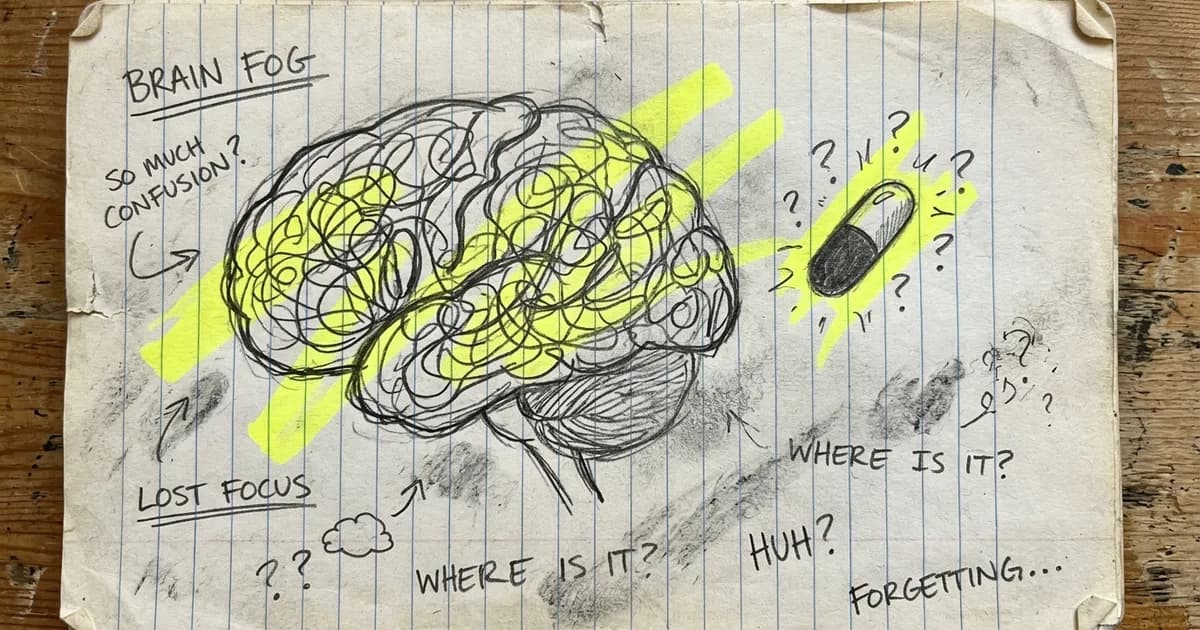
You started Zoloft to feel better. Instead, you feel like you're thinking through wet cement. Words slip away mid-sentence. You read the same paragraph three times and retain nothing. Your doctor said the medication would help, and maybe it has helped your mood, but brain fog zoloft is something nobody warned you about.
You're not imagining it. And you're not alone.
Sertraline (sold as Zoloft) is the most prescribed antidepressant in the United States, with tens of millions of active prescriptions. Zoloft works well for depression and anxiety in many people. But cognitive side effects, including difficulty concentrating, memory lapses, and mental sluggishness, are a real and documented part of the experience for a subset of users.
Here's what the science actually says about why brain fog zoloft happens, when it gets better, and what you can do right now.
Key Takeaways:
- Zoloft can cause brain fog as a direct side effect during treatment and as a withdrawal symptom when tapering off.
- The mechanism involves serotonin's complex interactions with other neurotransmitter systems, including dopamine.
- For most people, brain fog zoloft symptoms improve within 4 to 8 weeks of starting or adjusting a dose.
- Lifestyle strategies and targeted supplementation can help support mental clarity alongside your medication.
What Brain Fog Zoloft Actually Feels Like
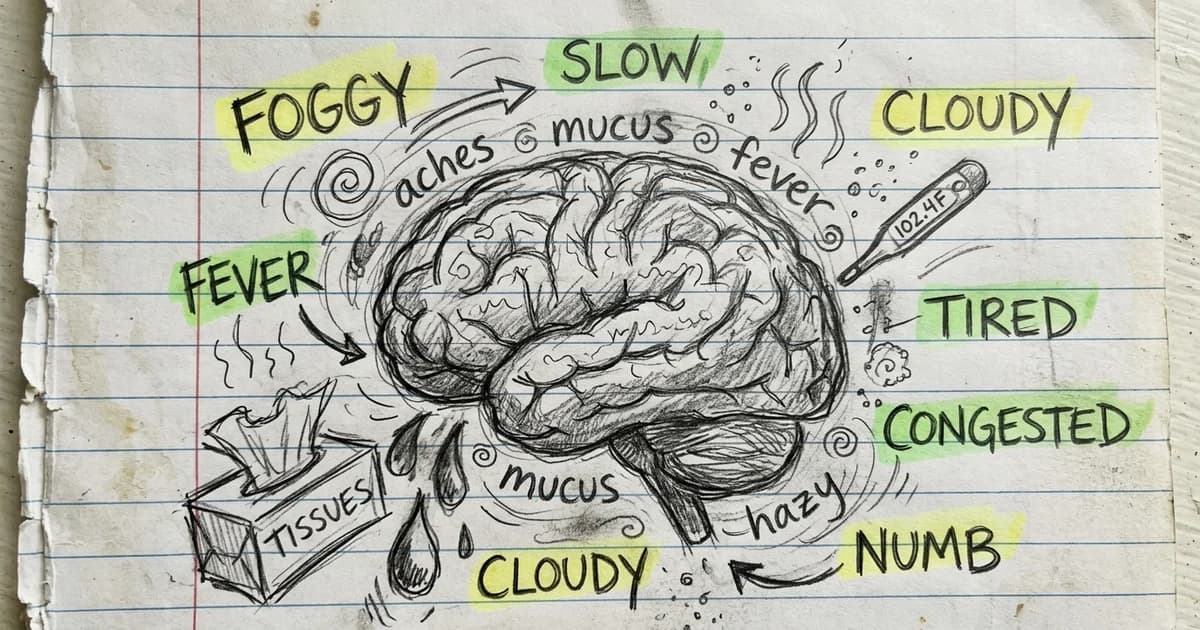
Brain fog isn't a clinical diagnosis, and it appears across many conditions, from medication effects to other causes of persistent brain fog like post-viral illness. It's a shorthand that patients use to describe a cluster of cognitive symptoms: poor concentration, forgetfulness, slow processing speed, and a general sense that your mind isn't as sharp as it used to be.
On Zoloft, this often shows up in the first few weeks of treatment. People on Mayo Clinic Connect forums describe brain fog zoloft as trouble remembering things, difficulty finding words, and feeling mentally "slow." Some report it fading after a few weeks. Others say it persists.
The FDA label for sertraline acknowledges that the medication may cause difficulty concentrating, memory changes, and confusion as potential side effects. This isn't speculation. It's in the prescribing information.
Why Zoloft Causes Brain Fog: The Neuroscience
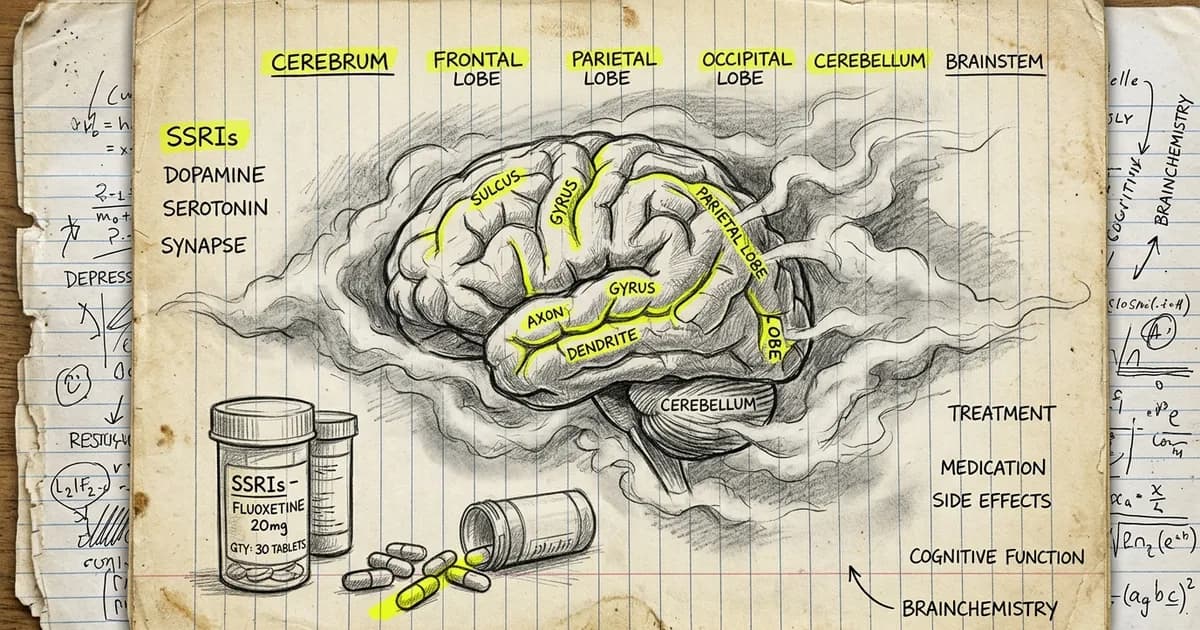
Zoloft is a selective serotonin reuptake inhibitor (SSRI). It blocks the reabsorption of serotonin in the brain, leaving more of it available in the synaptic cleft. That's good for mood regulation. But serotonin doesn't operate in isolation.
Serotonin's Interference With Other Systems
Here's where brain fog zoloft gets interesting. Serotonin interacts with dopamine, the neurotransmitter most closely linked to focus, motivation, and cognitive sharpness. Research published in PubMed found that sertraline increased extracellular dopamine levels in certain brain regions like the nucleus accumbens and striatum. That sounds positive, but the relationship between serotonin and dopamine is more like a seesaw than a partnership. Elevated serotonin can suppress dopaminergic activity in the prefrontal cortex, the area of your brain responsible for executive function, working memory, and attention.
According to the NCBI StatPearls resource on SSRIs, SSRIs have little or no direct effect on dopamine, norepinephrine, histamine, or acetylcholine (except for paroxetine). But the indirect effects through serotonin modulation are real and measurable.
Research from EurekAlert describes how higher serotonin concentrations caused by SSRIs can interfere with dopamine signaling, essentially "hijacking" dopamine transporters. This cross-talk between neurotransmitter systems helps explain why a drug designed to improve mood can simultaneously produce brain fog zoloft users frequently report.
The Emotional Blunting Connection
Many Zoloft users describe a related phenomenon: emotional blunting. You don't feel as sad, but you also don't feel as excited, curious, or mentally engaged. This flattening of emotional range often travels alongside cognitive fog. When your brain's reward and motivation circuits are dampened, thinking clearly becomes harder too.
A Psychiatric Times review noted that SSRIs show limited impact on cognitive dysfunction, with meta-analyses demonstrating only small effect sizes for cognitive improvement. Most cognitive benefits from SSRIs appear to be secondary to mood improvement rather than direct procognitive effects.
Put simply: Zoloft may lift your depression enough that you can think a bit more clearly, but Zoloft is not actively sharpening your cognition. For some people, the serotonergic effects create a net negative on mental clarity.
How Long Does Brain Fog Zoloft Last?
This depends on whether you're starting the medication, adjusting your dose, or coming off Zoloft.
During Initial Treatment
Most healthcare professionals recommend waiting 4 to 8 weeks between dose adjustments to allow the full effects to stabilize. Brain fog zoloft symptoms often peak in the first one to two weeks and gradually improve as your brain adapts to the new serotonin levels.
If your fog hasn't improved after 8 weeks at a stable dose, that's worth a conversation with your prescriber. It may indicate that the dose is too high, or that sertraline isn't the right fit for your neurochemistry.
During Withdrawal or Tapering
Brain fog during Zoloft withdrawal is a separate issue, and it can be more stubborn. According to Renaissance Recovery, physical withdrawal symptoms may start to fade within 1 to 3 weeks after the last dose, but cognitive issues like brain fog zoloft withdrawal can linger. Some people develop post-acute withdrawal symptoms (PAWS) that persist for months.
This is why abruptly stopping Zoloft is a bad idea. Always taper under medical supervision.
Brain Fog From Zoloft vs. Brain Fog From Depression
Here's the tricky part: depression itself causes brain fog. Difficulty concentrating is literally one of the diagnostic criteria for major depressive disorder. So when you start Zoloft and experience cognitive symptoms, it can be genuinely hard to tell whether the fog is from the medication, the underlying condition, or both.
A Psychology Today article on brain fog noted that most current medications prescribed for depression do not seem to improve brain fog symptoms directly. SNRIs (serotonin-norepinephrine reuptake inhibitors) generally appear more effective than SSRIs for cognitive symptoms specifically.
| Factor | Depression-Related Fog | Zoloft-Related Fog |
|---|---|---|
| Onset | Gradual, tied to mood episodes | Often appears within days of starting or adjusting dose |
| Character | Tied to low motivation and rumination | Feels more like sedation or mental "flatness" |
| Improves with | Effective treatment of depression | Dose adjustment, time, or switching medications |
| Duration | Persists until depression is treated | Usually improves within 4-8 weeks |
If your brain fog appeared or worsened right after starting Zoloft or changing your dose, the medication is the more likely culprit. If it was already there before you started, depression is probably the bigger driver.
What You Can Do About Brain Fog Zoloft
Let's be clear: do not stop or adjust your medication without talking to your doctor. But there are evidence-based strategies you can layer on top of your treatment to support cognitive function.
1. Talk to Your Prescriber
This is step one, always. Options include adjusting your dose, switching to a different SSRI, or trying an SNRI or another class of antidepressant that may have fewer cognitive side effects.
2. Prioritize Sleep
SSRIs can disrupt sleep architecture, and poor sleep is one of the fastest routes to brain fog zoloft users experience. Consistent sleep and wake times, limited screen exposure before bed, and a cool, dark room aren't glamorous advice, but they work.
3. Move Your Body
Exercise increases brain-derived neurotrophic factor (BDNF) and promotes dopamine release, both of which directly counteract the cognitive dulling that SSRIs can cause. Even 20 to 30 minutes of moderate activity makes a measurable difference.
4. Support Your Brain With the Right Compounds
Certain natural compounds have strong evidence for supporting focus and mental clarity without interfering with your medication. Two stand out:
L-Theanine and Caffeine: A systematic review published in Cureus found that the combination of L-theanine and caffeine improved multiple measures of cognition, including attention and inhibitory control. A separate study in Nutritional Neuroscience found that moderate levels of L-theanine and caffeine together improved accuracy during task switching and increased subjective alertness while reducing tiredness.
Theacrine and Methylliberine: These two compounds are structurally related to caffeine but work through slightly different pathways. According to NutraIngredients, supplementation with methylliberine (Dynamine) and theacrine (TeaCrine) alongside caffeine improved working memory, processing speed, cognitive control, and reaction time consistency.
The combination of these four compounds, caffeine, L-theanine, theacrine, and methylliberine, targets multiple cognitive pathways simultaneously. Caffeine provides alertness. L-theanine boosts alpha-wave activity and improves attention accuracy for calm focus. Theacrine and methylliberine extend the duration and improve consistency of the cognitive boost.
Clearing Brain Fog Zoloft Causes
Brain fog zoloft produces is frustrating precisely because you took the medication to feel better, not to trade one problem for another. The good news: for most people, it does get better with time. And there are concrete steps you can take to speed that process along.
If you're looking for a clean, targeted way to support focus and mental clarity while your brain adjusts, Roon was built for exactly this kind of situation. It combines 80 mg of caffeine, L-theanine, theacrine, and methylliberine in a zero-nicotine sublingual pouch that delivers 6 to 8 hours of sustained, smooth focus without the crash. No jitters, no tolerance buildup, and nothing that fights against what your medication is trying to do.
Your brain is already working hard to find its new equilibrium. Give it the right support.