Does Keto Make You Tired? Six Causes of Keto Fatigue, From Sodium to Undereating

Does Keto Make You Tired? Six Causes of Keto Fatigue, From Sodium to Undereating
Does keto make you tired? Almost always yes, at least temporarily, but the cause is rarely what you think. Keto fatigue has six real causes, and only one of them is the "keto flu" everyone talks about. The full list: electrolyte loss (days 1-7), incomplete fat-adaptation (persists for weeks), undereating from suppressed appetite, protein insufficiency, sleep disruption during adaptation, and thyroid hormone shifts (weeks to months). Whether you call it a keto crash, keto brain fog, or just feeling low-carb tired all the time, the standard "drink more water" advice probably is not enough. You need to identify which mechanism is dragging you down.
Key Takeaways
- Early keto tiredness (first 1-2 weeks) is usually electrolytes. Later fatigue points to undereating, low protein, or incomplete adaptation.
- Full metabolic adaptation to fat and ketone burning may take several weeks beyond initial ketosis, not the 3-5 days it takes to enter ketosis.
- Keto's appetite suppression is well documented and can quietly tip you into an energy deficit that causes fatigue on its own.
- Persistent, unexplained fatigue past 8-12 weeks warrants a thyroid panel, not another electrolyte supplement.
The Six Causes of Keto Tiredness, Mapped by Timeline
A 2020 forum analysis by Bostock et al. (Frontiers in Nutrition, n=101 accounts across online forums) found that fatigue and decreased energy were among the most common "keto flu" symptoms. Symptoms peaked in the first week and dwindled after four weeks for most people. But some keto dieters stay tired well past that window. The table below maps each cause to its typical onset.
| Cause | Typical Onset | Primary Mechanism | Fix Category |
|---|---|---|---|
| Electrolyte loss (Na, K, Mg) | Days 1-14 | Insulin drop reduces renal sodium reabsorption | Supplementation |
| Incomplete fat-adaptation | Weeks 2-12 | Mitochondrial enzyme upregulation still in progress | Time and consistency |
| Undereating / energy deficit | Any time | Ketone-driven appetite suppression reduces intake | Track calories |
| Protein insufficiency | Weeks 2+ | Muscle catabolism from inadequate protein on high-fat diet | Increase protein |
| Sleep disruption | Weeks 1-4 | Transient insomnia during metabolic adaptation | Sleep hygiene, time |
| Thyroid / T3 changes | Weeks 4-12+ | Reduced deiodinase activity lowers active T3 | Medical evaluation |
Cause 1: Electrolyte Loss
The classic keto flu mechanism. Carbohydrate restriction lowers insulin, which reduces sodium reabsorption in the kidneys and triggers a cascade of sodium, water, potassium, and magnesium losses. A 2021 review in Nutrients describes this natriuretic effect in detail. The NIH Office of Dietary Supplements notes that early signs of magnesium deficiency include fatigue and weakness.
The fix: supplement sodium, potassium, and magnesium. For a deeper look at the sodium/water mechanism, see the four causes of keto headache. If electrolytes resolve your fatigue within a few days, you had cause #1. If not, keep reading.
Cause 2: Incomplete Fat-Adaptation
Entering ketosis and being fat-adapted are two different things. You can produce ketones within 2-4 days. Becoming metabolically efficient at burning them takes much longer. Phinney's 1983 study on endurance cyclists found that exercise capacity was maintained after four weeks of keto-adaptation (Phinney et al., 1983), but more recent research suggests full enzymatic adaptation may take several weeks beyond initial ketosis.
You can be "in ketosis" on a urine strip and still be running on a half-built engine. The fix is consistency and time. If you cycle in and out with weekend carb-ups, you keep resetting the adaptation clock.
Cause 3: Undereating and Energy Deficit
This one is sneaky. A 2021 review in Current Opinion in Clinical Nutrition & Metabolic Care confirmed that ketogenic diets suppress the expected rise in ghrelin that normally accompanies weight loss, reducing hunger. That sounds like a benefit, until it tips into chronic undereating. If you are eating 1,200 calories when you need 2,000, the resulting energy deficit causes fatigue regardless of your macros.
Track your calories for a week. If you are running a 500+ calorie daily deficit, that is almost certainly contributing to your tiredness. Increase total intake through fat and protein while staying within your carb target.
Cause 4: Protein Insufficiency
Keto is a high-fat diet. Many people interpret that as low-protein. It is not. Inadequate protein leads to muscle catabolism, fatigue, and delayed recovery, even if you are hitting your fat and carb macros.
The issue: fat-rich foods like butter, oils, and cheese can crowd out protein sources. If you are eating 60-70% fat and only 10-15% protein, you may be well below the 1.2-1.6 g/kg body weight that most guidelines recommend for active adults. Prioritize protein at every meal. Treat fat as the lever, not the goal.
Cause 5: Sleep Disruption During Adaptation
Some keto dieters report insomnia or lighter sleep during the first 1-4 weeks. The Bostock et al. 2020 analysis notes transient sleep disruption alongside other keto flu symptoms, with sleep quality often improving once fat-adaptation completes. If you are tired on keto but also sleeping poorly, the fatigue may be secondary to the sleep issue. Standard sleep hygiene applies. For most people, this normalizes by week four.
Cause 6: Thyroid and T3 Changes
This one deserves respect. A 2025 review in Current Issues in Molecular Biology describes how very-low-carbohydrate diets can reduce active T3 levels over weeks to months. The mechanism: low carbohydrate availability reduces insulin secretion, which suppresses deiodinase enzyme activity and impairs the peripheral conversion of T4 to active T3.
The review recommends thyroid monitoring for people with pre-existing thyroid conditions who adopt ketogenic diets. For otherwise healthy people, the T3 reduction may be a normal adaptive response rather than pathology. But if you are exhausted at week 8 and have addressed electrolytes, calories, and protein, a thyroid panel is a reasonable next step. Talk to your clinician.
Bonus: Caffeine Withdrawal Layered on Top
If you dropped sugary coffee drinks or soda when starting keto, you may have simultaneously entered caffeine withdrawal. Juliano and Griffiths (2004) identified fatigue, drowsiness, and difficulty concentrating as core withdrawal symptoms. That tiredness layers on top of keto-adaptation fatigue and makes everything feel worse. For more on how strict low-carb dieters handle caffeine, see our breakdown.
What Actually Helps, Matched to Each Cause
- Electrolyte fatigue (days 1-14): Supplement sodium, potassium, magnesium. Expect improvement within 2-3 days.
- Adaptation fatigue (weeks 2-8): Stay consistent. Avoid carb cycling.
- Undereating fatigue: Track calories for a week. Close the deficit with fat and protein.
- Protein fatigue: Target at least 1.2 g protein per kg of body weight daily.
- Sleep fatigue: Prioritize sleep hygiene. Usually resolves by week 4.
- Thyroid fatigue (8+ weeks): See your doctor and ask whether thyroid testing is warranted.
If afternoon energy dips persist after addressing these causes, the issue may not be keto-specific at all.
Keto Fatigue Has Six Causes, Not One
The reason keto tiredness is so confusing is that people treat it as a single problem. It is not. Early fatigue is almost always electrolytes. Later fatigue points to undereating, insufficient protein, sleep disruption, or thyroid changes. Matching the fix to the actual cause is the difference between resolving your tiredness in days and suffering through months of it.
Frequently Asked Questions
Does keto make you tired permanently?
No. For most people, keto fatigue resolves within 2-4 weeks as the body adapts. The Bostock et al. 2020 analysis found symptoms peaked in week one and dwindled after four weeks. Fatigue lasting beyond 8-12 weeks despite adequate electrolytes, calories, and protein deserves medical evaluation, particularly a thyroid panel.
How long does keto fatigue last?
Acute keto flu fatigue typically resolves within 1-4 weeks. Fat-adaptation may take several additional weeks. If your fatigue resolves with electrolyte supplementation, you may feel better within days. If it is adaptation-related, expect gradual improvement over several weeks.
Why am I still tired weeks into keto?
Fatigue past the first two weeks usually points beyond simple electrolyte loss: undereating from appetite suppression, inadequate protein, ongoing sleep disruption, or the longer timeline of full fat-adaptation. Track your calories and protein for a week to rule out the most common late-stage culprit.
Can keto cause brain fog?
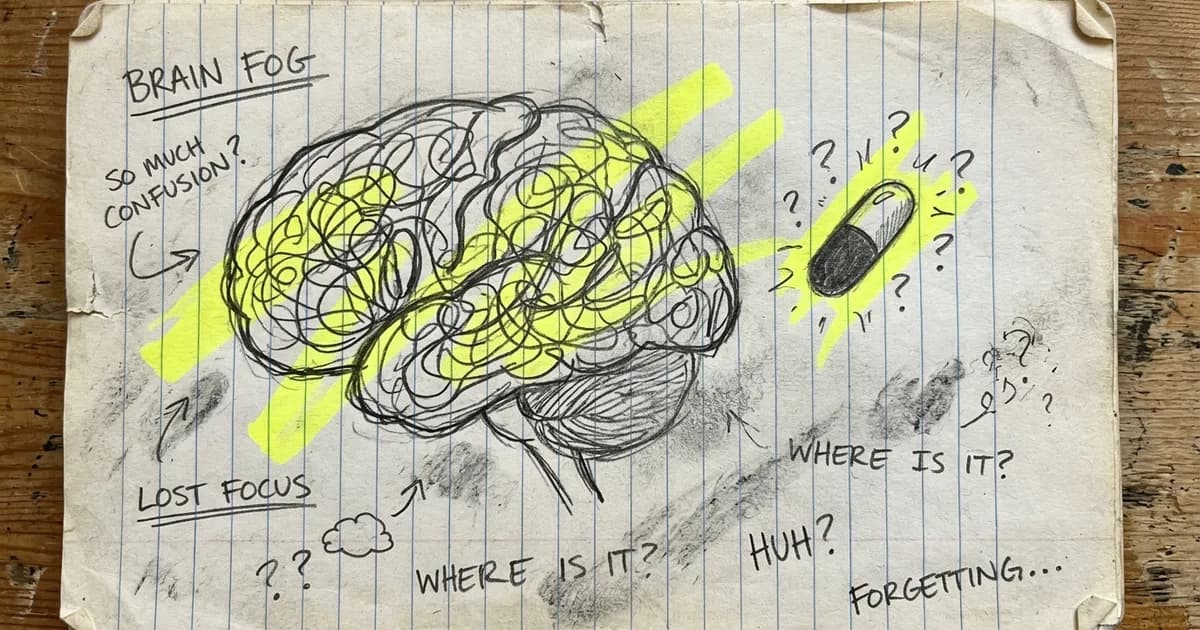
Yes. Brain fog was among the most commonly reported keto flu symptoms in the Bostock et al. analysis. The brain takes time to become efficient at using ketones as fuel. Dehydration and electrolyte imbalance compound the effect. For more on fuel availability and mental clarity, see the ketones and mental focus research.
Does keto affect thyroid function?
Research shows that very-low-carbohydrate diets can reduce active T3 levels by suppressing deiodinase enzymes. A 2025 review in Current Issues in Molecular Biology describes this as a real but variable effect. If you have a pre-existing thyroid condition and are starting keto, discuss monitoring with your clinician.
Should I quit keto if I am tired?
Not necessarily. Most keto fatigue has identifiable, fixable causes. Check electrolytes first, then calorie intake, then protein. If fatigue persists past 8-12 weeks with all of those optimized, consult a doctor before deciding the diet is the problem.
A Cleaner Caffeine Bridge for the Adaptation Window
If caffeine is your bridge through the adaptation period, the delivery method matters. Sugary energy drinks break ketosis. Black coffee works but its peak effect tapers over 3-5 hours for most people.
Roon is a zero-nicotine, zero-sugar, zero-calorie oral pouch that pairs caffeine with L-theanine, methylliberine (Dynamine), and theacrine (TeaCrine) for a 6-8 hour felt window without the spike-and-crash pattern of a single caffeine source. It is fasting-compatible, contains no carbohydrates, and will not interrupt ketosis. Tins start from $9.16 (12-tin subscription), as little as $0.61 per pouch.
Roon does not fix electrolyte depletion, undereating, protein insufficiency, or thyroid shifts. It is not a keto supplement. It is a way to stay alert while you sort out the actual causes of your fatigue. Fix the cause first. If you want steady energy while you do, try Roon.
Related from Roon
- The four causes of keto headache
- Zero-carb energy drink options
- Hydration's effect on brain function
- How strict low-carb dieters handle caffeine
Written by Roon Team