Caffeine on GLP-1s: Coffee, Energy Drinks, Tea, and Pouches Compared
Caffeine on GLP-1s: Coffee, Energy Drinks, Tea, and Pouches Compared
Yes, you can have caffeine on a GLP-1. Most prescribers won't tell you to quit coffee when they start you on semaglutide or tirzepatide. But format matters more than it used to, because every GLP-1 receptor agonist delays gastric emptying, and that changes how your body handles whatever you swallow. A 16-ounce energy drink and a zero-liquid caffeine pouch deliver the same molecule through very different mechanics. This guide compares coffee, energy drinks, tea, and caffeine pouches side by side for anyone on Ozempic, Wegovy, Mounjaro, or Zepbound.
Key Takeaways
- Coffee is fine for most GLP-1 users, but the volume and acidity can aggravate nausea and reflux during dose escalation.
- Energy drinks are the worst-tolerated format on a GLP-1: high sugar, high caffeine, carbonation, and 16 ounces of liquid sitting in a stomach that empties slowly.
- Tea is the gentlest liquid option, especially at lower caffeine doses, though specialty teas can reach 150 mg per serving.
- Caffeine pouches remove the liquid, sugar, and acid variables entirely, though caffeine itself may still affect your GI tract.
- If you take the Wegovy tablet: coffee is not allowed during the 30-minute fasting window. No exceptions.
Why GLP-1s Change the Caffeine Equation
The core mechanism is gastric emptying. Every major GLP-1's FDA label states that the drug "delays gastric emptying and has the potential to impact the absorption of concomitantly administered oral medications." That language appears across Ozempic, Wegovy, Mounjaro, and Zepbound.
For caffeine, this means anything you drink sits in your stomach longer than it did before the medication. Coffee's acidity gets more contact time with your gastric lining. An energy drink's sugar and carbonation concentrate against a stomach that isn't emptying on schedule. The result: nausea, acid reflux, and stomach irritation, all worse during dose escalation.
Whether caffeine itself speeds or slows gastric emptying is a separate question. A narrative review in PMC found that controlled studies showed no consistent effect of caffeine on emptying of a test meal. What coffee does reliably do is stimulate gastric acid and gastrin secretion, which is why heartburn is the most consistent complaint.
On the pharmacokinetic side: caffeine's average half-life is about 5 hours (range 1.5 to 9.5 hours), and more than 95% of its metabolism runs through CYP1A2. GLP-1s are cleared by proteolytic degradation, not liver enzymes. No documented metabolic interaction exists between caffeine and semaglutide or tirzepatide. The issue is delivery format, not the molecule.
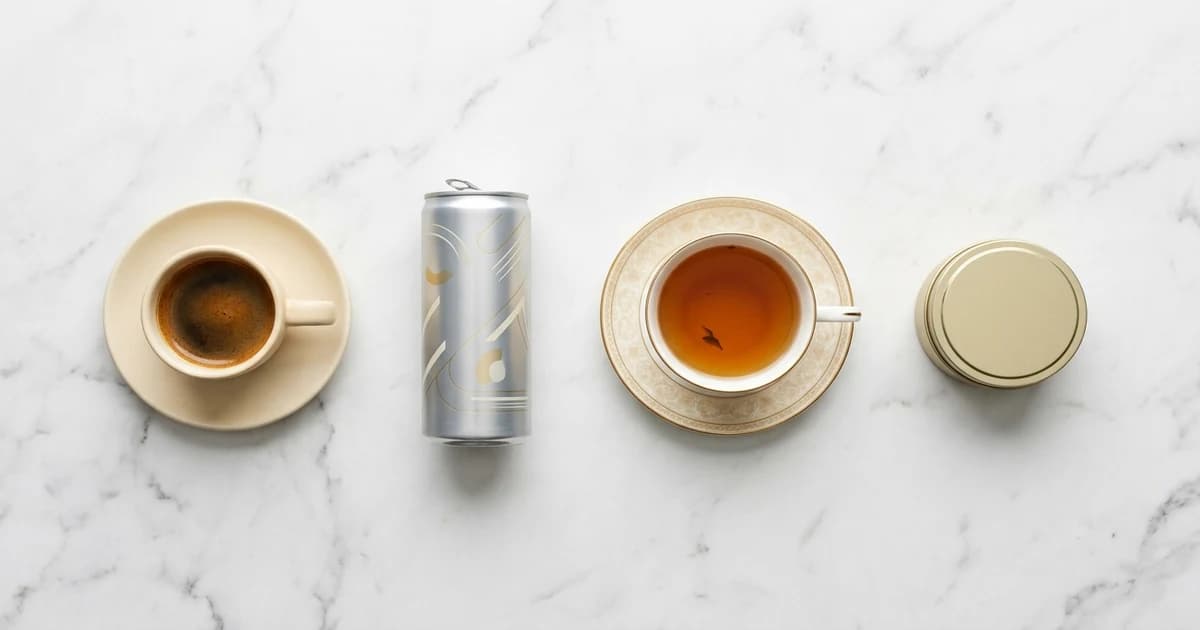
Coffee vs. Energy Drinks vs. Tea vs. Caffeine Pouches on a GLP-1
Talk to your prescriber before changing your caffeine habits on a GLP-1, especially during dose escalation. That said, here is how the four main formats compare on the variables that actually matter when your stomach empties slowly.
| Criterion | Brewed Coffee (8 oz) | Energy Drink (16 oz) | Green/Black Tea (8 oz) | Caffeine Pouch (e.g., Roon) |
|---|---|---|---|---|
| Typical caffeine | ~95 mg | 160 to 300+ mg | 25 to 50 mg (specialty tea up to 150 mg) | 50 to 200 mg per pouch |
| Sugar | 0 g (black) | 54 to 62 g (regular) | 0 g (unsweetened) | 0 g (zero sugar) |
| Calories | ~5 (black) | 200 to 250 (regular) | ~2 (unsweetened) | 0 |
| Liquid volume | 8 oz | 16 oz | 8 oz | 0 oz (sublingual) |
| Gastric acid stimulus | High (coffee-specific) | Moderate to high | Low to moderate | None from liquid/acid |
| Carbonation | No | Yes (most) | No | No |
| Portability | Moderate | Moderate | Moderate | High (pocket-sized tin) |
| Cost per serving | $0.50 to $5.00 | $2.00 to $4.00 | $0.25 to $2.00 | From $0.61 (Roon, 12-tin sub) |
Sources: Caffeine values from FDA consumer guidance, energy drink ranges from Healthline (reviewed by Alyssa Walton, PharmD, July 2026), specialty tea from Zest Tea product page. Roon pricing from takeroon.com.
Why Energy Drinks Are the Worst-Tolerated Format
Energy drinks stack every variable that a slowed stomach handles poorly. A standard 16-ounce can delivers 160 to over 300 mg of caffeine plus roughly 54 to 62 grams of sugar, all dissolved in a carbonated, acidic liquid. On a GLP-1, that volume sits longer, the sugar concentrates, and carbonation creates pressure against a lower esophageal sphincter that caffeine has already relaxed.
Sugar-free versions remove the sugar but keep the volume, carbonation, and high caffeine load. If you're experiencing GLP-1 fatigue across all four drugs and reaching for a 300 mg energy drink to compensate, you're trading one problem for another.
If You Take the Wegovy Tablet: The 30-Minute Rule
This subsection covers FDA prescribing requirements only.
The oral Wegovy tablet (semaglutide 25 mg, FDA-approved December 2025) must be taken first thing in the morning, on an empty stomach, with no more than 4 ounces of plain water. Wait at least 30 minutes before eating, drinking anything else (including coffee), or taking other oral medications. Swallow the tablet whole.
The reason is pharmacological. The tablet is co-formulated with salcaprozate sodium (SNAC), an absorption enhancer. Absorption happens predominantly in the stomach, and absolute bioavailability is only about 1% (per the FDA label, Section 12.3). Food, coffee, or extra liquid taken too soon measurably reduces how much of the dose reaches your bloodstream.
Coffee is not exempt from the water-only rule. Neither is tea, juice, or any other beverage. If you're on oral Wegovy, your morning caffeine starts after the 30-minute window. Ask your pharmacist about timing other medications around it.
How Much Caffeine Is Too Much on a GLP-1?
There is no GLP-1-specific caffeine limit. The FDA's general guidance for healthy adults is that up to 400 mg of caffeine per day (roughly four to five cups of coffee) is "not generally associated with negative effects." That number was set for the general population and does not account for GLP-1-related GI sensitivity.
In practice, many users report tolerating less caffeine than they did pre-medication, particularly during early dose-titration weeks when nausea peaks. If 400 mg was your baseline, you may find 200 mg is now your ceiling. Track your tolerance and discuss changes with your prescriber.
What GLP-1 Users Are Actually Switching To
Across Reddit threads and GLP-1 patient communities, the same pattern repeats. Users describe coffee tasting "burned" or triggering heartburn they never had before. The most common switches:
- Cold brew: lower acidity than hot-brewed coffee, better tolerated by many
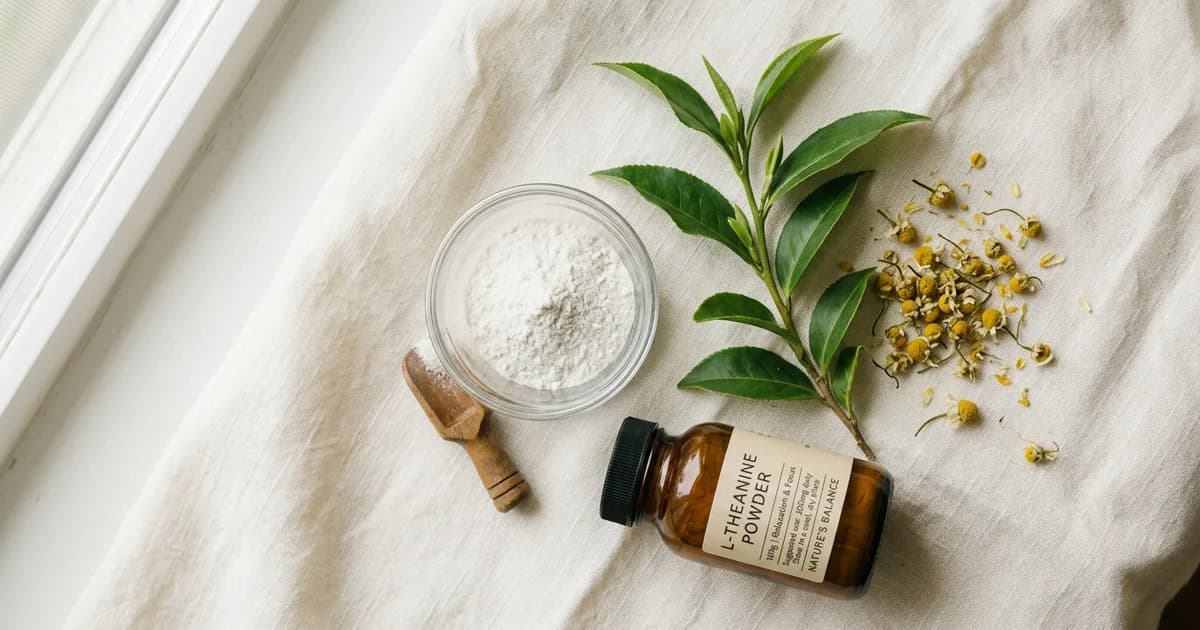
- Green tea or matcha: lower caffeine, lower acid, often paired with L-theanine (how caffeine and L-theanine work together)
- Specialty functional teas: brands like Zest Tea market 135 to 150 mg caffeine teas with L-theanine directly to GLP-1 users (brand marketing, not clinical evidence)
- Caffeine pouches: zero liquid, zero sugar, sublingual delivery that bypasses the stomach (what's actually in a caffeine pouch)
The throughline: reduce liquid volume, reduce acid, reduce sugar. The cognitive side of GLP-1 fatigue is real, and finding a caffeine source that doesn't compound GI side effects is a practical problem.
Where a Zero-Calorie Caffeine Pouch Fits
A caffeine pouch removes three of the four variables that make other formats hard to tolerate on a GLP-1: liquid volume, gastric acid stimulus, and sugar. What it does not remove is caffeine itself, which can still relax the lower esophageal sphincter and, in sensitive individuals, contribute to reflux or nausea regardless of delivery format. A caffeine pouch is not "safer" for GLP-1 users as a categorical claim. It simply carries fewer of the aggravating co-factors. If your prescriber has told you to avoid caffeine entirely, a pouch does not change that advice.
Conclusion: Choosing the Right Caffeine Format on a GLP-1
The best caffeine source on a GLP-1 is the one that gives you alertness without worsening the side effects you already have. For most people, that means stepping away from high-volume, high-sugar, carbonated formats toward lower-acid, lower-volume options. Tea, cold brew, and caffeine pouches all fit that profile. Energy drinks, in standard formulation, do not.
Your prescriber is the right person to calibrate dose and timing, especially if you take the oral Wegovy tablet, are in dose escalation, or are managing semaglutide's fatigue picture, drug by drug. Caffeine is a tool. Use it deliberately.
Frequently Asked Questions
Does caffeine make GLP-1 side effects worse?
It can, but format matters more than the molecule. Caffeine relaxes the lower esophageal sphincter, which can worsen acid reflux. High-volume, high-sugar, carbonated drinks compound this. Black coffee or tea in moderate amounts is tolerated by most users outside dose-escalation windows. If nausea spikes after caffeine, reduce the dose or switch formats.
Is it safer to have caffeine with an injection or a pill?
Injectable semaglutide and tirzepatide have no timing restriction around caffeine. The oral Wegovy tablet does: no coffee or any liquid other than 4 ounces of plain water for at least 30 minutes after taking the pill. This is an absorption issue specific to SNAC co-formulation, not a general caffeine safety question.
Can energy drinks cause low blood sugar on a GLP-1?
Sugar-containing energy drinks can cause a glucose spike followed by a sharper-than-usual drop, because GLP-1s enhance insulin secretion in response to glucose. This is more relevant for people prescribed GLP-1s for type 2 diabetes, where hypoglycemia risk is already monitored. If you notice shakiness or dizziness after a sugary energy drink, talk to your prescriber.
How long should I wait after my GLP-1 injection to have coffee?
There is no required waiting period after a subcutaneous injection (Ozempic, Wegovy injection, Mounjaro, Zepbound). The injection enters your bloodstream directly, not through the GI tract. You can have coffee immediately. The only mandatory timing restriction applies to the oral Wegovy tablet.
Can I drink coffee on Wegovy?
Yes, if you use the injectable form. If you take the oral tablet, wait at least 30 minutes after the pill before drinking coffee. The tablet needs an empty stomach and plain water only for the SNAC absorption enhancer to work. After the 30-minute window, coffee is fine, though you may want to moderate volume if nausea is an issue.
Are caffeine pouches better than coffee for GLP-1 users?
It depends on what's bothering you. Pouches eliminate liquid volume, sugar, and gastric acid stimulation, the main aggravators of GLP-1 GI side effects. They do not eliminate caffeine's own effect on the esophageal sphincter. If your issue is acid reflux or nausea from drinking coffee, a pouch addresses several contributing factors. If caffeine itself is your trigger, changing formats won't solve it.
Should I talk to my doctor before changing caffeine on a GLP-1?
Yes. Especially during dose escalation, when GI side effects peak, or if you take the oral Wegovy tablet. Your prescriber or pharmacist can advise on the amount and timing that fit your treatment plan. For more on supplement interactions, see our guide on L-theanine and medication interactions.
A Caffeine Source Built for Restricted Formats
If you've read this far, you're probably looking for a way to keep caffeine in your day without the liquid volume, sugar, or acid that make standard formats harder to tolerate on a GLP-1. That's the exact design space a sublingual caffeine pouch occupies.
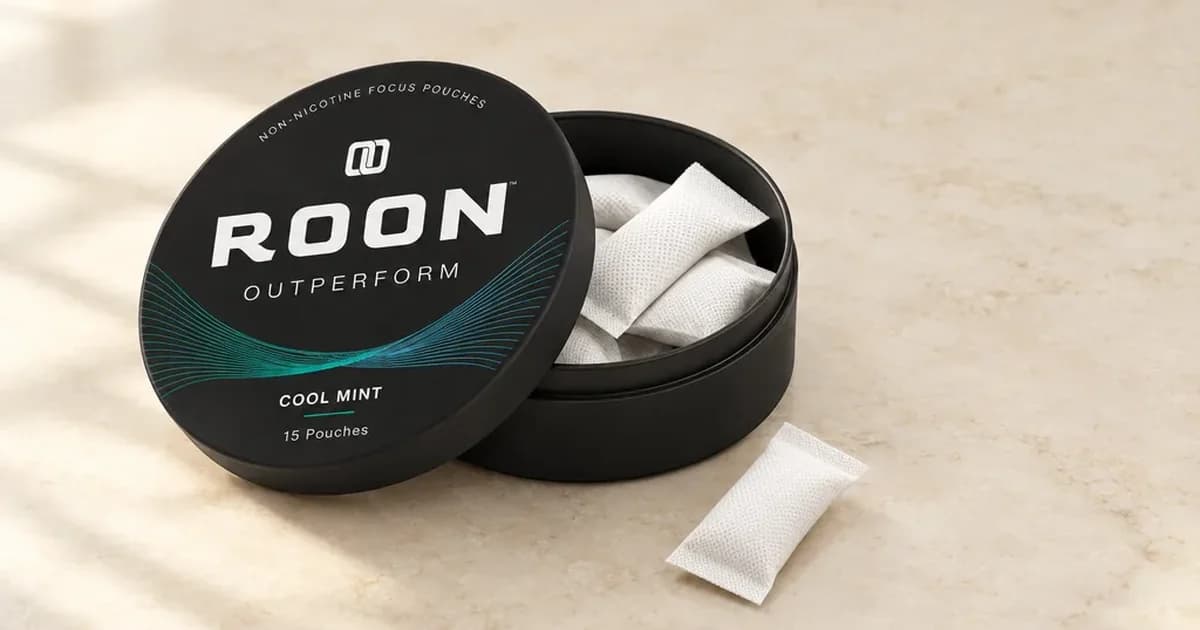
Roon delivers 80 mg of caffeine (about one small coffee's worth) alongside 60 mg of L-theanine, 25 mg of methylliberine, and 5 mg of theacrine in a zero-calorie, zero-sugar pouch. No liquid. No carbonation. No gastric acid stimulus from a hot beverage. The felt duration is 6 to 8 hours, which means one pouch replaces the mid-afternoon reach for a second or third coffee. Tins start from $9.16 (12-tin subscription), working out to as little as $0.61 per pouch.
Roon is not a GLP-1 supplement. It does not treat nausea, and it is not "recommended for GLP-1 users" as a clinical claim. It is a caffeine source that happens to remove the variables most GLP-1 users are trying to avoid. If your prescriber has cleared you for caffeine, Roon is worth trying as the format that delivers it with the fewest co-factors.
Related from Roon
- GLP-1 fatigue across all four drugs
- The cognitive side of GLP-1 fatigue
- Semaglutide's fatigue picture, drug by drug
- Pouches marketed for appetite, what actually works
Written by Roon Team