Are You a Slow Caffeine Metabolizer? The CYP1A2 Gene That Decides How Coffee Affects You
Roon Team
Are You a Slow Caffeine Metabolizer? The CYP1A2 Gene That Decides How Coffee Affects You
Your coworker drinks three espressos after lunch and sleeps like a rock. You have one cup at 2 PM and stare at the ceiling until midnight. The difference isn't willpower, tolerance, or "sensitivity." It's a single gene called CYP1A2, and whether you're a slow caffeine metabolizer or a fast one changes everything about how you should use caffeine.
About 46% of the population carries the A/A genotype for the CYP1A2 rs762551 polymorphism, making them fast metabolizers. The remaining 54% carry one or two copies of the C allele, which slows the enzyme responsible for clearing caffeine from your bloodstream. If you've ever suspected that caffeine hits you harder, lasts longer, or causes more side effects than it does for the people around you, your CYP1A2 genotype is likely the reason.
This isn't a fringe finding. A landmark 2006 study published in JAMA found that slow caffeine metabolizers who drank four or more cups of coffee per day had a 4x higher risk of heart attack compared to those who drank less than one cup. Fast metabolizers drinking the same amount showed no increased risk at all. Same molecule, same dose, radically different outcomes.
Key Takeaways
- The CYP1A2 gene controls the liver enzyme that breaks down ~95% of the caffeine you consume. Your genotype determines whether caffeine's half-life in your body is closer to 2 hours or 9+ hours.
- Roughly half the population is a slow caffeine metabolizer (AC or CC genotype), which means caffeine lingers longer and produces stronger side effects at the same dose.
- A second gene, ADORA2A, separately controls whether caffeine triggers anxiety for you, regardless of how fast you metabolize it.
- Knowing your genotype lets you personalize your caffeine dose, timing, and delivery method for better performance with fewer downsides.
How CYP1A2 Controls Your Caffeine Response
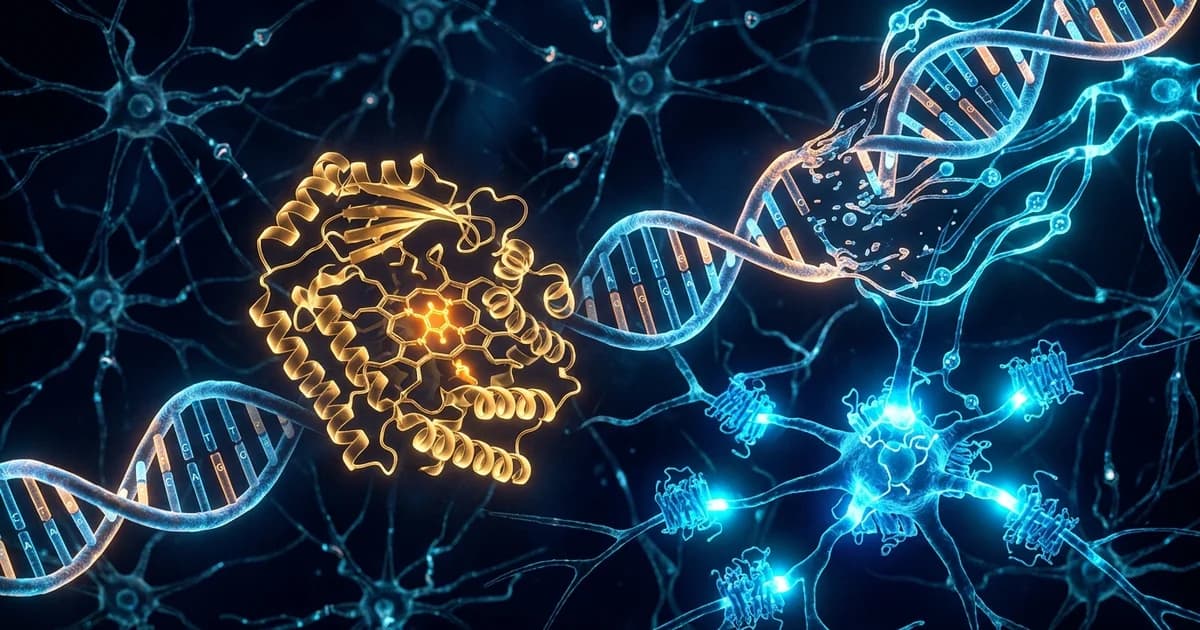
CYP1A2 is a gene that codes for a liver enzyme in the cytochrome P450 family. This single enzyme handles roughly 95% of caffeine metabolism in your body. When you drink a cup of coffee, CYP1A2 is the bottleneck that determines how quickly caffeine gets broken down into its metabolites (paraxanthine, theobromine, and theophylline) and cleared from your system.
The key polymorphism is rs762551, a single nucleotide change in the CYP1A2 gene. People with the A/A genotype are rapid or ultrarapid metabolizers, meaning their CYP1A2 enzyme works at full speed. Carriers of one or two C alleles (AC or CC genotypes) produce a slower version of the enzyme.
The practical difference between a fast vs slow caffeine metabolizer is dramatic. The half-life of caffeine ranges from about 2 to 8 hours depending on your CYP1A2 genotype. A fast metabolizer who has a coffee at noon might clear most of the caffeine by 3 PM. A slow metabolizer who has the same coffee at noon could still have half the caffeine circulating at 8 PM.
| Genotype | Metabolizer Type | Estimated Population Frequency | Caffeine Half-Life | Practical Impact |
|---|---|---|---|---|
| A/A | Fast | ~46-52% | ~2-4 hours | Caffeine clears quickly; fewer sleep issues |
| A/C | Slow (intermediate) | ~34-40% | ~4-7 hours | Caffeine lingers; afternoon coffee can disrupt sleep |
| C/C | Very slow | ~7-10% | ~6-9+ hours | Caffeine persists for hours; high side-effect risk |
Population frequencies based on data from the 1000 Genomes Project and vary by ethnicity.
How to Tell If You're a Slow Caffeine Metabolizer (Without a DNA Test)
You don't need a genetic test to form a strong hypothesis. Your body gives you signals every day. Here are the patterns that point toward slow CYP1A2 metabolism:
Sleep disruption from afternoon caffeine. If a coffee after 1 PM reliably interferes with your ability to fall asleep, that's a classic slow-metabolizer signal. Fast metabolizers can often drink coffee in the late afternoon with minimal sleep impact because the caffeine is already mostly cleared by bedtime.
Jitters or anxiety at moderate doses. Slow metabolizers may struggle with jitteriness, impaired focus, and overstimulation when consuming amounts that feel perfectly comfortable for fast metabolizers. If one cup of coffee makes your hands shake while your friend is calmly sipping their third, the enzyme speed difference is the most likely explanation.
Heart rate spikes. Some slow metabolizers notice a pronounced increase in resting heart rate or heart palpitations after caffeine. This makes physiological sense: when caffeine sits in your bloodstream longer, it has more time to stimulate your cardiovascular system.
Low caffeine tolerance that never seems to build. Fast metabolizers tend to develop tolerance quickly because the caffeine cycles through their system rapidly. Slow metabolizers often report that even after years of daily coffee, they still feel wired from a single cup.
No ergogenic benefit from pre-workout caffeine. Research on athletes suggests that slow metabolizers don't see the same performance-enhancing effects from caffeine during exercise. If pre-workout caffeine makes you feel worse instead of better, your genotype may be working against you.
The Cardiovascular Risk That Slow Metabolizers Need to Know About
This is where caffeine metabolism genetics moves from an interesting curiosity to a genuine health consideration.
The Cornelis et al. 2006 study in JAMA examined 2,014 cases of nonfatal myocardial infarction (heart attack) and 2,014 matched controls in Costa Rica. The researchers genotyped participants for CYP1A2 and tracked their coffee intake.
The findings were stark. Among carriers of the slow-metabolizer allele (*1F), drinking 2-3 cups of coffee per day was associated with a 2.43x increased risk of heart attack compared to drinking less than one cup. At 4+ cups per day, the risk jumped to 4.07x. The full PMC analysis confirmed these odds ratios with 95% confidence intervals.
For fast metabolizers (A/A genotype), the picture was completely different. Moderate coffee consumption was actually associated with a reduced risk of heart attack, with odds ratios below 1.0 for 1-3 cups per day.
The mechanism is straightforward. In slow metabolizers, caffeine hangs around long enough to exert sustained effects on blood pressure and vascular function. In fast metabolizers, it's broken down before it can accumulate to harmful levels between doses.
This doesn't mean slow metabolizers need to quit caffeine entirely. It means they need to be smarter about dose and frequency.
ADORA2A: The Other Gene Behind Caffeine-Induced Anxiety
CYP1A2 controls how long caffeine stays in your body. But there's a second gene that controls how your brain responds to it while it's there.
The ADORA2A gene codes for the adenosine A2A receptor, one of the primary targets that caffeine binds to. A 2008 study published in Neuropsychopharmacology found a significant association between the ADORA2A rs5751876 polymorphism and caffeine-induced anxiety. At just 150 mg of caffeine (roughly one medium coffee), individuals with the T/T genotype reported measurably higher anxiety on visual analog scales compared to other genotype groups.
A follow-up study with 379 participants confirmed that the rs5751876 TT genotype showed greater susceptibility to caffeine-induced anxiety, and this effect was especially pronounced in people who habitually consumed little caffeine.
Here's what makes this clinically relevant: CYP1A2 and ADORA2A are independent genes. You can be a fast caffeine metabolizer who still gets anxious from caffeine, or a slow metabolizer who feels calm but can't sleep. The worst combination is slow CYP1A2 metabolism plus the ADORA2A TT variant. That person gets both the prolonged exposure and the amplified anxiety response.
Personalized Caffeine Dosing Based on Your Genotype
Once you have a reasonable idea of your metabolizer status (through genetic testing or the behavioral clues above), you can adjust your caffeine strategy.
For Slow Metabolizers (AC or CC Genotype)
- Cap daily intake at 100-200 mg. The European Food Safety Authority recommends that single doses of 200 mg don't raise safety concerns for the general population, but slow metabolizers should treat 200 mg as a daily ceiling rather than a per-dose limit.
- Set a hard caffeine cutoff at noon. With a half-life of 6-8 hours, caffeine consumed at noon could still be at 50% concentration at 6-8 PM. Anything after lunch is a direct threat to your sleep architecture.
- Choose lower-dose caffeine sources. Instead of a 16 oz drip coffee (roughly 190 mg), opt for sources in the 50-100 mg range where you can control the dose precisely.
- Consider L-theanine pairing. A double-blind, placebo-controlled study found that L-theanine modulates the acute stress response from caffeine, reducing subjective anxiety while preserving alertness. For slow metabolizers who are also ADORA2A-sensitive, this combination addresses both the duration and anxiety problems.
For Fast Metabolizers (AA Genotype)
- You have more flexibility on timing. Afternoon caffeine is less likely to disrupt your sleep, though individual variation still exists.
- Higher doses may be necessary for sustained effect. Because you clear caffeine quickly, a single morning coffee might not carry you through the afternoon. The tradeoff: more caffeine means more tolerance buildup.
- Stacking with duration-extending compounds makes sense. A pharmacokinetic study on medRxiv found that methylliberine co-administration reduced caffeine's oral clearance and increased its half-life from 7.2 hours to 15 hours. For fast metabolizers who burn through caffeine too quickly, compounds like methylliberine and theacrine can extend the useful window without simply adding more caffeine.
How to Find Out Your CYP1A2 Genotype
If you want definitive answers, you have several options:
Use existing 23andMe or AncestryDNA data. If you've already done a consumer genetic test, your raw data likely includes the rs762551 SNP. You can download your raw data file and search for rs762551 directly, or upload it to third-party interpretation tools like Promethease, SelfDecode, or Genetic Lifehacks for a more readable report.
Order a targeted nutrigenomics panel. Companies like 3X4 Genetics and Toolbox Genomics offer panels specifically designed to report on CYP1A2, ADORA2A, and other genes relevant to caffeine and nutrition. These typically cost $150-300 and provide actionable recommendations alongside the raw genotype data.
Ask your doctor about pharmacogenomic testing. Clinical pharmacogenomic panels (like those from OneOme or GeneSight) often include CYP1A2 because it metabolizes several prescription medications beyond caffeine. If you're already on medications metabolized by CYP1A2, your doctor may order this testing for clinical reasons.
For checking ADORA2A, look for the rs5751876 SNP in your raw data. The T/T genotype is associated with higher caffeine-induced anxiety. This information, combined with your CYP1A2 result, gives you a fairly complete picture of your genetic caffeine profile.
Related from Roon
- The Coffee Paradox: Why Your Morning Cup Stopped Working (And the Science of What's Replacing It)
- The Caffeine Tolerance Trap: Why Your Coffee Stopped Working and How to Reset It (Without Quitting)
- Natural Nootropics + Prescription Meds: The Interaction Guide Your Doctor Probably Won't Give You
What This Means for Your Caffeine Strategy
The science here points in one clear direction: the standard approach of "just drink coffee until you feel something" is a blunt instrument. Genetic variability in caffeine metabolism means that the same 200 mg dose can be a mild productivity boost for one person and an anxiety-ridden, sleep-destroying experience for another.
For slow metabolizers, the smartest move is keeping caffeine doses low and controlled while pairing them with compounds that smooth the response curve. A 2021 study published in Cureus found that combining caffeine with theacrine (TeaCrine) and methylliberine (Dynamine) improved cognitive performance and reaction time without increasing self-reported anxiety, compared to caffeine alone, which did increase anxiety. A separate trial on tactical personnel showed that a caffeine-methylliberine-theacrine combination produced vigilance benefits similar to double the dose of caffeine alone, without the same blood pressure spikes.
This is the logic behind Roon's formula. Each pouch delivers 80 mg of caffeine, roughly equivalent to a small cup of coffee, paired with 60 mg of L-theanine, 25 mg of methylliberine (Dynamine), and 5 mg of theacrine (TeaCrine). For slow metabolizers, 80 mg is a controlled, predictable dose that stays well under the risk thresholds identified in the Cornelis study. The L-theanine addresses the anxiety dimension. For fast metabolizers, the methylliberine and theacrine extend caffeine's effective window so you're not reaching for a second (and third) cup by 2 PM.
Whether you're an A/A, A/C, or C/C, the goal is the same: sustained cognitive performance without the side effects that come from guessing your way through caffeine dosing. Your genes already decided how your body handles caffeine. The only question is whether you're going to work with that information or against it.
Roon Team