Interest-Based Nervous System: What ADHD Science Says
The interest-based nervous system is a psychiatrist's model of ADHD motivation, not a diagnosis. What it gets right, what studies show, and how to use it.
Free U.S. shipping on orders $35+ · Subscribe & save

The interest-based nervous system is a psychiatrist's model of ADHD motivation, not a diagnosis. What it gets right, what studies show, and how to use it.

Sleep loss tilts your brain toward high-calorie food, then sugar leaves you less alert within an hour. What the studies found and what to do at 3 p.m.

ADHD time blindness is real in some lab tasks and murky in others. What 55 timing studies found, where adult data disagree, and what helps day to day.

What Andrew Huberman has said about nicotine pouches and gum, with episode dates and timestamps: his dose, his warnings, and what the research shows.

Gorilla Mind Smooth is a 13-ingredient, caffeine-free capsule stack dosed at 5 capsules. Every dose on the label, what it costs per day, and who it fits.

Working 80 hours a week leaves about 39 waking hours for life. What the sleep and heart research shows, who works it, and how to protect sleep.

To stop doomscrolling, add friction: a delay before apps open, grayscale, time caps, the phone in another room. Here is what trials actually measured.

The Stroop test times how fast you name an ink color while ignoring the word. See what it measures, how scoring works, and what a score can't tell you.

Crashing out means losing emotional control, suddenly and hard. Here is the origin, real examples, and why tired, overstimulated people crash out more.

The Feynman Technique in four steps: pick a concept, explain it simply from memory, find the gaps, then refine. Worked example and the research behind it.

Buck fever is an adrenaline surge that shakes your hands and scrambles your shot routine. What happens in your body and what steadies it in the stand.

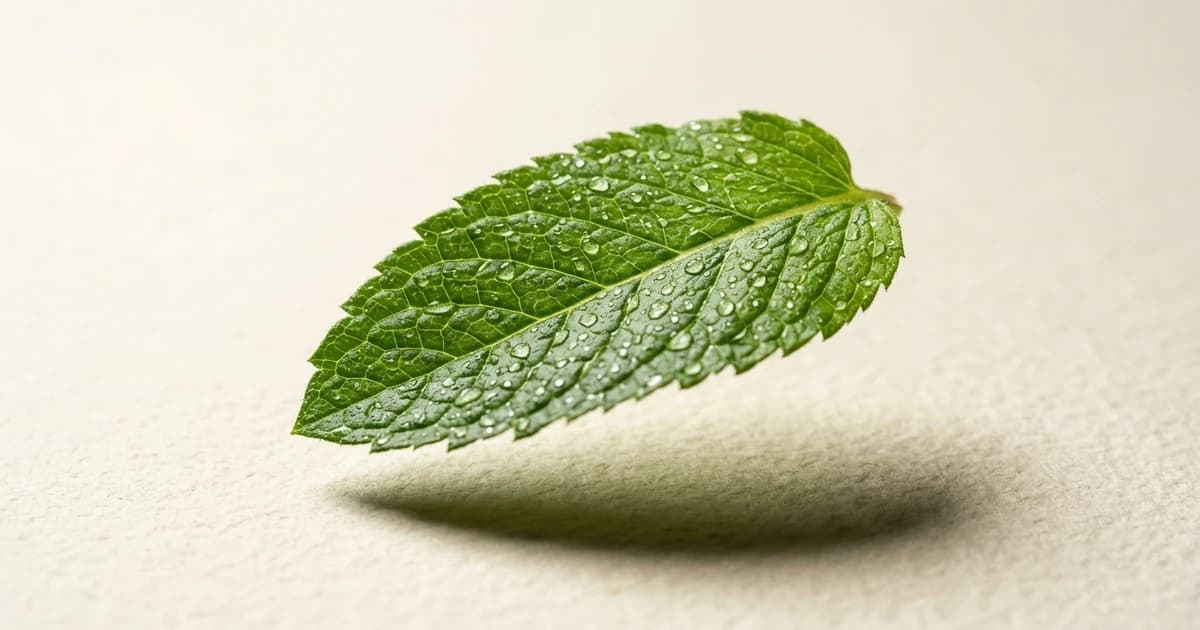
Does mint help you focus? Peppermint aroma studies show modest gains in alertness and memory, but the evidence is narrower than most sites let on.

Do nootropic pouches work? The doses on the label versus the doses in the trials, what Reddit says, and what to expect in the first hour.

On JRE #2491 (Apr 29, 2026) Joe Rogan said he quit nicotine pouches for Ultra, a nicotine-free pouch. The quote, the ZYN timeline, which claims hold up.

Brain fog isn't in Ozempic's FDA label. See the real causes behind the reports, what long-term research shows, and what actually helps focus.

Energy drink vs coffee: coffee gives ~95 mg per 8 oz with no sugar for about $0.20-0.50; energy drinks fix the dose at 160-200 mg and cost more.

Monk mode explained: where the term came from, which rules the evidence backs, whether it is healthy, and a 30-day protocol that holds up.

Nodding off and can't leave your seat? Try this 60-second reset first, then research-backed tricks like gum, posture shifts, and active note-taking.

Lock in meaning explained: where the slang came from, what the Great Lock-In trend is, and why telling yourself to lock in actually works.

Does coffee break a fast? Black coffee, caffeine, creamers, and what actually matters for intermittent fasting protocols in 2026.

Do nicotine pouches break a fast? Zyn, nicotine while fasting, caloric vs stricter protocols, and nicotine-free pouch options.

Does nicotine suppress appetite? The science, rebound hunger catch, and why that is not a reason to start nicotine for fasting.

Does coffee suppress appetite? What caffeine research supports, how it fits fasting windows, and soft limits without weight-loss claims.

How to rank pouches for fasting: calories, duration, and dose count. Why one 6 to 8 hour pouch beats stacking short-acting tins in a morning window.