Does Matcha Have Caffeine? Per Gram, Per Cup, and vs Coffee
Yes: matcha runs about 19 to 44 mg of caffeine per gram, roughly 20 to 90 mg per cup. Full table by serving size, grade, and Starbucks latte size.
Free U.S. shipping on orders $35+ · Subscribe & save
All articles

Yes: matcha runs about 19 to 44 mg of caffeine per gram, roughly 20 to 90 mg per cup. Full table by serving size, grade, and Starbucks latte size.

Yes, period cravings are real. Here is what luteal phase hormones do to insulin and appetite, when cravings start, and what actually helps.

Suntheanine is Taiyo's patented, enzymatically made L-theanine. See how it's made, the GRAS status, and what the human studies actually show.

What MSK, NCCIH, Drugs.com and WebMD actually say about L-theanine interactions, plus a drug-by-drug table ranked by real evidence level.

The caffeine nap protocol backed by real research: how much caffeine, how long to nap, and why 20 minutes is the number that actually works.

Acute, chronic, and with-carbohydrate sucralose trials point different directions. See the studies and where FDA, JECFA, and EFSA stand today.

A sleep-debt and sleep-inertia based plan for waking up early, even after a late night, using light timing, movement, and smarter caffeine timing.

Food noise is intrusive, repetitive thinking about food. Here is the real definition, what causes it, and ways to quiet it without medication.

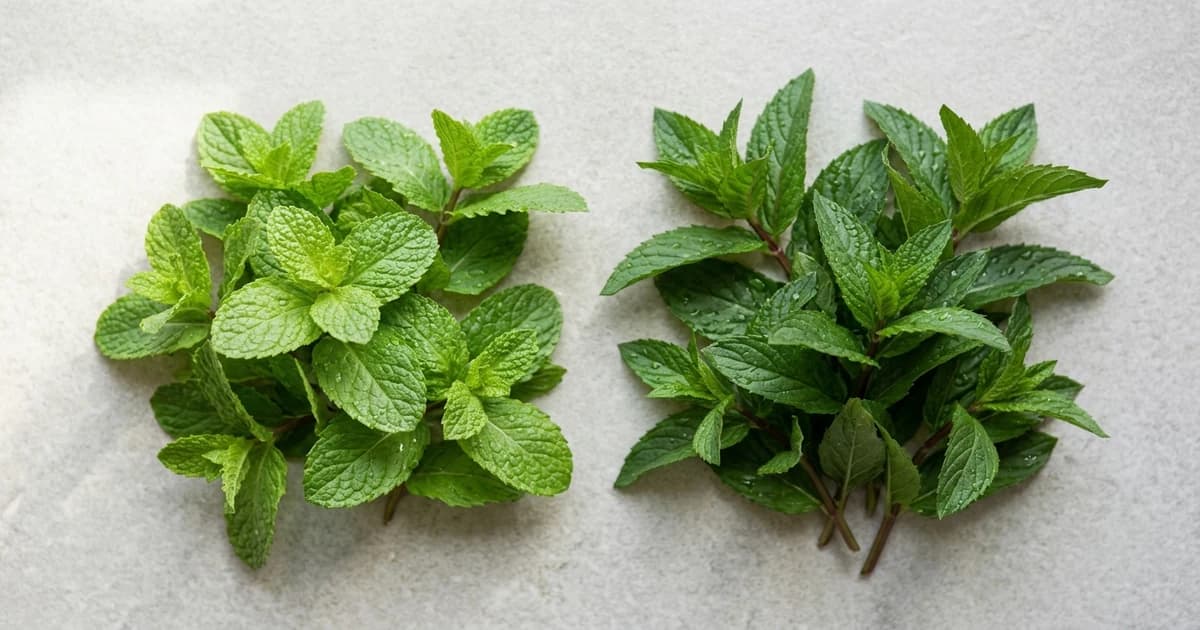
Spearmint vs peppermint explained by chemistry: why peppermint feels cold from menthol and spearmint tastes sweet from carvone, with real oil data.

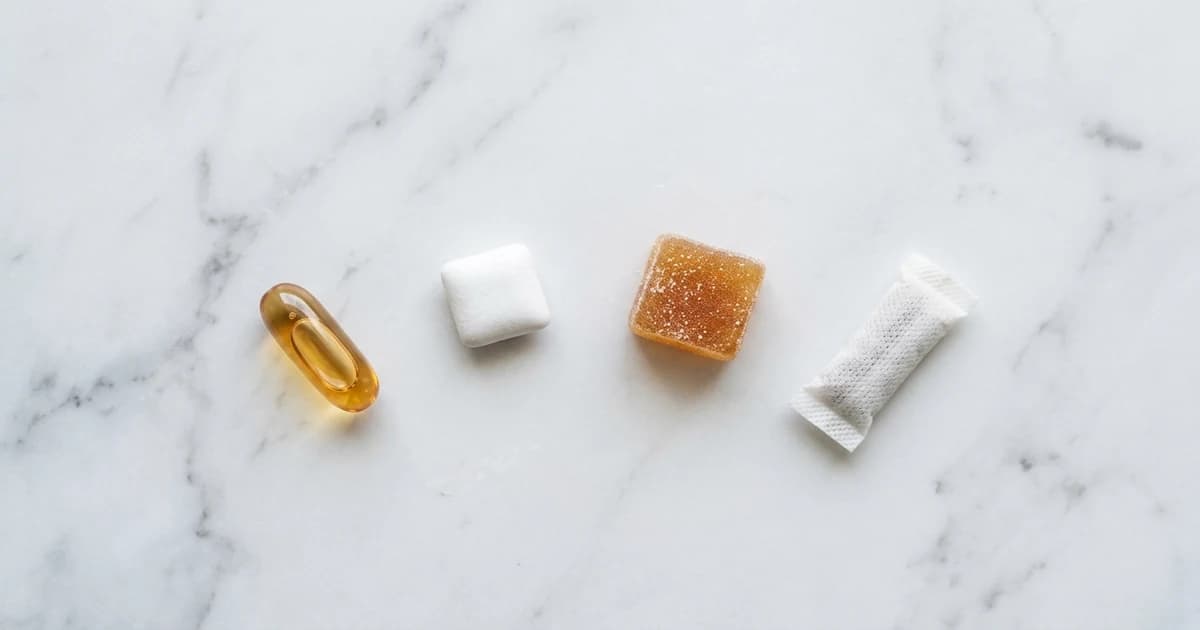
The best caffeine pills and supplements by format and dose, from 200mg tablets to stacked capsules, gum, and pouches, with real mg and price per dose.

Fre pouches near me: the official store locator, which chains carry it, online retailers, current strengths and flavors, and shipping rules.

See how many 50, 80, and 100 mg caffeine pouches fit inside the FDA's 400 mg daily limit, plus who should use a lower budget.

See labeled fatigue rates for Ozempic, Wegovy, Mounjaro and Zepbound side by side, why GLP-1s cause tiredness, and what actually helps.

Pre-workout kicks in within 15-45 minutes and feels strongest for 1-3 hours, but caffeine's 5-hour half-life means it lingers longer than you feel it.

Sugar crash, caffeine crash, or both: the real 3-hour timeline behind an energy drink crash, with brand numbers and what actually softens it.

Caffeine rarely spikes hunger on its own. See what research says about blood sugar, cortisol, and coffee additives behind post-coffee hunger.

What breaks a fast depends on your goal. See the calorie, insulin, and autophagy verdicts for coffee, gum, sweeteners, creatine, and more in one table.

A single shot of espresso has about 75 mg of caffeine, a double about 150 mg. Full table by chain and pull style, plus how it compares to coffee.

Nodding off and can't leave your seat? Try this 60-second reset first, then research-backed tricks like gum, posture shifts, and active note-taking.

Lock in meaning explained: where the slang came from, what the Great Lock-In trend is, and why telling yourself to lock in actually works.

TeaCrine and creatine are unrelated compounds. Here is what each one is, what each is actually for, and why the names get confused.

Took Dynamine and felt nothing? Five measurable reasons it happens, from caffeine tolerance to a half-life shorter than most people expect.

What happens when you take Dynamine and caffeine together, including the measured effect on caffeine clearance and what it means for timing.

How Dynamine (methylliberine) differs from caffeine: measured onset, a half-life roughly four times shorter, and what the trials found.