How to Take a Caffeine Nap: The 20-Minute Protocol (and Why a Pouch Changes the Math)

How to Take a Caffeine Nap: The 20-Minute Protocol (and Why a Pouch Changes the Math)
A caffeine nap, sometimes called a coffee nap or nappuccino, is exactly what it sounds like: consume caffeine, fall asleep immediately, and set an alarm for 20 minutes. It works because caffeine takes time to absorb while sleep clears the adenosine that makes you drowsy. And yes, a caffeine nap is real. A 1997 Loughborough driving-simulator trial (Reyner & Horne, n=12) found that 200 mg caffeine plus a 15-minute nap reduced driving incidents to roughly 9% of placebo levels, compared to 34% with caffeine alone. You can run this protocol during your next lunch break.
Below is the full protocol, the science that sets the timer, and an honest look at whether switching from swallowed coffee to a buccal pouch changes anything.
Key Takeaways
- Consume caffeine, lie down immediately, wake in 20 minutes. Order matters. The caffeine nap benefits come from timing, not from more caffeine.
- A 20-minute nap with caffeine is the ceiling. Longer naps pull you into slow-wave sleep and the grogginess that follows.
- Buccal caffeine (gum, pouches) reaches peak blood levels roughly twice as fast as swallowed caffeine, but no study has tested an oral pouch specifically.
- A caffeine nap is a tactical tool for acute sleepiness, not a replacement for actual sleep.
Before You Start
You need a caffeine source, a place to recline, and a timer.
Caffeine dose. The studies that validated this protocol used 200 mg, roughly the amount in a strong 12 oz drip coffee. A half-shot latte will not cut it.
Timing window. Aim for 1:00 to 3:00 p.m., during your circadian dip. Caffeine's average half-life is ~5 hours (range 1.5 to 9.5), so a 3:00 p.m. dose still has half its punch at 8:00 p.m.
Sleep debt check. If you slept fewer than four hours last night, a 20-minute nap will not rescue you. This protocol blunts acute sleepiness, not chronic debt.
| Step | Action | Timing |
|---|---|---|
| 1 | Consume caffeine (coffee, pouch, gum, or pill) | T+0 min |
| 2 | Lie down, close eyes, set alarm | T+1 min |
| 3 | Sleep or rest quietly (do not check your phone) | T+1 to T+20 min |
| 4 | Alarm fires, sit up, get light exposure | T+20 min |
| 5 | Full alertness kicks in | T+25 to T+35 min |
Step 1: Consume Caffeine Fast, Then Stop
Get caffeine into your system and lie down. Sipping a pour-over for 15 minutes defeats the purpose because absorption starts before you sleep.
Drink coffee in a few large gulps, or use a format that skips sipping: a caffeine pill, gum, or pouch. The faster you finish, the more nap time you buy. Skip heavy food beforehand; it slows gastric emptying and delays absorption.
Step 2: Lie Down Immediately and Set a 20-Minute Alarm
Twenty minutes is not arbitrary. Two lines of evidence set the number.
Caffeine absorption. Swallowed caffeine reaches peak plasma concentration (Tmax) at roughly 84 to 120 minutes (Kamimori et al., 2002, n=84). But blood levels start rising within 15 to 20 minutes, which is why you feel something as you wake.
Sleep architecture. Brooks and Lack (2006) (n=24) compared naps of 5, 10, 20, and 30 minutes. Ten minutes produced the best immediate alertness. Thirty minutes showed no benefit until 35 to 95 minutes after waking because subjects entered slow-wave sleep, triggering sleep inertia: heavy grogginess.
Twenty minutes is long enough to clear adenosine through light sleep, short enough to avoid slow-wave territory. If you fall asleep within 5 minutes, you get ~15 minutes of actual sleep, matching Reyner and Horne's protocol. You do not need full sleep. The 1996 Loughborough trial found that even non-sleep dozing reduced driving impairments.
Step 3: Wake Up and Get Moving
Sit up. Do not snooze. Caffeine is now entering your bloodstream while the nap just cleared adenosine from your A1 receptors. Rising caffeine meets lowered sleep pressure. That double clearance is the whole mechanism.
Add bright light. A 2003 study (Hayashi, Masuda & Hori, n=10) found that a short nap plus caffeine plus bright light beat any single intervention for mid-afternoon sleepiness. Full alertness typically arrives within 5 to 15 minutes.
Does the Form of Caffeine Change the Protocol?
Kamimori et al. (2002) measured caffeine absorption from chewing gum versus capsules in 84 subjects. Caffeine delivered through the buccal mucosa (cheek and gum lining) reached Tmax at 44 to 80 minutes, roughly half the time of swallowed capsules. Buccal absorption bypasses first-pass liver metabolism and enters the bloodstream more directly (how buccal caffeine absorbs faster).
A caffeine pouch sits against the gum the same way, so the extrapolation is reasonable (buccal vs digestive absorption explained). But no published study has measured Tmax for caffeine from an oral pouch specifically. The gum data gives us a direction, not a pouch-validated number. If buccal caffeine does hit the bloodstream faster, the rising curve overlaps more tightly with the 20-minute window. Whether that produces a measurably better outcome than coffee is an open question.
Is the "8-Minute Navy SEAL Nap" Real?
This traces to former Navy SEAL Jocko Willink: nap 8 minutes with feet elevated above your heart. No peer-reviewed study validates it. In the Brooks and Lack data, 5 minutes was the least effective duration tested. Eight minutes falls between their 5- and 10-minute conditions, and the feet-elevation piece has no published evidence behind it. If 8 minutes is all you have, rest. But 10 to 20 minutes is what the data supports.
"Caffeine Makes Me Sleepy. Does That Mean I Have ADHD?"
No. Some people with ADHD report a paradoxical calming response to caffeine, but no published clinical study establishes "caffeine makes you sleepy" as a diagnostic indicator. Caffeine can make anyone drowsy through mundane mechanisms: adenosine rebound, dehydration, or tolerance from chronic intake. If you suspect ADHD, talk to a clinician.
When a Caffeine Nap Will Not Work
Too close to bedtime. A caffeine nap after 4:00 p.m. trades afternoon alertness for nighttime insomnia. A 4:00 p.m. dose still has half its concentration at 9:00 p.m. given caffeine's ~5-hour half-life. See why caffeine half-life varies.
High tolerance. If you drink 4+ cups daily, 200 mg may not produce a noticeable bump. Tolerance does not eliminate caffeine's effects, but it raises the floor.
Severe sleep debt. One or two bad nights respond well to this protocol. A week of 4-hour nights does not. The adenosine backlog is too large for 20 minutes of light sleep to dent.
Anxiety. If caffeine makes you jittery, layering it onto a nap you are already struggling to fall asleep for is counterproductive. For more on why the afternoon crash happens, start there.
How to Time Your Caffeine Nap
The caffeine nap is a studied technique for clearing acute afternoon sleepiness. The protocol is simple: caffeine in, eyes closed, alarm at 20 minutes. The mechanism (caffeine blocks adenosine receptors while sleep clears adenosine itself) is well established. Keep the nap short, the dose adequate, and do not mistake a tactical tool for a substitute for real sleep.
Frequently Asked Questions
What is a nappuccino?
A pop-culture term for a caffeine nap. Same protocol: consume caffeine, nap 15 to 20 minutes, wake as the caffeine kicks in.
What is the best time of day for a caffeine nap?
Between 1:00 and 3:00 p.m., during your natural circadian dip. This leaves enough buffer before bedtime for caffeine to clear.
Can I take a caffeine nap every day?
You can, but daily use accelerates caffeine tolerance, dulling the alertness boost. Two to three times per week preserves the effect better.
Does it matter if I drink coffee or use a caffeine pill?
For swallowed forms, dose matters more than format. A pill takes seconds; coffee takes minutes. Buccal formats (gum, pouches) absorb faster, reaching Tmax at roughly 44 to 80 minutes versus 84 to 120 for capsules.
What if I cannot fall asleep during the nap?
Resting with your eyes closed still helps. The Loughborough study found that even non-sleep dozing reduced impairment. Lie still and let the timer run.
Is a caffeine nap safe?
For healthy adults under 400 mg caffeine per day (FDA guidance), yes. If you are pregnant, have a heart condition, or take medications that interact with caffeine, consult your doctor.
How is a caffeine nap different from just drinking coffee?
Coffee blocks adenosine receptors but does not clear adenosine already bound to them. Sleep does. The combination reduces adenosine (nap) and blocks re-binding (caffeine) simultaneously, which is why Reyner and Horne saw 9% of placebo incidents for the combo versus 34% for caffeine alone.
Does a longer nap work better?
No. Thirty minutes risks slow-wave sleep and grogginess. Brooks and Lack (2006) found a 30-minute nap showed no improvement until 35 to 95 minutes after waking, while a 10-minute nap worked immediately.
A Faster Caffeine Source for a 20-Minute Window
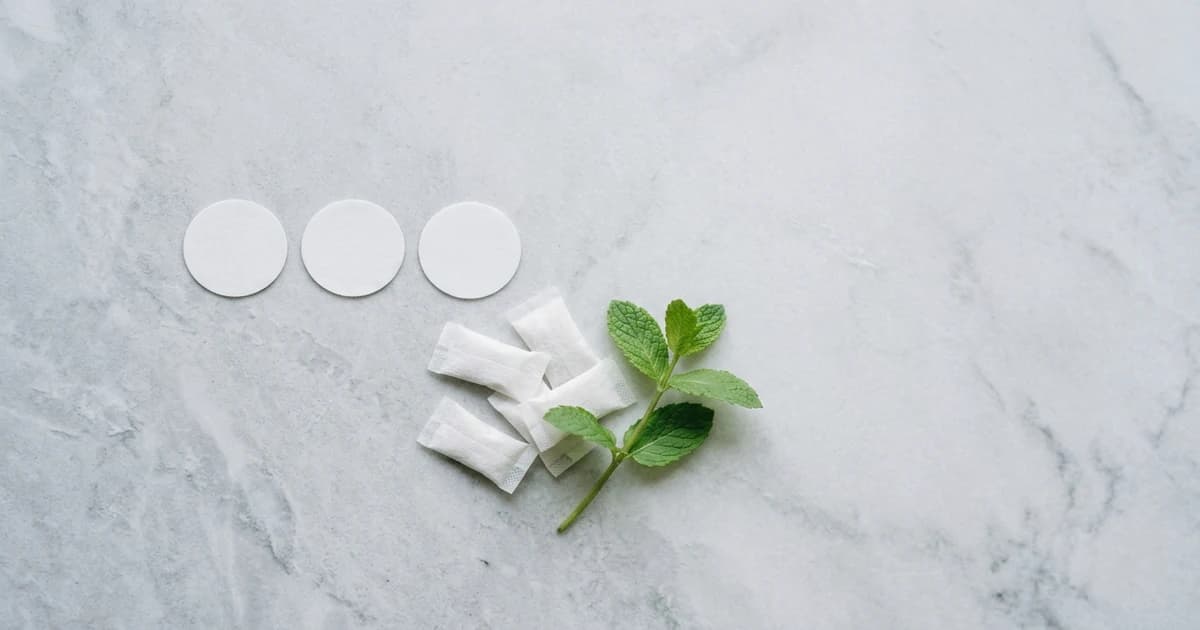
The caffeine nap protocol was designed around swallowed caffeine, which takes 20+ minutes to register in blood. A caffeine pouch absorbs through the gum lining, and if the chewing-gum pharmacokinetic data generalizes (not yet confirmed for pouches), the onset curve tightens.
Roon is a zero-nicotine oral pouch built around caffeine, L-theanine, methylliberine (Dynamine), and theacrine (TeaCrine). Park it in your upper lip, lie down, and skip the part where you chug hot liquid and then try to relax. L-theanine smooths the caffeine response; methylliberine extends the tail. The felt window is 6 to 8 hours, longer than this protocol needs, but it means you are not reaching for another dose at 4:00 p.m.
Roon is not a sleep product and not a substitute for the nap itself. The nap clears adenosine. The pouch delivers caffeine without brewing, swallowing, or a trip to the kitchen. Tins start at $9.16 per tin on a 12-tin subscription (as little as $0.61 per pouch). If the protocol interests you but hot coffee before a nap does not, it is worth trying.
Related from Roon
- The science of power naps
- How buccal caffeine absorbs faster
- Why caffeine half-life varies
- Why the afternoon crash happens
Written by Roon Team