Best Nicotine-Free Pouches: 10 Brands Compared by Dose
Roon Team
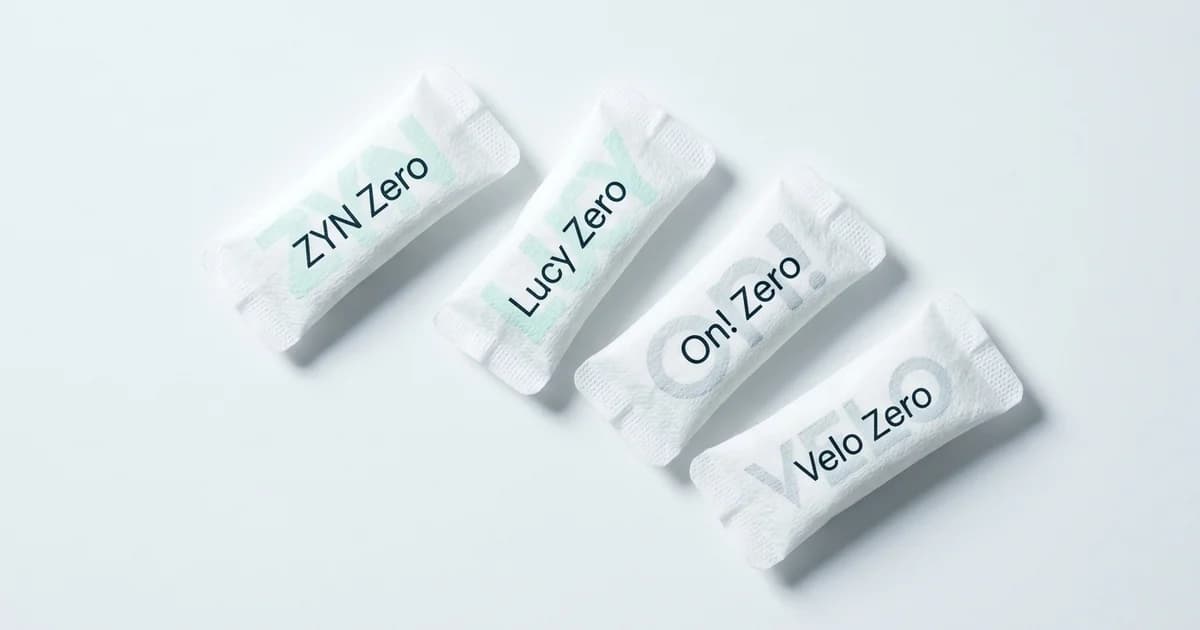
Best Nicotine-Free Pouches for Mental Clarity (2026 Comparison)
The best nicotine-free pouches combine fast sublingual absorption with ingredients backed by published human trials, not marketing copy. The category has grown fast since 2024, and the gap between the top products and the filler is enormous. Below: seven nicotine-free focus pouches ranked head-to-head on ingredients, duration, and real cost per pouch.
This guide compares seven of the top nicotine-free focus pouches on the market in 2026, identifies what separates the leaders from the rest, and calls out the gaps most brands still refuse to fix.
Who wrote this and how we compared: Roon makes one of the pouches on this page, so read our ranking as a manufacturer's view. We compared each brand on what its own label and website publish: active ingredients, milligrams per pouch, pouch count, and listed price, checked in September 2026. We did not lab-test competitor products. Where a brand does not publish a number, we say so instead of estimating.
Quick-Reference Comparison Table
| Rank | Brand | Active Ingredients | Caffeine (mg) | Pouches/Can | Price/Pouch | Best For |
|---|---|---|---|---|---|---|
| 1 | Roon | 80 mg caffeine, 60 mg L-theanine, 25 mg Dynamine, 5 mg TeaCrine | 80 | 15 | $1.00 one-time; $0.61 subscribed | Sustained 6-8 hr focus with tolerance resistance |
| 2 | Ultra | Enfinity paraxanthine, L-theanine, Alpha GPC, Panax Ginseng, B6, B12, none with a published mg amount | 0 | 15 | $1.07 one-time ($16.00 per can) | Caffeine-sensitive users wanting a stimulant that is not caffeine |
| 3 | Nectr Focus | 30 mg caffeine, 62.5 mg Cognizin Citicoline | 30 | 15 | ~$0.33-$0.53 | Branded-ingredient transparency on a mild caffeine dose |
| 4 | Dialed In | Citicoline 48 mg, N-acetyl L-tyrosine 48 mg, L-theanine 48 mg, theobromine 29 mg, guarana 22 mg, B6, B12 | From guarana, amount not published | 20 | $0.30 | The lowest price per pouch on this list |
| 5 | FlowBlend SPEAR | 150 mg Alpha GPC, 50 mg Rhodiola, 40 mg L-Theanine, 15 mg Uridine | 0 | 20 | $0.75 single can; $0.60 on the 5-pack | Adaptogen-focused nootropic support with full dose transparency |
| 6 | NZE Focus | L-Theanine, Alpha GPC and L-Tyrosine, amounts not published | 0 | 15 | ~$0.47 | Clean-label, zero-stimulant simplicity |
| 7 | Grinds Focus | 40 mg Alpha GPC, 40 mg L-Theanine | 0 | 18 | $0.44 | Budget entry point for pouch newcomers |
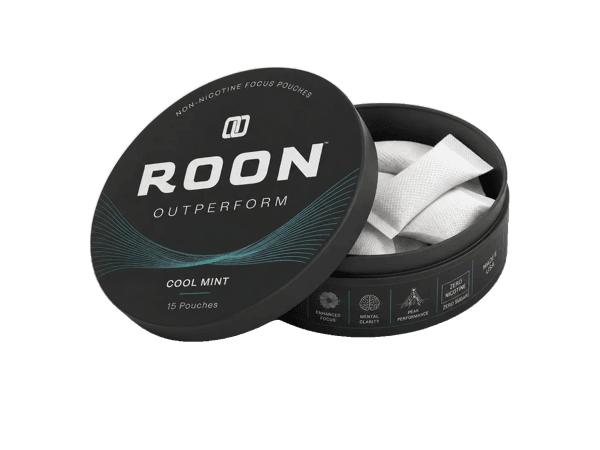 RoonOne pouch RoonOne pouch |  Coffee8 fl oz Coffee8 fl oz |  Energy drink8.4 fl oz can Energy drink8.4 fl oz can | 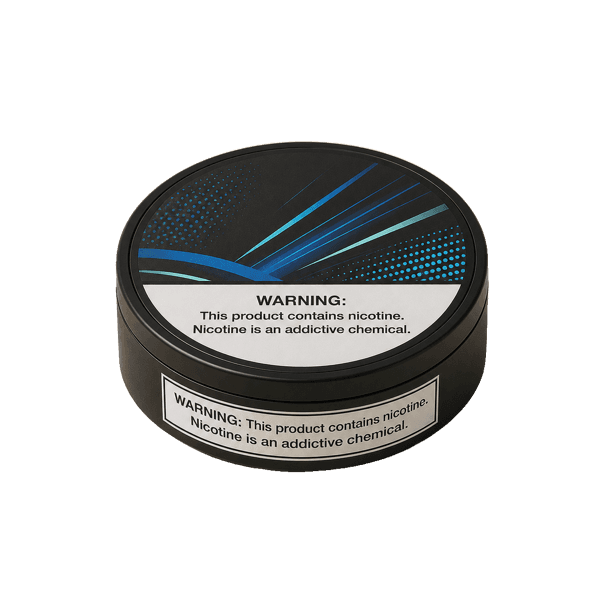 Nicotine pouchOne pouch Nicotine pouchOne pouch |  Other pouchesNon-nicotine Other pouchesNon-nicotine | |
|---|---|---|---|---|---|
| CaffeineCaffeine | 80 mg | ~95 mg | 200–300 mg | 0 mg | 100–200 mg |
| SynergistsSynergists (L-theanine, Dynamine®, TeaCrine®) | Yes | No | No | No | No |
| Fast onsetFast onset (5 to 10 min) | Yes | No | Sometimes | Yes | Yes |
| Lasts 6-8hLasts 6 to 8 hours | Yes | No | No | No | No |
| No crashNo crash or jitters | Yes | No | No | Sometimes | Sometimes |
| No nicotineNo nicotine | Yes | Yes | Yes | No | Yes |
| No sugarNo sugar | Yes | Yes | No | Yes | Yes |
Key Takeaways:
- The best nicotine-free pouches vary wildly in ingredient quality, effect duration, and price per pouch. A $0.40 pouch that fades in 90 minutes is not cheaper than a $1.00 pouch that carries you for 6-8 hours.
- The caffeine + L-theanine pairing is one of the most replicated findings in nutritional neuroscience. A 2010 trial in Nutritional Neuroscience found that 97 mg L-theanine paired with 40 mg caffeine improved attention-switching accuracy and reduced susceptibility to distraction in 44 young adults. Several popular brands skip this pairing entirely.
- Only one brand on this list combines caffeine with theacrine and methylliberine, two compounds shown to extend focus duration and resist tolerance buildup across 8 weeks of daily use.
- Non-nicotine pouches for focus are either caffeine-free (relying on nootropics alone) or include caffeine without the supporting stack to prevent a crash.
How Were the Best Nicotine-Free Pouches Evaluated?
Every product was assessed across five criteria. No brand paid for placement.
- Ingredient transparency: Are doses disclosed per pouch, or hidden behind a proprietary blend?
- Cognitive stack quality: Does the formula include ingredients with published human trial data?
- Duration of effect: Does the product deliver sustained focus (2+ hours), or a short spike?
- Side effect profile: Any jitters, crashes, or dependency risk?
- Price per pouch: What does a single serving actually cost?
These criteria, grounded in how nootropic pouches work, separate the best nicotine-free pouches from products that coast on branding alone.
The 7 Best Nicotine-Free Focus Pouches, Ranked
1. Roon
Best for: All-day focus (6-8 hours) with no tolerance buildup.
Roon is a sublingual pouch built on a four-ingredient cognitive stack: 80 mg caffeine, 60 mg L-theanine, 25 mg methylliberine (Dynamine), and 5 mg theacrine (TeaCrine). It is the only product on this list that combines caffeine with two additional methylxanthines designed to extend the focus window and resist habituation.
How the stack works. Methylliberine has a faster onset than caffeine. Theacrine has a longer half-life. Combined, the three methylxanthines create a staggered activation curve: methylliberine kicks in within 5-10 minutes, caffeine sustains the middle, and theacrine extends the tail. The result is 6-8 hours of sustained focus from a single pouch, compared to the 1-2 hours most competitors deliver.
Tolerance resistance. A 2016 study in the Journal of the International Society of Sports Nutrition placed 60 participants into three groups (placebo n=20, 200 mg TeaCrine n=19, 300 mg TeaCrine n=21) and tracked them over 8 continuous weeks of daily use. The result: no signs of habituation, tolerance buildup, or changes in hemodynamic markers at either dose. Your second month should feel like your first. Caffeine alone cannot make that claim.
The crash gap. L-theanine smooths out caffeine's stimulatory effects, promoting alert calm instead of anxious energy. A 2008 study in Nutritional Neuroscience confirmed that L-theanine modulates aspects of brain function in humans, with measurable effects on alpha brain wave activity within 30 minutes of ingestion.
The combination advantage. A randomized crossover study published in Cureus tested a combination of 125 mg caffeine, 75 mg Dynamine, and 50 mg TeaCrine against caffeine alone and placebo in adult male esports players. The combination improved cognitive performance and reaction time without negatively affecting mood, and outperformed caffeine alone. No other nicotine-free focus pouch on this list uses that stack.
Price: $1.00 per pouch one-time ($15.00/tin of 15 in a 4-tin bundle), or $0.61 per pouch on the 12-tin subscription ($9.16/tin). Not the cheapest on this list by sticker price. But if one Roon pouch replaces two or three shorter-acting pouches per session, the per-hour cost of focus is lower.
Format: Cool Mint, zero nicotine, sublingual delivery.
Honest limitation: At $1.00 per pouch (one-time), Roon costs roughly 2x more than most caffeine-free competitors on a per-unit basis. If you only need 60-90 minutes of light focus and caffeine sensitivity is a concern, a stimulant-free option like NZE or Grinds Focus is a better fit.
2. Ultra Pouches
Best for: Caffeine-sensitive users who want a stimulant that is not caffeine.
Ultra has become one of the most visible brands in the nicotine-free pouch space, backed by an $11 million Series A and over a million cans sold since its May 2025 launch.
Ingredients: Enfinity paraxanthine, L-theanine, Alpha GPC, Panax Ginseng, Vitamin B6, Vitamin B12. Ultra names all six actives but publishes no milligram amount for any of them anywhere on takeultra.com. It does dose its Sleep pouch to the milligram on that same site, so this is a choice rather than an oversight.
The standout is enfinity, a branded form of paraxanthine, a natural metabolite of caffeine. A 2024 crossover trial published in Nutrients found that paraxanthine produced greater improvements in cognitive function than caffeine after exercise-induced fatigue. It promotes alertness with a shorter half-life than caffeine itself, meaning it clears your system faster and is less likely to disrupt sleep.
Duration: Ultra claims focus lasting 1-2 hours per pouch and recommends 3-4 pouches per day.
Price: $16.00 for a single can on takeultra.com, or $48.00 for a three-can pack, which works out to $1.07 per pouch. At 3-4 pouches per day, a single can lasts 4-5 days.
The upside: Caffeine-free formula avoids jitters entirely. Paraxanthine is a genuinely differentiated ingredient with a growing research base. Clean visual identity and strong retail presence.
The gap: 1-2 hours of focus per pouch is short. If you need to lock in for an entire afternoon, you are reaching for a second or third pouch before lunch is over. The formula also lacks ingredients specifically designed to prevent tolerance buildup over weeks of daily use. And because Ultra publishes no milligram amount for any of its six actives, you cannot verify whether any of them are present at clinically meaningful levels.
3. Nectr Focus Pouches
Best for: Branded-ingredient transparency on a mild caffeine dose.
A newer entrant that leans hard into clinical credibility. Nectr's angle is branded ingredients with published clinical trials.
Ingredients: 30 mg caffeine, 62.5 mg Cognizin Citicoline (a patented, clinically studied form of citicoline manufactured by Kyowa Hakko).
Cognizin is a well-regarded form of citicoline. A 2021 randomized, double-blind trial of 100 healthy older adults found that 500 mg/day of Cognizin citicoline over 12 weeks produced measurable improvements in episodic memory compared to placebo. Including the dose on the label is a transparency win.
Duration: The low caffeine dose (30 mg, less than half a standard 8 oz cup of coffee at roughly 95 mg per the Mayo Clinic) suggests a mild, shorter-duration effect.
Price: Mid-range, roughly $0.33-$0.53 per pouch depending on the retailer and bundle size.
The upside: Ingredient transparency is best-in-class. Every dose is printed. Using a branded, clinically validated form of citicoline is a strong move.
The gap: Only two active ingredients. No L-theanine to smooth out the caffeine, no adaptogens, no ingredients targeting sustained duration. Among performance pouches independently ranked for cognitive support, Nectr has the transparency but lacks the depth.
4. Dialed In Nootropic Pouches
Best for: Neurotransmitter-first daily stacking at the lowest price per pouch.
Dialed In leads with neurotransmitter ingredients rather than caffeine, a different philosophy than most competitors in the best nicotine-free pouches category. It is not stimulant-free, though. The Focus pouch carries theobromine and guarana, and the separate Energy pouch carries 80 mg of natural caffeine.
Ingredients: Citicoline 48 mg, N-acetyl L-tyrosine 48 mg, L-theanine 48 mg, theobromine 29 mg, guarana 22 mg, Vitamin B6, Vitamin B12.
Citicoline (as opposed to Alpha GPC, which several competitors use) is the highlight. The more bioavailable N-Acetyl L-Tyrosine form of tyrosine is a smart choice; tyrosine is a precursor to dopamine and norepinephrine, two neurotransmitters directly involved in attention and motivation.
Duration: Their site suggests effects are felt within minutes but does not specify total duration.
Price: $5.95 for a can of 20, which is $0.30 per pouch. A 250-pouch resealable bag is $60.95, or $0.24 per pouch, and the 10% subscription takes it to $0.22. They also sell a nootropic gum product.
The upside: The citicoline-over-Alpha-GPC decision is well-reasoned. The overall formula is designed for daily use without stimulant dependency.
The gap: The stimulant load is real but unquantified. Dialed In does not publish how much caffeine the 22 mg of guarana delivers, so if you are avoiding stimulants entirely this is not the pouch for you, and if you want a known caffeine dose you cannot get one here either.
5. FlowBlend (SPEAR Nootropic Pouches)
Best for: Adaptogen-focused nootropic support with full dose transparency.
The company calls SPEAR the first nootropic pouch in America and describes itself as Montana-made, small-batch and bootstrapped. It publishes no launch date and no manufacturing detail.
Ingredients: 150 mg Alpha GPC, 50 mg Rhodiola Rosea, 40 mg L-Theanine, 15 mg Uridine, 20 pouches per can. Every milligram is printed on the label.
Rhodiola Rosea is a legitimate adaptogen with research supporting its role in reducing mental fatigue. The 150 mg Alpha GPC dose is the highest on this list for that ingredient.
Duration: Not explicitly stated. Anecdotal reports suggest 1-2 hours.
Price: $14.95 per can of 20 pouches, or $0.75 per pouch. The 5-pack brings it to $0.60 per pouch.
The upside: Full dose disclosure across all four ingredients. More pouches per can (20 vs. the standard 15). The inclusion of Rhodiola and Uridine gives this a more complete nootropic profile than several competitors.
The gap: No caffeine or caffeine alternative means the onset is slower and the subjective "kick" is milder. 40 mg of L-Theanine is below the 100-200 mg range used in most clinical studies (Owen et al., 2008). At $0.75 per pouch with no stimulant, the per-hour value depends entirely on whether the nootropic-only approach works for your neurochemistry.
6. NZE Focus Pouches
Best for: Clean-label, zero-stimulant simplicity at retail scale.
NZE positions itself as the clean-label option among the best nicotine-free pouches, and a direct Roon vs NZE pouch comparison shows the trade-offs of that approach. The brand emphasizes no sugar and no artificial sweeteners across its entire line.
Ingredients: L-Theanine, Alpha GPC and L-Tyrosine, with no milligram amount published for any of them on the product page. Sweetened with Stevia and Xylitol. 15 pouches per can.
This is a simple, three-ingredient nootropic stack. L-Tyrosine is a solid addition as a precursor to dopamine and norepinephrine. The formula is caffeine-free. NZE also sells a separate 50 mg caffeine energy pouch, but the Focus line keeps stimulants out entirely.
Duration: Not specified. Given the ingredient profile, expect effects in the 1-2 hour range.
Price: A 5-pack (75 pouches total) is roughly $34.99 on the NZE site, or about $0.47 per pouch. NZE's own store locator names MAPCO, Circle K, Kwik Trip, Murphy USA, QuikTrip, Jacksons and Sheetz. It does not name Costco or Walmart.
The upside: Genuinely clean label. No artificial sweeteners, no fillers, no stimulants. Broad convenience-store availability. Good option for people who are sensitive to caffeine.
The gap: NZE publishes no milligram amount for any of its three actives, so you cannot check the Alpha GPC against the 300-600 mg range used in most published studies (Parker et al., 2015). There is nothing in this formula to extend duration of focus or provide any energy component. If you need non-nicotine pouches for focus during a demanding workday, you may find the effects too subtle without pairing it with your morning coffee.
7. Grinds Focus Pouches
Best for: Budget entry point for pouch newcomers.
Grinds built its reputation on coffee pouches for people quitting dip. Their Focus line is a newer addition targeting the nicotine-free focus pouches crowd.
Ingredients: 40 mg Alpha GPC, 40 mg L-Theanine. No caffeine in the Focus line (their coffee pouches contain caffeine separately). 18 pouches per can.
This is the most minimal formula on the list. Two ingredients, both dosed at 40 mg.
Duration: Not specified.
Price: $7.95 per can of 18 pouches on the Grinds site, or $0.44 per pouch. Three cans are $18.95.
The upside: Affordable entry point. Grinds has strong brand recognition in the tobacco-alternative space. Blue raspberry and ginger mint flavors.
The gap: 40 mg of Alpha GPC and 40 mg of L-Theanine are low doses by clinical standards. Most studies on L-Theanine use 100-200 mg (Owen et al., 2008). Most studies on Alpha GPC use 300-600 mg (Parker et al., 2015). At these doses, you are getting a fraction of what the research actually tested. This feels more like a flavored pouch with a dusting of nootropics than one of the best nicotine-free pouches for serious cognitive work.
Nicotine-Free Dip and Herbal Pouches: A Different Job
The seven focus pouches above are built around nootropic stacks and sublingual delivery of cognitive ingredients. A second, older category of nicotine-free pouches exists for a completely different purpose: replacing the physical ritual of dip, chew, or snus. These products mimic the texture, cut, and lip feel of smokeless tobacco without delivering nicotine or a cognitive stack. They are designed for people quitting dip rather than people chasing a focus window, and they should be evaluated on flavor, mouthfeel, and how well they replicate the habit, not on ingredient potency.
| Brand | What it is made of | Caffeine | Pouches per can | Price per can | Best for |
|---|---|---|---|---|---|
| Grinds Coffee Pouches | Flavored coffee grounds, B-vitamins, taurine | Yes, from coffee (25–100 mg per pouch depending on flavor; 2x Caffeine lines contain ~50 mg per pouch) | Approximately 18-20 | Check getgrinds.com for current pricing | Coffee-flavored dip replacement with a caffeine kick |
| Black Buffalo ZERO | Barn-cured leafy greens grown on American soil, food-grade additives | None | Not published on the product page | Check blackbuffalo.com for current pricing | Closest look and feel to real dip without tobacco or nicotine |
| Smokey Mountain | Corn silk, kudzu root, molasses, glycerine, salt, natural flavor | None (non-caffeinated pouches; caffeinated pouches sold separately) | Check smokeysnuff.com for current packaging details | Check smokeysnuff.com for current pricing | The original herbal snuff, on the market since 1985 |
| Jake's Mint Chew | Mint, vegetable glycerin, organic vegetable oil, organic natural flavors, water, gum acacia, xylitol, citric acid | None | Approximately 18–20 | $6.99 per sample tin, shipping included (multi-tin cases priced separately) | Sugar-free, all-mint dip replacement you can swallow |
| Fully Loaded (Bullseye line) | Herbal blend with mint leaves or tea leaves, food-grade ingredients | None | Not published on the product page | Check fullyloadedchew.com for current pricing | Step-down from nicotine pouches (Fully Loaded also sells nicotine versions at different strengths) |
If your goal is to quit dip and you do not care about cognitive enhancement, start here rather than with the focus pouches above. These products are built to satisfy the hand-to-lip ritual and the feeling of having something packed in your cheek, and that behavioral replacement is what most former dippers say matters more than any ingredient on the label.
What Do Most Best Nicotine-Free Pouches Still Get Wrong?
After evaluating all seven products, three patterns stand out.
Most formulas are too short-acting. The brands that do specify duration claim 1-2 hours. That is one focused sprint, not a focused workday. If you need four hours of deep work, you are consuming two to four pouches, which drives up cost and ingredient load. The best nicotine-free pouches should deliver longer than a single Pomodoro session.
Almost none address tolerance. Caffeine tolerance is real. Your body adapts, and you need more to get the same effect. Most nicotine-free focus pouches either include caffeine without any tolerance-mitigation strategy, or avoid caffeine entirely (which solves the tolerance problem but sacrifices the energy component). The TeaCrine safety study referenced above found zero habituation across 60 participants over 8 weeks. That is a property none of the other six products use.
The caffeine + L-Theanine pairing is underused or underdosed. The 2010 trial by Giesbrecht et al. found that 97 mg L-theanine and 40 mg caffeine improved cognitive performance and increased subjective alertness compared to placebo in 44 participants. This is one of the most replicated findings in nutritional neuroscience, yet Roon is the only product on this list that pairs caffeine with L-theanine at doses in the range studied.
No other product combines caffeine with duration-extending compounds. The Cureus study showed that the caffeine + theacrine + methylliberine combination outperformed caffeine alone on cognitive measures. Roon is the only pouch on this list that uses all three methylxanthines together.
How to Pick the Right Nicotine-Free Pouch for You
The "best" nicotine-free pouch depends on what you are optimizing for. Here is a quick decision framework:
- You need 6-8 hours of deep focus and tolerance resistance: Roon. The four-ingredient methylxanthine stack is built for this.
- You are caffeine-sensitive but still want a stimulant: Ultra. Paraxanthine provides alertness without caffeine's longer half-life.
- You want zero stimulants of any kind: NZE Focus, Grinds Focus or FlowBlend SPEAR. All three are caffeine-free with no other stimulant.
- You want branded, clinically validated ingredients at a low price: Nectr Focus. Cognizin Citicoline is well-studied.
- You want full dose transparency with an adaptogen stack: FlowBlend SPEAR. Every milligram is on the label.
- You are testing the pouch format for the first time and want to keep costs low: Grinds Focus at $0.44, or Dialed In at $0.30 if the guarana does not bother you.
The Evidence on Nicotine-Free Focus Pouches
The best nicotine-free pouches borrow from decades of published nootropic research and apply it to sublingual delivery. That distinction matters. Sublingual absorption bypasses first-pass liver metabolism and delivers active compounds into the bloodstream faster than capsules or powders.
The core science is not controversial. Caffeine improves reaction time, vigilance, and working memory at doses of 40-300 mg, per the FDA's guidance on caffeine safety. L-theanine promotes alpha brain wave activity and reduces the jitteriness caffeine can cause. Theacrine acts on the same adenosine receptors as caffeine but does not trigger tolerance at the same rate.
What is still being studied: optimal dose ratios, long-term (12+ month) habituation profiles, and whether sublingual delivery changes effective dosing thresholds compared to oral ingestion. If you take prescription medications or have a medical condition, consult your doctor before adding any focus pouch to your routine.
Frequently Asked Questions
Do nicotine-free pouches actually work for focus?
Yes, but the effect depends entirely on the ingredients and their doses. Pouches containing clinically studied compounds like caffeine, L-theanine, citicoline, or theacrine have peer-reviewed evidence supporting cognitive benefits. A 2010 trial found that caffeine paired with L-theanine improved attention accuracy in 44 adults. A pouch with 40 mg of a single nootropic will feel very different from one with a full four-ingredient stack at research-relevant doses. Check the label for specific milligram amounts before buying.
Are nicotine-free pouches safe for daily use?
Most nicotine-free pouches use ingredients classified as Generally Recognized as Safe (GRAS) by the FDA, including caffeine, L-theanine, and B vitamins. A 2016 JISSN study on TeaCrine found no adverse changes in hemodynamic or clinical safety markers over 8 weeks of daily supplementation in 60 participants. That said, if you have a medical condition or take prescription medications, consult your doctor first.
How long does the focus effect from a nicotine-free pouch last?
It varies by product. Most caffeine-free nootropic pouches deliver 1-2 hours of noticeable effect. Products that combine caffeine with longer-acting methylxanthines like theacrine and methylliberine can extend that window to 6-8 hours. Duration also depends on individual metabolism and whether you have eaten recently.
What is the difference between paraxanthine and caffeine in pouches?
Paraxanthine is a natural metabolite your liver produces when it breaks down caffeine. It promotes alertness with a shorter half-life, meaning it clears your system faster and is less likely to disrupt sleep. A 2024 study in Nutrients found paraxanthine produced greater cognitive improvement than caffeine after exercise-induced fatigue. The trade-off: shorter duration of effect per dose. Ultra pouches use enfinity paraxanthine, though Ultra does not publish how much is in each one. Roon uses caffeine instead, paired with theacrine and methylliberine for extended duration.
Can nicotine-free pouches help you quit nicotine?
Nicotine-free pouches can serve as an oral fixation replacement for people transitioning away from nicotine products like dip, snus, or Zyn. They replicate the physical ritual (pouch in the lip, sublingual absorption) without delivering nicotine. They are not FDA-approved cessation aids, but many users report them as a helpful behavioral substitute during the quitting process.
How much caffeine is too much in a focus pouch?
The FDA considers up to 400 mg of caffeine per day safe for most healthy adults. A single Roon pouch contains 80 mg, roughly the amount in a small cup of coffee. Products with 150-200 mg per serving risk jitters and sleep disruption, especially if you use more than one per day. Lower-dose pouches (30-80 mg) paired with L-theanine tend to produce smoother, more controlled alertness.
Why do some nicotine-free pouches cost more than others?
Price differences come down to three factors: ingredient quality (branded, clinically tested compounds like Cognizin or Dynamine cost more than generic bulk powders), dose per pouch (higher doses require more raw material), and pouch count per tin (15 vs. 20 per can changes the per-unit math). A $1.00 pouch that delivers 6-8 hours of focus can be cheaper per hour than a $0.40 pouch that fades in 90 minutes.
What is the best nicotine-free pouch for studying?
For long study sessions (3+ hours), look for a pouch that combines caffeine with L-theanine and a duration-extending compound. Caffeine sharpens reaction time and working memory. L-theanine keeps alertness smooth. Theacrine extends the focus window. Roon's four-ingredient stack is designed for exactly this use case. For shorter study bursts under 90 minutes, a caffeine-free option like NZE Focus or Grinds Focus is sufficient and avoids any stimulant load.
Why One Pouch Lasts a Full Work Session
Most nicotine-free pouches on this list deliver caffeine alone, which means a 3-to-4-hour window before you reach for another. Roon's 80mg caffeine dose is deliberately small, roughly a small coffee. What changes the shape of the curve is the 25mg of Dynamine (methylliberine). In a human pharmacokinetic study, co-administering methylliberine with caffeine reduced caffeine's oral clearance by more than half and extended its half-life from about 7 hours to 15, with no increase in peak concentration. Same peak, longer tail. That is why Roon's felt window is 6 to 8 hours instead of coffee's 3 to 4, and that duration is what the price buys.
L-theanine (60mg) smooths the response. TeaCrine (5mg) contributes its own alertness support without building tolerance the way caffeine can. Together, one pouch covers an entire work session.
The honest trade-off: a longer half-life means you should stop at least 8 hours before bed. And Roon is not the cheapest option here. It contains no adaptogens, no mushroom extracts, and no paraxanthine. At $0.61 per pouch subscribed, you are paying for duration, not novelty ingredients. If one pouch replacing three or four matters to your workflow, that is the math worth running.
Written by Roon Team
What Are the Best Nicotine-Free Pouches, Compared Side by Side?
The best nicotine-free pouches are the ones that print every active ingredient and its exact milligram amount on the label. Ten brands are compared below on named actives, exact doses, caffeine per pouch, nicotine status, pouches per tin, and price per pouch. Seven of the ten publish a complete dose breakdown. Three name at least one active without an amount, and that gap is the most useful single filter when you are choosing between them.
Every figure below was read off the brand's own site. Where a brand does not publish a number, the cell says so rather than guessing.
| Brand | Named actives and exact mg per pouch | Caffeine per pouch | Nicotine | Pouches per tin | Price per pouch |
|---|---|---|---|---|---|
| Roon | Caffeine 80 mg, L-theanine 60 mg, methylliberine (Dynamine) 25 mg, theacrine (TeaCrine) 5 mg | 80 mg | None | 15 | $1.00 one-time ($15.00 per tin, 4-tin bundle); $0.61 on the 12-tin subscription ($9.16 per tin) |
| Ultra Focus | Enfinity paraxanthine, L-theanine, Alpha-GPC, ginseng extract, vitamin B6 and vitamin B12 are named, but no milligram amount is published for any of them | 0 mg | None | 15 | $1.07 ($16.00 per can) |
| Nectr Focus+ | L-theanine 100 mg, Alpha-GPC 85 mg, L-tyrosine 85 mg, caffeine 50 mg, Huperzine A 30 mcg, vitamin B6 2 mg, vitamin B12 2 mcg | 50 mg | None | 20 | About $0.45 (5 cans for $44.99); about $0.29 on subscription |
| Mojo | Green tea caffeine 50 mg. L-theanine, N-acetyl-L-tyrosine, panax ginseng, yerba mate, eleuthero, rhodiola, B3, B6 and B12 are named without amounts | 50 mg (a 100 mg version is also sold) | None | 15 | $0.37 on the 50 mg line (5 packs for $27.50); $0.60 on the 100 mg line |
| Wip | Natural caffeine 100 mg or 200 mg depending on strength, plus niacin, vitamin B6, vitamin B12 and chromium, published on Wip's nutritional-info page at 8 mg, 0.85 mg, 1.8 mcg and 17.5 mcg on the 100 mg can and 16 mg, 1.7 mg, 3.6 mcg and 35 mcg on the 200 mg can | 100 mg or 200 mg | None | 15 | $0.53 ($7.99 per can); $0.45 on subscription ($6.79 per can) |
| FlowBlend SPEAR | Alpha-GPC 150 mg, rhodiola rosea 50 mg, L-theanine 40 mg, uridine monophosphate 15 mg | 0 mg | None | 20 | $0.75 one-time ($14.95 per can); $0.60 on the 5-pack |
| Flow | Lion's mane 300 mg, cordyceps 150 mg, reishi 150 mg, theacrine 150 mg | 0 mg | None | 20 | $1.00 ($20.00 per can) |
| Dialed In Focus | N-acetyl-L-tyrosine 48 mg, citicoline 48 mg, L-theanine 48 mg, theobromine 29 mg, guarana 22 mg | Present, from guarana. The caffeine amount is not published | None | 20 | $0.30 ($5.95 per can) |
| Grinds Focus | Alpha-GPC 40 mg, L-theanine 40 mg | 0 mg | None | 18 | $0.44 ($7.95 per can) |
| NZE Focus | Alpha-GPC, L-tyrosine and L-theanine are named. Amounts are not published on the product page | 0 mg | None | 15 | About $0.47 (5 cans for $34.99) |
Three things fall out of the table. Pouches per tin is not standard: 15, 18 and 20 all appear, so a "cheaper can" is often just a can with more pouches in it. Caffeine ranges from zero to 200 mg, a spread wide enough that two tins sitting next to each other on the same shelf are doing completely different jobs. And the cheapest pouch here ($0.30) and the most expensive ($1.07) differ by more than three times, with no relationship at all between what a pouch costs and how much of its label the brand actually discloses.
Prices and formulas were verified against each brand's own site on August 1, 2026. They change often, so check the current label before buying.
Flow vs Ultra vs NZE vs Grinds: Which Caffeine-Free Pouch Publishes the Most?
Among the caffeine-free pouches, Flow and Grinds publish every active and its exact dose, and Ultra and NZE do not. Flow lists lion's mane 300 mg, cordyceps 150 mg, reishi 150 mg and theacrine 150 mg. Grinds Focus lists Alpha-GPC 40 mg and L-theanine 40 mg, and nothing else. Ultra publishes no amount at all, naming six actives on its product page with no milligram figure next to any of them. NZE names three actives (Alpha-GPC, L-tyrosine and L-theanine) with no amounts at all on its product page.
| Flow | Ultra Focus | NZE Focus | Grinds Focus | |
|---|---|---|---|---|
| Actives with a published mg amount | 4 of 4 | 0 of 6 | 0 of 3 | 2 of 2 |
| Stimulant | Theacrine 150 mg | Paraxanthine, amount not published | None | None |
| Caffeine | 0 mg | 0 mg | 0 mg | 0 mg |
| Nicotine | None | None | None | None |
| Pouches per tin | 20 | 15 | 15 | 18 |
| Price per pouch | $1.00 | $1.07 | About $0.47 | $0.44 |
Sources: Flow, Ultra, NZE, Grinds.
Two clarifications worth making, because the labels invite confusion. Caffeine-free is not the same as stimulant-free: Ultra's paraxanthine is a caffeine metabolite that acts as a stimulant in its own right, and Flow's theacrine is a purine alkaloid in the same chemical family as caffeine. Grinds and NZE are the only two in this group with no stimulant of any kind. Second, Flow is a mushroom and adaptogen product rather than a nootropic-stack product, so it is not really competing with the other three on the same axis even though it sits in the same aisle and shows up in the same searches.
Which Nicotine-Free Pouches Contain No Caffeine at All?
Five of the ten pouches in this comparison contain zero caffeine: Ultra Focus, FlowBlend SPEAR, Flow, Grinds Focus and NZE Focus. Of those five, only three are also free of any stimulant, because Ultra contains paraxanthine at an amount it does not publish and Flow contains 150 mg of theacrine. The caffeine-containing options are Wip at 100 mg or 200 mg, Roon at 80 mg, Mojo and Nectr Focus+ at 50 mg each, and Dialed In, which carries caffeine from 22 mg of guarana at an amount the brand does not publish.
| Pouch | Caffeine | Other stimulant | Stimulant-free? |
|---|---|---|---|
| FlowBlend SPEAR | 0 mg | None | Yes |
| Grinds Focus | 0 mg | None | Yes |
| NZE Focus | 0 mg | None | Yes |
| Ultra Focus | 0 mg | Paraxanthine, amount not published | No |
| Flow | 0 mg | Theacrine 150 mg | No |
| Nectr Focus+ | 50 mg | None published | No |
| Mojo | 50 mg | None published | No |
| Roon | 80 mg | Theacrine 5 mg, methylliberine 25 mg | No |
| Wip | 100 mg or 200 mg | None published | No |
| Dialed In Focus | From 22 mg guarana, amount not published | Theobromine 29 mg | No |
If the reason you want a caffeine-free pouch is that caffeine does not sit well with you, the distinction between column two and column three is the one that actually matters. A label that says "caffeine free" on the front of the tin can still carry a stimulant on the back.
Which Nicotine-Free Pouch Costs the Least per Pouch?
Dialed In Focus is the cheapest per pouch in this comparison at $0.30, which works out from $5.95 for a 20-count can. Mojo is next at $0.37 on its 50 mg line, then Grinds Focus at $0.44, Nectr Focus+ at about $0.45 and NZE at about $0.47. Flow and Roon are each $1.00 per pouch at one-time pricing, with Roon falling to $0.61 per pouch on the 12-tin subscription. The most expensive is Ultra Focus at $1.07, which is $16.00 for a can of 15.
| Pouch | Pouches per tin | Published pack price | Price per pouch |
|---|---|---|---|
| Dialed In Focus | 20 | $5.95 per can | $0.30 |
| Mojo (50 mg line) | 15 | $27.50 for 5 packs | $0.37 |
| Grinds Focus | 18 | $7.95 per can | $0.44 |
| Nectr Focus+ | 20 | $44.99 for 5 cans | About $0.45 (about $0.29 subscribed) |
| NZE Focus | 15 | $34.99 for 5 cans | About $0.47 |
| Wip | 15 | $7.99 per can | $0.53 ($0.45 subscribed) |
| FlowBlend SPEAR | 20 | $14.95 per can | $0.75 ($0.60 on the 5-pack) |
| Flow | 20 | $20.00 per can | $1.00 |
| Roon | 15 | $15.00 per tin (4-tin bundle) | $1.00 ($0.61 subscribed) |
| Ultra Focus | 15 | $16.00 per can | $1.07 |
Per-pouch price is the honest comparison, and it is not the same thing as per-can price, because the tins here hold 15, 18 or 20 pouches. It is worth being skeptical of the next step brands like to take, which is dividing price by claimed hours of effect. Those duration figures are brand claims rather than measured values, and no two brands arrive at them the same way. Compare the doses and the price per pouch, both of which are printed on the tin, and treat duration as marketing until you have tried it yourself.
How Many Nicotine-Free Pouches Do Brands Say to Use per Day?
The published guidance varies widely and tracks how strong each formula is. Ultra tells users to stay at 3 to 4 pouches per day and describes a single pouch as lasting 1 to 2 hours. Flow says most people use 4 to 6 pouches a day, which is why a 20-count can lasts about a week. Roon is built around one pouch covering a work session rather than a stack of pouches through the day. Most of the other brands in this comparison publish no daily guidance at all.
| Pouch | Daily guidance published by the brand | Caffeine per pouch |
|---|---|---|
| Ultra Focus | 3 to 4 per day | 0 mg |
| Flow | 4 to 6 per day | 0 mg |
| Roon | Built around 1 per work session | 80 mg |
| Wip | No daily guidance published | 100 mg or 200 mg |
| Mojo | No daily guidance published | 50 mg |
| Nectr Focus+ | No daily guidance published | 50 mg |
| Grinds, NZE, FlowBlend SPEAR | No daily guidance published | 0 mg |
| Dialed In Focus | No daily guidance published | From guarana, amount not published |
If a pouch contains caffeine, the number to watch is your total for the day across every source, not the count of pouches. The FDA describes 400 mg of caffeine a day as an amount not generally associated with negative effects in healthy adults. That is two Wip pouches at the 200 mg strength, five Roon pouches, or eight Mojo pouches, before you count coffee, tea or an energy drink. Caffeine sensitivity varies a great deal between individuals, so treat that figure as a ceiling rather than a target.
What Should You Check on the Label Before Using a Nicotine-Free Pouch Daily?
Four things, and all four are printed on the tin. First, whether every active has a milligram amount next to it, because three of the ten brands here name at least one active without a dose. Second, total caffeine per pouch, which is what accumulates across a day and which ranges from 0 mg to 200 mg inside this one category. Third, the sweetener line. Fourth, pouches per tin, which ranges from 15 to 20 here and quietly changes the per-pouch math on any price you are quoted.
The sweetener line is the one most people skip. Mojo lists sucralose among its ingredients. Roon is sweetened with sucralose as well. NZE states it uses no sugar and no artificial sweeteners. Black Buffalo ZERO lists both sucralose and saccharin among its food-grade additives. None of that makes a pouch better or worse on its own. It just means "nicotine-free" tells you nothing about the rest of the ingredient panel, and several brands in this category market themselves in a way that quietly implies otherwise.
Two limits on what this comparison is. Nicotine-free pouches are not smoking or nicotine cessation products, are not regulated as such, and nothing on this page should be read as a claim that any pouch, with or without nicotine, is safe. And if you take prescription medication, are pregnant, or have a heart or blood pressure condition, talk to a clinician before adding a caffeine or nootropic pouch to your routine.