The Oral Fixation Vaping Alternatives Worth Trying in 2026
Roon Team
The Oral Fixation Vaping Alternatives Worth Trying in 2026
The best oral fixation vaping alternatives give you something functional in your mouth (a pouch, gum, or toothpick) that satisfies the hand-to-mouth ritual of vaping without nicotine, vapor, or empty calories. The strongest options deliver a measurable benefit on top: sustained energy, sharper focus, or reduced stress. Passive replacements like mints and candy keep your mouth busy but add nothing. Active replacements like nicotine-free functional pouches and nootropic gum address the behavioral loop and upgrade what you get out of it.
If you've tried to quit vaping, you already know the oral fixation matters more than willpower. Your brain isn't just craving nicotine. It's craving the ritual: the hand-to-mouth motion, the thing between your lips, the small sensory reward that punctuates your day. That's why finding the right oral fixation vaping alternatives can make or break your attempt to quit.
The market has caught up. In 2026, you have more options than ever to replace the mouthfeel of a vape without inhaling anything into your lungs. Some of these oral fixation alternatives are excellent. Some are dressed-up candy. Here's how to tell the difference.
Quick Comparison: Oral Fixation Vaping Alternatives at a Glance
| Alternative | Oral Fixation Relief | Functional Benefit | Discreet? | Avg. Cost per Use | Best For |
|---|---|---|---|---|---|
| Nicotine-free functional pouches (e.g., Roon, Grinds, Nectr) | ✅ Strong (lip/gum sensation) | ✅ Focus, energy, calm | ✅ Yes | ~$0.33–$1.00/pouch | Former pouch/dip/vape users who want a cognitive boost |
| Functional gum (e.g., Neuro Gum, Run Gum) | ✅ Moderate (chewing) | ✅ Caffeine, L-theanine | ⚠️ Visible jaw movement | ~$0.40–$0.75/piece | People who prefer chewing over tucking |
| Mock inhalers (e.g., CAPNOS, Füm) | ✅ Strong (inhale/exhale ritual) | ❌ Minimal | ⚠️ Visible device | ~$25–$40 upfront | Vapers fixated on the inhale motion |
| Flavored toothpicks (e.g., Daneson, Tree Picks) | ⚠️ Moderate | ❌ Negligible | ✅ Yes | ~$0.25–$0.50/pick | Light fixation, casual use |
| Hard candy/mints | ⚠️ Moderate | ❌ None (sugar, calories) | ✅ Yes | ~$0.05–$0.15/piece | Accessibility, short-term cravings |
Key Takeaways
- Oral fixation is a distinct behavioral habit, separate from nicotine dependence, and it requires its own solution.
- The best oral fixation vaping alternatives address the sensory need (something in your mouth) while adding functional value instead of empty calories or chemicals.
- Categories worth considering: nicotine-free pouches, functional gum, flavored toothpicks, breathing tools, and mock inhalers.
- The strongest oral fixation alternatives give you something back (energy, focus, calm) rather than just mimicking the old habit.
Why Oral Fixation Is the Hardest Part of Quitting
Most people who try to quit vaping focus entirely on nicotine withdrawal. That's only half the problem, and it's why so many people search for oral fixation vaping alternatives in the first place.
For vapers, quitting isn't just about the nicotine. It means breaking a deeply ingrained physical routine, one your brain has linked to stress relief, concentration, and social comfort. The hand-to-mouth repetition gets wired into your motor cortex through thousands of repetitions. You don't think about it any more than you think about scratching an itch.
This is why nicotine patches often fail on their own. They solve the chemistry but ignore the behavior. Nicorette's own guidance acknowledges that managing oral fixation is a distinct challenge, separate from nicotine replacement. You need something to do with your mouth.
Major cessation authorities build this into their recommendations. The CDC explicitly recommends keeping your mouth and hands busy with gum, mints, toothpicks, straws, and crunchy vegetables to ride out cravings, which typically pass within 5 to 10 minutes. The National Cancer Institute echoes this approach. The point is not willpower; it is having a substitute ready for the exact moment the urge hits.
That's where oral fixation smoking alternatives come in. The best ones don't just occupy your lips. They replace the habit loop with something that actually serves you.
The Oral Fixation Vaping Alternatives Worth Your Time
Not all replacements are equal. A lollipop technically satisfies an oral fixation craving, but it also dumps sugar into your bloodstream every time you get stressed. That's trading one problem for another.
Here's a breakdown of the categories that actually work as oral fixation vaping alternatives, ranked by how well they address the core issue.
1. Nicotine-Free Functional Pouches
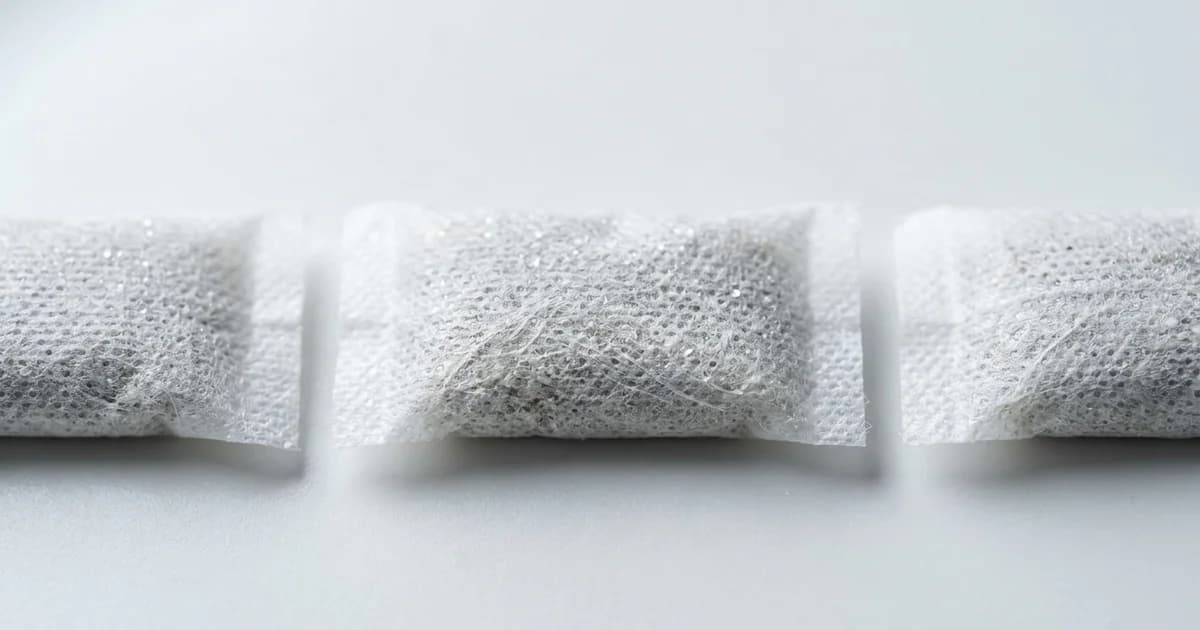
What they are: Small pouches (similar in form to nicotine pouches like Zyn) that you tuck between your gum and upper lip. Instead of nicotine, they contain functional ingredients like caffeine, L-theanine, B-vitamins, or nootropic compounds.
Why they work: These are small, spit-free pouches that offer oral satisfaction and mouthfeel without nicotine addiction and its associated health risks. They nail the sensory component: you feel something in your mouth, you get a slight tingle, and there's a flavor release over time. As oral fixation vaping alternatives go, the best versions add a cognitive or energy benefit on top. Real quitters describe using exactly this approach to keep the ritual while dropping nicotine: "I have had really great success with the NZE pouches... They have a little caffeine to give you a boost. Of course nothing is going to 'hit' like nicotine but for me is was about continuing a ritual while eliminating nicotine from my body. Nic free for about 50 days" (r/QuittingZyn).
What to look for: Check the active ingredients. A pouch with just flavoring and sweetener is glorified candy. Look for stacks that combine caffeine with calming agents like L-theanine to avoid the jittery spike-and-crash cycle. The caffeine content across popular brands ranges from 25 mg to 100 mg per pouch. Grinds spans that whole range, up to 100 mg in its CHARGED line, with B-vitamins and taurine but no L-theanine or nootropics. Nectr Energy delivers 50 mg caffeine per pouch. Roon combines 80 mg caffeine, 60 mg L-theanine, 25 mg methylliberine (Dynamine), and 5 mg theacrine (TeaCrine) in a single sublingual pouch designed for 6 to 8 hours of sustained focus.
| Feature | Nicotine Pouches (e.g., Zyn) | Nicotine-Free Functional Pouches |
|---|---|---|
| Oral fixation relief | ✅ Yes | ✅ Yes |
| Nicotine content | ⚠️ Yes (3–6 mg, addictive) | ✅ None |
| Functional benefit | ❌ Nicotine dependence | ✅ Focus, energy, calm |
| Spit-free | ✅ Yes | ✅ Yes |
| Tolerance buildup | ⚠️ Common | Depends on formula |
| Avg. price per pouch | ~$0.27–$0.40 | ~$0.33–$0.67 |
2. Functional Gum
What it is: Chewing gum infused with active ingredients (caffeine, nootropics, CBD, or vitamins) rather than just mint flavoring. It's one of the most accessible oral fixation alternatives on the market.
Why it works: Chewing is one of the oldest oral fixation smoking alternatives in the book. A 2019 review in the Journal of Clinical and Translational Research found that chewing gum was associated with reduced cortisol levels and improved self-reported alertness under stress conditions. Functional versions amplify this by delivering active compounds through the buccal membrane (the tissue inside your cheek), which absorbs certain ingredients faster than your gut does.
The downside: Gum requires active jaw movement, which isn't always appropriate (meetings, phone calls, dates where you'd prefer not to look like a minor league pitcher). It also doesn't replicate the "tuck and forget" sensation that pouch users prefer.
3. Mock Inhalers and Breathing Tools
What they are: Devices shaped like a cigarette, vape pen, or whistle that you inhale through. Products like CAPNOS offer a pressurized-air throat-hit sensation without any vapor, nicotine, or combustion. Some use flavored essential oils; others focus on controlled breathing mechanics.
Why they work: Among oral fixation vaping alternatives, these directly replicate the hand-to-mouth motion and the inhale/exhale ritual. For people whose fixation is more about the act of vaping than having something in their mouth, these are a strong fit. The CAPNOS Legura, for example, is battery-free and uses replaceable flavor wicks.
The downside: You're still putting something to your lips repeatedly in public. Some people find this prolongs the behavioral association rather than breaking it. Most of these devices offer zero functional benefit beyond the ritual itself, which limits their value as long-term oral fixation alternatives. Upfront cost runs $25 to $40, with ongoing refill expenses.
4. Flavored Toothpicks and Chew Sticks
What they are: Exactly what they sound like. Toothpicks infused with cinnamon, tea tree oil, mint, or other flavors. Some brands add caffeine or vitamins.
Why they work: As oral fixation vaping alternatives, they're discreet, cheap, and keep your mouth occupied. The slight spice or flavor gives your brain a small sensory reward.
The downside: Limited functional value. They don't deliver meaningful doses of anything. And if your fixation is specifically about the lip-and-gum sensation (common among former pouch or dip users), a toothpick doesn't hit the same spot.
5. Hard Candy, Mints, and Lozenges
What they are: The oldest oral fixation replacement in human history.
Why they work: Accessibility. You can buy mints anywhere, and they keep your mouth busy.
The downside: Sugar. Calories. Dental erosion. If you're replacing a 20-times-a-day oral fixation vape habit with 20 hard candies, your dentist will have opinions. Sugar-free versions solve part of this, but they still offer no functional upside.
How to Choose the Right Oral Fixation Vaping Alternatives
The right oral fixation replacement depends on what specifically you're replacing. Ask yourself two questions:
1. Is your fixation about the hand-to-mouth motion, or the sensation in your mouth?
If it's the motion, mock inhalers and breathing tools will feel most natural. If it's the oral sensation (something resting against your gum, a flavor release, a slight buzz), pouches and functional gum are better fits as oral fixation smoking alternatives.
2. Do you want the replacement to do something, or just keep you busy?
This is the real dividing line. Toothpicks and mints are "passive" replacements. They occupy the space but add nothing. Functional pouches and gums are "active" oral fixation vaping alternatives. They satisfy the fixation and deliver a benefit, whether that's sustained energy, improved focus, or reduced stress.
The science supports the active approach. A 2010 study published in Nutritional Neuroscience found that a combination of 97 mg L-theanine and 40 mg caffeine improved accuracy during task switching, increased self-reported alertness (p < 0.01), and reduced self-reported tiredness (p < 0.05) compared to placebo. That's not a marginal effect. That's a measurable upgrade to your baseline, delivered through the same oral ritual you're already wired for.
A 2022 double-blind, placebo-controlled trial published in the Journal of the International Society of Sports Nutrition tested caffeine combined with methylliberine and theacrine in tactical personnel. The researchers found that co-ingestion of these compounds produced similar benefits on reaction time during vigilance tasks as 300 mg of caffeine alone, and speculated that the combination could sustain cognitive performance over a longer window due to the different pharmacokinetic profiles of each compound.
This is the difference between a crutch and a tool. A crutch helps you limp. A tool helps you build.
What the Numbers Tell Us
The shift away from vaping is accelerating, and the demand for oral fixation vaping alternatives is growing with it. As of mid-2025, about 8% of Americans report using e-cigarettes or vaping, according to Gallup. Among young adults aged 18 to 34, that number is closer to 15%.
The nicotine pouch market tells the bigger story. Grand View Research valued the global nicotine pouches market at $6.9 billion in 2025, projecting it to reach $42.4 billion by 2033 at a compound annual growth rate of 24.7%. That growth signals a massive consumer shift from inhalation to oral delivery. People want something in their mouth. They just don't want smoke or vapor in their lungs.
The logical next step? Pouches that skip the nicotine entirely and deliver functional ingredients instead. The oral fixation vape was never really about nicotine for most users. It was about the ritual, the flavor, and the sensory feedback. Remove the harmful component. Keep everything else. Add something useful. That's the promise of the best oral fixation vaping alternatives available in 2026.
Replace the Habit, Upgrade the Outcome
Quitting vaping is hard because you're fighting two battles at once: the chemical dependency and the behavioral loop. Most products address one or the other. The best oral fixation vaping alternatives address both.
If you want a passive replacement, mints and toothpicks will get you through the first few weeks. If you want an active replacement that turns the old habit into a performance advantage, functional pouches are the category to watch. The science on caffeine-plus-L-theanine stacks is strong, and the newer compounds (methylliberine, theacrine) are extending the performance window without increasing tolerance risk.
Whatever you choose, the principle is the same: don't just fight the fixation. Replace it with something better.
Related from Roon
- Smoking Alternatives to Tobacco in 2026
- Caffeine and L-Theanine: The Science Behind the Stack
- How Sublingual Delivery Works
Frequently Asked Questions
What is oral fixation, and why does it make quitting vaping so hard?
Oral fixation is the behavioral need to have something in or near your mouth. For vapers, thousands of hand-to-mouth repetitions wire the ritual into your motor cortex, creating a habit loop independent of nicotine. The CDC recommends addressing this separately from chemical withdrawal by keeping your mouth and hands busy with gum, mints, toothpicks, or crunchy snacks.
Do nicotine-free pouches actually help with vaping cravings?
Yes. Nicotine-free functional pouches replicate the lip-and-gum sensation of nicotine pouches and vapes without the addictive compound. They satisfy the sensory craving (tingle, flavor release, mouthfeel) and the best versions deliver caffeine, L-theanine, or other functional ingredients. They won't replicate the nicotine "hit," but for oral fixation specifically, they are among the most effective alternatives available.
What are the best oral fixation vaping alternatives that don't involve nicotine?
The top categories are nicotine-free functional pouches (Roon, Grinds, Nectr), functional gum (Neuro Gum, Run Gum), mock inhalers (CAPNOS, Füm), flavored toothpicks, and sugar-free mints. Functional pouches and gum rank highest because they address the sensory fixation and deliver a measurable cognitive or energy benefit on top.
Are mock inhalers like CAPNOS a good long-term solution?
Mock inhalers are effective for the hand-to-mouth and inhale/exhale ritual, especially in the first weeks of quitting. The downside is that they may reinforce the behavioral pattern rather than breaking it. They also offer no functional benefit (no caffeine, no nootropics). For long-term oral fixation management, most cessation experts recommend transitioning to alternatives that don't mimic the vaping motion.
How much caffeine is in nicotine-free pouches?
It varies by brand. Grinds pouches run from 25 mg to 100 mg of caffeine per pouch depending on the line. Nectr Energy delivers 50 mg. Roon contains 80 mg of caffeine combined with 60 mg L-theanine, 25 mg methylliberine, and 5 mg theacrine. For reference, a standard 8 oz cup of coffee contains roughly 95 mg of caffeine, so most pouches fall in a similar range.
Can chewing gum really reduce cravings?
Chewing gum addresses the oral fixation component of cravings, not the nicotine withdrawal. A review in the Journal of Clinical and Translational Research found gum chewing was associated with lower cortisol and improved alertness under stress. Functional gum with caffeine or L-theanine adds a cognitive benefit. The limitation is that gum requires active jaw movement, which isn't always practical or discreet.
Is it better to quit vaping cold turkey or use an oral fixation replacement?
Cold turkey works for some people, but research consistently shows that addressing the behavioral habit separately from the chemical dependency improves quit rates. The CDC and National Cancer Institute both recommend having oral substitutes ready for the moment cravings hit. Using an oral fixation replacement isn't a sign of weakness. It's a strategy that accounts for how habit loops actually work in your brain.
How long does oral fixation last after quitting vaping?
Most acute cravings peak within the first 1 to 2 weeks and taper over 4 to 12 weeks. The oral fixation component can persist longer because it's a behavioral habit, not a chemical one. Some former vapers report needing an oral substitute for 3 to 6 months before the urge fades. Having a functional alternative during this window reduces relapse risk.
The Ritual Without the Regret
If you've read this far, you already understand the core problem: quitting vaping means losing a sensory ritual your brain has practiced thousands of times. Willpower doesn't rewire motor cortex. A replacement does.
Roon was designed for exactly this gap. It's a zero-nicotine sublingual pouch that sits between your lip and gum, delivering 80 mg caffeine, 60 mg L-theanine, 25 mg methylliberine (Dynamine), and 5 mg theacrine (TeaCrine). The same tuck-and-forget mouthfeel as a Zyn, but instead of feeding a nicotine dependency, you get 6 to 8 hours of sustained focus without jitters, crash, or tolerance buildup.
Roon is not a cessation product and it won't eliminate nicotine withdrawal symptoms. What it does is solve the other half of the equation: the behavioral fixation that patches and gums ignore. You keep the ritual. You lose the nicotine. You gain something that actually sharpens your day.
Written by Roon Team