Best Focus Pouches 2026: 12 Brands Compared
Roon Team
Best Focus Pouches 2026: 12 Brands Compared
Focus pouches are nicotine-free oral pouches that deliver caffeine, nootropics, or both through the gum lining. Twelve brands now sell them. Do they work? The short answer: the caffeine-and-L-theanine pairing has solid trial data behind it, but most brands in this category dose below the studied range, so results vary widely by brand and by what you mean by "work."
What Are Focus Pouches?
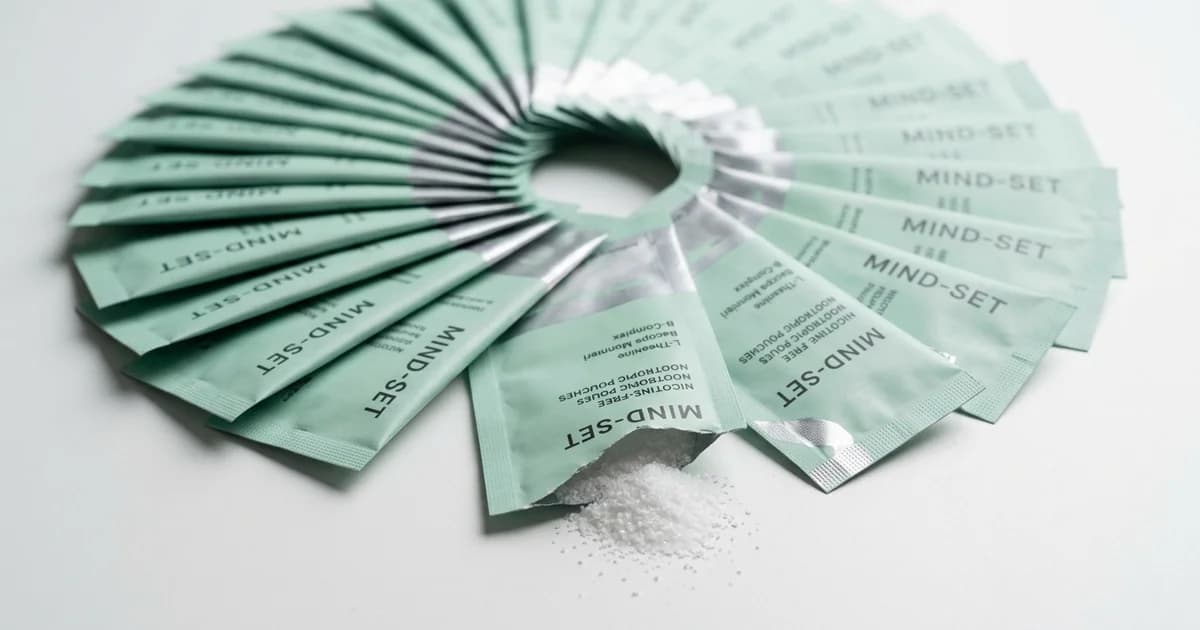
A focus pouch is a small, pre-portioned sachet you park between your lip and gum. Active ingredients absorb through the oral mucosa, bypassing the gut and reaching the bloodstream faster than a capsule or a drink. Most pouches contain some combination of caffeine (or paraxanthine, a caffeine metabolite), L-theanine, and cholinergic compounds like Alpha-GPC. None contain nicotine or tobacco. Onset is typically 5 to 15 minutes depending on the formula. Think of them as a portable, calorie-free delivery system for stimulants and nootropics, minus the liquid.
Do Focus Pouches Actually Work?
Yes, with caveats. The best evidence sits behind the caffeine-plus-L-theanine combination. A 2025 systematic review and meta-analysis in Nutrition Reviews pooled 50 RCTs (15 eligible for quantitative meta-analysis) and found that theanine plus caffeine produced a small-to-moderate improvement in attention-switching accuracy in the second hour after intake (SMD 0.33, 95% CI 0.13 to 0.54). A trend toward faster choice reaction time in the first hour (SMD −0.48, 95% CI −1.01 to 0.05) did not reach statistical significance. These trials typically used doses around 80 to 100 mg caffeine alongside similar amounts of L-theanine.
Here is the problem: five of the twelve brands in the table below contain zero caffeine. Several others run 30 to 50 mg per pouch. That puts them below the dose range studied in the literature. You will likely feel something from a 30 mg caffeine pouch, in the same way you feel a weak cup of green tea. Whether that constitutes "working" depends on your threshold.
Alpha-GPC, the other popular ingredient in this category, also has a dose gap. The human studies showing cognitive benefits used 315 to 630 mg per dose (Kerksick 2024, Nutrients). No pouch in this table exceeds 100 mg. That does not mean 40 to 55 mg does nothing, but the honest framing is: expect a subtle, stimulant-shaped effect for one to two hours from most brands, not a dramatic cognitive shift.
The Best Focus Pouches in 2026
Below is every focus pouch currently sold in the U.S. as of September 2026, compared on the numbers that actually matter: caffeine content, disclosed nootropic doses, pouch count, and cost. If a brand hides its individual ingredient doses behind a proprietary blend total, the table says so.
| Brand | Caffeine (mg) | Nootropics (disclosed mg) | Pouches/Can | $/Can (best price) | $/Pouch (best) | Nicotine-Free | Where Sold |
|---|---|---|---|---|---|---|---|
| Roon | 80 | L-theanine 60, methylliberine 25, theacrine 5 | 15 | $9.16 (sub) | $0.61 | Yes | DTC |
| Ultra | 0 (paraxanthine, mg undisclosed) | Paraxanthine, L-theanine, Alpha-GPC, ginseng, B6, B12 (no mg published) | 15 | $10.40 (sub) | $0.69 | Yes | DTC, Amazon |
| Nectr Focus+ | 50 | L-theanine 100, Alpha-GPC 85, L-tyrosine 85, huperzine A 30 mcg | 20 | $9.00 | $0.45 | Yes | DTC, Amazon |
| NZE Focus | 0 | L-theanine, L-tyrosine, Alpha-GPC (mg undisclosed) | 15 | ~$5.60 (sub) | ~$0.37 | Yes | DTC, Amazon |
| Grinds Focus | 0 | Alpha-GPC 40, L-theanine 40 | 18 | $7.16 (sub) | $0.31 | Yes | DTC, Amazon, retail |
| Neutonic Focus | 50 | Cognizin citicoline 125 | 20 | Price not published | N/A | Yes | Amazon |
| Xendurance Focus | 30 | Alpha-GPC, L-theanine, L-tyrosine 50 (others undisclosed) | 20 | $7.59 (sale) | ~$0.38 | Yes | DTC |
| TRGT Focus | 0 | Alpha-GPC 55, L-theanine 35, L-tyrosine 15, Mg 15, huperzine A 100 mcg | 20 | $9.00 (sub) | $0.45 | Yes | DTC, Amazon |
| Motion Limitless | 30 (guarana) | Alpha-GPC 100, citicoline 100, L-theanine 100, rhodiola 50, ginseng 50, B12 20 mcg | 20 | $7.87 (first box) | $0.39 | Yes | DTC |
| Rivox Labs Focus | 60 | L-theanine 75, theobromine 50, B6 2, B12 100 mcg | 15 | $8.44 (sub) | $0.56 | Yes | DTC |
| Super Focus (SuperBonsai) | 0 | Alpha-GPC 50, L-theanine 30, lion's mane 8, cordyceps 6, reishi 6, B6 5, B12 1,000 mcg | ~15 | $8.99 (sub) | ~$0.60 | Yes | DTC, Amazon |
| Berserker Energy Pouches | 100 | Alpha-GPC, L-tyrosine, GABA, taurine, theobromine (individual mg undisclosed; the 155 mg blend total appears on Amazon, not the brand site) | 20 | $7.60 (bundle) | $0.38 | Yes | DTC, Amazon, retail |
A few things jump out. Motion Limitless carries the highest total disclosed nootropic load at 400 mg per pouch. Berserker has the most caffeine at 100 mg but publishes no individual dose for any of its nootropics. NZE Focus and Grinds Focus are the cheapest per pouch but contain zero caffeine and relatively low or undisclosed nootropic doses. Roon, Nectr, Rivox, and Motion each disclose every ingredient at every dose while also including caffeine. Grinds, TRGT, and Super Focus publish a figure for every ingredient too, but contain no caffeine at all.
Focus Pouch Side Effects and Who Should Skip Them
The most commonly reported complaint across brands is gum and lip irritation, especially in the first few days of use. This is a function of the pouch format, not any single ingredient. Switching sides and limiting pouch time to 30 to 45 minutes per session helps.
Beyond local irritation, side effects track with the stimulant profile. Caffeine at any dose can cause jitteriness, elevated heart rate, and disrupted sleep. The FDA's general guidance caps caffeine at 400 mg per day for healthy adults. For a 100 mg Berserker pouch, that is four pouches. For Roon at 80 mg, it is five. For Nectr at 50 mg, it is eight, though that would also stack 680 mg of Alpha-GPC and other nootropics.
Ultra-specific safety notes: Ultra pouches use paraxanthine instead of caffeine, and Ultra publishes no milligram amount for it. Paraxanthine is caffeine's primary metabolite, so it is not "caffeine-free" in the way that, say, Grinds Focus (which contains neither) is caffeine-free. Ultra's own guidance recommends 3 to 4 pouches per day and says do not exceed 4. Neutonic caps its recommendation at 4 per day. For a deeper look at Ultra's ingredient profile and reported side effects, see our Ultra pouches side effects guide.
Who should skip focus pouches entirely: anyone under 18, anyone pregnant or breastfeeding, and anyone on medication that interacts with caffeine or stimulants. Talk to your clinician first. For more on pouch safety across the category, see Are Nootropic Pouches Safe?
Cost Per Pouch: What You Actually Pay
Price per can means little without the pouch count. Here is the cost per pouch across the spectrum, sorted cheapest to most expensive at the best available price:
| Brand | $/Pouch (Best Price) | $/Pouch (One-Time / List) | Caffeine? |
|---|---|---|---|
| Grinds Focus | $0.31 | $0.44 | No |
| NZE Focus | ~$0.37 | ~$0.47 | No |
| Xendurance Focus | ~$0.38 | ~$0.38 (sale) | 30 mg |
| Berserker Energy Pouches | $0.38 | $0.38 | 100 mg |
| Motion Limitless | $0.39 | $0.49 (sub) | 30 mg |
| Nectr Focus+ | $0.45 | $0.45 | 50 mg |
| TRGT Focus | $0.45 | $0.50 | No |
| Rivox Labs Focus | $0.56 | $0.87 | 60 mg |
| Super Focus | ~$0.60 | $0.89 | No |
| Roon | $0.61 | $1.00 | 80 mg |
| Ultra | $0.69 | $1.07 | 0 (paraxanthine, mg undisclosed) |
The cheapest pouches are mostly the ones with the least active ingredient per pouch. Grinds Focus at $0.31 gives you 40 mg Alpha-GPC and 40 mg L-theanine with no caffeine. Berserker is the exception at the bottom of the price list: 100 mg of caffeine at $0.38 a pouch, with no individual nootropic doses published. Whether that is a deal or a waste of money depends on whether 40 mg of each does anything for you (the studied doses are multiples higher). For a broader look at budget options across the pouch category, including non-focus lines, see our Alpha pouches review and the full 18-brand nootropic pouches buyer's guide.
Pick This If...
You want the strongest stimulant hit: Berserker (100 mg caffeine) or Roon (80 mg caffeine plus methylliberine for extended duration). Both will feel more like coffee than any other pouch on this list.
You want zero caffeine, zero paraxanthine, zero stimulants: Grinds Focus, NZE Focus, TRGT Focus, or Super Focus. Expect a mild, hard-to-quantify effect. These work best as a behavioral replacement (something in your lip) rather than a noticeable cognitive tool.
You want the most disclosed ingredients per dollar: Motion Limitless (400 mg of disclosed nootropics, $0.39 per pouch at first-box pricing and $0.49 on subscription) or Nectr Focus+ (320 mg stack, fully disclosed, $0.45 per pouch).
You want paraxanthine instead of caffeine: Ultra is the only option. Budget $0.69 to $1.07 per pouch.
You want the longest reported duration: Roon claims a 6 to 8 hour felt window. Most other brands describe 1 to 3 hours or do not specify.
What Is Still Missing From This Category
Most of the brands in the table above now publish a milligram figure for every active. A handful still do not. Ultra Focus, the category's most visible product, names six actives but publishes no milligram amount for any of them on takeultra.com, even though Ultra doses its Sleep pouch to the milligram on the same FAQ page. Berserker publishes no individual dose for any of its five nootropics; the only blend total it prints, 155 mg, appears on its Amazon listing rather than its own site. NZE Focus names its three actives but publishes no milligrams, and Xendurance Focus publishes a figure for L-tyrosine only. Where the numbers are missing, you are trusting the brand's formulation without being able to verify it against the research. That is still the clearest gap in the focus-pouch market in 2026.
How to Pick the Right Focus Pouch
No single pouch fits everyone. Caffeine content is the most important variable because it is the ingredient with the most evidence behind it. Match your pouch to your caffeine budget for the day (remembering that coffee, tea, and energy drinks all count toward the 400 mg FDA ceiling), then look at whether the nootropic doses are disclosed and whether they are anywhere near the studied range. Everything else, flavor, brand story, influencer endorsements, is noise.
Frequently Asked Questions
Do focus pouches actually work?
The caffeine-plus-L-theanine combination has the strongest evidence, with a 2025 Nutrition Reviews meta-analysis of 50 RCTs (15 in quantitative meta-analysis) finding a significant improvement in attention-switching accuracy in the second hour after intake. But most pouches in this category dose below the range those trials studied. Caffeine-containing pouches will give you a noticeable effect. Caffeine-free pouches with low-dose Alpha-GPC or L-theanine alone are harder to distinguish from placebo based on the current literature.
How many focus pouches can you use per day?
That depends on the caffeine content per pouch and your total daily caffeine intake from all sources. The FDA considers up to 400 mg of caffeine per day generally safe for healthy adults. For an 80 mg pouch, that is five per day assuming no other caffeine. Ultra's own guidance recommends 3 to 4 pouches per day and says do not exceed 4; Neutonic says 4 per day.
What are the side effects of Ultra focus pouches?
The most common complaints are gum irritation and, at higher daily use, jitteriness or disrupted sleep. Ultra uses paraxanthine (a caffeine metabolite) rather than caffeine itself, so it carries a similar stimulant profile. Ultra does not publish how much. For a full breakdown, see our Ultra pouches side effects guide.
What focus pouches does Joe Rogan use?
No verified statement confirms that Joe Rogan personally uses any specific focus pouch. Ultra advertises on The Joe Rogan Experience and has run Google ad copy with "As Seen On Joe Rogan," which is an advertising relationship, not a personal endorsement of daily use.
Are focus pouches better than energy drinks?
They solve different problems. A focus pouch delivers caffeine (or paraxanthine) and nootropics sublingually with zero calories and zero sugar, and it fits in your pocket. An energy drink delivers higher caffeine (typically 150 to 300 mg) along with sugar or artificial sweeteners in liquid form. If you want portability and lower caffeine per serving, pouches win. If you want hydration and a stronger stimulant dose in one shot, a drink wins.
Are focus pouches safe for teenagers?
Every brand in this table labels its product as not intended for use by persons under 18. The FDA has not set a safe caffeine limit for adolescents but notes that caffeine intake should be limited in children and teens. Talk to a pediatrician before giving any stimulant-containing supplement to a minor.
Can you use focus pouches while fasting?
Yes. Every pouch in this table is zero-calorie and zero-sugar, so none will break a caloric fast. Some contain sucralose or other non-caloric sweeteners, which may matter depending on how strictly you define your fasting protocol.
The Row Where the Dose Matches the Research
This article kept coming back to a single problem: most focus pouches dose their active ingredients well below the levels studied in clinical trials. That is the gap.
Roon was built around that gap. Its 80 mg caffeine and 60 mg L-theanine sit inside the dose range the Nutrition Reviews meta-analysis actually studied, and every milligram is on the label. No proprietary blends, no hidden doses.
The duration argument matters too. Roon includes 25 mg of methylliberine (Dynamine), which slows caffeine clearance. In a randomized, double-blind, crossover PK study (n=12), co-administration of methylliberine with caffeine cut caffeine's oral clearance from 41.9 to 17.1 L/hr and extended its half-life from 7.2 to 15 hours, with no increase in peak concentration (study). An important caveat: that study used 100 mg methylliberine with 150 mg caffeine, roughly 4x the methylliberine and 1.9x the caffeine in a Roon pouch. The mechanism is directionally the same, not a direct measurement of Roon's formula. The felt window is 6 to 8 hours, not the 15-hour pharmacokinetic half-life. And the trade-off is real: a longer tail means you should stop at least 8 hours before bed. Roon's 5 mg of theacrine (TeaCrine) rounds out the stack; theacrine specifically does not build tolerance the way caffeine does.
Roon is not a substitute for prescription medication, and it does not treat, cure, or prevent anything. It is a dietary supplement in a sublingual pouch, starting at $0.61 per pouch on the 12-tin subscription. If your current focus pouch wears off in an hour, it might be worth trying the one that was dosed to last longer.
Related from Roon
- Are Nootropic Pouches Safe? What the Research Says
- The Best Nootropic Pouches: 2026 Buyer's Guide
- Ultra Pouches Side Effects: The Complete Guide
- Motion Pouches Review: Stevewilldoit's Focus Pouch
- Methylliberine (Dynamine): Benefits, Dosage, and Safety
- Nitro Pouches Review: 100 mg Caffeine, Undisclosed Stack
- Deckiez Pouches Review: 50 mg Caffeine, Walmart Price
Written by Roon Team