Nectr Nootropic Pouches: Performance Pouches for Productivity in 2026
Roon Team
8 Best Nectr Alternatives in 2026: Nootropic Pouches Ranked by Ingredients, Duration, and Price
Looking for Nectr alternatives? The eight best nootropic pouches in 2026 are Roon, Nectr Focus+, Ultra, Dialed In, Mojo, NZE, FlowBlend, and Fully Loaded ALPHA. Each targets a different use case, from tolerance-resistant all-day focus to caffeine-free calm. Below, every brand is ranked with real ingredient doses, verified per-pouch pricing, and an explicit "Best for" verdict so you can match the formula to how you actually work.
The nootropic pouch category has exploded since 2024. Seven active ingredients in one pouch. Proprietary blends in another. Caffeine-free formulas next to full stimulant doses. This guide cuts through the noise with transparent ingredient analysis, published research, and real per-pouch cost. No brand paid for placement here.
How Do the Top 8 Nectr Alternatives Compare on Ingredients and Price?
The table below is the fastest way to compare every brand on this list. Prices reflect single-unit retail as of mid-2026; subscription and bundle pricing is lower for most brands. Every cell contains the actual caffeine dose and verified per-pouch cost.
| Rank | Brand | Caffeine (mg) | Key Actives (per pouch) | Pouches / Container | $/Pouch (retail) | Best For |
|---|---|---|---|---|---|---|
| 1 | Nectr Focus+ | 50 mg | 50 mg caffeine, 100 mg L-theanine, 85 mg Alpha GPC, 85 mg L-tyrosine, 30 mcg huperzine A, B6, B12 | 16/can | ~$0.62 | Best for max nootropic compounds per pouch |
| 2 | Roon | 80 mg | 80 mg caffeine, 60 mg L-theanine, 25 mg methylliberine (Dynamine), 5 mg theacrine (TeaCrine) | 15/tin | $1.00 ($0.61 subscribed) | Best for tolerance-resistant, all-day focus |
| 3 | Ultra | 0 mg (paraxanthine) | Enfinity paraxanthine, L-theanine, Alpha GPC, Panax ginseng, B6, B12 (no doses published) | 15/can | $1.067 ($0.693 subscribed) | Best for caffeine-free stimulation |
| 4 | Dialed In Focus | Not stated | 48 mg citicoline, 48 mg NALT, 48 mg L-theanine, 29 mg theobromine, 22 mg guarana | 20/can | ~$0.30 | Best for multi-pathway nootropic stacking |
| 5 | Mojo | 50 mg | 50 mg caffeine (green tea), Yerba Mate, Rhodiola, NALT, Panax ginseng, B3/B6/B12 | 15/can | ~$0.37 | Best for adaptogen-forward energy |
| 6 | NZE | 50 mg | 50 mg caffeine, Alpha GPC, L-tyrosine, L-theanine (nootropic doses undisclosed) | 15/can | $0.47 ($0.37 subscribed) | Best for simple caffeine + nootropic support |
| 7 | FlowBlend SPEAR | 0 mg | 150 mg Alpha-GPC, 50 mg rhodiola rosea, 40 mg L-theanine, 15 mg uridine monophosphate (caffeine-free) | 20/can | $0.75 ($0.60 on the 5-pack) | Best caffeine-free nootropic pouch |
| 8 | Fully Loaded ALPHA | 0 mg | 60 mg Alpha GPC, 60 mg L-tyrosine, 20 mg GABA | Not published | $0.295 (200-pouch pack) | Best budget option for calm, non-stimulated focus |
Nectr Focus+ retails at $9.99 per can direct, with subscriptions dropping to ~$7.50/can. Ultra retails at $16.00 per can one-time, as low as $10.40 per can subscribed. Roon is $15.00 per tin one-time (4-tin minimum) or as low as $9.16 per tin subscribed. Prices verified mid-2026.
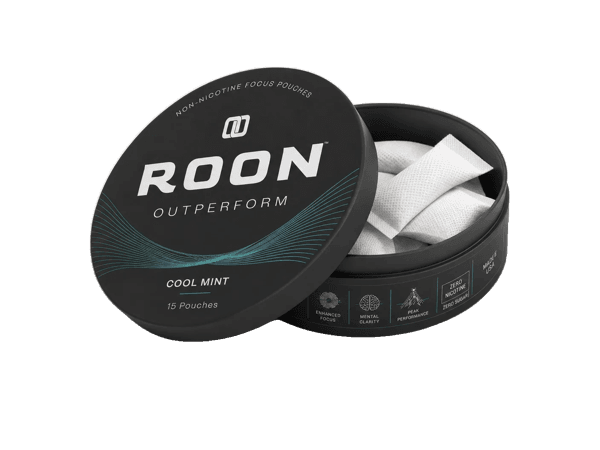 RoonOne pouch RoonOne pouch |  Coffee8 fl oz Coffee8 fl oz | 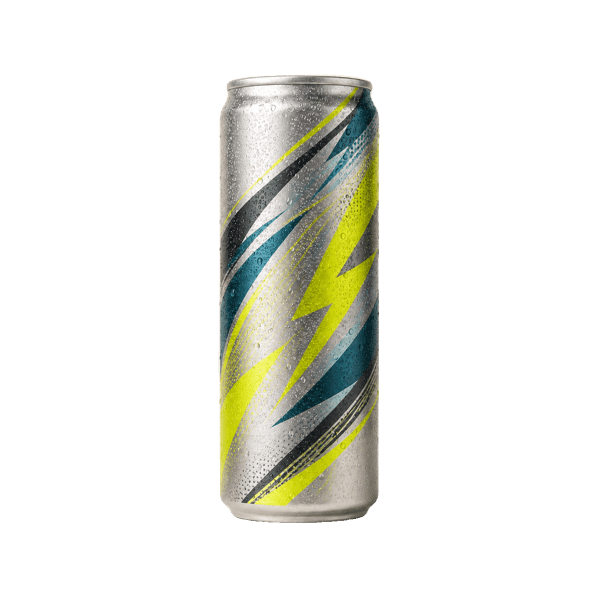 Energy drink8.4 fl oz can Energy drink8.4 fl oz can | 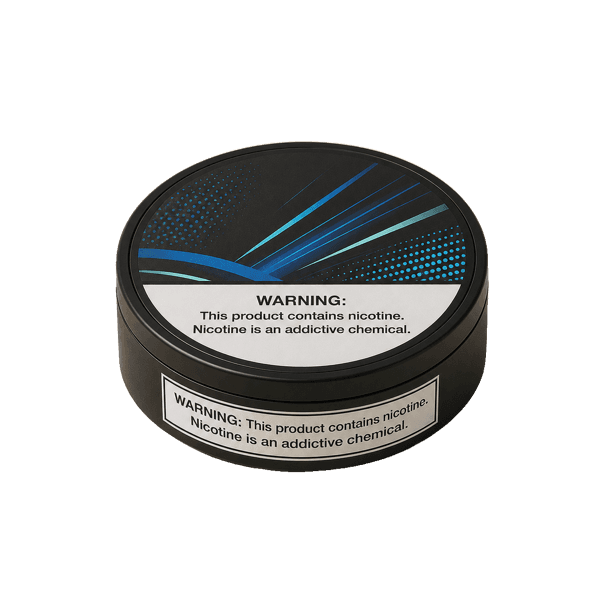 Nicotine pouchOne pouch Nicotine pouchOne pouch | 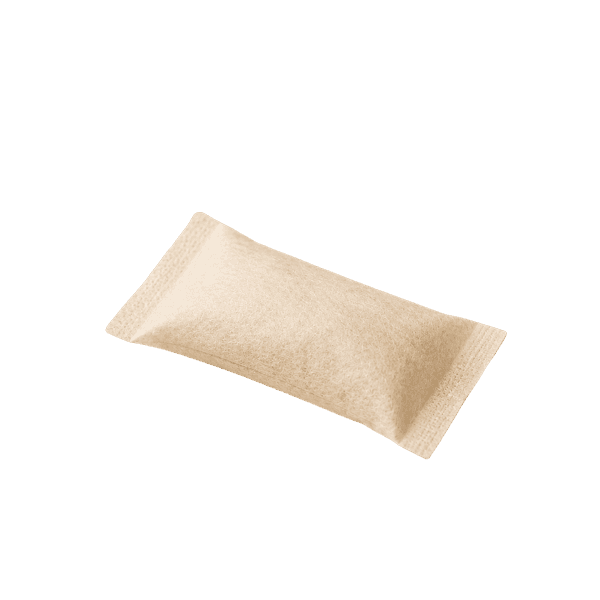 Other pouchesNon-nicotine Other pouchesNon-nicotine | |
|---|---|---|---|---|---|
| CaffeineCaffeine | 80 mg | ~95 mg | 200–300 mg | 0 mg | 100–200 mg |
| SynergistsSynergists (L-theanine, Dynamine®, TeaCrine®) | Yes | No | No | No | No |
| Fast onsetFast onset (5 to 10 min) | Yes | No | Sometimes | Yes | Yes |
| Lasts 6-8hLasts 6 to 8 hours | Yes | No | No | No | No |
| No crashNo crash or jitters | Yes | No | No | Sometimes | Sometimes |
| No nicotineNo nicotine | Yes | Yes | Yes | No | Yes |
| No sugarNo sugar | Yes | Yes | No | Yes | Yes |
Why Does the Pouch Format Beat Capsules for Productivity?
Nootropic pouches deliver active compounds through the oral mucosa directly into the bloodstream, bypassing first-pass metabolism in the gut and liver. The practical difference is speed. Sublingual and buccal absorption reaches peak plasma levels in minutes versus one to two hours for swallowed capsules, and can increase bioavailability by 28% or more for certain compounds compared to the same oral dose.
For a productivity tool you need working in 5 to 10 minutes, not 45, that gap matters. Pouches are also silent, portable, and require no water. You can use one during a meeting, on a commute, or mid-workflow without breaking stride. That convenience factor is why performance pouches have grown faster than capsule-based nootropics over the past two years, and the distinction between caffeine pouches versus nootropic pouches is worth understanding before choosing a formula.
Which Nectr Alternative Is Best for Each Use Case?
Nectr Focus+: Best for Maximum Nootropic Compound Volume
Nectr's Focus+ line packs a 320 mg nootropic stack into a single pouch: 50 mg caffeine, 100 mg L-theanine, 85 mg Alpha GPC, 85 mg L-tyrosine, 30 mcg huperzine A, plus vitamins B6 and B12. That is the highest total active payload on this list.
The formula targets acetylcholine production from two angles. Alpha GPC provides the choline precursor, while huperzine A inhibits acetylcholinesterase, the enzyme that breaks acetylcholine down. A 2017 meta-analysis in the Journal of the International Society of Sports Nutrition found Alpha GPC supports cognitive function, though optimal dosing remains debated. Nectr Focus+ retails at $9.99 per 16-pouch can ($0.62/pouch), with subscriptions dropping to roughly $7.50/can ($0.47/pouch).
The trade-off: Nectr claims a 1 to 3 hour duration window on their own product page. That is honest, but it means you will likely need 2 to 3 pouches per work session.
Caffeine: 50 mg | Price: ~$0.62/pouch retail | Best for: Stacking the most nootropic compounds in a single pouch
Roon: Best for Tolerance-Resistant, All-Day Focus
Roon runs a four-compound sublingual pouch: 80 mg caffeine, 60 mg L-theanine, 25 mg methylliberine (Dynamine), and 5 mg theacrine (TeaCrine). Every dose is printed on the label. No proprietary blends.
The design philosophy targets two problems most pouches ignore: duration and tolerance. The caffeine-plus-L-theanine base is well-studied. A 2010 trial by Giesbrecht et al. found that L-theanine combined with caffeine improved cognitive performance and subjective alertness in 44 healthy adults. Roon's 80:60 caffeine-to-theanine ratio hits a similar proportion.
Methylliberine and theacrine address the tolerance question directly. An 8-week clinical trial of 60 men found that theacrine (TeaCrine) produced zero habituation at doses up to 300 mg per day, with no evidence of the tachyphylactic response typical of caffeine. A separate crossover study of 50 male esports players found that the combination of caffeine, Dynamine, and TeaCrine improved cognitive performance and reaction time without interfering with mood. Caffeine tolerance can develop in as few as 1 to 4 days of regular use, which is why your second week of coffee never feels like the first. Roon's formula is built to counteract that decay. The sublingual format means onset in 5 to 10 minutes, with a designed duration of 6 to 8 hours.
The trade-off: Roon is among the most expensive pouches on this list at $1.00/pouch one-time ($0.61/pouch on subscription). You are paying a premium for dose transparency, the tolerance-resistance compounds, and the sublingual format. If budget is the priority, Roon is not the right pick.
Caffeine: 80 mg | Price: $1.00/pouch one-time, $0.61/pouch subscribed | Best for: Daily users who need consistent effect over weeks without tolerance buildup
Ultra: Best for Caffeine-Free Stimulation
Ultra pouches replace caffeine entirely with enfinity paraxanthine, a primary metabolite of caffeine. Ultra names six actives on its site but publishes no milligram amount for any of them. A 2021 double-blind crossover trial found that paraxanthine at 100 mg and 200 mg doses improved response time and sustained attention over a 6-hour testing window.
Ultra has raised $11 million and sold over a million cans since launching in May 2025, and upgraded its paraxanthine formula in January 2026. The formula is legitimate, but no ingredient dose is disclosed. Knowing a pouch contains L-theanine is useful; knowing it contains 60 mg versus 10 mg is the difference between a clinical dose and label decoration.
The trade-off: Paraxanthine acts on the same adenosine receptors as caffeine, so habituation with daily use is possible. With no dose published for any ingredient, you cannot evaluate the formula against the research.
Caffeine: 0 mg (paraxanthine, amount not published) | Price: $1.067/pouch one-time, $0.693 subscribed | Best for: Users who want stimulation without caffeine itself
Dialed In: Best for Multi-Pathway Nootropic Stacking
Dialed In's Focus pouch combines 48 mg citicoline, 48 mg N-Acetyl L-tyrosine, 48 mg L-theanine, 29 mg theobromine, and 22 mg guarana. The brand never states how much caffeine that guarana delivers. Its Energy pouch is a separate product, 80 mg caffeine from coffee beans plus vitamins, with none of the nootropic stack. The Focus formula targets catecholamine neurotransmitters (dopamine, norepinephrine) through precursor compounds rather than pure stimulation.
The citicoline-plus-L-tyrosine combination is well-designed on paper. Citicoline supports phospholipid synthesis in neuronal membranes, while L-tyrosine provides the raw material for dopamine production. Dialed In was ranked #1 by DeerDip in their 2026 nootropic pouch comparison.
The trade-off: Dialed In prints every nootropic dose but never states how much caffeine the guarana delivers, so you cannot plan around the stimulant load.
Caffeine: Not stated | Price: ~$0.30/pouch ($5.95 per 20-pouch can) | Best for: Users who want multi-compound cognitive support with every nootropic dose printed
Mojo: Best for Adaptogen-Forward Energy
Mojo uses 50 mg of natural caffeine from green tea leaves alongside an adaptogen stack: Yerba Mate extract, Rhodiola Rosea, Eleuthero Root, N-Acetyl-L-Tyrosine (NALT), and B vitamins (B3, B6, B12).
The adaptogen angle is Mojo's differentiator. Rhodiola Rosea has been studied for reducing perceived mental fatigue. A 2012 systematic review of Rhodiola's effects on physical and mental fatigue found evidence supporting its use in fatigue-related conditions, though the authors noted study quality was variable. Mojo's formula is more energy-oriented than cognition-oriented, making it a better fit for general alertness than deep-focus work, a distinction covered in the guide to nicotine-free energy pouches in 2026.
Caffeine: 50 mg | Price: ~$0.37/pouch on the 50 mg line | Best for: Users who prioritize adaptogens and gentle, plant-based energy over raw cognitive enhancement
NZE: Best for Simple Caffeine Plus Nootropics
NZE pouches deliver 50 mg of caffeine alongside Alpha GPC, L-tyrosine, and L-theanine. The brand uses no artificial sweeteners (Stevia and Xylitol instead) and keeps the ingredient list short.
The trade-off: NZE does not disclose individual nootropic doses on their product page. You know the compounds are present, but not whether they hit clinically relevant amounts. At $0.47 per pouch one-time, or $0.37 on subscription, NZE sits mid-pack on price if you prioritize simplicity over formula depth.
Caffeine: 50 mg | Price: $0.47/pouch one-time, $0.37 subscribed | Best for: Users who want a clean, simple caffeine-plus-nootropics formula
FlowBlend: Best Caffeine-Free Nootropic Pouch
FlowBlend's SPEAR pouch is caffeine-free and prints every dose on the label: 150 mg Alpha-GPC, 50 mg rhodiola rosea, 40 mg L-theanine, and 15 mg uridine monophosphate. At 20 pouches per can, you get more pouches per unit than most competitors, though the per-pouch cost ($0.75 for a single can, $0.60 on the 5-pack) is among the highest on this list.
FlowBlend is the right choice if you are caffeine-sensitive or already consuming caffeine from other sources and want a nootropic boost without additional stimulation. The absence of caffeine means no jitters, but also no acute alertness spike. This is a slow-burn focus tool, not a quick-onset energy product.
Caffeine: 0 mg | Price: $0.75/pouch for a single can, $0.60 on the 5-pack | Best for: Caffeine-sensitive users who want nootropic support without any stimulant
Fully Loaded ALPHA: Best Budget Option for Calm Focus
Fully Loaded ALPHA keeps it simple: 60 mg Alpha GPC, 60 mg L-tyrosine, and 20 mg GABA per pouch. No caffeine. No stimulants. A can is $4.99, a five-pack is $24.49, and a 200-pouch bag is $59.00, which works out to $0.295 per pouch at the bulk rate.
GABA is an inhibitory neurotransmitter associated with relaxation. The idea is calm, non-stimulated focus. The trade-off is that oral GABA's ability to cross the blood-brain barrier is debated in the literature, with some researchers questioning how much of an oral dose actually reaches the brain. For users who want a nicotine-replacement ritual with mild nootropic support at a low price, ALPHA fills that gap.
Caffeine: 0 mg | Price: $4.99 per can, $0.295/pouch in the 200-pack | Best for: Users who want a low-cost nicotine-free pouch with basic nootropic ingredients
What Separates a Good Nootropic Pouch From a Great One?
Three criteria separate the best nootropic pouches from forgettable ones. Getting these right matters more than total ingredient count.
-
Dose transparency. If a brand hides behind "proprietary blend," you cannot verify clinical relevance. Roon, Nectr Focus+, Fully Loaded ALPHA, and FlowBlend disclose every milligram. Dialed In prints each nootropic dose but no caffeine figure for its Focus pouch. Ultra and NZE do not disclose individual doses.
-
Duration design. A 1 to 3 hour focus window means re-dosing 2 to 3 times per workday. Compounds like theacrine (half-life ~20 hours) and methylliberine extend the active window without stacking more caffeine. Roon's designed duration is 6 to 8 hours; Nectr Focus+ reports 1 to 3 hours on their own label.
-
Tolerance planning. Any adenosine receptor antagonist (caffeine, paraxanthine, theobromine) produces habituation with daily use. Caffeine tolerance develops in as few as 1 to 4 days. Only one brand on this list, Roon, includes compounds specifically studied for non-habituating properties.
How Should You Choose the Right Nectr Alternative?
Pick the pouch that matches how you actually work, not the one with the longest ingredient list.
If your priority is raw compound volume per pouch, Nectr Focus+ leads the field at 320 mg of total actives. If caffeine sensitivity is the constraint, FlowBlend and Fully Loaded ALPHA are the honest answers. If you want caffeine-free stimulation with a growing body of research behind it, Ultra's paraxanthine formula is worth watching. If budget is the constraint, Dialed In at $0.30 a pouch ($0.22 on a bulk subscription) and Fully Loaded ALPHA at $0.295 in the 200-pack are the two to compare.
The tolerance question, meaning what a pouch does after two weeks of daily use rather than the first morning, is the variable most comparison guides skip entirely. It should not be.
Frequently Asked Questions
What is the best Nectr alternative for sustained focus?
Roon's combination of 80 mg caffeine, 60 mg L-theanine, 25 mg methylliberine, and 5 mg theacrine is designed for 6 to 8 hours of sustained cognitive support. The theacrine and methylliberine extend the active window beyond what caffeine alone provides. Nectr Focus+ offers strong short-term focus (1 to 3 hours) with its acetylcholine-targeting stack but requires re-dosing for longer sessions.
Which nootropic pouch has the most caffeine?
Roon contains 80 mg of caffeine per pouch, the highest published figure among dedicated nootropic pouches on this list. Nectr Focus+ and Mojo each contain 50 mg. Dialed In's Focus pouch does not state a caffeine amount at all. Standard energy pouches (non-nootropic) can go higher, but more caffeine does not equal better focus. The ratio of caffeine to L-theanine matters more than raw milligrams.
What is the best caffeine-free nootropic pouch?
FlowBlend and Fully Loaded ALPHA are both caffeine-free. FlowBlend's SPEAR pouch prints 150 mg Alpha-GPC, 50 mg rhodiola rosea, 40 mg L-theanine, and 15 mg uridine monophosphate, at $0.75 per pouch for a single can or $0.60 on the 5-pack. Fully Loaded ALPHA is simpler (Alpha GPC, L-tyrosine, GABA) and cheaper at $0.295 per pouch in the 200-pack. Ultra is also technically caffeine-free but uses paraxanthine, which acts on the same adenosine receptors as caffeine. Ultra does not publish the amount.
Which pouch is best for users who build caffeine tolerance quickly?
Roon is the only brand on this list that includes both theacrine (TeaCrine) and methylliberine (Dynamine), both studied for non-habituating properties. An 8-week trial of 60 participants found zero tolerance buildup with daily theacrine use at doses up to 300 mg per day. If caffeine stops working for you after a week, Roon's formula is built for that exact problem.
What is the cheapest nootropic pouch per serving?
Dialed In at $5.95 per 20-pouch can works out to $0.30 per pouch, and $0.22 on a bulk subscription, the lowest figure on this list. On one-time pricing Fully Loaded ALPHA is fractionally cheaper still, at $0.295 per pouch in the 200-pack. NZE is $0.47 per pouch one-time, $0.37 subscribed. All three are solid entry points for the category, though their nootropic profiles are simpler than higher-priced options. Roon drops from $1.00/pouch to $0.61/pouch on subscription, which brings it closer to mid-range pricing.
Are nootropic pouches safe?
Nootropic pouches use dietary supplement ingredients (caffeine, L-theanine, amino acids, B vitamins) delivered through the oral mucosa. They are not FDA-approved drugs. If you have a medical condition, are pregnant, or take prescription medications, consult your doctor before use. Most brands on this list recommend limiting daily intake to 2 to 4 pouches.
How fast do nootropic pouches work compared to capsules?
Sublingual and buccal absorption bypasses the digestive system, delivering compounds into the bloodstream faster than swallowed capsules. Onset typically occurs within 5 to 15 minutes for pouches versus 30 to 60 minutes for capsules, depending on the specific compound and individual metabolism.
Do nootropic pouches contain nicotine?
Every brand on this list is nicotine-free and tobacco-free. Many users discover nootropic pouches as a replacement for nicotine pouches, keeping the familiar oral format while eliminating nicotine dependence. For a deeper comparison, the guide to nicotine-free pouches for mental clarity covers that angle separately.
Related from Roon
- No-Crash Focus Supplements: The 2026 Buyer's Guide for Sustained Energy Without the Jitters
- HVMN Sprint Was the Original Nootropic Pouch, and Here's What Replaced It in 2026
- Top Mind Lab Pro Alternatives in 2026: 6 Nootropic Stacks Ranked by Ingredient Quality
Why Roon's Felt Window Is 6 to 8 Hours on 80mg of Caffeine
Most caffeine pouches hit hard and fade in three to four hours because caffeine's normal half-life is roughly five to seven hours. Roon's 80mg caffeine dose is deliberately small, about a small cup of coffee. The other three compounds change the shape of the curve.
The key mechanism is Dynamine (methylliberine, 25mg). In a human pharmacokinetic study, co-administering methylliberine with caffeine reduced caffeine's oral clearance by more than half and extended its half-life to roughly 15 hours, with no increase in peak concentration. Same peak, longer tail. That slower clearance is why the felt window stretches to 6 to 8 hours instead of three to four. A 15-hour half-life is not 15 hours of energy; it means caffeine leaves your system more gradually, so the real trade-off is timing. Do not take Roon within eight hours of bedtime.
L-theanine (60mg) smooths the response. Theacrine (5mg) contributes something different: it does not build tolerance the way caffeine does, which matters on day 30.
Roon is not the cheapest option. It contains no adaptogens, no mushroom extracts, no paraxanthine. If you want the longest ingredient list, other brands on this list win that category. But if you want duration from a small dose, that is specifically what Roon is engineered to deliver. Fifteen pouches per tin, $9.16 subscribed ($0.61/pouch), onset in 5 to 10 minutes. Try a tin.
Written by Roon Team