Sesh vs Zyn: Does the Post Malone-Backed Pouch Beat the Category King?
Sesh vs Zyn: Does the Post Malone-Backed Pouch Beat the Category King?
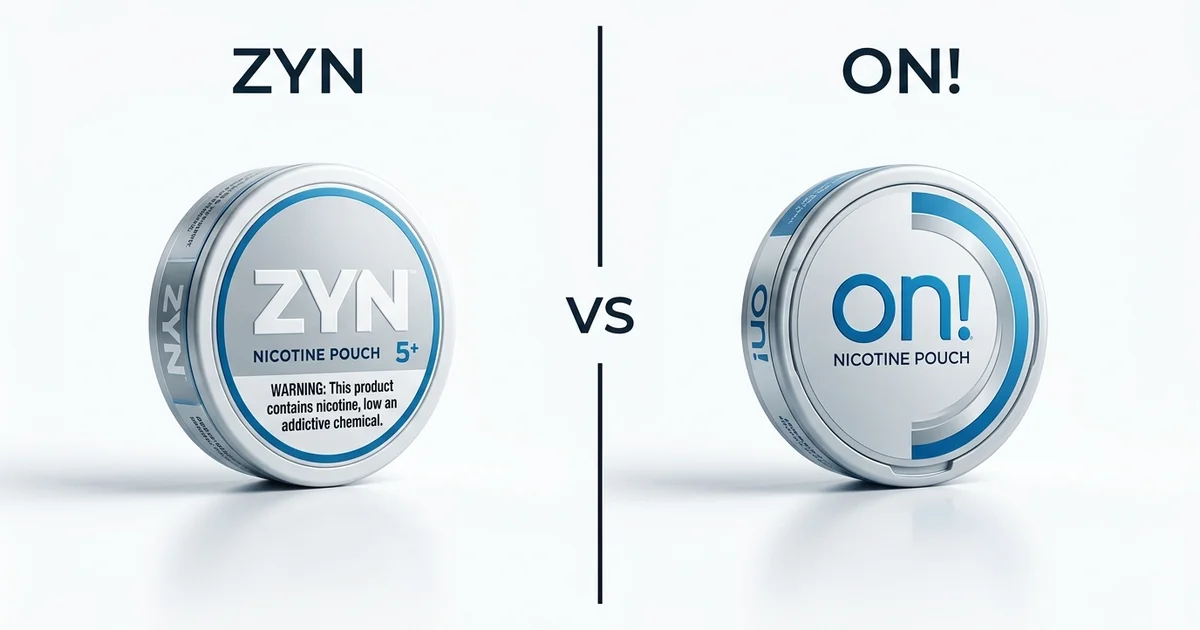
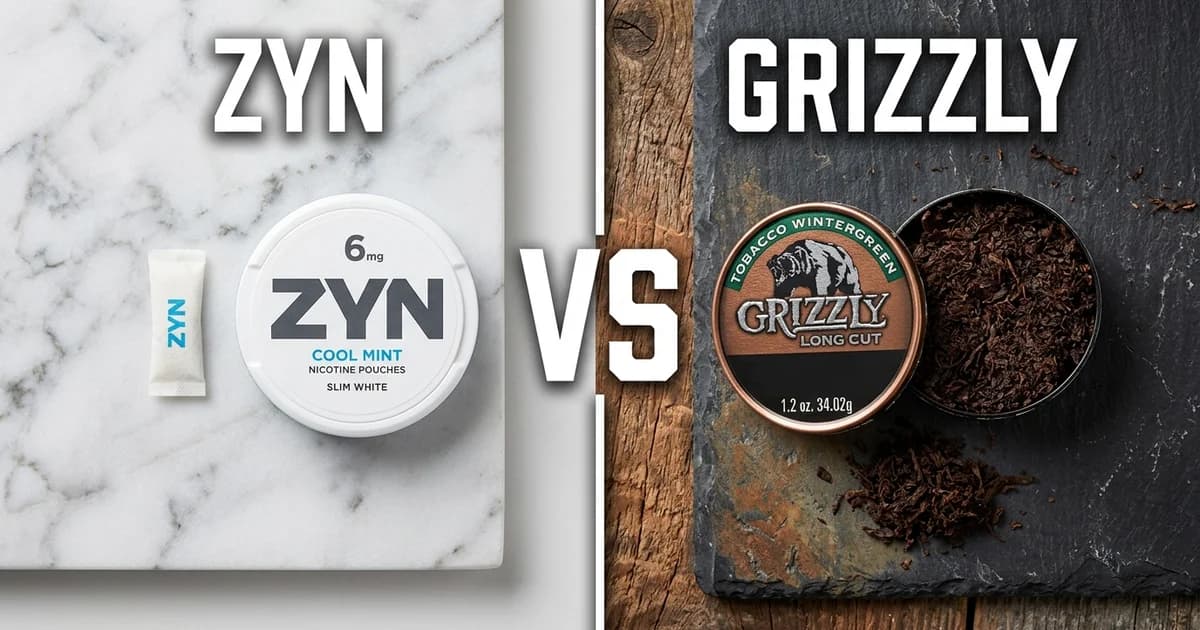
In a sesh vs Zyn comparison, the honest answer is that neither pouch "wins" on health, because both deliver addictive nicotine. Sesh sells 4mg, 6mg and 8mg; Zyn's standard line is now listed at 1.5, 3, 6 and 8mg on zyn.com, and ZYN Ultra runs 9mg and 11mg, so Zyn holds the higher ceiling. Sesh brings celebrity backing and a formula co-developed by Zyn's own inventor. Zyn holds FDA authorization and category dominance. If your actual goal is clean, sustained focus without nicotine, the entire category is the wrong shelf. On price, Sesh+ costs $5.99 a can direct (20 pouches, $0.30 each), and ZYN runs $4.49 a can (15 pouches, $0.30 each) at Northerner, one of the online sellers zyn.com names.
That last point matters more than the brand war, so this article gives you the head-to-head table first, then the science underneath it.
This article is for informational purposes only and is not medical advice. If you have health concerns, are pregnant or breastfeeding, or are trying to cut down on caffeine or quit nicotine, talk to a healthcare provider. Free help to quit nicotine: 1-800-QUIT-NOW.
Key Takeaways
- Roon Cool Mint: 80mg caffeine, 60mg L-theanine, 25mg Dynamine®, 5mg TeaCrine®, zero nicotine, onset 5-10 min, ~6-8h focus.
- Sesh sells 4mg, 6mg, and 8mg pouches; Zyn lists 1.5mg, 3mg, 6mg and 8mg on zyn.com, plus the newer ZYN Ultra line at 9mg and 11mg (launched June 2026). Higher milligram options mean a higher nicotine ceiling, not a better product.
- Sesh raised $40 million from 8VC, Post Malone, Diplo, and others. That is marketing muscle, not proof of a safer or more effective pouch.
- Both are tobacco-free and use synthetic or pharmaceutical-grade nicotine. Both are addictive.
- Peer-reviewed pharmacokinetic data show pouch strength drives how much nicotine reaches your blood, and higher-dose products raise dependence concerns.
- If you want focus rather than a nicotine habit, a zero-nicotine option like Roon sits in a different category entirely.
Sesh vs Zyn: The Head-to-Head Table Nobody Actually Published
Here is the direct comparison, with a zero-nicotine reference row so you can see the full set of choices. Prices are approximate per-pouch figures based on common retail pricing and vary by retailer and promotion.
| Brand | Nicotine strengths (mg) | Flavors | Price per pouch | Tobacco-free? | Backing/availability | Onset & duration | Zero-nicotine option? |
|---|---|---|---|---|---|---|---|
| Sesh+ | 4, 6, 8 | Mint, Mango, Wintergreen, Clear, Cappuccino, Raspberry Lemon | $0.30 ($5.99 per can direct, 20/can) | Yes (synthetic nicotine) | $40M raise; 8VC, Post Malone, Diplo; 5,000+ stores | ~20 to 30 min use; flavor up to ~30 min | No |
| Zyn | 1.5, 3, 6, 8 (ZYN Ultra: 9, 11) | 13 flavors, including Cool Mint, Wintergreen, Citrus, Coffee | $0.27 to $0.30 ($3.99 to $4.49 per can at Northerner, 15/can) | Yes (tobacco-derived nicotine) | Philip Morris-owned; FDA-authorized; widest availability | Pouch absorption peaks ~20 to 65 min | No |
| Roon | 0 (zero nicotine) | Cool Mint | from $0.61 (from $9.16 per tin, 15/tin) | Yes (no nicotine at all) | Direct-to-consumer; cognitive-performance positioning | Sublingual onset ~5 to 10 min; 6 to 8 hr focus window | Yes (it is the zero-nicotine option) |
Roon is not a nicotine product and is not a quit-smoking aid. It belongs in the table only as the honest answer to the question many people are really asking: is there a focus pouch that skips nicotine entirely? Each Roon pouch carries 80mg caffeine, 60mg L-theanine, 25mg methylliberine (Dynamine), and 5mg theacrine (TeaCrine).
Sesh+ vs ZYN by the Numbers
| Sesh+ | ZYN | |
|---|---|---|
| Price per can | $5.99 direct (sold in 5-packs, $29.95) | $4.49 single, $3.99 at 25+ cans (Northerner) |
| Price per mg of nicotine (6 mg pouch) | $0.05 | $0.05 |
| Pouches per can | 20 | 15 (ZYN Ultra: 20) |
| Flavors | 6 | 13 |
| Moisture | Not stated; MCT oil listed as a format feature | Standard line dry; ZYN Ultra "hydro-boosted" |
| FDA status | No marketing order; PMTA reportedly accepted for review (Mar 2026) | 20 products PMTA-authorized (Jan 2025) with MRTP orders (June 2026); 11 ZYN Ultra products authorized Aug 2026 |
| Owner | Sesh+ Products US Inc., Austin, TX | Swedish Match, a Philip Morris International company |
Formula: price per mg = price per can / pouches per can / mg per pouch. Source: brand labels and product pages, prices checked Oct 2026.
How We Compared Sesh and Zyn
This is desk research. We read seshproducts.com, zyn.com, the online retailers zyn.com names, and FDA marketing orders in October 2026, recorded strengths, pouch counts, flavors and prices, and calculated price per pouch and per mg of nicotine. No product was lab-tested or trialed by us. Roon makes a competing caffeine pouch with no nicotine and appears in the table as a reference row. Every number links back to a public source.
The $40 Million Story Is Marketing, Not Efficacy
Sesh's headline is a financing round, not a clinical result. The startup raised $40 million from a roster that reads like a festival lineup, and the press coverage leaned hard into the celebrity angle.
Fortune reported that the round came from Palantir cofounder Joe Lonsdale's 8VC alongside Post Malone and Diplo, with Sesh pitching itself as a safer alternative to cigarettes and vapes. The same coverage notes the founder's claim that Sesh's formula, designed by Zyn's own inventor, sets it apart from the incumbent.
Read that carefully. A pouch built by the person who built Zyn is, by definition, a close cousin of Zyn, not a reinvention of nicotine. The money buys retail shelf space, athlete endorsements, and reach into thousands of stores. It does not change what nicotine does to your brain and cardiovascular system. Treat the funding news as a signal of ambition, not safety.
Strength Is the Real Difference, and ZYN Ultra Now Holds the Ceiling
The clearest spec gap used to be top strength: Sesh goes up to 8mg, while Zyn's standard line is 3mg and 6mg. According to Truth Initiative, Zyn is sold in the United States in 3mg and 6mg strengths, while other brands climb higher. That gap narrowed in June 2026, when Philip Morris launched ZYN Ultra at 9mg, with an 11mg version rolling out, so Zyn now offers the higher ceiling. Either way, a higher ceiling is not a feature you should want, and the caution applies to the strongest pouches on both sides.
That same organization points to a 2022 finding that sales of the highest-concentration pouches (8mg) grew faster than lower-strength options, which raises direct concerns about addictiveness. More milligrams means more nicotine available to your bloodstream, and a stronger pull toward daily, then hourly, use. If you are choosing between brands, the highest available dose is the one to be most cautious with, and that is now ZYN Ultra at 11mg rather than Sesh at 8mg.
What the Pharmacokinetics Actually Show
Pouch strength, not brand name, determines how much nicotine reaches your blood. A 2025 systematic review and meta-analysis in PMC found that pouches at lower doses (4mg or under) deliver markedly lower total nicotine exposure and peak concentration than cigarettes, while higher-dose pouches (above 8mg) deliver markedly higher exposure.
The timing matters too. That review reported that peak nicotine concentration arrives in roughly 5 to 8 minutes with a cigarette, but takes 20 to 65 minutes with a pouch because the nicotine crosses the lining of your mouth rather than your lungs. The practical takeaway: a 4mg Sesh and a 3mg Zyn sit at the lower, slower end of that curve, while an 8mg Sesh pushes toward the high end. Brand loyalty does not change this. Dose does.
So, Does Sesh Beat Zyn?
Sesh beats Zyn on cultural buzz and on not being owned by a tobacco major (Sesh+ Products US Inc. is based in Austin). It does not win on flavor variety: zyn.com lists 13 flavors to Sesh+'s 6. Zyn beats Sesh on regulatory status, since it holds FDA authorization, and on sheer availability as the category leader owned by Philip Morris. On the thing that matters, the nicotine itself, they are siblings, and the riskiest daily habit on either side is now ZYN Ultra at 11mg rather than Sesh's 8mg. Regulatory status is just one data point; we round up what the actual research says about the category in our guide to nicotine pouch research.
What Reddit Says About Sesh vs Zyn
Setting the brand war aside, users who actually try Sesh tend to like the pouch itself. "Granted I'm not a longtime pouch user, but Sesh's are my favorite. They're much more pleasant to use than dry Zyns and the like," one wrote (r/NicotinePouch). Another: "I love sesh, my favorite pouches personally. They are the easiest on my gums and have a solid, consistent release" (r/NicotinePouch). The pouch experience is genuinely well-liked; the catch is that it is still nicotine. Our full Sesh pouches review breaks down the flavors, strengths, ingredients, and pricing in detail.
If you are a current nicotine user comparing the two, remember that strength, not logo, sets how much nicotine reaches your blood. If you are reaching for either pouch to "lock in" or focus, you are using an addictive stimulant to solve a productivity problem. There is a cleaner way to address that specific goal.
Conclusion: The Brand War Is the Wrong Question
Sesh versus Zyn is a genuine contest over flavor, funding, and FDA paperwork, and Sesh has clearly rattled the category king. But the comparison flatters both products by framing nicotine as a lifestyle choice rather than a dependence. Sesh's celebrity raise does not make its pouches safer, and Zyn's market dominance does not make its nicotine cleaner. The single most useful number in the entire comparison is the milligram count, because strength sets your exposure.
The better question is what you actually want from a pouch. If it is the nicotine, go in with open eyes about dependence, because strength sets your exposure. If it is the focus, the alertness, or the small ritual of something under your lip during deep work, you do not need nicotine at all.
Frequently Asked Questions
Is Sesh stronger than Zyn?
Not any more. Sesh sells 4mg, 6mg, and 8mg pouches. Zyn's standard line is listed at 1.5, 3, 6 and 8mg on zyn.com, and the ZYN Ultra line reaches 9mg and 11mg, so the strongest pouch on either side is a Zyn. A higher milligram count means a higher nicotine ceiling and more potential for dependence, so "stronger" is not a benefit to chase.
Is Sesh safer than Zyn because Post Malone backs it?
No. Celebrity backing and a $40 million raise are marketing and capital, not safety data. Fortune reported the funding from 8VC, Post Malone, and Diplo, but money does not change nicotine's addictive profile. Sesh's formula was co-developed by Zyn's own inventor, which makes the two products close relatives rather than fundamentally different in how they deliver nicotine.
Are Sesh and Zyn tobacco-free?
Both are tobacco-free in the sense that they contain no tobacco leaf. Sesh uses synthetic nicotine and Zyn uses tobacco-derived nicotine, but neither contains the leaf itself. Tobacco-free does not mean nicotine-free or risk-free. Both products deliver addictive nicotine through the lining of your mouth, and public health groups classify both as addictive.
How fast do nicotine pouches work compared to cigarettes?
Slower. A 2025 pharmacokinetic meta-analysis found that cigarettes hit peak nicotine concentration in about 5 to 8 minutes, while pouches peak in roughly 20 to 65 minutes because nicotine absorbs through the oral lining rather than the lungs. Pouch strength then determines the height of that peak, with lower-dose pouches producing lower peak concentrations than cigarettes.
Which is cheaper, Sesh or Zyn?
They are close. Sesh+ is $5.99 a can direct, or $0.30 per pouch with 20 pouches per can, sold in 5-packs. ZYN is $4.49 a can at Northerner ($0.30 per pouch, 15 per can), dropping to $3.99 at 25 cans ($0.27). Price is not a meaningful reason to pick one over the other; the strength you choose matters far more for both cost and dependence.
Is there a focus pouch without any nicotine?
Yes. Zero-nicotine pouches exist for people who want the ritual and the focus without the addictive stimulant. Roon, for example, is a sublingual pouch with caffeine, L-theanine, methylliberine, and theacrine and no nicotine at all. It is built for sustained attention, not for nicotine delivery, and it is not a smoking-cessation product or a treatment for dependence.
If You Want the Focus Without the Nicotine Habit
This whole comparison comes down to one number: milligrams of nicotine. Both Sesh and Zyn are debating how much of an addictive stimulant to put under your lip. If your real goal was never nicotine, but the alertness and the small ritual of a pouch during focused work, you have been shopping in the wrong aisle.
Roon is a nicotine-free pouch built for sustained focus. Each Cool Mint pouch holds 80mg caffeine, 60mg L-theanine, 25mg methylliberine (Dynamine), and 5mg theacrine (TeaCrine), absorbed sublingually for an onset of roughly 5 to 10 minutes and a 6 to 8 hour window without the jitters or crash. It supports attention and steady energy. It does not deliver nicotine and is not a tool to quit smoking or vaping.
If the only thing pulling you toward a pouch was focus, try Roon and skip the dependence question entirely.
By Roon Team