Does Lemon Water Break a Fast? It Depends on the Goal
Roon Team
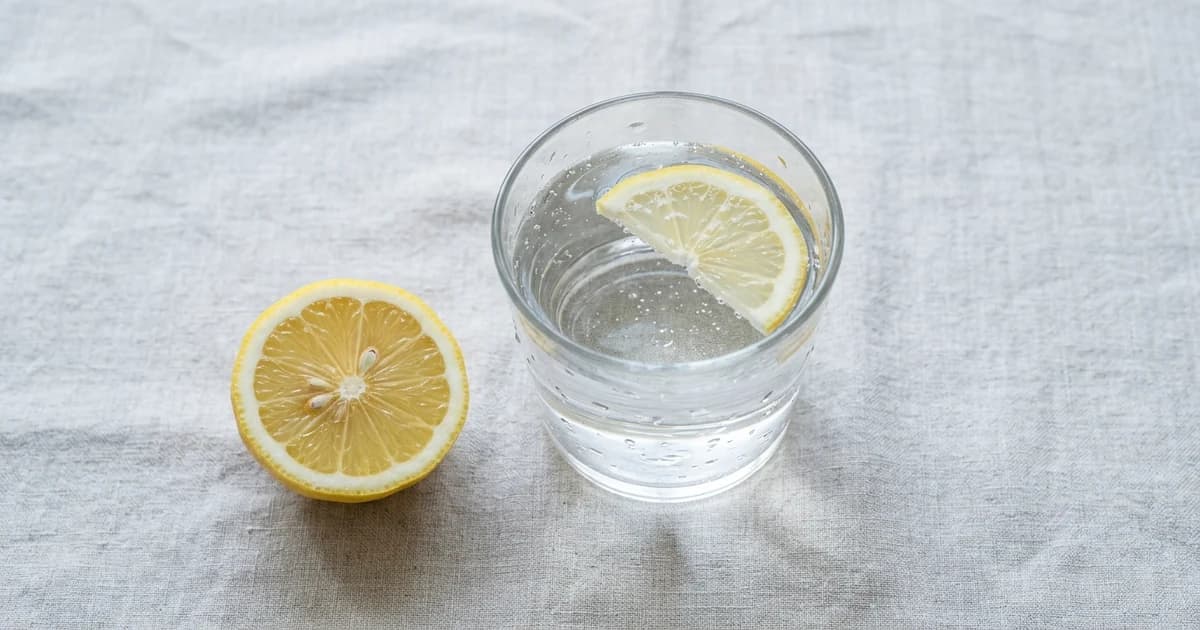
Does Lemon Water Break a Fast? It Depends on the Goal
For most fasts, no. The juice of a whole lemon has about 11 calories and 1.2 g of sugar, calculated from USDA data. A single squeeze in a glass of water is closer to 3 calories. That will not break a fast done for weight management or ketosis. It does break a fasting blood test (plain water only) and any religious fast that bars food and drink.
The real question is not "does it break a fast?" but "which fast?" The answer changes depending on what you are trying to accomplish.
Key Takeaways
- A tablespoon of lemon juice adds about 3.4 calories, 1.1 g carbohydrate, and 0.4 g sugar. For a calorie-control or keto fast, that is negligible.
- No published human study has tested lemon water during a fasting window for insulin, ketone, or autophagy outcomes. Anyone claiming a specific calorie threshold for "breaking autophagy" is guessing.
- MedlinePlus explicitly tells patients to avoid lemon-flavored water before a fasting blood test. Plain water only.
- Religious fasts that prohibit all food and drink exclude lemon water by definition. Follow your tradition's guidance.
Does Lemon Water Break a Fast? The Answer by Fasting Goal
The table below gives a straight verdict for each type of fast. Every calorie and carbohydrate figure is derived from USDA FoodData Central (FDC ID 167747) and assumes a squeeze to half a lemon in water, no sweetener.
| Fasting goal | Does plain lemon water break it? | Why |
|---|---|---|
| Weight or calorie control | No | 3 to 11 calories is trivial against a full day's intake |
| Ketosis | No (squeeze to half a lemon) | Carbohydrate is roughly 0.5 to 1.7 g, far below what would shift ketone production |
| Autophagy | Unknown | No human calorie threshold exists in the literature; strict water-only fasters skip it |
| Gut rest | Technically yes, practically minor | It is not plain water; the acid may bother people with reflux |
| Fasting blood test | Yes | Plain water only, per MedlinePlus |
| Religious fast | Yes (where food and drink are barred) | Follow your tradition's rules |
If your rule is "water only," then lemon water breaks the rule by definition, regardless of the calorie count. If your rule is "stay under a calorie threshold to preserve the metabolic state," read on.
How Many Calories Are in Lemon Water?
These numbers come from the USDA entry for raw lemon juice, which lists 22 kcal per 100 g with 6.9 g carbohydrate and 2.52 g total sugars.
| Amount of lemon | Approx. juice (g) | Calories (kcal) | Carbohydrate (g) | Sugar (g) |
|---|---|---|---|---|
| One thin slice, squeezed | ~5 | ~1 | ~0.3 | ~0.1 |
| 1 tablespoon (½ fl oz) | 15.25 | 3.4 | 1.1 | 0.4 |
| Half a lemon | 24 | 5.3 | 1.7 | 0.6 |
| One whole lemon | 48 | 10.6 | 3.3 | 1.2 |
| 1 fl oz | 30.5 | 6.7 | 2.1 | 0.8 |
A useful reference: under FDA labeling rules (21 CFR 101.60), anything under 5 calories per serving can be labeled "calorie free." A single tablespoon of lemon juice falls below that threshold. Half a lemon just exceeds it. Neither amount registers on any metabolic scale that matters for a weight or keto fast.
Does Lemon Water Spike Insulin or Kick You Out of Ketosis?
No study has tested a squeeze of lemon in water during a fasting window for insulin or ketone outcomes. That is the honest answer, and any blog claiming otherwise is extrapolating.
What does exist: a randomized crossover trial in healthy volunteers (Freitas et al., European Journal of Nutrition, 2021) that gave participants 250 mL of lemon juice alongside 100 g of bread. Lemon juice lowered the mean blood glucose peak by 30% (p < 0.01) and delayed it by more than 35 minutes compared to water. That is a fed-state result about starch digestion speed, not evidence that lemon water "helps" a fast. The mechanism was likely acid inhibition of salivary amylase, which is irrelevant when you are not eating starch.
The carbohydrate load of a single squeeze of lemon is roughly one gram. For context, your liver stores 80 to 100 g of glycogen. One gram of carbohydrate will not shift ketone production or trigger a meaningful insulin response.
Does Lemon Water Break Autophagy?
Autophagy cannot be measured by a consumer. There is no home test, no app metric, and no published human calorie threshold that defines where autophagy "stops."
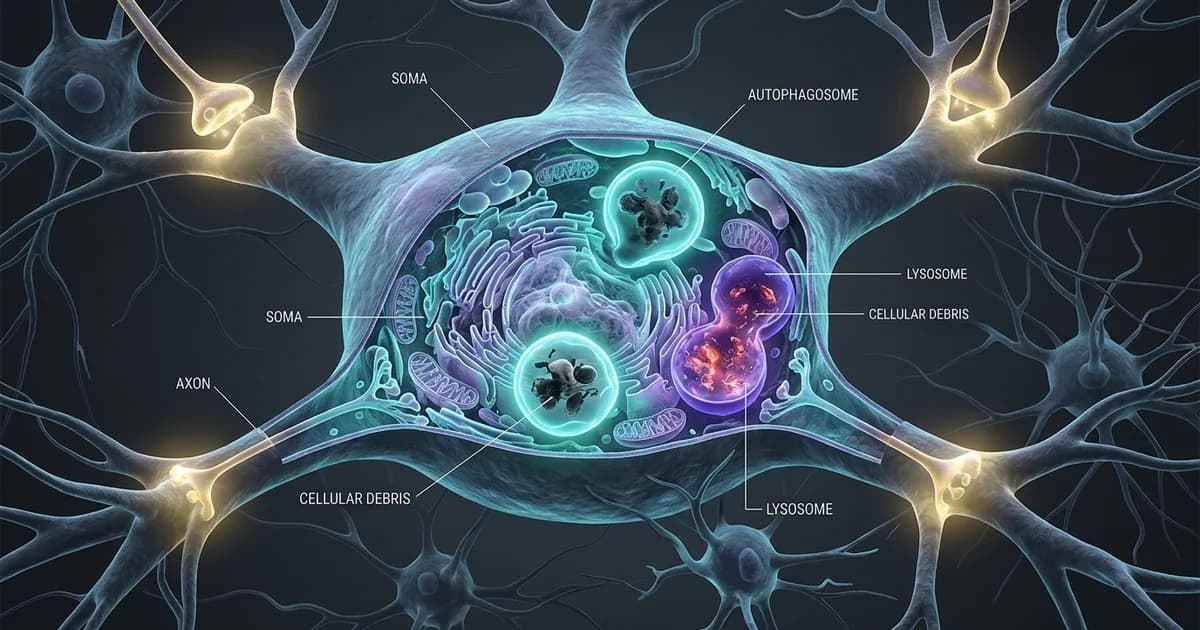
What we know about the fasting-autophagy connection comes from animal models and indirect human evidence. A 2019 review in the New England Journal of Medicine (de Cabo and Mattson) describes the metabolic switch that occurs when liver glycogen is depleted, typically after 10 to 14 hours of energy restriction. Blood ketone bodies begin rising within 8 to 12 hours of fasting onset. Autophagy is part of this cellular response to energy restriction, but the review provides no calorie threshold below which autophagy is preserved and above which it is not.
Three calories of lemon juice is not addressed anywhere in that literature. If your goal is autophagy and your protocol is strict water only, skip the lemon. If your protocol allows very low-calorie intake, a squeeze of lemon is unlikely to matter, but "unlikely" is the strongest honest word available.
Can You Drink Lemon Water Before a Fasting Blood Test?
No. This one is not ambiguous.
MedlinePlus, the patient-facing site of the National Library of Medicine, states that fasting for a blood test means you should not eat or drink anything except plain water. The page specifically advises patients to avoid lemon-flavored or flavored carbonated water, which may contain sugars or artificial sweeteners. Juice, coffee, soda, and other beverages can enter your bloodstream and affect results.
You typically need to fast for 8 to 12 hours before the draw. Follow your lab's or clinician's specific instructions. If your test is in the morning, schedule it early so most of your fast happens while you sleep.
Religious Fasts
Fasts that bar all food and drink during fasting hours, such as the daytime fast of Ramadan or the fast of Yom Kippur, exclude water itself. Lemon water is out. Rules differ between traditions and even between communities within a tradition, so ask your own religious authority rather than relying on a nutrition blog.
What Turns Lemon Water Into a Fast-Breaker
Plain lemon water is fine for most metabolic fasts. The problem starts when people add things to it:
- Honey, sugar, or maple syrup. Even a teaspoon of honey adds about 21 calories and 6 g of sugar. That is a different drink.
- Bottled lemonade or sweetened "lemon water" mixes. These are juice drinks, not lemon water. Check the label.
- Bottled lemon juice. Some brands add sugar or preservatives. Read the ingredients.
- Flavored packets. Many contain added sugars or maltodextrin.
A pinch of salt is fine from a calorie standpoint. If you are looking at other fasting-window drinks, see the full list of what you can drink while fasting, including black coffee, stevia-sweetened drinks, and diet soda.
Two Real Downsides: Teeth and Reflux
Lemon juice is strongly acidic. A 2016 study in the Journal of the American Dental Association (Reddy et al.) measured 379 commercially available US beverages and found that 93% had a pH below 4.0, the level at which dental erosion occurs. The study categorized 39% of all tested beverages as extremely erosive (pH below 3.0) and 54% as erosive (pH 3.0 to 3.99).
Practical steps if you drink lemon water regularly:
- Dilute well. A squeeze in a full glass, not a concentrated shot.
- Use a straw to reduce contact with teeth.
- Rinse your mouth with plain water afterward.
- Do not sip it continuously throughout a fasting window. One glass is better than an all-morning habit.
The other issue is reflux. Acidic liquid on an empty stomach can aggravate gastroesophageal symptoms in people who are prone to them. If lemon water bothers you during a fast, plain water or a fasting headache fix with electrolytes may be a better choice.
People with diabetes, who are pregnant, under 18, with a history of disordered eating, or on medication should talk to a clinician before fasting.
The Short Version
Lemon water does not break a fast done for weight management or ketosis. It may or may not matter for autophagy, and no one can give you a definitive number. It does break a blood-test fast and a religious fast. Know your goal, then judge the drink.
Frequently Asked Questions
How much lemon can I put in water without breaking a fast?
For a calorie-control or keto fast, up to half a lemon (about 5 calories, 1.7 g carbohydrate) is well within range. For a blood-test fast, the answer is zero: plain water only. For autophagy, no published threshold exists, so the honest answer is that we do not know.
Does lemon water break a 16:8 intermittent fast?
Most people doing 16:8 are fasting for weight management or metabolic health. A squeeze of lemon in water adds roughly 1 to 3 calories. That will not meaningfully affect calorie balance or insulin levels over a 16-hour window. If your personal protocol is strict water only, it does break the rule.
Does warm lemon water in the morning break a fast?
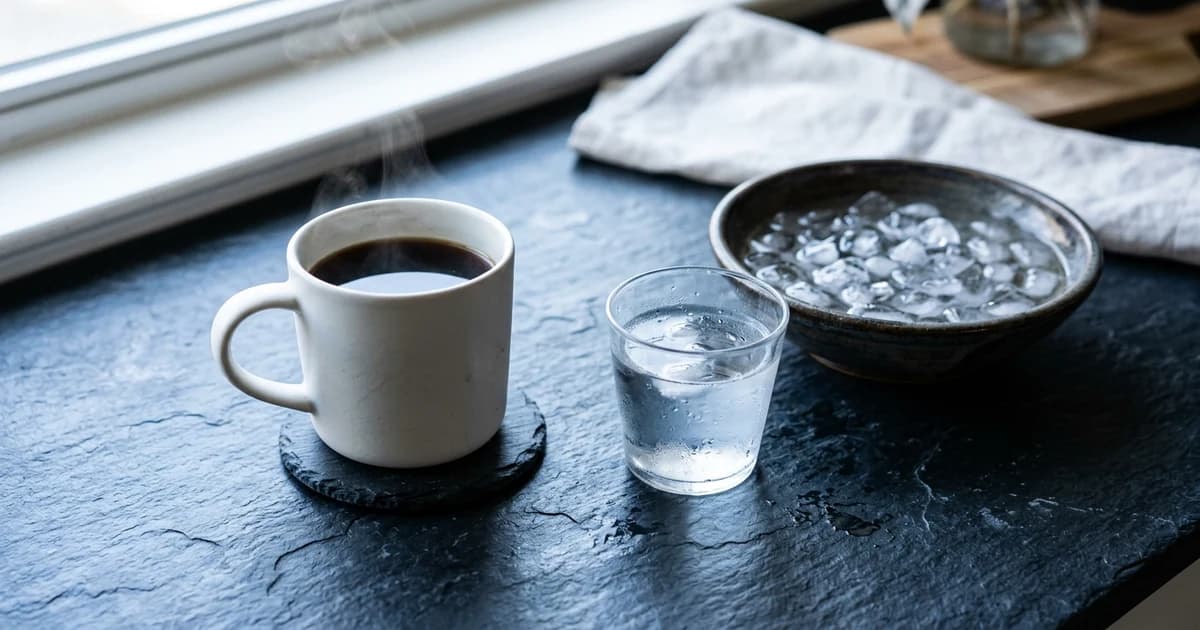
Temperature does not change the calorie count. Warm lemon water has the same 1 to 5 calories (depending on how much lemon you use) as cold lemon water. Same rules apply.
Does lemon water with salt break a fast?
Salt has zero calories, so adding a pinch does not change anything from a calorie or insulin perspective. Some fasters add salt for electrolytes during longer fasts. The lemon is the only variable, and its calorie contribution remains minimal.
Does bottled lemon juice break a fast?
Check the label. Pure bottled lemon juice (ingredient: lemon juice) has the same calorie profile as fresh. Some brands add sugar, high fructose corn syrup, or preservatives. A tablespoon of pure lemon juice is about 3.4 calories. A tablespoon of sweetened lemonade concentrate is a different story entirely.
Does cucumber or mint water break a fast?
The same logic applies: if the infusion adds negligible calories, it will not break a calorie or keto fast. Cucumber and mint in water contribute very little energy. For a blood-test fast, stick to plain water regardless.
The Same Goal Test, Applied to Your Morning Caffeine
The framework this article uses is simple: name your fasting goal, then check the label. That same test works for caffeine.
Roon is a zero-calorie, zero-sugar oral pouch with 80 mg caffeine and 60 mg L-theanine, plus 25 mg methylliberine (Dynamine) and 5 mg theacrine (TeaCrine). It contains sucralose, so if your protocol is strict water only, a Roon pouch does not qualify, and it has no place before a fasting blood test or during a religious fast. For more on that, see whether a Roon pouch breaks a fast.
For calorie-control and keto fasts, the pouch adds zero calories. The reason some fasters reach for it: methylliberine slows caffeine clearance. In a randomized, double-blind, crossover PK study (n=12), co-administration of 100 mg methylliberine with 150 mg caffeine cut caffeine's oral clearance from 41.9 to 17.1 L/hr and extended its half-life from 7.2 to 15 hours, with no increase in peak concentration. That study used 4x the methylliberine and roughly 1.9x the caffeine in a Roon pouch (25 mg and 80 mg), so the magnitude will differ, but the mechanism points in the same direction: a 6 to 8 hour felt window from a single pouch. Stop at least 8 hours before bed, because the same extended clearance that helps your morning makes a late-afternoon pouch a bad idea.
Subscriptions start from $9.16 per tin (15 pouches). One-time purchase is $15.00 per tin for a 4-tin pack. If you want energy that fits a fasting window without breaking your calorie budget, try Roon.
Related from Roon
- What Can You Drink While Fasting?
- Does Coffee Break a Fast?
- Does Stevia Break a Fast?
- Why Fasting Makes You Tired
Written by Roon Team