What Can You Drink While Fasting? 14 Drinks Ranked by Fasting Goal
What Can You Drink While Fasting? 14 Drinks Ranked by Fasting Goal
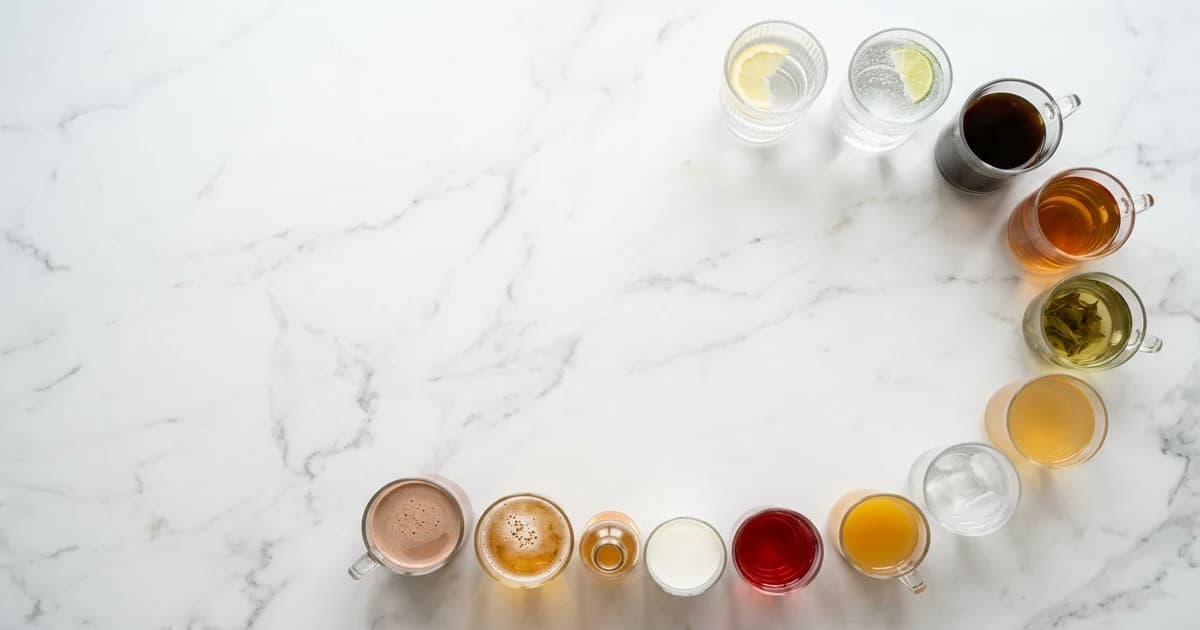
What can you drink while fasting? The short list: water, black coffee, plain green or black tea, and sparkling water are safe for every type of fast. Zero calories, no insulin response, no interference with autophagy. You can stop reading here if that covers your needs. But if you want caffeine variety, flavor, or electrolytes during a 16:8 or extended fast, the next ten options get more nuanced, and your fasting goal determines which ones belong in your rotation.
Most "what can I drink while intermittent fasting" lists give a single yes-or-no answer. That ignores reality. A calorie fast has different rules than an insulin fast or an autophagy-strict fast. A drink can clear one tier and fail another.
Key Takeaways
- Tier 1 (always fine): Water, sparkling water, black coffee, plain tea, herbal teas. Safe for calorie, insulin, and autophagy fasts.
- Tier 2 (calorie/insulin fine, autophagy debatable): Coffee with cinnamon, diluted ACV, unsweetened electrolyte water, lemon water, bone broth (extended fasts only), zero-calorie caffeine pouches.
- Tier 3 (goal-dependent): Diet soda, sucralose-sweetened drinks, stevia-sweetened drinks. Deep-dive articles linked below.
- Always avoid: Sugar, cream, milk, juice, protein shakes, alcohol, butter/MCT oil coffee.
The Ranked Table: 14 Drinks by Fasting Tier
| # | Drink | Cal / Serving | Calorie | Insulin | Autophagy | Notes |
|---|---|---|---|---|---|---|
| 1 | Water | 0 | ✅ | ✅ | ✅ | No caveats |
| 2 | Sparkling / mineral water | 0 | ✅ | ✅ | ✅ | Unflavored only |
| 3 | Black coffee | ~2 | ✅ | ✅ | ✅ | Deep dive |
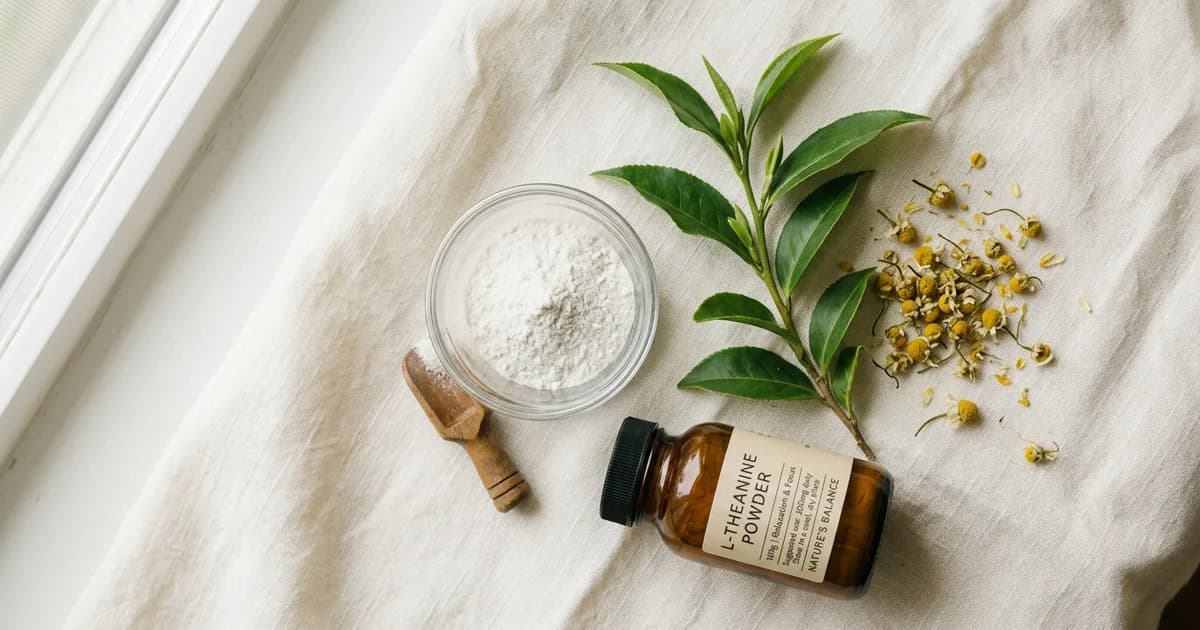
| 4 | Plain green tea | 0 | ✅ | ✅ | ✅ | L-theanine + EGCG, zero calories |
| 5 | Plain black tea | 0 | ✅ | ✅ | ✅ | Same rules as green tea |
| 6 | Herbal tea (unsweetened) | 0 | ✅ | ✅ | ✅ | Avoid blends with dried fruit |
| 7 | Black coffee + cinnamon | ~2 | ✅ | ✅ | ⚠️ | ~1-2 kcal from a dash |
| 8 | Lemon water | 3-6 | ✅ | ✅ | ⚠️ | Quarter lemon squeezed in |
| 9 | ACV water | ~3 | ✅ | ✅ | ⚠️ | 1 tbsp ACV diluted |
| 10 | Electrolyte water (unsweetened) | 0 | ✅ | ✅ | ⚠️ | Na/K/Mg, no sweetener |
| 11 | Zero-cal caffeine pouch | 0 | ✅ | ⚠️ | ⚠️ | Contains sucralose; sublingual delivery bypasses GI tract |
| 12 | Diet soda | 0-4 | ✅ | ⚠️ | ❌ | Deep dive |
| 13 | Sucralose drinks | 0-4 | ✅ | ⚠️ | ❌ | Deep dive |
| 14 | Stevia drinks | 0-4 | ✅ | ✅* | ⚠️ | Deep dive* |
✅ = safe for this goal, ⚠️ = caution / limited data, ❌ = likely breaks this fast type.
Calorie figures from USDA FoodData Central and brand labels. Under FDA rules (21 CFR 101.60), any food with fewer than 5 calories per serving can be labeled "zero calorie," so a "0 cal" label may mean up to 4.9 kcal per serving.
Tier 1: Always Fine, Every Type of Fast
Water needs no explanation. Flat or sparkling, it is the only drink with zero asterisks.
Black coffee comes in at roughly 2 kcal per 8 oz cup per USDA data, well under any calorie threshold. No insulin effect when consumed plain. For what counts as "black," see our coffee and fasting deep dive.
Plain green tea, black tea, and most herbal teas (peppermint, chamomile, rooibos) register zero calories with no insulin effect when unsweetened. Watch out for "herbal tea" blends containing dried fruit or honey granules. Read the ingredient list.
Caffeine withdrawal starts 12 to 24 hours after your last dose and peaks between 20 and 51 hours, per a review by Juliano and Griffiths (2004). If you fast in the morning, black coffee or tea is doing double duty: keeping you fasted while preventing a withdrawal headache.
Tier 2: Safe for Calorie and Insulin Fasts, Autophagy Gray Zone
These drinks don't break a fast by calorie or insulin standards but introduce trace nutrients that might activate nutrient-sensing pathways. If your goal is autophagy, stick to Tier 1. For a standard 16:8, all of these are fine.
Black coffee with cinnamon. A dash of ground cinnamon adds roughly 1 to 2 calories (one teaspoon is about 6 kcal; a dash is far less). No meaningful insulin impact. Treat it as a flavor choice, not a fasting strategy.
Apple cider vinegar in water. One tablespoon of ACV is approximately 3 kcal. Diluted in water, well under any calorie threshold, no documented insulin effect. Claims about ACV and blood sugar exist, but effect sizes are small and study designs are mixed.
Lemon water. A quarter to half lemon squeezed into water adds roughly 3 to 6 calories. For a calorie fast, negligible. For an insulin fast, the trace sugar is too small to trigger a meaningful response.
Unsweetened electrolyte water. During fasting, lower insulin reduces sodium reabsorption in the kidneys, a mechanism called fasting-induced natriuresis. You lose more sodium, potassium, and magnesium than in a fed state. Plain electrolyte water (no sweetener, no calories) replenishes what you are losing. More relevant for extended fasts than a routine 16-hour window.
Zero-calorie caffeine pouches. Not a drink, but they show up in "what can I have while fasting" searches for good reason. A sublingual pouch delivers caffeine through the oral mucosa, zero calories, nothing entering the GI tract. Note that some pouches, including Roon, contain sucralose; sublingual delivery bypasses the gut, but the same sweetener caveats discussed in Tier 3 may apply to a lesser degree.
Tier 3: Goal-Dependent, Covered in Depth Elsewhere
These generate the most debate. Rather than re-argue each one, here are the key facts with links to the full evidence:
Diet soda sits in the gray zone because a 2009 study (Brown, Walter, Rother) found that diet soda before a glucose load raised GLP-1 secretion via sweet-taste receptors on gut L-cells, without changing blood glucose. A modest gut-hormone signal, not a large metabolic disruption. Full breakdown: Does Diet Coke Break a Fast?
Sucralose-sweetened drinks carry the same GLP-1 concern, plus dose- and individual-dependent questions about insulin. Not a simple yes or no. Full breakdown: Does Sucralose Break a Fast?
Stevia-sweetened drinks fare better. A controlled trial by Anton et al. (2010) found stevia preloads produced significantly lower postprandial glucose and insulin than sucrose, placing stevia near the top of the sweetener category for insulin-conscious fasters. Full breakdown: Does Stevia Break a Fast?
Related: Does Creatine Break a Fast? Creatine itself is zero-calorie, but what you mix it with matters.
What to Avoid Entirely
- Cream, milk, half-and-half in coffee or tea (50+ kcal per splash, insulin response)
- Juice of any kind, including fresh-pressed (pure sugar, full insulin response)
- Protein shakes or collagen powder (amino acids directly activate mTOR, breaking autophagy)
- Alcohol (calories, liver processing, insulin disruption)
- Butter coffee / MCT oil coffee (200-400+ kcal per serving; breaks a calorie fast, full stop, even though some "fat fasting" protocols permit it)
- Any drink with added sugar, honey, agave, or maple syrup
These are not gray-zone items. They break every tier.
A Note on Bone Broth and Extended Fasts
Bone broth is not calorie-free. A cup of Kettle & Fire beef bone broth contains roughly 30 to 40 kcal and up to 19g of protein (varies by product line). That breaks a calorie fast, and the protein activates mTOR, suppressing autophagy.
Why does it keep appearing on "fasting-approved" lists? Some extended protocols (multi-day fasts, fasting-mimicking diets) include small amounts to maintain electrolytes. That is a different context than a daily 16:8. For standard intermittent fasting, bone broth belongs in your eating window.
Picking the Right Drinks for Your Fasting Goal
Your fast is defined by your goal, not by a universal rulebook. A daily 16:8 for calorie control has different tolerances than a 36-hour autophagy-focused fast. Start with Tier 1, add Tier 2 options based on need, and treat Tier 3 as a personal call based on how strict your protocol is.
One thing worth repeating: dehydration itself impairs focus and energy, and it gets blamed on the fast instead. For more on that connection, see Dehydration and Cognitive Function.
Frequently Asked Questions
What can I drink during a 16-hour fast?
Water, black coffee, plain tea, and sparkling water are safe for any 16:8 protocol. You can add lemon water, diluted ACV, or unsweetened electrolyte water without concern. Avoid cream, sugar, milk, and protein.
Does black coffee with cinnamon break a fast?
No. A dash of cinnamon adds roughly 1 to 2 calories, too small to trigger an insulin response or break a calorie fast. For an extremely strict autophagy protocol it introduces trace nutrients, but for the vast majority of fasters it is fine.
Is bone broth OK while fasting?
It depends. Bone broth contains 30 to 40+ calories and several grams of protein per cup, so it breaks a calorie fast and likely suppresses autophagy. Some extended fasting protocols include it deliberately for electrolytes, but it does not belong in a standard 16:8 window.
Do zero-calorie drinks really have zero calories?
Not always. Under FDA rules (21 CFR 101.60), a food with fewer than 5 calories per serving can be labeled "calorie free." For most fasting purposes this is negligible, but multiple servings of flavored "zero calorie" drinks can add up.
What breaks autophagy during a fast?
Anything that activates nutrient-sensing pathways, particularly mTOR and insulin signaling. Protein and amino acids (including collagen and bone broth) are the strongest activators. Whether artificial sweeteners or trace calories from coffee affect autophagy in humans is still debated, with limited direct evidence.
Can I drink diet soda while intermittent fasting?
For a calorie fast, yes. For an insulin-focused fast, a 2009 study found diet soda raised GLP-1 secretion modestly without changing blood glucose. For autophagy, the artificial sweeteners introduce enough uncertainty that most strict protocols exclude it. See our full breakdown.
Are electrolytes necessary during intermittent fasting?
For a daily 16:8, most people get enough from meals. For fasts longer than 24 hours, electrolyte replenishment matters more because fasting-induced natriuresis increases mineral loss. An unsweetened electrolyte mix in water is the cleanest option.
Does lemon water break a fast?
A squeeze of lemon in water adds roughly 3 to 6 calories. That will not break a calorie or insulin fast. For an extremely strict autophagy fast, even these trace calories are technically a nutrient signal, but most fasters consider lemon water acceptable.
Caffeine Without the Cup: Where a Pouch Fits Your Fasting Window
Most of the best drinks for fasting on this list solve the same problem: you want caffeine while keeping your fast intact. Black coffee and tea handle that well. But if you are hours deep and want caffeine without brewing another cup, a sublingual pouch is a different format entirely.
Roon is a zero-sugar, zero-calorie oral pouch with 80 mg caffeine, 60 mg L-theanine, 25 mg methylliberine (Dynamine), and 5 mg theacrine (TeaCrine). It contains sucralose as a sweetener. Nothing is swallowed; sublingual delivery means nothing enters the GI tract. It is fasting-compatible by calorie measure, though the same sweetener considerations discussed in Tier 3 apply in a reduced capacity given the sublingual route.
The practical advantage: no mug, no brewing, no "does my creamer count" calculation. It is not a replacement for hydration (you still need water and electrolytes), and it is not one of the 14 drinks above. It is a complement. Tins start from $9.16 each (as little as $0.61 per pouch) on the 12-tin subscription. If you want caffeine that fits in your pocket and does not complicate your fast, it is worth trying.
Related from Roon
- Does Coffee Break a Fast? What the Science Actually Says
- What Breaks a Fast? The Three-Tier Framework
- Dehydration and Cognitive Function
- Intermittent Fasting and Focus: The Ketone Connection
Written by Roon Team