Fasting Headache: Why It Happens and How to Stop It Without Breaking Your Fast
Fasting Headache: Why It Happens and How to Stop It Without Breaking Your Fast
A fasting headache is a real, clinically classified condition: a diffuse, nonpulsating, mild-to-moderate headache that the International Classification of Headache Disorders (ICHD-3) defines as developing during a fast of at least eight hours. It typically resolves within 72 hours of eating again. If you are 14 hours into an intermittent fast and your forehead feels like it is wrapped in a dull vise, you are not imagining it and you are not weak. You are probably experiencing one (or more) of four specific, well-documented physiological triggers.
The single most underrated one? Caffeine withdrawal that you are blaming on the fast itself.
Key Takeaways
- Fasting headache has formal diagnostic criteria and a lifetime prevalence of about 4.1% in general-population data, though rates during religious fasting approach 20% (AlAmri et al., 2021).
- The two factors most strongly implicated are caffeine withdrawal and low blood glucose. Dehydration and electrolyte shifts play supporting roles.
- A small dose of caffeine (zero calories, zero sugar) taken during the fasting window can resolve the withdrawal component without meaningfully affecting a calorie fast.
- Headaches that are sudden, severe, or accompanied by vision changes, confusion, or fever are not "just a fasting headache." See a doctor.
What Is Actually Happening: The Four Causes of a Fasting Headache
Not every headache you get while fasting has the same root cause. Research points to four mechanisms, and most fasting headaches involve at least two of them at once.
| Cause | Mechanism | Typical Onset | Key Clue |
|---|---|---|---|
| Caffeine withdrawal | Adenosine receptor upregulation triggers cerebral vasodilation and pain signaling after habitual caffeine intake stops | 12 to 24 hours after last caffeine dose | You skipped your morning coffee and started the fast |
| Blood glucose dip | Falling glucose triggers counterregulatory stress hormones (norepinephrine, cortisol) that can provoke headache | 8 to 16+ hours into a fast | Headache improves quickly after eating |
| Dehydration | Reduced fluid intake (common when people skip meals) causes plasma volume contraction | Variable, depends on fluid intake | Dark urine, dry mouth |
| Electrolyte shifts (sodium loss) | Falling insulin during fasting drives renal sodium excretion (natriuresis), lowering serum sodium | 12 to 48 hours | Headache plus muscle cramps or lightheadedness |
Sources: Torelli & Manzoni, Curr Pain Headache Rep, 2010; Frontiers, Fasting-Induced Natriuresis and SGLT; Zauner et al., Am J Clin Nutr, 2000.
Caffeine withdrawal: the cause hiding in plain sight
Here is the pattern researchers keep finding. A person starts a 16:8 or 18:6 intermittent fasting protocol. Their eating window begins at noon. They also skip their 7 AM coffee because "it might break the fast." By 10 AM, they have a headache. They blame the fast. But the fast has only been going for 14 hours. Their last caffeine dose was 27 hours ago.
That timeline is textbook caffeine withdrawal. A systematic review by Juliano and Griffiths (2004) established that withdrawal symptoms begin 12 to 24 hours after the last dose, peak at 20 to 51 hours, and last 2 to 9 days. Headache is the most common symptom, occurring in roughly 50% of people who abruptly stop caffeine.
The "Yom Kippur headache" is the clearest illustration. In a study published in Neurology, Mosek and Korczyn found that headache during the 25-hour Yom Kippur fast was strongly associated with habitual caffeine intake. Observant fasters abstain from all food and drink, including coffee and tea. The headache was not primarily a hunger headache or a dehydration headache. It was a caffeine-withdrawal headache with religious-fasting timing.
The same dynamic shows up in Ramadan data. A cross-sectional study of over 16,000 participants in Saudi Arabia (AlAmri et al., Cephalalgia, 2021) found that 19.6% reported headaches after breaking the fast. Given that Ramadan fasting also means no water or coffee during daylight hours, caffeine withdrawal is a plausible contributor alongside dehydration.
Blood sugar and the stress-hormone cascade
When you fast, blood glucose gradually falls and insulin drops with it. Your body compensates by releasing counterregulatory hormones, including norepinephrine and cortisol. Zauner et al. measured this directly in an 84-hour fasting study: resting energy expenditure actually increased in the first days of fasting, driven by a rise in circulating norepinephrine. Your body is mounting a stress response, not shutting down.
This hormonal shift can trigger headache in susceptible people, particularly those with a history of migraine or tension-type headache. It is also why fasting headaches tend to cluster in the first 24 to 48 hours rather than building steadily across a longer fast.
Dehydration and sodium loss
People often underestimate how much fluid they get from food. Skip three meals and you may lose several hundred milliliters of water you would have gotten from food alone (estimates vary by diet composition), before accounting for reduced drinking.
Separately, falling insulin during a fast triggers the kidneys to excrete more sodium, a phenomenon called fasting-induced natriuresis. This is one reason the first few days of a keto diet or extended fast bring rapid scale weight loss (it is mostly water and sodium, not fat). The resulting electrolyte shifts can drive headache, lightheadedness, and the constellation of symptoms people call "keto flu."
How Long Does a Fasting Headache Last?
It depends on the cause.
- Caffeine withdrawal headache: begins 12 to 24 hours after your last dose, peaks at 20 to 51 hours, can persist for 2 to 9 days if you do not resume caffeine (Juliano & Griffiths, 2004).
- Blood-sugar-driven headache: usually resolves within roughly 30 to 60 minutes of eating (clinical estimate; no controlled data).
- Dehydration headache: often improves within 1 to 3 hours of adequate fluid intake (clinical estimate).
- Electrolyte headache: may take 6 to 12 hours to resolve after sodium and fluid are replaced (clinical estimate).
The ICHD-3 diagnostic criteria state that a fasting headache should resolve within 72 hours of resuming food intake. If yours does not, it is likely not a fasting headache, and you should talk to a clinician.
How to Stop a Fasting Headache Without Breaking Your Fast
1. Drink water (obvious, but underdone)
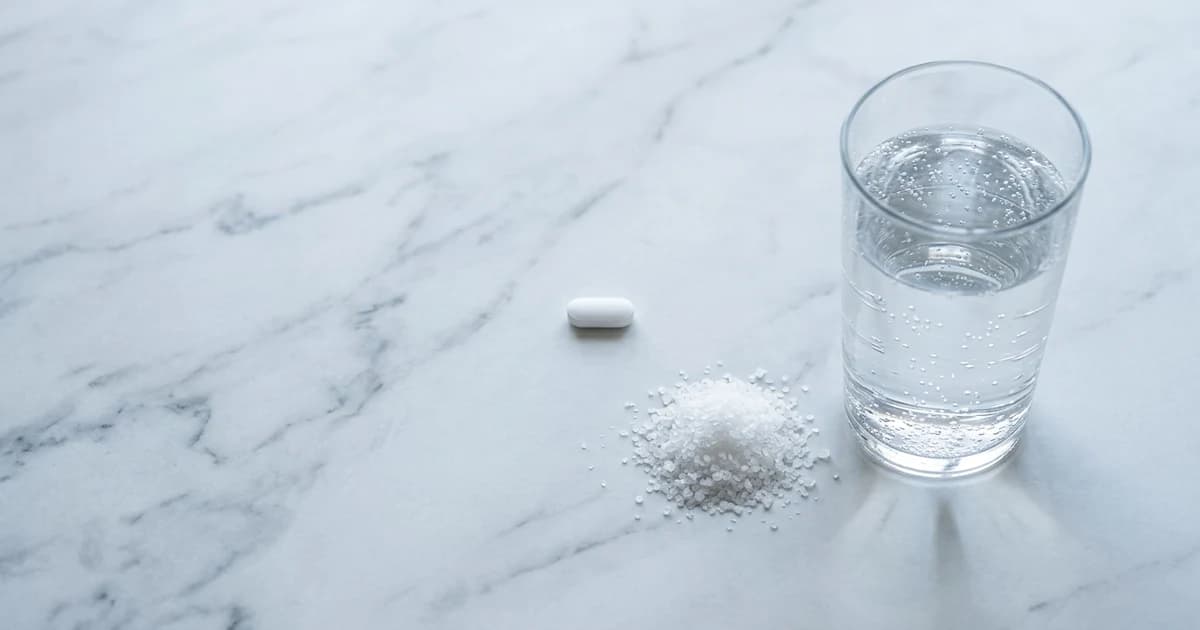
Most people fasting voluntarily (not for religious observance requiring water abstention) simply are not drinking enough. Aim for your normal daily intake even when you are not eating. Adding a pinch of salt to water can address mild sodium losses without adding calories.
2. Address the caffeine piece directly
If you normally drink coffee or tea, skipping it during your fasting window is the single most likely cause of your headache. The fix is straightforward: consume a small amount of caffeine.
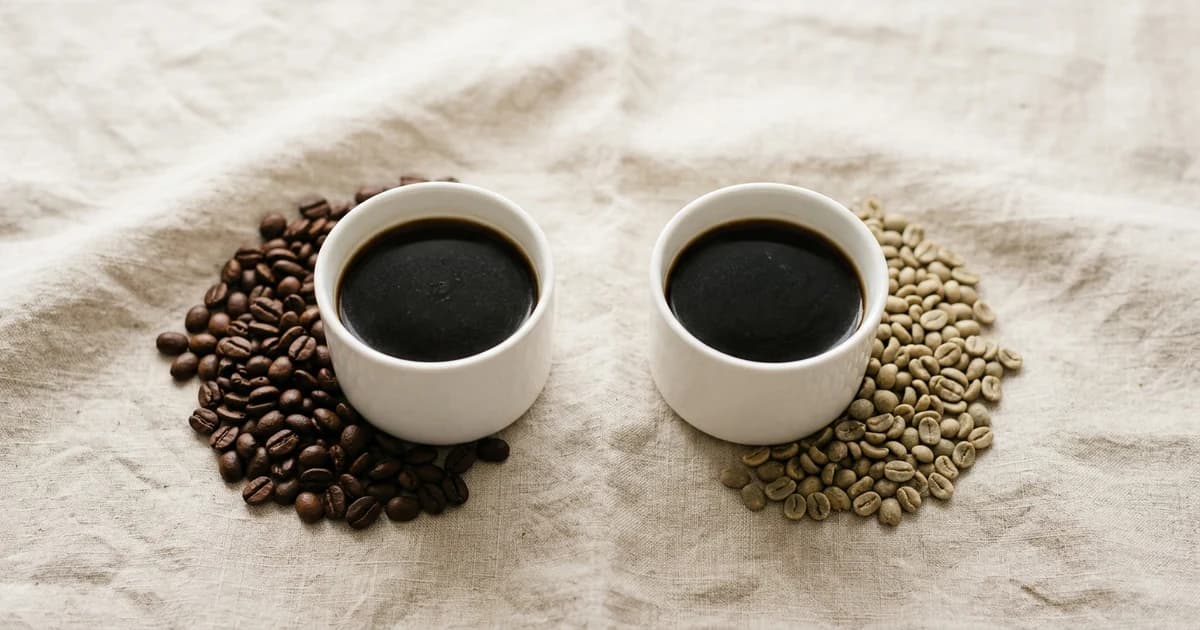
Black coffee contains roughly 2 calories per 8-ounce cup (USDA FoodData Central). That does not meaningfully break a calorie fast. A zero-calorie caffeine source, like a caffeine pouch, green tea, or caffeine pill, keeps the number at zero. For more on what does and does not break a fast, the answer is simpler than most influencers make it.
You do not need your full daily dose. Even a fraction of your usual caffeine intake can blunt withdrawal symptoms enough to stop the headache.
3. Replenish electrolytes
A quarter teaspoon of table salt in water, a sugar-free electrolyte mix, or bone broth (if your fasting protocol allows it) can address sodium-driven headache. This matters more on extended fasts (24+ hours) and during the first week of a ketogenic diet, when natriuresis is most pronounced.
4. Know when to break the fast
A headache is your body signaling something. If water, electrolytes, and a small caffeine dose do not resolve it within an hour or two, eat something. No fasting protocol is worth a day of misery, and chronic underfueling creates problems that outlast any fasting benefit.
What does NOT help
- "Just push through it." This advice, common in fasting forums, ignores that caffeine withdrawal and dehydration have specific, addressable causes. Pushing through a dehydration headache just makes you more dehydrated.
- Reaching for painkillers first. NSAIDs like ibuprofen on an empty stomach can irritate the gastric lining. If you do take a painkiller, address the underlying cause (fluid, electrolytes, caffeine) at the same time. And taking NSAIDs while fasting is worth discussing with your doctor.
Separating Fasting Headache From Something Serious
Most fasting headaches are uncomfortable but benign. They respond to refeeding, hydration, or caffeine within hours. But a headache during a fast is not automatically a fasting headache.
See a healthcare provider if your headache is:
- Sudden and severe ("thunderclap" onset)
- Accompanied by vision changes, confusion, slurred speech, or fever
- Not improving after you break the fast and rehydrate
- The worst headache you have ever had
These patterns may indicate something unrelated to fasting that needs evaluation.
Making the Fasting Headache Stop
Fasting headache is not mysterious. It has a formal clinical classification, a short list of causes, and a set of fixes that do not require abandoning the fast. For most people practicing intermittent fasting, the headache is not from hunger at all. It is from the caffeine they stopped consuming at the same time they stopped eating. Recognizing that distinction, and addressing it with water, electrolytes, and a small caffeine dose, resolves the majority of cases within an hour.
Frequently Asked Questions
How long does a fasting headache last?
A fasting headache driven by low blood sugar typically resolves within an hour of eating. One driven by caffeine withdrawal follows a longer arc: onset at 12 to 24 hours, peak at 20 to 51 hours, and resolution over 2 to 9 days if caffeine is not reintroduced. The ICHD-3 criteria specify that a fasting headache should resolve within 72 hours of eating again.
Is my headache from hunger or caffeine withdrawal?
Timing tells you. If the headache starts 12 to 24 hours after your last coffee or tea (not your last meal), caffeine withdrawal is the more likely driver. A hunger-related headache tends to correlate with how long it has been since you last ate and improves rapidly once you eat. The two often overlap, but the caffeine piece responds to caffeine, not food.
Does coffee help or hurt a fasting headache?
If the headache is caused by caffeine withdrawal, coffee helps directly by reversing the withdrawal. Black coffee has about 2 calories per cup and does not meaningfully break a fast for most purposes. If you want zero calories, a caffeine pouch or caffeine pill works the same way. Does sucralose break a fast? Current evidence says no for calorie-based fasting goals.
Can I get a headache from a 16:8 intermittent fasting schedule?
Yes. The ICHD-3 threshold is only 8 hours of fasting. A 16:8 schedule easily qualifies. In practice, the headache is most common during the first week as your body adjusts, especially if you are simultaneously cutting out morning caffeine.
What is the difference between a fasting headache and a keto headache?
They share overlapping causes, mainly dehydration and electrolyte loss due to natriuresis (insulin-driven sodium excretion). A "keto headache" occurs during carbohydrate restriction specifically, while a fasting headache occurs during caloric restriction. Both involve falling insulin, and both respond to the same interventions: fluids, sodium, and electrolyte replacement. Caffeine withdrawal is more prominent in the fasting headache population because fasting often coincides with skipping caffeinated drinks.
Should I take ibuprofen for a fasting headache?
Taking NSAIDs on an empty stomach increases the risk of gastric irritation. If you do reach for a painkiller, address the underlying cause at the same time: drink water, replenish electrolytes, and consider a small caffeine dose. If headaches during fasting are frequent or severe, talk to your doctor rather than relying on repeated NSAID use.
Does chewing gum break a fast?
Sugar-free gum has negligible calories and is unlikely to break a fast for most practical definitions. Some people chew gum to manage headache-adjacent jaw tension during fasting. It is not a headache treatment, but it will not sabotage the fast either.
A Zero-Calorie Caffeine Option for Your Fasting Window
If your fasting headache is really a caffeine-withdrawal headache with fasting timing, the logical fix is a caffeine source that fits inside the fast. That is the narrow, specific use case where Roon is worth knowing about: a zero-sugar, zero-calorie oral pouch delivering 80 mg of caffeine alongside L-theanine, methylliberine, and theacrine. No liquid, no brewing, no calories to account for.
Roon is not a headache treatment. It does not fix the dehydration, the sodium loss, or the blood-sugar dip. It addresses one specific variable: keeping a small amount of caffeine in your system so the withdrawal component does not stack on top of everything else. If you are someone who fasts regularly and drinks coffee daily, that overlap is where most fasting headaches actually come from.
Onset is 5 to 10 minutes. The felt duration runs 6 to 8 hours, which covers a typical fasting window without redosing. Tins start at as little as $0.61 per pouch on the 12-tin subscription. If you fast regularly and drink coffee daily, it is a zero-calorie way to keep caffeine in your routine without breaking the fast.
Related from Roon
- Caffeine Withdrawal Headache Timeline: Day-by-Day Guide
- Do Caffeine Pouches Break a Fast?
- Dehydration and Cognitive Function
- What Breaks a Fast?
Written by Roon Team