Are Dynamine and TeaCrine Safe? What 11 Human Trials Found

Are Dynamine and TeaCrine Safe? What 11 Human Trials Found
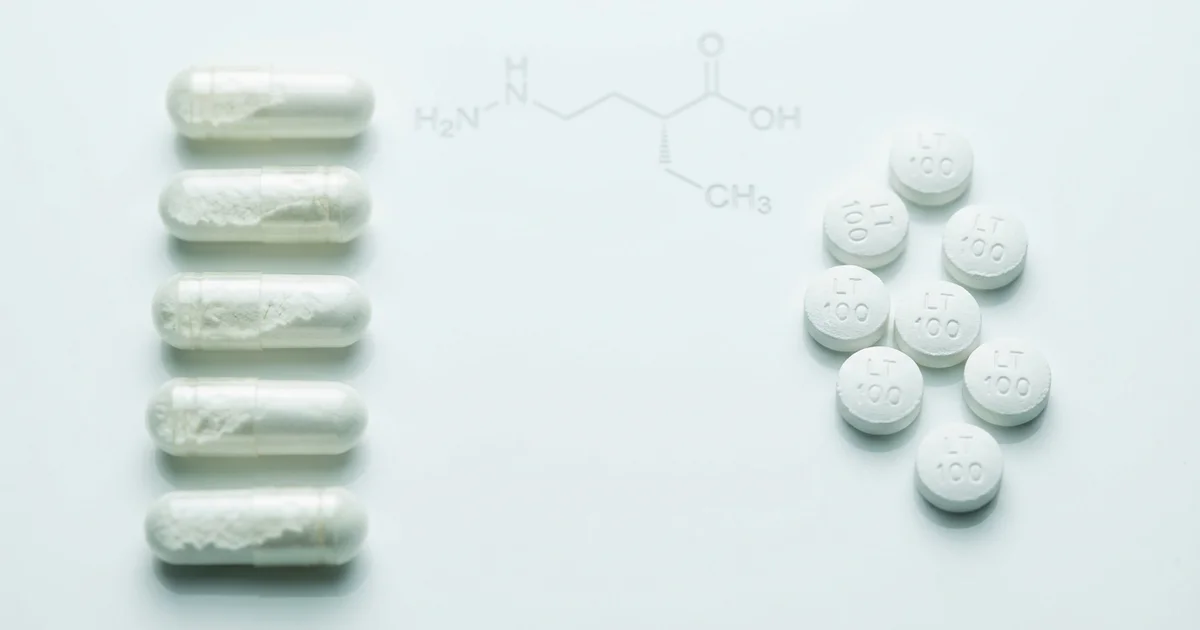
In short human trials, methylliberine (Dynamine) at up to 150 mg a day for 4 weeks and theacrine (TeaCrine) at up to 300 mg a day for 8 weeks caused no clinically meaningful changes in heart rate, blood pressure or blood chemistry in healthy young adults. Both multi-week safety trials were funded by the ingredient maker, Compound Solutions. None ran longer than 8 weeks, and none enrolled people with liver, heart or blood-pressure conditions. Roon, for example, is one product that pairs both with 80 mg of caffeine, about a small coffee, and its label caps use at 4 pouches a day.
What Did the Human Trials Actually Test?
The 11 human trials below, enrolling 8 to 125 people each, are the main published trials this page relies on for safety, from single doses to 8 weeks of daily use. The funder is noted per row. Several more trials, mostly performance studies of theacrine or the three-ingredient stack, are not listed.
| Study | People | Dose | Length | What was measured | Result | Funding |
|---|---|---|---|---|---|---|
| VanDusseldorp 2020, Nutrients | 125 young adults (mean age 23), 5 arms of 25 | Methylliberine 100 or 150 mg/day, alone or with theacrine 50 or 25 mg; placebo | 4 weeks daily | HR, BP, ECG (QTc), full blood panel incl. ALT, bilirubin, creatinine, eGFR | Small statistical changes over time, "no clinically significant changes" | Grant from Compound Solutions |
| Bloomer 2020, Med Res Arch | 12 adults | Methylliberine 25 or 100 mg; caffeine 150 mg; combinations with theacrine 50 mg | Single doses, crossover | HR, BP, respiratory rate, temperature | Methylliberine did not raise any measure; caffeine arms had higher BP | Ingredients supplied by Compound Solutions |
| Mondal 2022, J Exerc Nutr | 12 adults | Methylliberine 100 mg + caffeine 150 mg | Single doses, crossover | Caffeine pharmacokinetics | Caffeine half-life roughly 7.2 to 15 h, clearance 41.9 to 17.1 L/h, peak unchanged | Not stated (co-authors have received Compound Solutions funding in other studies) |
| La Monica 2023, Nutrients | 25 adults | Methylliberine 100 mg/day | 4 days, crossover | Vitals, Stroop, Trail Making B, mood scales | Mood and energy up vs placebo; cognition not improved; "no detrimental effects on vital signs" | Lab principal owner holds methylliberine patents |
| Taylor 2016, JISSN | 60 adults | Theacrine 200 or 300 mg/day | 8 weeks daily | HR, BP, lipids, blood counts, liver, kidney, immune markers; habituation | All safety markers within normal limits; no habituation | Grant from Compound Solutions |
| He 2017, J Caffeine Res | 8 adults | Theacrine 25 or 125 mg; caffeine 150 mg; theacrine 125 + caffeine 150 | Single doses, crossover | PK, HR, BP | Caffeine raised theacrine exposure; theacrine did not change caffeine PK; no HR/BP difference | Funded by Compound Solutions |
| Gardiner 2024, Sci Rep | 22 healthy men | Theacrine 100 or 400 mg, 12, 8 or 4 h before bed | Single doses, crossover | Sleep, next-day cognition | No significant effect on sleep (small non-significant decrements at 400 mg); 400 mg reduced next-morning PVT lapses | No external funding |
| Vieira-Cavalcante 2025, APNM | 19 cyclists | Theacrine 3 or 6 mg/kg | Single doses | 4 km time trial, BP, side effects | No performance gain; 6 mg/kg raised resting SBP and DBP; GI discomfort, perceived tachycardia, dizziness, headache, tremor at 3 or 6 mg/kg | No conflicts declared |
| Stoke 2026, APNM | 19 adults | Theacrine 3, 6, 9 mg/kg | Single doses, crossover | HR, BP, cortisol, cognition | No HR/BP change; salivary cortisol higher than placebo | No competing interests declared |
| Cintineo 2022, JISSN | 48 tactical personnel | Caffeine 150 + methylliberine 100 + theacrine 50 mg vs caffeine 300 mg vs placebo | Single dose | Vigilance, marksmanship, BP | Same vigilance gain as 300 mg caffeine; SBP higher than placebo (d = 0.79); DBP not | Funded by Compound Solutions; authors reported no COI |
| Tartar 2021, Cureus | 50 male gamers | Caffeine 125 + Dynamine 75 + TeaCrine 50 mg vs caffeine 125 mg vs placebo | Single doses, crossover | Cognition, anxiety, headache, cortisol | Caffeine alone raised anxiety and headaches; the stack did not | A co-author (Jose Antonio) is CEO of ISSN, which has received Compound Solutions sponsorship |
Source: PubMed abstracts and full-text funding statements, checked Oct 31, 2026.
Two of those trials (Cintineo 2022, Tartar 2021) tested three-ingredient stacks. Because caffeine, methylliberine and theacrine were dosed together, no result from either study can be attributed to a single compound. Both the benefits and the blood-pressure signals in those rows belong to the combination, not to any one ingredient.
A funding pattern is worth stating plainly: four trials were directly funded by Compound Solutions, the company that makes and licenses both branded ingredients. Three more have an industry tie (supplied ingredients, patent holder, or organizational sponsorship). The independently funded studies are systematically more negative on performance outcomes. For background on each compound alone, see the guides on methylliberine benefits and dosing and what theacrine is and where TeaCrine comes from.
Did Either Ingredient Raise Blood Pressure or Heart Rate?
Alone at typical supplement doses, no. In caffeine stacks and at very high theacrine doses, sometimes.
Bloomer 2020 gave methylliberine at 25 and 100 mg to 12 people in a crossover design: heart rate, blood pressure, respiratory rate and temperature stayed flat. Every arm that included 150 mg caffeine pushed blood pressure higher. Methylliberine by itself did not. He 2017 found no heart-rate or blood-pressure difference after single doses of theacrine up to 125 mg.
The signals come from the higher end. Cintineo 2022 reported systolic blood pressure higher than placebo (effect size d = 0.79) after 150 mg caffeine + 100 mg methylliberine + 50 mg theacrine, a size similar to 300 mg caffeine alone. Diastolic pressure did not rise.
Vieira-Cavalcante 2025 tested theacrine at 3 and 6 mg/kg in 19 cyclists. The 6 mg/kg dose (about 420 mg for a 70 kg adult) raised resting systolic and diastolic blood pressure. Side effects (GI discomfort, perceived tachycardia, dizziness, headache and tremor) were reported at both 3 mg/kg (about 210 mg) and 6 mg/kg. Stoke 2026 tested even higher theacrine doses (3, 6, and 9 mg/kg) in 19 adults and found no heart-rate or blood-pressure changes, but salivary cortisol was higher than placebo across doses.
What Do the Animal and Lab Studies Add?
Animal toxicology sets the outer boundaries, and a 2026 FDA laboratory paper adds a drug-interaction flag.
In a 90-day rat study, synthetic methylliberine showed no genotoxicity up to 700 mg/kg. The no-observed-adverse-effect level (NOAEL) was 150 mg/kg/day in males and 225 mg/kg/day in females. High-dose males had body-weight loss and sex-organ effects that did not reverse after 28 days of recovery (Murbach 2019).
In rats given theacrine for 90 days, the NOAEL was 180 mg/kg/day. Two females and one male died at 300 and 375 mg/kg/day; the probable cause was centrilobular hepatocellular necrosis (liver-cell death). Testes and sperm effects appeared at the same doses (Clewell 2016).
A 2026 paper by US FDA Human Foods Program scientists used cell assays and computer models to profile both compounds. The authors wrote that "extensive data on their human health effects are lacking." In those assays, the authors reported that methylliberine inhibited CYP1A2 (IC50 9.6 µM), the same enzyme that clears caffeine and several drugs. Both compounds acted as weak adenosine A2A antagonists, weaker than caffeine (Santillo 2026).
Rat doses are far above anything given to people; they define hazards, not everyday human risk. The FDA lab paper is cell and computer work, not a human trial.
Can Dynamine Interact with Caffeine or Medications?
Yes. Methylliberine slows caffeine clearance in people, and FDA lab work shows it inhibits CYP1A2, the enzyme responsible for clearing caffeine and several prescription drugs.
In Mondal 2022, 12 adults took 100 mg methylliberine with 150 mg caffeine. Caffeine's half-life stretched from roughly 7.2 to 15 hours, oral clearance dropped from 41.9 to 17.1 L/h, and peak plasma concentration did not change. The authors attributed this to probable CYP1A2 inhibition. This is an interaction finding: same peak, longer presence in the blood.
Theacrine works differently. He 2017 showed theacrine has zero effect on caffeine pharmacokinetics, though caffeine raises theacrine's exposure (Cmax and AUC). That suggests theacrine does not meaningfully slow caffeine clearance, at least at the 125 mg dose tested in 8 people.
The FDA's drug-interaction table classifies caffeine as a sensitive CYP1A2 substrate. Other CYP1A2 substrates include theophylline, duloxetine, clozapine and tizanidine. Strong CYP1A2 inhibitors (fluvoxamine) and moderate inhibitors (ciprofloxacin) already carry interaction warnings with those drugs. No study has tested methylliberine alongside any prescription drug, so anyone taking a CYP1A2-substrate medication should ask a pharmacist before using a methylliberine-containing product.
What If You Have a Liver Condition, Are Pregnant, or Have a Heart Condition?
No trial has enrolled anyone with liver, kidney or heart disease, or anyone who is pregnant. There is no safety data for these groups.
Liver disease. Taylor 2016 found liver enzymes within normal limits in healthy adults taking theacrine for 8 weeks. That result says nothing about a liver that already struggles with clearance. Caffeine is metabolized by the liver, and its half-life more than doubles in cirrhosis (about 11.4 hours vs 4.3 hours in healthy volunteers, per Jodynis-Liebert 2004). Methylliberine slows caffeine clearance further. If you have liver disease, ask your doctor before using any caffeine product.
Pregnancy. Neither methylliberine nor theacrine has been studied in pregnancy. ACOG sets a 200 mg/day ceiling for caffeine alone; that guidance says nothing about methylurate compounds stacked on top of it.
Heart conditions. The blood-pressure signals from Cintineo 2022 and Vieira-Cavalcante 2025 were found in healthy young adults. Anyone with hypertension, an arrhythmia or another cardiac condition should treat those signals as reasons to consult a cardiologist, not as reassurance.
Talk to a clinician first if you:
- Have liver or kidney disease
- Are pregnant, trying to conceive or breastfeeding
- Take a CYP1A2-substrate drug (theophylline, duloxetine, clozapine, tizanidine) or a CYP1A2 inhibitor (fluvoxamine, ciprofloxacin), or any regular prescription medication
- Have high blood pressure, an arrhythmia or another heart condition
- Are sensitive to caffeine or under 18
- Are a tested athlete (see the FAQ on sport bans below)
Roon is one consumer product that contains both methylliberine and theacrine, alongside caffeine and L-theanine. The full printed panel is at Roon's supplement facts. Its label caps use at 4 pouches a day, at least 2 hours apart, and states it is not recommended for children, pregnant or lactating women, or people sensitive to caffeine. For broader context on safety of nootropic pouches as a category, the same "talk to a clinician" rule applies.
Related from Roon
- The 4-week Dynamine safety trial in detail
- How theacrine and caffeine interact in the body
- Using Dynamine and caffeine together
Frequently Asked Questions
Is Dynamine banned in sports?
Methylliberine is not named on the NCAA 2025-26 banned-substances list, but the NCAA states there is no complete list and bans anything "chemically/pharmacologically related" to listed stimulants, which include caffeine. Methylliberine is not named on the WADA Prohibited List either, but that is not the same as being cleared. If you compete under any governing body, ask your compliance officer before using it.
Do Dynamine or TeaCrine build tolerance?
Taylor 2016 found no habituation to theacrine over 8 weeks of daily use at 200 to 300 mg, measured by pre-dose subjective scales designed to detect tachyphylaxis. That study did not test for dependency or withdrawal (see the 8-week theacrine habituation study for a closer look). No tolerance study exists for methylliberine. For both ingredients, data past 8 weeks does not exist.
Are they safe to take with coffee?
Human trials combined methylliberine or theacrine with 125 to 150 mg of caffeine in healthy adults without serious adverse events, though one stack raised systolic blood pressure versus placebo (Cintineo 2022). The key variable is total caffeine load: methylliberine makes caffeine linger longer in the body, so every milligram of caffeine counts more. The FDA's guidance for healthy adults is up to 400 mg of caffeine per day from all sources. Count everything and allow plenty of time before bed.
Is TeaCrine the same as theacrine? Are they natural?
TeaCrine is Compound Solutions' branded, synthetic form of theacrine. Dynamine is their branded, synthetic form of methylliberine. The raw compounds do occur in nature: theacrine in kucha tea (Camellia assamica var. kucha) and methylliberine in certain Coffea species. Both are methylurates, not methylxanthines (caffeine is the methylxanthine). The commercial product in supplements is synthetic, not extracted from tea or coffee plants.
A Measured Way to Use Both Ingredients
The evidence so far says methylliberine and theacrine caused no clinically meaningful harm in short trials of healthy young adults, at doses up to 150 mg and 300 mg a day, respectively. That is a narrower statement than "safe," and it should be.
Roon is a zero-nicotine oral pouch that contains both ingredients alongside 80 mg caffeine and 60 mg L-theanine. Its formula includes methylliberine, which has a pharmacokinetic interaction with caffeine; see Mondal 2022: in that trial, 100 mg methylliberine with 150 mg caffeine cut caffeine's oral clearance by more than half and roughly doubled its half-life, with no increase in peak concentration. Those were the study's doses, so treat the direction of the effect as the takeaway, not the exact numbers. A 15-hour half-life is not 15 hours of felt energy; Roon's felt window is 6 to 8 hours, with no jitters and no crash.
The practical trade-off: because caffeine lingers longer, allow at least 8 hours between your last pouch and sleep. Cap use at 4 pouches a day. And if you have a medical condition, take prescription medication, or are pregnant, talk to your clinician first. Roon is a dietary supplement, not a substitute for medical advice.
See the full ingredient panel and try Roon.
Sources
- VanDusseldorp 2020, "Safety of Short-Term Supplementation with Methylliberine (Dynamine)," Nutrients. PMID 32121218. Grant from Compound Solutions.
- Bloomer 2020, hemodynamic crossover, Med Res Arch. Publisher link. Ingredients supplied by Compound Solutions.
- Mondal 2022, "Caffeine and Methylliberine: A Human Pharmacokinetic Interaction Study," J Exerc Nutr. Publisher link. Funding not stated.
- La Monica 2023, methylliberine mood and cognition, Nutrients. PMID 37960163. Lab principal owner holds methylliberine patents.
- Taylor 2016, "Safety of TeaCrine®, a non-habituating, naturally-occurring purine alkaloid over eight weeks of continuous use," JISSN. PMC4711067. Grant from Compound Solutions.
- He 2017, theacrine and caffeine pharmacokinetics, J Caffeine Res. PMID 28875060. Funded by Compound Solutions.
- Gardiner 2024, "Dose Response Effects of Theacrine on Cognitive Performance and Subsequent Sleep," Sci Rep. Full text. No external funding.
- Vieira-Cavalcante 2025, theacrine and cycling performance, APNM. PMID 40048726. No conflicts declared.
- Stoke 2026, high-dose theacrine hemodynamics and cortisol, APNM. PMID 41950524. No competing interests declared.
- Cintineo 2022, caffeine + methylliberine + theacrine in tactical personnel, JISSN. PMID 36016763. Funded by Compound Solutions; authors reported no COI.
- Tartar 2021, caffeine + Dynamine + TeaCrine in gamers, Cureus. PMID 35103121. A co-author (Jose Antonio) is CEO of ISSN, which has received Compound Solutions sponsorship.
- Murbach 2019, "A Toxicological Evaluation of Methylliberine (Dynamine®)," J Toxicol. PMID 31911801. Sponsor-contracted (AIBMR).
- Clewell 2016, "A 90-Day Oral Toxicological Evaluation of the Methylurate Purine Alkaloid Theacrine," J Toxicol. PMID 27635133.
- Santillo 2026, "Evaluating the Biological Effects of Caffeine-Related Compounds Methylliberine and Theacrine," Food Chem Toxicol. PMID 42880479. US FDA Human Foods Program scientists.
- Jodynis-Liebert 2004, caffeine half-life in cirrhosis, J Clin Pharmacol. PMID 15051740.
- FDA, "Spilling the Beans: How Much Caffeine is Too Much?" FDA.gov.
- ACOG Committee Opinion 462 (2010), caffeine in pregnancy. PMID 20664420.
- NCAA 2025-26 Banned Substances. PDF.
- FDA Drug Interactions CYP Table. FDA.gov.
Written by Roon Team