The Dynamine Safety Trial
Roon Team
The Dynamine Safety Trial: What 125 People Taught Us About Methylliberine
Methylliberine is the new stimulant alkaloid showing up in pre-workouts, energy drinks, and focus pouches, and for years the obvious question went unanswered: is it actually safe in humans? The first real methylliberine safety study to test that question put 125 people on the compound for four weeks and measured what happened to their hearts, their blood, and their mood.
The short version: nothing alarming happened. The longer version is more useful, because it tells you exactly what methylliberine does, what it does not do, and why the dose on the label matters more than the ingredient name.
Here is what the data say.
Key Takeaways
- The 2020 Dynamine safety trial by VanDusseldorp and colleagues tracked 125 adults across five groups for four weeks and found no clinically meaningful harm.
- Doses ranged from 100 mg to 150 mg of methylliberine, alone or stacked with theacrine (TeaCrine). Small statistical shifts appeared in some markers, but none crossed into clinically relevant territory.
- Separate research shows methylliberine reliably improves mood and felt energy, but does not measurably sharpen cognitive test scores on its own.
- The honest read: methylliberine is a drive-and-affect ingredient, not a proven standalone cognitive enhancer. The dose you see on most product labels sits well under what was tested for safety.
What the Methylliberine Safety Study Actually Measured
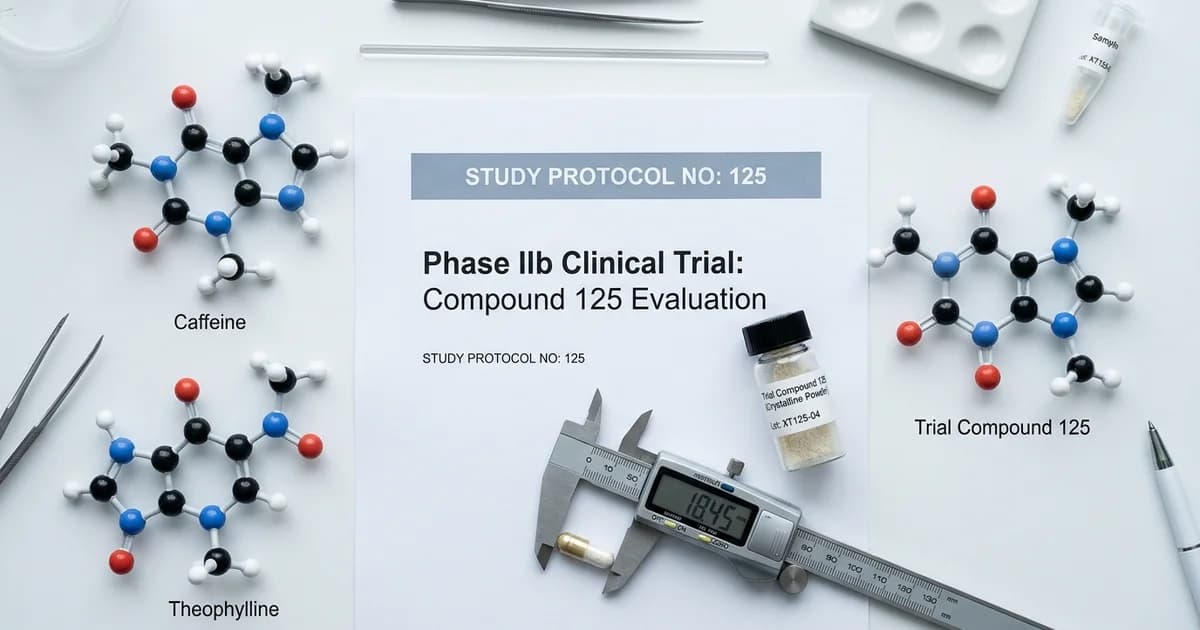
The landmark methylliberine safety study is a 2020 paper published in the journal Nutrients, led by Trisha VanDusseldorp at Kennesaw State University. The purpose was to examine the effect of four weeks of Dynamine supplementation, with and without TeaCrine, on cardiovascular function and blood biomarkers, because at the time there were no published human safety data on methylliberine and only limited research on theacrine.
That gap is the whole point. Methylliberine had been added to commercial products before anyone had run a controlled human safety trial on it. The VanDusseldorp methylliberine work was built to fill that hole.
The design was clean. One hundred twenty-five men and women, average age 23, were randomly assigned to one of five groups of 25: low-dose Dynamine at 100 mg, high-dose Dynamine at 150 mg, low-dose Dynamine with TeaCrine at 100 mg plus 50 mg, high-dose Dynamine with TeaCrine at 150 mg plus 25 mg, and a placebo.
Everyone took their assigned dose for four weeks. Researchers measured heart rate, blood pressure, the heart's electrical timing, and a long panel of blood biomarkers before and after.
The Headline Result: No Clinically Marked Harm
The trial's bottom line is the kind of sentence you want from a safety paper. While small changes were found in some cardiovascular and blood biomarkers, no clinically marked changes occurred, which suggests that methylliberine alone or combined with theacrine at the dosages used does not appear to negatively affect markers of health over four weeks of continuous use.
"No clinically marked" is doing real work in that sentence, so it is worth unpacking.
The researchers did detect statistical movement over time. Regardless of group and sex, marked effects for time showed up in heart rate, systolic blood pressure, and QTc (the heart's electrical timing), along with HDL cholesterol, creatinine, estimated glomerular filtration rate, bilirubin, and alanine aminotransferase, among others.
That list looks busy, but here is the part that matters for methylliberine blood pressure concerns: the shifts were small and stayed inside normal physiological ranges. A statistically marked change is not the same as a medically meaningful one. The numbers moved a little. None of them moved into a range a clinician would flag.
This is also the answer people are really asking when they search Dynamine TeaCrine safety. Stacking the two purine alkaloids together, at the doses tested, did not produce a worrying signal beyond either compound alone.
How Methylliberine Compares to Caffeine and Theacrine
Methylliberine, theacrine, and caffeine are cousins. Methylliberine (Dynamine) and theacrine (TeaCrine) are purine alkaloids purported to have similar neuro-energetic effects as caffeine. They share a chemical backbone and a general "alert and awake" feel, but they behave differently in the body.
Here is how the three stack up on what we actually know.
| Compound | Class | Typical dose studied | Onset / duration | Safety evidence | Best documented effect |
|---|---|---|---|---|---|
| Caffeine | Methylxanthine | 40–200 mg | Fast onset, can cause jitters and crash | Extensive | Alertness, attention, reaction time |
| Methylliberine (Dynamine) | Purine alkaloid | 100–150 mg | Fast, shorter-acting | Growing (VanDusseldorp 2020) | Mood, energy, motivation (not cognition) |
| Theacrine (TeaCrine) | Purine alkaloid | 50–300 mg | Slower, longer-acting | Moderate, non-habituating | Sustained energy without tolerance |
| Roon (4-ingredient pouch) | Sublingual blend | 80 mg caffeine + 60 mg L-theanine + 25 mg Dynamine + 5 mg TeaCrine | 5–10 min onset, 6–8 hr | Built on ingredient-level evidence | Sustained focus, no jitters or crash |
The pattern here is the honest one. Caffeine carries the deepest evidence for attention. Methylliberine and theacrine bring complementary effects, with theacrine notable for not building tolerance the way caffeine can.
What Methylliberine Does Not Do (And Why That Matters)
Here is the finding that gets buried in marketing copy: methylliberine makes you feel sharper without reliably making you measurably sharper.
A 2023 crossover trial published in Nutrients tested 100 mg of methylliberine against placebo for acute effects. The result was specific. Methylliberine markedly improved subjective feelings of energy, concentration, motivation, and mood, but not cognitive function, and it sustained those mood and concentration benefits for longer than placebo. We cover that same trial, and how it fits the wider evidence base, in our full guide to Dynamine as a supplement ingredient.
Read that again. The compound moved methylliberine mood energy markers, the felt experience of being switched on. It did not move the objective cognitive test scores.
That is not a knock on the ingredient. Feeling motivated and energized has real value when you are trying to start a hard task. But it means methylliberine works best as a drive-and-affect ingredient, paired with compounds that carry the attention evidence, rather than as a standalone nootropic.
For the deeper mechanics of how stimulants and amino acids combine, our breakdown of caffeine and L-theanine for focus covers why that specific pair is the most studied combination in the category.
The Toxicology Backs It Up
Human trials are only half the safety picture. Animal toxicology fills the rest. A separate evaluation ran genotoxicity tests plus a 90-day repeated-dose study in rats. The work concluded a no-observed-adverse-effect level for Dynamine of 150 mg/kg body weight per day in male rats and 225 mg/kg per day in females, with no genotoxic activity observed.
Scale those animal numbers down with standard safety margins and you land far above the milligram doses found in human products. Combined with the VanDusseldorp four-week data, the safety case for methylliberine at sensible doses is reasonable.
Conclusion
The methylliberine safety trial answered the question it set out to answer. Across 125 people, four weeks, and five different dosing groups running as high as 150 mg, the compound produced no clinically meaningful harm to the heart or blood, alone or stacked with theacrine.
What the trial does not do is turn methylliberine into a miracle focus pill. The best human evidence says it lifts mood, energy, and motivation, the feeling of being ready to work, without measurably improving cognitive test performance on its own. So the smart way to read this body of research is twofold. Methylliberine looks safe at studied doses, and it earns its place in a stack as a drive ingredient rather than the attention engine.
That distinction, safety versus proven cognitive benefit, is the thing most labels blur. Now you know the difference.
Frequently Asked Questions
Is methylliberine safe?
The strongest human evidence comes from the 2020 VanDusseldorp trial in 125 adults. Over four weeks of daily use at 100 to 150 mg, small changes appeared in some cardiovascular and blood markers, but no clinically marked changes occurred, suggesting methylliberine alone or with theacrine does not negatively affect markers of health at those doses. Animal toxicology supports a wide safety margin. As with any stimulant, individual tolerance and existing health conditions still matter, so talk to a clinician if you have concerns.
What doses did the Dynamine safety trial test?
The trial used five groups: 100 mg methylliberine alone, 150 mg alone, 100 mg with 50 mg theacrine, 150 mg with 25 mg theacrine, and a placebo. Each group had 25 participants. Most commercial products use far less methylliberine than the 100 to 150 mg tested here, which means the safety data provide a comfortable buffer above typical real-world doses.
Does methylliberine raise blood pressure?
The trial did detect statistical movement in systolic blood pressure and heart rate over time across the groups. However, the changes stayed small and did not reach clinical significance, and the authors concluded the doses tested did not negatively affect markers of health over four weeks. If you are managing blood pressure or heart conditions, stimulant ingredients of any kind deserve a conversation with your doctor first.
Does methylliberine actually improve focus and cognition?
Not on objective tests, based on current evidence. A 2023 crossover trial found methylliberine improved subjective feelings of energy, concentration, motivation, and mood, but not cognitive function. In plain terms, it makes you feel more switched on without measurably raising your test scores. That is why it works better paired with ingredients like caffeine and L-theanine, which carry stronger attention evidence.
Is it safe to combine Dynamine and TeaCrine?
The VanDusseldorp trial specifically tested both compounds together and separately. The combination at the studied doses did not appear to negatively affect markers of health over four weeks of continuous use. Theacrine is also notable for being non-habituating, meaning it tends not to build the rapid tolerance seen with some other stimulants. The pairing showed no safety signal beyond either ingredient alone.
How is methylliberine different from caffeine?
Both are alert-promoting alkaloids, but they are not identical. Methylliberine and theacrine are purine alkaloids purported to have similar neuro-energetic effects as caffeine. Caffeine has the deepest evidence base for attention and reaction time. Methylliberine's documented strength is mood and felt energy, and it tends to act fast and clear quickly, which is part of why formulators pair it with longer-acting compounds.
Why Roon Doses Methylliberine for Drive, Not Hype
The VanDusseldorp data established a clear safety margin at 100 to 150 mg of methylliberine. Roon uses 25 mg of methylliberine (Dynamine) per pouch, well below that tested range, so the safety evidence sits comfortably in your favor. That is the design decision, not an accident.
It also reflects an honest reading of the science. Methylliberine contributes felt energy and drive, the readiness to start work, rather than a proven standalone cognitive boost. So Roon pairs it with 80 mg caffeine and 60 mg L-theanine, the combination that actually carries the attention evidence, plus 5 mg theacrine (TeaCrine) for sustained, non-habituating energy. The sublingual pouch is built for a 5 to 10 minute onset and 6 to 8 hours of focus with no jitters, no crash, and no tolerance buildup.
Roon is not a medication and not a substitute for sleep, training, or sound nutrition. It is a focus tool with a transparent label. If you want energy and drive backed by attention ingredients that earn their spot, try Roon.
Written by Roon Team