Pre-Workout Side Effects by Ingredient: Which One Is Causing Yours

Pre-Workout Side Effects by Ingredient: Which One Is Causing Yours
About half of regular pre-workout users report at least one side effect after taking a scoop. A 2019 survey of regular consumers (Jagim et al., Nutrients) found that 54% experienced side effects including skin reactions (tingling), heart abnormalities, and nausea. The good news: most symptoms trace to one of four ingredient categories, not to "pre-workout" as a concept. Identify the ingredient, and you can fix the problem without ditching the category entirely.
This page maps each common symptom to its most likely cause, explains the mechanism, and tells you what to do about it. (If you need a primer on what each ingredient is for before diagnosing what went wrong, start there.)
Symptom-to-Ingredient Lookup Table
| Symptom | Most Likely Ingredient | Why It Happens | What to Do |
|---|---|---|---|
| Tingling, itching, "pins and needles" on skin | Beta-alanine | Activates MrgprD sensory receptors in skin; not an allergic reaction | Split dose to ~1.6 g, use sustained-release form, or switch to a formula without it |
| Jitters, shakiness, anxiety | Caffeine (dose-dependent) | Adenosine receptor blockade + catecholamine release at high doses | Lower dose; pair with L-theanine; track total daily caffeine |
| Racing heart, elevated heart rate | Caffeine and/or synephrine/yohimbine | Sympathetic nervous system stimulation | Reduce stimulant dose; avoid stacking multiple caffeine sources |
| Headache | Caffeine withdrawal or excess vasodilation from citrulline/arginine | Rebound vasoconstriction (withdrawal) or sudden nitric oxide surge | Stabilize caffeine intake day-to-day; reduce pump-ingredient dose |
| Nausea, stomach cramps, diarrhea | Creatine, citrulline malate, high total powder volume, caffeine | Osmotic load on an empty stomach; caffeine increases gastric acid | Take with a small meal; reduce serving size; try a non-powder format |
| Sleep disruption | Caffeine (half-life 5-6 hours in most adults) | Stimulant still circulating at bedtime | Stop all caffeine at least 6-8 hours before bed |
| Elevated blood pressure (acute) | Caffeine, synephrine | Vasoconstriction + increased cardiac output | Monitor if you have a pre-existing condition; consult a doctor |
Caffeine: The Most Common Culprit
Caffeine drives more pre-workout side effects than any other single ingredient because it appears in nearly every formula and doses vary wildly. Redcon1 Total War delivers 320 mg per scoop. Gorilla Mode hits up to 400 mg at the two-scoop max dose. BSN N.O.-Xplode packs 275 mg per serving. Add a morning coffee and you can blow past the FDA's 400 mg/day ceiling for healthy adults before lunch.
The ISSN position stand on caffeine places the ergogenic range at 3-6 mg/kg body mass. For an 80 kg (176 lb) person, that is 240-480 mg. Performance benefits are real in that range, but so are side effects: jitters and shakiness explained, anxiety, elevated resting heart rate, GI upset, and sleep disruption all scale with dose and individual sensitivity. Some people metabolize caffeine slowly (CYP1A2 gene variants), which means the same 300 mg dose that barely registers for a fast metabolizer keeps a slow metabolizer wired for hours.
What to track: Add up every caffeine source in your day, not just your pre-workout. Coffee, energy drinks, tea, and even some medications contribute. If you are north of 400 mg total and feeling symptoms, the fix is arithmetic, not a new supplement.
Beta-Alanine: The Tingle
That full-body tingling (paresthesia) 15-20 minutes after your scoop is almost certainly beta-alanine. The ISSN position stand on beta-alanine confirms that paresthesia is the only reported side effect at recommended doses (4-6 g/day) and describes it as safe in healthy populations.
The mechanism is specific: beta-alanine activates MrgprD receptors on a subset of skin-innervating sensory neurons. A 2012 study in The Journal of Neuroscience (Liu et al.) showed the response is histamine-independent, meaning it produces no wheal, no flare, and no allergic component. It is uncomfortable for some people, but it is not dangerous.
If the tingle bothers you, split your daily dose into portions of roughly 1.6 g or look for sustained-release formulations. Or choose a pre-workout that simply does not contain beta-alanine.
GI Distress: Creatine, Citrulline, and Volume
Nausea and stomach cramps are the second most common complaint. The usual suspects:
- Creatine monohydrate at 3-5 g in a single dose on an empty stomach can draw water into the gut and cause bloating or loose stools.
- Citrulline malate at high doses (6-8 g) adds to the osmotic load.
- Total powder volume itself matters. Some formulas exceed 25-30 g of powder per scoop. That much material hitting an empty stomach at once is a recipe for nausea regardless of what is in it.
- Caffeine stimulates gastric acid secretion and can trigger reflux or diarrhea in sensitive individuals.
The simplest fix: take your pre-workout with a small, easily digested meal (a banana, a piece of toast) rather than on a completely empty stomach. Halving the scoop for the first week also helps you identify which ingredient is the trigger.
Does Pre-Workout Cause Acne?
No direct causal evidence links a specific pre-workout ingredient to acne breakouts. The more likely explanations are mechanical: increased sweating during training, friction from hats or headbands, and delayed post-workout showering all create conditions where existing acne-prone skin gets worse. Some formulas contain added dairy (whey-based "pre-workout protein" blends) or sugar, both of which have preliminary associations with acne in some people, but the data is not strong enough to pin blame on pre-workout as a category.
If you notice breakouts correlating with a new supplement, check the ingredient panel for dairy derivatives or artificial colorants and try eliminating those first. Do not assume the stimulant or amino acid blend is responsible without evidence.
Is Pre-Workout Bad for Your Heart?
This question deserves a careful answer, not a blanket reassurance. Caffeine can acutely raise heart rate and blood pressure in a dose-dependent way. A 2018 JISSN review (Harty et al.) concluded that multi-ingredient pre-workout supplements appear "relatively safe" in short-term studies, but noted that most safety data covers fewer than eight weeks of use, leaving long-term daily consumption under-studied.
The real risk factor is dose stacking: taking a 300 mg caffeine pre-workout on top of morning coffee and an afternoon energy drink. That pushes total daily stimulant load well past the FDA's 400 mg guideline and into territory where heart palpitations, anxiety, and blood pressure spikes become more likely. Products containing additional stimulants like synephrine or yohimbine amplify the effect. For more on stacked stimulants and heart rate, that breakdown covers the interaction data.
If you have a pre-existing heart condition, take blood pressure medication, or have a family history of cardiac events, talk to your doctor before using any stimulant-based pre-workout. This is not a hedge. It is basic risk management.
Pre-Workout and Alcohol
Mixing a stimulant-based pre-workout with alcohol is a bad idea for two reasons. First, caffeine can mask the subjective feelings of intoxication (fatigue, loss of coordination) without actually reducing blood alcohol concentration. You feel more sober than you are, which leads to worse decisions about drinking more or driving. The FDA issued warning letters to manufacturers of caffeinated alcoholic beverages in 2010, effectively forcing reformulations after hospitalizations linked to this masking effect.
Second, both caffeine and alcohol independently stress the cardiovascular system. Combining them layers vasoconstriction (caffeine) on top of dehydration and irregular heart rhythm risk (alcohol). If you train in the morning and drink in the evening, the overlap is minimal. If you are taking pre-workout and drinking within the same few hours, reconsider.
When to See a Doctor
Most pre-workout side effects are uncomfortable but not dangerous. Some symptoms warrant immediate medical attention:
- Chest pain or tightness during or after exercise
- Irregular heartbeat that does not resolve within a few minutes of rest
- Fainting or near-fainting
- Difficulty breathing unrelated to exertion
- Severe allergic reaction (hives, swelling of face/throat)
These are not "push through it" situations. Stop the supplement, stop the workout, and get evaluated. No PR is worth a cardiac event.
Conclusion: Pick the Side Effects You Can Live With
Every pre-workout involves trade-offs. The question is not whether side effects exist but whether the ones you are experiencing trace to an ingredient you actually need. Beta-alanine tingle is harmless but annoying; you can skip it without losing much if endurance is not your priority. Caffeine jitters usually mean the dose is too high, not that caffeine itself is the enemy. GI distress often disappears with food or a smaller scoop. Map the symptom, adjust the variable, and stop blaming the entire category for one ingredient's behavior.
Frequently Asked Questions
What are the most common pre-workout side effects?
The most frequently reported symptoms are jitters, tingling (paresthesia from beta-alanine), elevated heart rate, nausea, and sleep disruption. A 2019 survey found 54% of regular users experience at least one side effect (Jagim et al., Nutrients). Most are dose-dependent and tied to specific ingredients rather than the supplement category as a whole.
Why does pre-workout give me a headache?
Pre-workout headaches typically have two causes. Caffeine withdrawal (if your intake is inconsistent day-to-day) triggers rebound vasoconstriction. Alternatively, high doses of nitric oxide precursors like citrulline or arginine can cause rapid vasodilation, producing a throbbing headache. Stabilizing your caffeine schedule or reducing pump-ingredient doses usually helps.
Does pre-workout cause acne?
No direct evidence links a specific pre-workout ingredient to acne. Breakouts more likely result from increased sweating, friction, and delayed post-workout hygiene. Some formulas with added dairy or sugar may contribute for acne-prone individuals, but the pre-workout stimulant and amino acid blend itself is not an established acne trigger.
Is pre-workout bad for your heart?
Caffeine raises heart rate and blood pressure acutely, and the risk increases with dose stacking (multiple caffeine sources in a day). Short-term studies suggest pre-workouts are relatively safe for healthy adults, but long-term safety data beyond eight weeks is limited. Anyone with a pre-existing heart condition should consult a doctor before using stimulant-based supplements.
Can I mix pre-workout with alcohol?
This is not recommended. Caffeine masks the subjective signs of intoxication without lowering blood alcohol levels, leading to riskier behavior. The combination also puts extra strain on the cardiovascular system. Separate your training window and drinking window by several hours at minimum.
Why does pre-workout make me tingle?
The tingling is caused by beta-alanine activating MrgprD receptors in your skin. It is not an allergic reaction and not dangerous. If it bothers you, use a lower dose (around 1.6 g), a sustained-release form, or a formula that omits beta-alanine entirely.
How long do pre-workout side effects last?
Most acute effects (jitters, tingling, GI upset) resolve within 1-3 hours. Caffeine's half-life in most adults is 5-6 hours, so sleep disruption can persist well into the evening if you dose too late. Tingling from beta-alanine typically fades within 30-60 minutes.
Is it safe to take pre-workout every day?
Short-term daily use appears relatively safe for healthy adults, per a 2018 JISSN review. The concern is long-term: most safety studies run under eight weeks. Caffeine tolerance also builds with daily use, which often leads to dose escalation. Cycling or choosing lower-dose options can help manage this.
A Simpler Ingredient Panel, Fewer Variables
Most of the symptom categories in the table above, beta-alanine tingle, GI overload from high powder volume, pump-blend headaches, trace to ingredients that are not caffeine. If your side effects fall in those rows, a format with a shorter ingredient list eliminates those variables entirely.
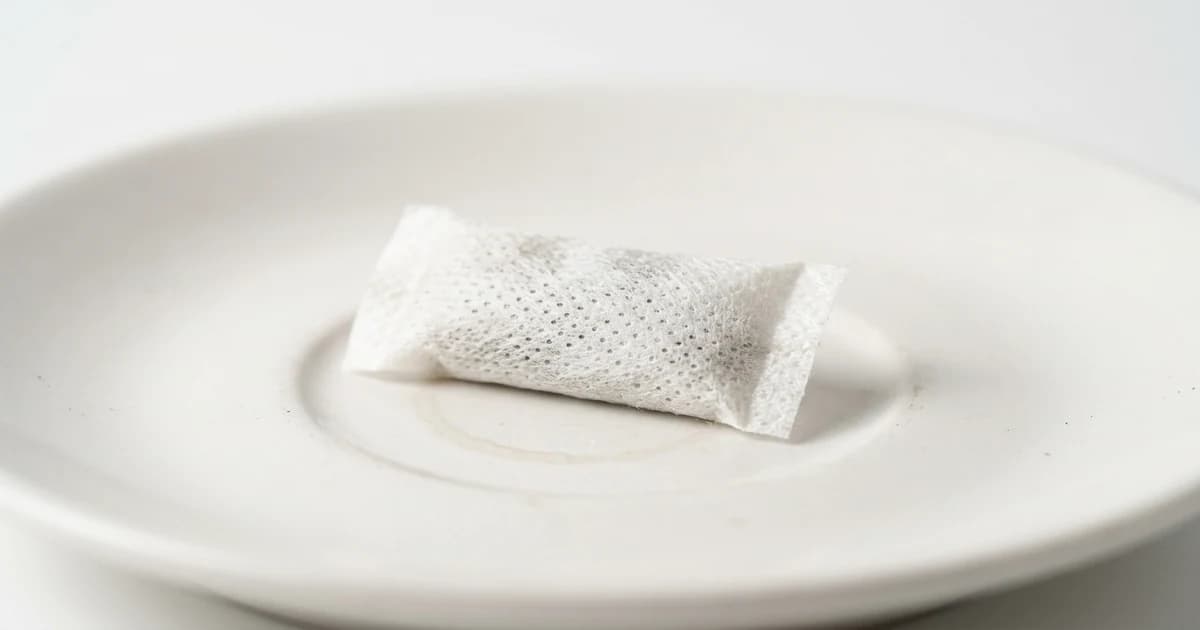
Roon is a zero-nicotine caffeine pouch with a short, four-ingredient formula. No beta-alanine, no citrulline, no creatine, no 25-gram powder bolus hitting your stomach. The caffeine row in that table still applies, but the other rows simply do not.
That is not a claim that Roon is side-effect-free. Caffeine is caffeine. But if you have been troubleshooting tingle, nausea, and headaches from a loaded pre-workout, fewer ingredients means fewer suspects. Tins start from $9.16 on a subscription. If you want a lower-dose option, that comparison covers the full field.
Related from Roon
- Why Pre-Workout Makes You Jittery and Shaky
- The Crash After High-Stim Formulas
- Ingredient-by-Ingredient Safety Review
Written by Roon Team