What Can I Have While Fasting? A Yes, No and Depends List for 40+ Items
What Can I Have While Fasting? A Yes, No and Depends List for 40+ Items
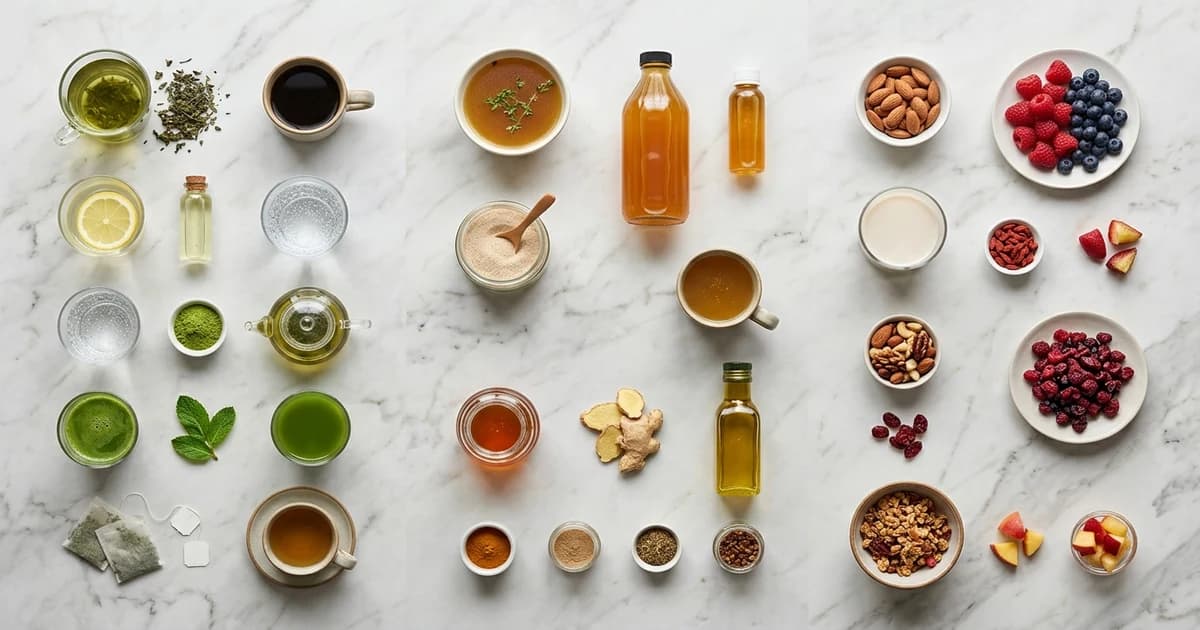
There is no single answer to "what can I have while fasting," because "breaking a fast" means at least four different things. Water, black coffee and plain tea clear every definition. Almost everything else depends on which fast you are doing: calorie-based time-restricted eating, insulin and metabolic fasting, autophagy-focused fasting, or religious fasting such as Ramadan. The grid below covers what can you have during a fast, with four verdicts for about 40 items so you can look up your question in seconds.
Most guides hand you one verdict per item. That works if every reader shares the same goal, but they do not. A 16:8 dieter and an autophagy faster can need opposite answers to the same question about the same item. Where the four columns disagree, that disagreement is the answer. For a deeper look at what breaks a fast and why it depends on context, start there. This page is the quick-reference grid.
Four Ways to Define "Breaking a Fast"
Calorie / time-restricted eating (TRE). The line is calories and a meaningful insulin response. If it has calories, it breaks this fast.
Insulin / metabolic. Anything that produces a measurable insulin or glucose response, including sweeteners that trigger a cephalic-phase insulin response through taste alone, per Zero Longevity.
Autophagy / longevity. Nutrient sensing through mTOR and insulin is the trigger. Amino acids matter here more than raw calories.
Religious (Ramadan as reference). Anything placed in the mouth breaks the fast. Most scholars treat buccal absorption as ingestion (IslamQA).
How to Read the Grid
- Yes = you can have it during that fast.
- No = it breaks that fast.
- Depends = the evidence or ruling is split; read the notes.
"Depends" appears often. That is honesty, not indecision.
Drinks
For a full beverages breakdown, see what you can drink while fasting.
| Item | Cal / TRE | Insulin | Autophagy | Religious | Notes |
|---|---|---|---|---|---|
| Water | Yes | Yes | Yes | Yes | The universal green light. |
| Sparkling water (plain) | Yes | Yes | Yes | Yes | No calories, no sweeteners. |
| Flavored sparkling water (zero-cal) | Yes | Depends | Depends | No | Natural flavors may trigger a small cephalic insulin response. |
| Black coffee | Yes | Yes | Yes | No | A 2014 mouse study showed coffee induced autophagy within 1 to 4 hours. See coffee and fasting. |
| Decaf coffee | Yes | Yes | Yes | No | Same profile as regular, minus most caffeine. |
| Coffee with milk or cream | No | No | No | No | Even a splash adds calories, protein and insulin. |
| Bulletproof coffee / MCT oil coffee | No | Depends | No | No | High fat. Some TRE practitioners allow it ("dirty fasting"). |
| Black tea | Yes | Yes | Yes | No | Similar to black coffee. |
| Green tea | Yes | Yes | Yes | No | Contains catechins and trace L-theanine. |
| Herbal tea (plain) | Yes | Yes | Depends | No | Most are fine. Fruit-based blends may carry trace sugars. |
| Lemon water (small wedge) | Yes | Depends | Depends | No | Negligible calories for a wedge; a full squeeze is different. |
| Apple cider vinegar in water | Yes | Depends | Depends | No | About 3 cal per tablespoon. No strong trial data on insulin during fasting. |
| Diet soda | Yes | Depends | Depends | No | Artificial sweeteners may trigger cephalic insulin. Zero Longevity places it on the "breaks" side for gut rest. |
| Electrolyte drink (no sweetener) | Yes | Yes | Yes | No | Plain sodium, potassium and magnesium. |
| Sweetened electrolyte drink | Depends | Depends | No | No | Check the label. |
| Bone broth | No | No | No | No | Roughly 30 to 50 calories per cup, plus protein. |
| Kombucha | No | No | No | No | Typically 30 to 60 calories per bottle. |
| Zero-sugar energy drink | Yes | Depends | Depends | No | Sweeteners and amino acids vary by brand. Read the label. |
Sweeteners
| Item | Cal / TRE | Insulin | Autophagy | Religious | Notes |
|---|---|---|---|---|---|
| Stevia | Yes | Yes | Yes | No | No known insulin response in trials. See stevia and fasting. |
| Monk fruit | Yes | Yes | Yes | No | Similar to stevia. |
| Sucralose | Yes | Depends | Depends | No | Mixed insulin picture (see below). Full analysis: sucralose and fasting. |
| Aspartame | Yes | Depends | Depends | No | Contains amino acids, but the amount per serving is trivial. |
| Erythritol | Yes | Depends | Depends | No | About 0.2 cal/g. Minimal insulin response in most studies. |
| Xylitol | Depends | Depends | Depends | No | About 2.4 cal/g. Enough to matter at larger doses. |
| Sugar or honey | No | No | No | No | Breaks every fast. |
Supplements and Pills
| Item | Cal / TRE | Insulin | Autophagy | Religious | Notes |
|---|---|---|---|---|---|
| Plain multivitamin (tablet) | Yes | Yes | Yes | No | No meaningful calories (Healthline). |
| Creatine monohydrate | Yes | Yes | Yes | No | No calories, no insulin response. |
| Fish oil capsule | Depends | Yes | Depends | No | Small fat content (10 to 15 cal). Strict autophagy fasters may skip it. |
| Gummy vitamin | No | No | No | No | Sugar, gelatin, calories. |
| Collagen powder | No | No | No | No | Pure protein. Amino acids activate mTOR. |
| BCAAs / EAAs | No | No | No | No | Amino acids activate mTOR and insulin, even at low calories. |
| Protein powder | No | No | No | No | High in calories and amino acids. |
| Pre-workout (with calories) | No | No | No | No | Sugar, BCAAs or protein break every fast. |
| Pre-workout (no calories) | Yes | Depends | Depends | No | Depends on sweeteners and amino acid content. |
| Electrolyte tablet (plain) | Yes | Yes | Yes | No | Minerals only. |
| Magnesium | Yes | Yes | Yes | No | Plain mineral. |
In the Mouth
| Item | Cal / TRE | Insulin | Autophagy | Religious | Notes |
|---|---|---|---|---|---|
| Sugar-free gum | Yes | Depends | Depends | No | Sweeteners may trigger cephalic insulin. Fails a Stephens clean fast. See gum and fasting. |
| Sugared gum | No | No | No | No | Contains sugar and calories. |
| Breath mints (sugar-free) | Yes | Depends | Depends | No | Similar to sugar-free gum. |
| Toothpaste | Yes | Yes | Yes | Depends | Spit, do not swallow. Most authorities allow it. |
| Mouthwash | Yes | Yes | Yes | Depends | Same principle as toothpaste. |
| Nicotine pouches | Depends | Depends | Depends | No | Flavoring, sweeteners and fillers vary by brand. No published calorie count for most. Breaks a religious fast. |
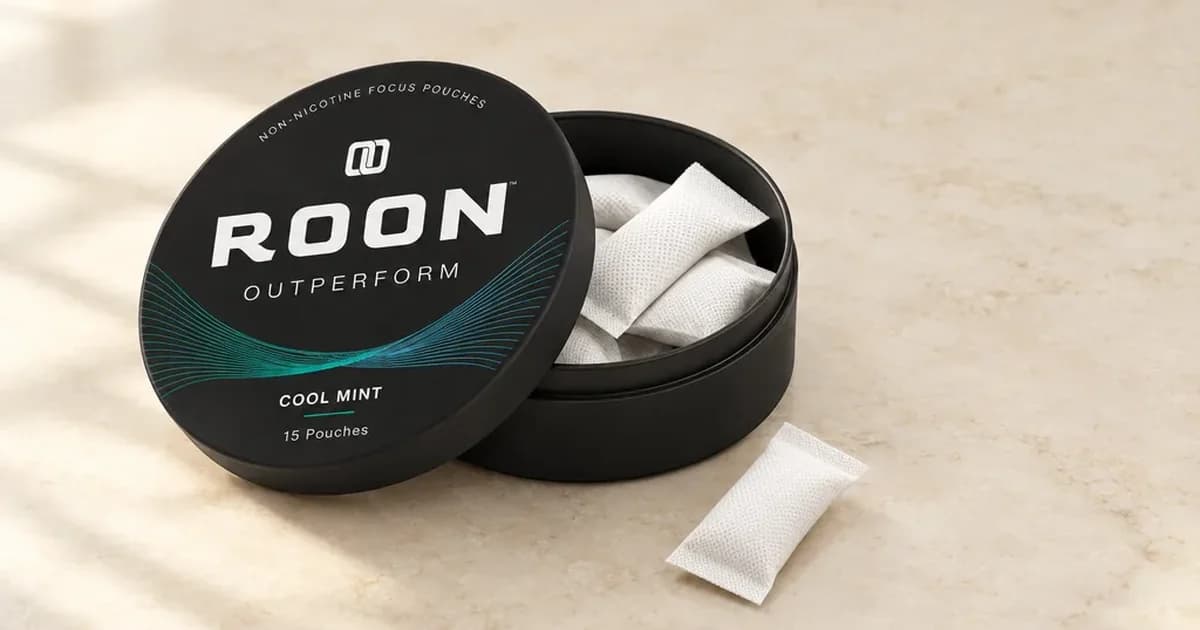
| Caffeine pouches | Depends | Depends | Depends | No | Ingredients vary by brand. Roon, for example, is a zero-nicotine, zero-sugar caffeine pouch whose label includes caloric ingredients (MCT oil, vegetable glycerin) and sucralose, with no published calorie count, so this row cannot honestly be marked as zero. Sucralose and flavoring fail a strict clean fast. Breaks a religious fast. See do caffeine pouches break a fast. |
| Caffeine gum | Depends | Depends | Depends | No | Sweeteners and flavorings determine the verdict. |
Where the Grid Disagrees With Itself
Black coffee. Yes across three columns, No for religious. No calories, no insulin effect, possible autophagy support in animal models. But for Ramadan it is liquid placed in the mouth.
Sucralose. Yes for calories (it has none), split on insulin, cautious for autophagy, No for religious. The split is real, covered below.
Sugar-free gum. Yes for calorie-based TRE, Depends for insulin and autophagy, fails a Stephens clean fast, No for religious.
Caffeine pouches. Depends across the first three columns because caloric ingredients are present but unquantified, and sucralose's insulin effect is debated. No for religious fasting, full stop.
The 50-Calorie Rule Is Folk Practice
You have probably read that eating up to 50 calories will not "break" your fast. Healthline's RD-reviewed fasting guide says it directly: "no scientific evidence backs these claims."
What people are approximating is a threshold below which the metabolic response is too small to interfere with time-restricted eating. Reasonable intuition, but not proven. A splash of cream is not the same as 50 calories of sugar, and 50 calories of collagen (pure amino acids) will activate mTOR in a way that 50 calories of fat will not. The number is shorthand, not science. For autophagy or religious fasting, it does not apply at all.
Clean Fasting vs Dirty Fasting
Clean fasting, in Gin Stephens' definition, bans flavor itself: no gum, no mints, no sweeteners (even zero-calorie), no food-like flavors of any type. The logic is that sweetness and umami trigger an insulin response through the cephalic phase, without calories (Shortform summary). Water, plain black coffee, plain tea and unflavored sparkling water pass. Everything flavored fails.
Dirty fasting, per Healthline, means consuming a small number of calories (typically under 100) during the fasting window.
Under Stephens' rules, any sweetened and flavored oral product fails a clean fast regardless of its calorie count. That includes sugar-free gum, breath mints, diet soda, and any sucralose-sweetened pouch. The dirty fasting rules are looser: stay under roughly 100 calories and you are still "fasting" in the TRE sense, even if a purist would disagree.
The Sweetener Question
The trials disagree, and that is the honest answer.
Grotz et al. (2017), a 12-week RCT in healthy adults, found no effect of sucralose on glucose or insulin. Pepino et al. (2013) found that in adults with obesity, sucralose before a glucose load raised insulin about 20%. A 2022 AJCN trial found two weeks of sucralose reduced insulin sensitivity about 17.7% in healthy adults. Dalenberg et al. (2020) showed sucralose with carbohydrate impaired sugar sensitivity, but sucralose alone did not.
The resolution: there appears to be a responder subset. People with overweight or insulin resistance are more likely to show a cephalic-phase response. For the full walkthrough, see sucralose and fasting.
If you manage blood sugar or have insulin resistance, you may want to treat sucralose as a "No" for the insulin column. Talk to your clinician.
Oral Products: Gum, Pouches and Caffeine Gum
Buccal absorption is not a bypass. Caffeine gum research (Kamimori et al., 2002) shows caffeine absorbs through the mouth lining and gets swallowed, with both routes working simultaneously. A pouch does not skip digestion.
The format is not the verdict; the ingredients are. A plain caffeine pill is calorie-free and flavor-free. A flavored, sweetened pouch is a different product from a fasting perspective. Sweeteners, oils, amino acids and flavorings each shift the answer.
Religious Fasting
For Ramadan, the rule is straightforward: anything placed in the mouth breaks the fast. IslamQA states that substances placed in the mouth that dissolve and enter the stomach with saliva invalidate the fast.
Any pouch, nicotine or caffeine, breaks a Ramadan fast. This is not a gray area.
Consult your own religious authority for specific rulings. No fasting guide on the internet substitutes for a qualified scholar.
How to Pick Your Column
- Fat loss or time-restricted eating: read Cal / TRE. Most items with no calories pass.
- Glucose management: read Insulin, and talk to your doctor.
- Autophagy: read that column and accept it is the strictest.
- Religious observance: only the Religious column applies.
Readers with diabetes or on glucose-lowering medication should speak with their clinician before adopting or modifying any fasting protocol.
Conclusion
The grid above exists because "does this break my fast?" is never one question. It is at least four, and the answer changes depending on whether you are counting calories, watching insulin, chasing autophagy, or observing a religious obligation. Use the column that matches your goal, read the notes when you see "Depends," and check ingredient labels before trusting any blanket verdict. When the evidence is mixed, the honest move is to say so, not to pick a side for convenience.
Frequently Asked Questions
Does black coffee break a fast?
Not for calorie, insulin or autophagy fasting. Black coffee has no calories and no meaningful insulin response. A 2014 mouse study showed coffee induced autophagy within 1 to 4 hours. It does break a religious fast because it is liquid consumed by mouth.
Do zero-calorie sweeteners break a fast?
It depends on the sweetener and the fast. Stevia and monk fruit show no insulin response in trials. Sucralose is split: most healthy adults show no effect, but a 2013 study found a roughly 20% insulin increase in adults with obesity. For strict clean fasting, all sweeteners are excluded.
Does gum break a fast?
Sugar-free gum is fine for a basic calorie fast. It fails a Gin Stephens clean fast because of its sweetener and flavor. Sugared gum breaks every fast. Any gum breaks a Ramadan fast.
Do caffeine or nicotine pouches break a fast?
For calorie-based TRE, it depends on the pouch's ingredients: some contain caloric fillers like MCT oil or vegetable glycerin with no published calorie count. For religious fasting, yes, any pouch placed in the mouth breaks the fast. For insulin and autophagy fasting, the verdict hinges on the sweetener and amino acid content.
Is the 50-calorie rule real?
No. Healthline notes that no scientific evidence supports the 50 to 75 calorie threshold. It is folk practice. The metabolic impact of 50 calories varies depending on whether those calories come from fat, protein or sugar.
What is the difference between a clean fast and a dirty fast?
A clean fast, as Gin Stephens defines it, allows only water, plain black coffee, plain tea and unflavored sparkling water. No flavors, no sweeteners, no calories. A dirty fast permits a small number of calories (typically under 100) during the window, such as cream in coffee or bone broth.
The Bottom Line
No single list can tell every faster what to consume and what to skip, because fasting goals differ. Start with the column that matches your reason for fasting, verify ingredient labels against that column's standard, and bring specific questions to a qualified professional. The best fasting protocol is one you understand well enough to follow consistently.
Where a Caffeine Pouch Sits on the Fasting Table
The honest answer is: it depends on which column you are fasting under. Roon contains MCT oil and vegetable glycerin as inactive ingredients, and no per-pouch calorie figure is published, so it cannot be cleared for a strict calorie fast without that data. It also contains sucralose, which fails a Gin Stephens clean fast. For religious fasting, any pouch placed in the mouth breaks the fast. If your fasting goal is time-restricted eating with flexible calorie rules, Roon delivers 80 mg caffeine, 60 mg L-theanine, 25 mg methylliberine (Dynamine), and 5 mg theacrine (TeaCrine) in a zero sugar sublingual pouch that covers 6 to 8 hours of sustained focus without the volume of coffee or the sugar of energy drinks. Dynamine slows caffeine clearance; the trade-off is a longer tail that means stopping at least 8 hours before bed.
Roon is not a substitute for verifying ingredient compatibility with your specific fasting protocol or consulting a dietitian about your goals. Apply the same scrutiny to a pouch that you would to bone broth or cream in coffee. From $9.16 per tin. Try Roon if your fasting framework permits it, and skip it if it does not.
Written by Roon Team