Does Gum Break a Fast? Sugar-Free, Nicotine, and Caffeine Gum, Piece by Piece
Does Gum Break a Fast? Sugar-Free, Nicotine, and Caffeine Gum, Piece by Piece
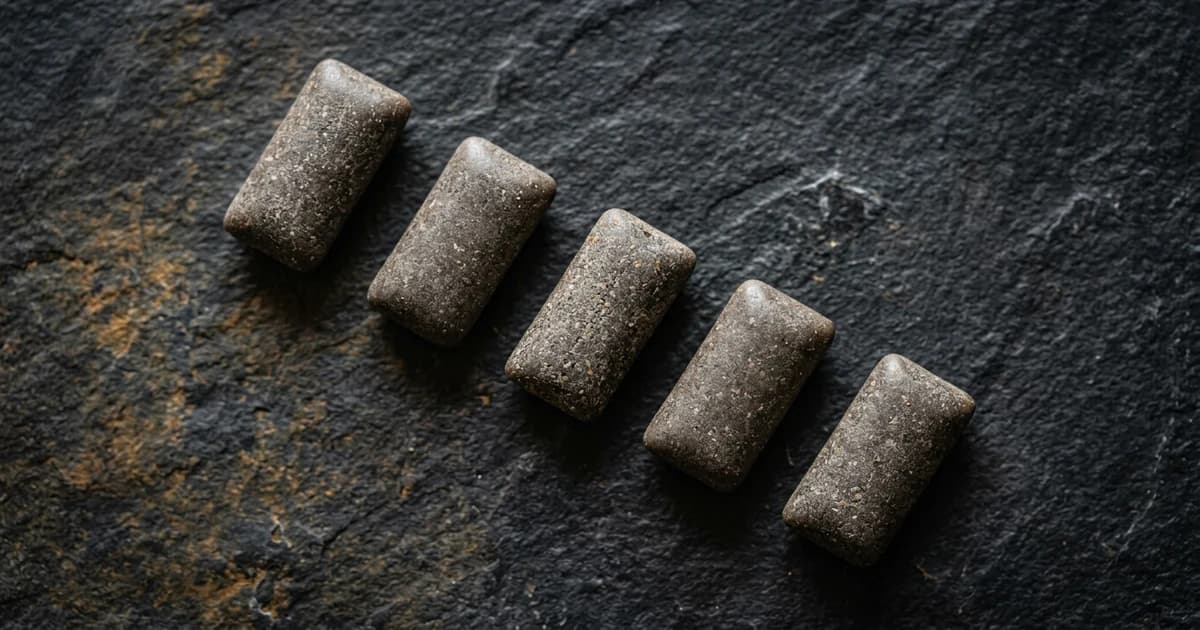
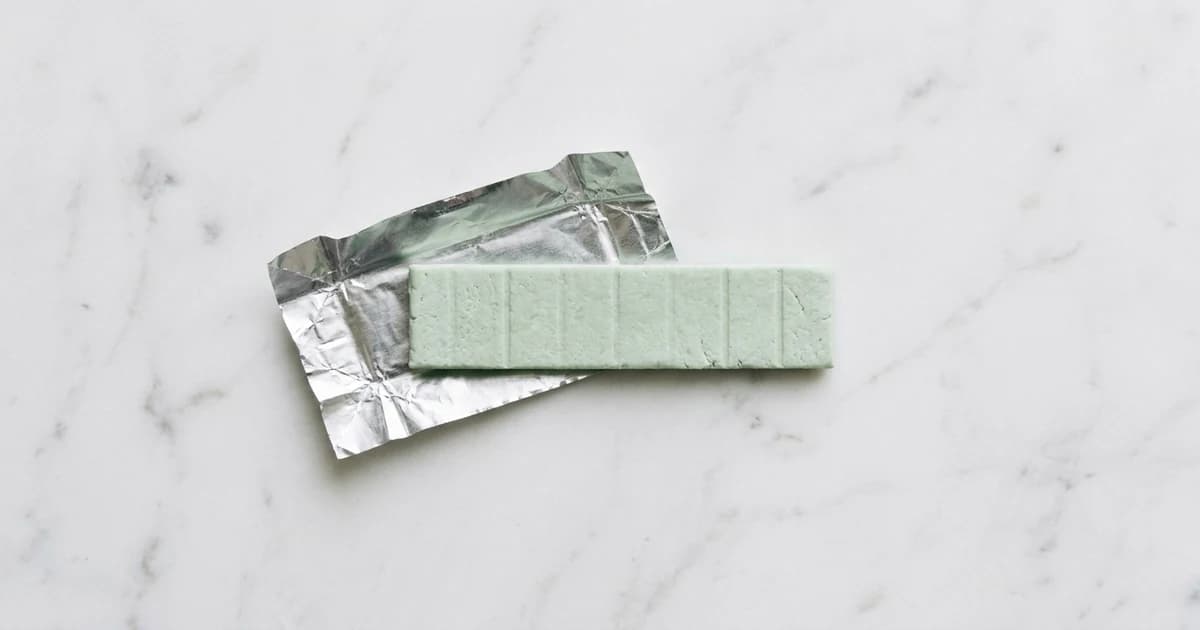
Does gum break a fast? A single piece of sugar-free gum contains 2 to 5 calories, almost entirely from sugar alcohols. For a standard calorie-based fast, that does not break it. For an insulin-focused fast, the evidence says chewing gum alone does not produce a meaningful insulin spike, though the data is limited. For a strict autophagy fast where any oral stimulus is off-limits, yes, gum counts. The answer depends on which fast you are actually doing.
The problem is that "gum" is not one product. Sugared gum, sugar-free gum, nicotine gum, and caffeine gum have different calorie profiles and different sweeteners. Even mints belong in this conversation. Below is the piece-by-piece breakdown with actual label numbers.
Key Takeaways
- Sugar-free gum (2 to 5 kcal per piece) is effectively fine for calorie-based fasting. The calories come from sugar alcohols like sorbitol, not from glucose or sucrose.
- Chewing itself does not reliably trigger an insulin spike. The cephalic phase insulin response is real for certain stimuli, but studies on gum in fasted humans have failed to find a significant effect on blood insulin.
- Mints are trickier than gum. Some (like Tic Tacs) are nearly pure dextrose, hidden behind a labeling loophole. Others are genuinely near zero.
- Nicotine gum and caffeine gum have similar calorie profiles to regular sugar-free gum. The fasting question is the same; the active ingredients serve a different purpose.
How Many Calories Are Actually in a Piece of Gum?
Sugar-free gum is not zero calories. It contains sugar alcohols as sweeteners, and these have real caloric value under FDA labeling rules (21 CFR 101.9): sorbitol provides 2.6 kcal/g, xylitol 2.4 kcal/g, mannitol 1.6 kcal/g. Erythritol is the exception at 0 kcal/g, but most gum brands do not use it as their primary sweetener.
| Product | Calories per Piece | Primary Sweeteners | Carbs per Piece |
|---|---|---|---|
| Extra Sugar-Free (Wrigley's) | ~5 kcal | Sorbitol, mannitol | ~2 g |
| Orbit Sugar-Free (Peppermint) | ~3 kcal | Sorbitol, mannitol, xylitol | ~1 g |
| Nicorette 2 mg | ~1 kcal | Sorbitol, glycerin | ~1 g |
| Neuro Gum (caffeine) | 0 kcal (claimed) | Sorbitol, mannitol | <1 g |
| Run Gum (caffeine, Extra Strength) | <5 kcal | Sorbitol, mannitol | <2 g |
Sources: CalorieKing (Extra), Orbit product labeling, Nicorette product data, Neuro Gum product page, Run Gum Amazon listing.
Will 5 calories break a fast? No. Most fasting protocols set the threshold at 50 kcal, some as low as 10 kcal. A single piece of gum sits well below either line. You would need to chew 10 or more pieces to approach even the strictest calorie ceiling.
Does Chewing Gum Spike Insulin?
The worry here is the cephalic phase insulin response (CPIR): the idea that taste alone, before nutrients reach your gut, can trigger insulin release. CPIR is a real phenomenon. A 1997 study by Abdallah et al. in the American Journal of Clinical Nutrition documented it in response to sweet oral stimuli, and a 2008 study by Just et al. in Appetite confirmed that tasting sucrose and saccharin could trigger measurable plasma insulin changes in fasted humans.
But when researchers tested sugar-free gum specifically in fasted people, the insulin needle barely moved.
A 2015 study by Xu et al. in Endocrine had 12 fasted, healthy men chew sugarless gum for 30 minutes. Blood glucose and insulin showed no significant change. GLP-1 (a satiety hormone) did shift, but not insulin or glucose. Separately, a 1995 study by Teff et al. in Physiology & Behavior found that sweet-tasting solutions alone were not adequate stimuli for eliciting CPIR in humans.
The honest read: CPIR exists as a mechanism, but gum has not been shown to trigger it meaningfully. The evidence is limited (small samples, few studies), so "probably fine" is more accurate than "definitely fine."
Sugar Alcohols in Gum: Not All "Sugar-Free" Is Zero
"Sugar-free" means no sucrose or glucose. It does not mean zero calories. Sorbitol, the most common gum sweetener, delivers 2.6 kcal per gram, roughly 65% of table sugar's caloric density.
This matters if you are comparing gum to truly zero-calorie products. A caffeine pouch sweetened with sucralose at typical doses lists 0 kcal per serving. A piece of gum with 1.5 g of sorbitol does not. Erythritol is the one sugar alcohol the FDA assigns 0 kcal/g, but most mainstream gum brands (Extra, Orbit, Trident) use sorbitol and mannitol instead.
Nicotine Gum and Caffeine Gum: Same Calorie Question, Different Purpose
Nicorette 2 mg clocks in at roughly 1 kcal per piece, even lower than most sugar-free gum. Nicorette is a nicotine replacement product; if you are using it under medical guidance, fasting considerations are secondary to that protocol.
Caffeine gum (Neuro Gum, Run Gum) targets people who want faster caffeine onset than coffee. Neuro Gum claims zero calories per piece; Run Gum's Extra Strength lists similar near-zero numbers. The sugar alcohol content follows the same pattern as regular sugar-free gum, so the fasting math is comparable. Caffeine itself has no caloric value. For more on caffeine gum formulas, see the Neuro Gum ingredients breakdown.
Do Mints Break a Fast?
Mints deserve their own answer because the labeling is genuinely misleading.
A Tic Tac is roughly 94% sugar (dextrose). Each mint contains about 1.9 kcal. Yet the label says "0 calories" and "0g sugar." This is legal because FDA rules (21 CFR 101.9) allow products with fewer than 5 kcal per serving to round down to zero, and Tic Tac's serving size is a single 0.49 g mint. Eat ten and you have consumed nearly 20 kcal of pure dextrose from a product labeled zero calories.
Ice Breakers or Altoids Smalls, which use sugar alcohols or artificial sweeteners, genuinely land near zero. The rule: read the ingredient list, not just the calorie line. If dextrose or sugar appears first, the mint will spike blood glucose regardless of what the label prints.
The Practical Rule: Chew the Gum, Skip the Guilt
If you are doing a standard 16:8 or 18:6 fast, a piece or two of sugar-free gum is not going to undo anything. The 2 to 5 calories per piece are metabolically trivial, and available research shows no meaningful insulin response from sugar-free gum in a fasted state.
If you chew gum for the oral ritual, something to occupy your mouth during hours 14 through 18, you are not alone. Research by Hetherington and Boyland (2007) in Appetite found that chewing gum for at least 15 minutes per hour reduced both appetite ratings and measured snack intake. The gum is doing something real. It just is not breaking your fast.
The one exception: people following a strict autophagy or water-only fast where any flavor, sweetener, or caloric input is intentionally excluded. Under those rules, gum is out. For everything else, chew the gum.
Frequently Asked Questions
Which gum will not break a fast?
Any sugar-free gum sweetened with sugar alcohols (sorbitol, xylitol, mannitol) or artificial sweeteners will not break a calorie-based fast. A single piece contains 2 to 5 kcal, well below any standard fasting threshold. Avoid gum with sugar (sucrose, dextrose) listed in the ingredients if you want to be safe.
Is it okay to chew gum while fasting?
For most intermittent fasting protocols (16:8, 18:6, OMAD focused on calorie restriction), yes. The calorie content is negligible, and research on fasted humans shows no significant insulin spike from sugar-free gum. If you follow a strict water-only or autophagy fast, skip it.
Do mints break a fast?
It depends on the mint. Sugar-free mints (Ice Breakers, Altoids Smalls) are fine for calorie fasts. Tic Tacs and other dextrose-based mints are nearly pure sugar despite "0 calorie" labels, which is a rounding loophole. A few Tic Tacs probably will not break a fast; a handful could.
Does chewing gum spike insulin?
Based on the limited research available, no. A 2015 study of 12 fasted men found that 30 minutes of sugar-free gum chewing did not change blood insulin levels. The cephalic phase insulin response is real for some stimuli, but gum alone has not been shown to trigger it meaningfully.
Can you chew gum during a blood test fast?
Most clinical fasting instructions (for blood glucose or lipid panels) say nothing by mouth except water. Even though sugar-free gum is unlikely to affect results, skip it before lab work to avoid any confounding. Follow your provider's specific instructions.
Does caffeine gum break a fast?
Caffeine itself has zero calories and does not trigger an insulin response. Caffeine gum products like Neuro Gum and Run Gum use the same sugar alcohols as regular sugar-free gum, so the calorie profile is comparable: near zero to 5 kcal per piece. For a calorie fast, they are fine.
How many pieces of gum can you chew while fasting?
A practical ceiling is 3 to 4 pieces. At 5 kcal each, four pieces totals 20 kcal, still below the commonly cited 50 kcal threshold. Beyond that, cumulative sugar alcohol calories start to add up.
Is sugar-free gum better than mints for fasting?
Sugar-free gum and sugar-free mints are roughly equivalent for fasting: both are near-zero calories without actual sugar. The advantage of gum is chewing duration, which research suggests can reduce appetite. The risk is with sugar-based mints, not sugar-free ones.
Zero Calories, Zero Guesswork: Why Fasters Reach for a Pouch
If you chew gum during a fast mostly for the oral ritual, something in your mouth, a flavor to cut the monotony, a zero-calorie pouch removes the one variable gum cannot: the sugar alcohol calories. Roon contains zero calories and zero sugar. Where even the cleanest sugar-free gum still delivers 2 to 5 kcal per piece from sorbitol and mannitol, a Roon pouch sidesteps that math entirely. Under any fasting tier, calorie, insulin, or autophagy, zero is zero.
What Roon is not: a gum, a mint, or a hunger suppressant. It is a caffeine and L-theanine pouch (80 mg caffeine, 60 mg L-theanine, plus 25 mg methylliberine and 5 mg theacrine) designed for 6 to 8 hours of sustained focus without jitters or crash. It does contain sucralose and natural-and-artificial flavor, so strict water-only fasters should make the same judgment call they would for any non-water substance. But for the majority of intermittent fasters who already allow black coffee and sugar-free gum, a Roon pouch fits the same window with fewer compromises.
For the full breakdown, see Do Caffeine Pouches Break a Fast? and Do Roon Pouches Break a Fast?.
Related from Roon
- Do Caffeine Pouches Break a Fast?
- Do Roon Pouches Break a Fast?
- Appetite Suppressant Pouches: What Works
- Neuro Gum Ingredients Breakdown
Written by Roon Team