Caffeine Crash Symptoms: What They Feel Like, How Long They Last, and Why They Hit at 2 PM
What a caffeine crash actually feels like, how long it lasts, why it hits mid-afternoon, and how it differs from a sugar crash, explained with real data.
Free U.S. shipping on orders $45+ · Subscribe & save

What a caffeine crash actually feels like, how long it lasts, why it hits mid-afternoon, and how it differs from a sugar crash, explained with real data.

Meal size, walk timing, and caffeine window strategies backed by real studies for stopping the post-meal energy crash before it starts.

A 10-minute, study-backed sequence for beating sleep inertia: light first, then movement, then caffeine timed to when it actually starts working.

A sleep-debt and sleep-inertia based plan for waking up early, even after a late night, using light timing, movement, and smarter caffeine timing.

Pre-workout kicks in within 15-45 minutes and feels strongest for 1-3 hours, but caffeine's 5-hour half-life means it lingers longer than you feel it.

TeaCrine and creatine are unrelated compounds. Here is what each one is, what each is actually for, and why the names get confused.

Took Dynamine and felt nothing? Five measurable reasons it happens, from caffeine tolerance to a half-life shorter than most people expect.

How Dynamine (methylliberine) differs from caffeine: measured onset, a half-life roughly four times shorter, and what the trials found.

Theacrine, sold as TeaCrine, explained: what it is, where it comes from, how long it lasts, and what the human studies actually show.

Over half of energy drink users report jitters or sleep problems. The real data on why people want smooth, not stronger, energy.

Sports-science tapering protocols, adapted for finals week or a big presentation. How to keep caffeine working when you need it most.

A study found caffeine did not improve MMA punch force. Here's what the research actually supports for boxers and fighters instead.

What the research actually says about caffeine timing for powerlifting, and why a multi-attempt meet day is a duration problem.

CrossFit's focus demand is different from a normal lift. Here's how to time caffeine so it lasts the whole class, not just the WOD.

Why endurance athletes are already using caffeine pouches like CAFFYNE, and how cycling adds a hands-free case running alone doesn't.

A pre-trip checklist for preventing drowsy driving: sleep banking, driver rotation, and departure timing, backed by real AAA and NHTSA data.

Why warehouse and fulfillment shift fatigue compounds physical and cognitive strain, and what actually helps across a long, rate-tracked shift.

The vigilance-decrement science behind overnight security fatigue, and a practical caffeine and light-exposure plan for staying sharp on a quiet post.

How rideshare and delivery drivers manage fatigue on long shifts: real drowsy-driving risk data and a practical alertness plan for gig drivers.

Why night shift nurse fatigue peaks near 3 AM, what NIOSH and the ANA recommend, and a caffeine-timing plan built for 12-hour hospital shifts.

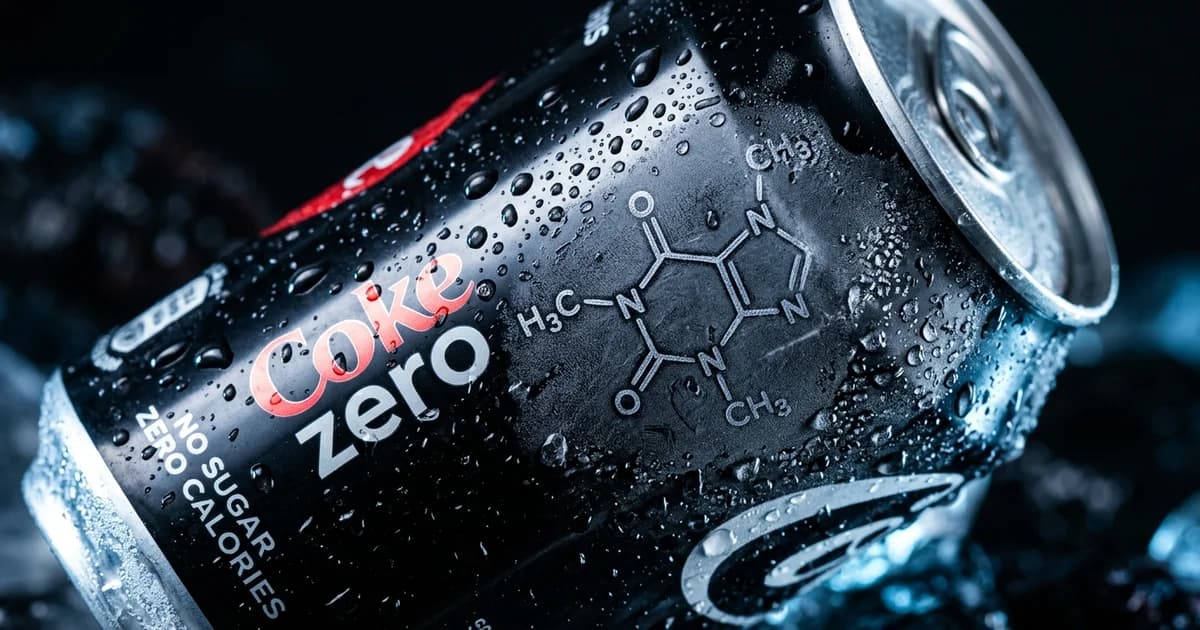
Yes, Coke Zero has caffeine, 34mg per 12oz can. See how it compares to Diet Coke, regular Coke, and coffee, and what it means for your daily intake.

Find out exactly how much caffeine is in a cup of coffee by brew method, cup size, and roast. Real numbers from 70mg to 300mg+.

Is Celsius bad for you? We break down every ingredient, caffeine, guarana, taurine, and reveal who should actually be careful before drinking it.

Discover how thiamine (B1) converts glucose into brain fuel, why low B1 causes brain fog, and who's at risk for thiamine deficiency affecting cognition.