Nicotine and Alcohol: What Happens When You Drink on ZYN
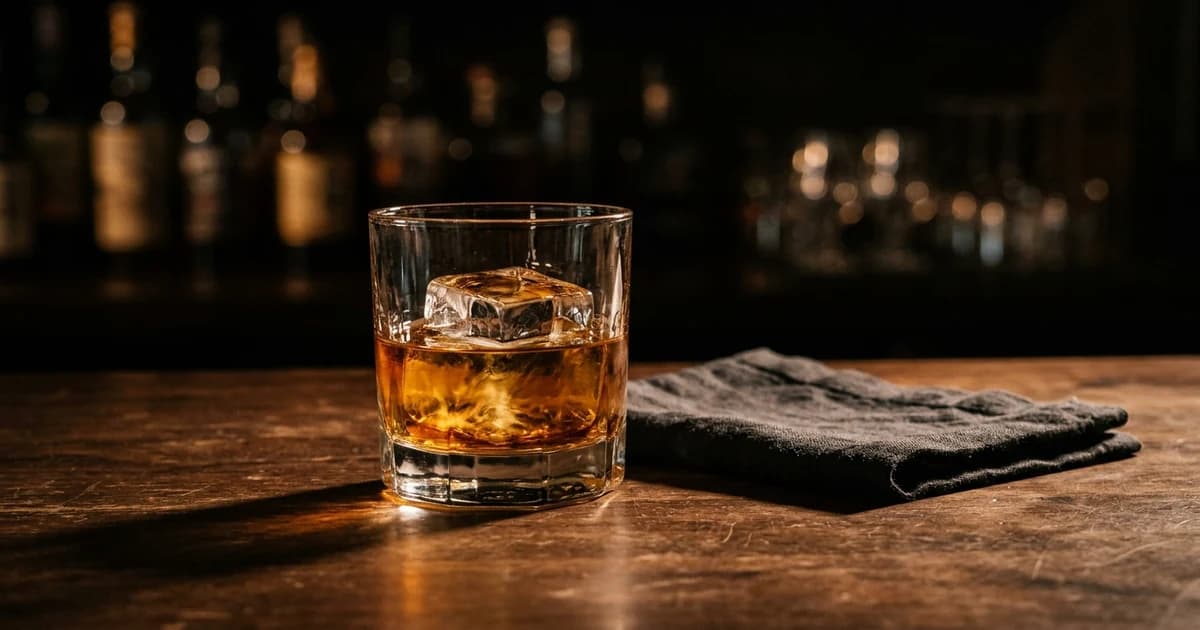
Nicotine and Alcohol: What Happens When You Drink on ZYN
Nicotine and alcohol add up rather than cancel out. In small lab studies, nicotine made people feel less drunk and less sleepy, but it did not fix alcohol's effect on memory, and drinking raised the urge for nicotine. None of those studies used pouches. ZYN's US FAQ gives no alcohol guidance. Fewer pouches and fewer drinks is the safer pairing.
Can You Use ZYN While Drinking?
Nothing on ZYN's label or FAQ forbids it, but the evidence says the pair pushes you to use more of both. ZYN's US FAQ does not mention alcohol or drinking (checked Oct 24, 2026). Its warning reads: "This product contains nicotine. Nicotine is an addictive chemical." ZYN is restricted to adults 21 and older.
What Does Nicotine Do to How Drunk You Feel?
In lab studies, nicotine blunted the sedating and intoxicating feeling of alcohol, but that did not make people less impaired. Two controlled studies show the split.
Perkins et al. (1995) gave 18 smokers who were moderate drinkers either nicotine nasal spray or placebo alongside alcohol or no alcohol. Nicotine "attenuated sedating and intoxicating effects of alcohol alone." The effect split by sex: the combination tended to blunt some effects in men but enhanced them in women.
Ralevski et al. (2012) used IV alcohol at two doses in healthy nonsmokers and added IV nicotine. Nicotine "reversed subjective intoxication and sedation" at the low alcohol dose. But on a verbal memory test, nicotine "further impaired verbal learning and recall at both doses of alcohol."
Feeling less drunk is not being less impaired: in Ralevski's study, memory got worse with nicotine, not better. Never drive after drinking, whatever nicotine seems to do to how you feel.
| Study | Subjects | Nicotine route | Effect on "drunk" feeling | Effect on impairment |
|---|---|---|---|---|
| Perkins 1995 | 18 smokers, moderate drinkers | Nasal spray | Reduced sedation and intoxication | Not reported in the abstract |
| Ralevski 2012 | Healthy nonsmokers | IV infusion | Reversed subjective intoxication at low dose | Worsened verbal memory at both doses |
Both studies used nicotine spray or IV infusion, not oral pouches.
Why Does Drinking Make You Want a Pouch?
Alcohol raises the urge for nicotine in a dose-dependent way: more drinks, stronger pull. King and Epstein (2005) tested 16 social drinker-smokers at three alcohol levels. Both active doses increased the urge to smoke on the rising and falling blood-alcohol curve, with the higher dose driving a stronger urge than the low dose or placebo.
Oliver et al. (2013) used a double-blind, fully crossed design in 87 participants. About one to two standard drinks plus a nicotine cigarette "produced higher cravings to smoke for the entire sample, as well as higher cravings to drink among women and lighter drinkers."
At a population level, Jackson et al. (2025) surveyed 188,878 adults in England. People who used non-combustible nicotine (e-cigarettes, nicotine replacement products, heated tobacco, pouches) scored slightly higher on an alcohol-use scale and had 1.09 times the odds of risky drinking, a much smaller gap than for smokers (about 2.04 times). Correlation, not causation.
Does Alcohol Change How Your Body Handles Nicotine?
Heavy drinking may speed up nicotine metabolism. Gubner et al. (2016) tracked 22 male smokers through a 7-week inpatient alcohol dependence program in Poland. After they stopped drinking, their nicotine metabolite ratio fell roughly 50% (from 9.6 to 4.1) with no change in how much nicotine they consumed. That suggests heavy drinking speeds up nicotine breakdown.
Limits matter. The sample was small, all male, and measured the change after quitting alcohol, not during a single night out.
What Are the Signs of Nicotine Sickness While Drinking?
Nausea, vomiting, dizziness, and sweating can come from either substance, which makes too much nicotine easy to miss on a night out. Poison Control lists additional nicotine poisoning signs: abdominal pain, tremor, confusion, and seizures.
If an adult swallows a single nicotine pouch, rinse the mouth and observe. If a child swallows a pouch or an adult swallows several, seek immediate medical attention: call 1-800-222-1222 or use webPOISONCONTROL. Because the symptoms overlap, nicotine sickness is easy to blame on the drinks. If you feel queasy with a pouch in, remove it.
Do Nicotine Pouches and Alcohol Together Raise Cancer Risk?
Alcohol alone is a confirmed cause of mouth and throat cancer. The National Cancer Institute reports that IARC classified alcohol as a Group 1 carcinogen in 1987, linked to cancers of the oral cavity, pharynx, larynx, esophagus, and liver. People who use both alcohol and tobacco "have much greater risks" of oral cancer.
Pouches remove the tobacco leaf, and no study has measured the combined cancer risk of pouches plus alcohol. The Ohio State trial (NCT07095140, n=20, recruiting, estimated completion Dec 2027) notes in its own summary that alcohol is a cancer-causing agent and asks whether pouches increase drinking. Until data arrive, the established risk is the alcohol itself.
Who Should Not Combine Nicotine and Alcohol?
- Anyone under 21. ZYN is restricted to 21+.
- Pregnant or breastfeeding people. Talk to your clinician.
- Anyone who plans to drive. Nicotine may mask how impaired you feel.
- People with heart conditions or on medication that interacts with alcohol. Talk to your prescriber.
- Anyone who notices they drink more when using pouches. The Jackson 2025 data found a small but real association.
If nicotine use or drinking feels hard to control, free help is available:
- CDC Quitline: 1-800-QUIT-NOW (1-800-784-8669), free coaching
- SAMHSA's National Helpline: 1-800-662-HELP (4357), free, confidential, 24/7
CDC guidelines define moderate drinking as two drinks or fewer per day for men, one or fewer for women.
Related from Roon
- Is Nicotine Bad for You?
- ZYN and Energy Drinks
- How to Quit ZYN Nicotine Pouches
- Hangxiety: Anxious and Foggy After Drinking
Frequently Asked Questions
Does ZYN make you feel more drunk?
Lab data point the other way. In Perkins (1995), nicotine reduced the drunk and sleepy feeling from alcohol. Women in that study sometimes felt the combined effects of both drugs more than men did. Neither Perkins nor Ralevski (2012) used oral pouches, so the same result is not guaranteed with ZYN.
Is it bad to swallow ZYN spit while drinking?
ZYN's FAQ says you "may naturally swallow saliva" while using a pouch, but "the pouch itself should not be swallowed." Adding alcohol can make nicotine-related nausea harder to tell apart from alcohol-related nausea. Remove the pouch if your stomach feels off.
Does nicotine help a hangover?
No study we found supports nicotine as a hangover remedy, and nicotine is not one. For what caffeine does and does not do the morning after, see does coffee help a hangover.
Is there a study on nicotine pouches and alcohol specifically?
One trial is underway. NCT07095140 at Ohio State is recruiting 20 adults aged 21 to 30 to test whether pouch nicotine strength and flavor change drinking behavior. It started in September 2025, with estimated completion in December 2027. No results are available yet, so current evidence still comes from cigarette, spray, or IV nicotine research.
A Pouch With No Nicotine to Stack on the Drinks
Every study above points to the same feedback loop: alcohol drives nicotine cravings, and nicotine masks how drunk you feel. If you like the pouch habit during work hours but would rather keep nicotine out of it, Roon is a daytime pouch with none in it.
Each Roon pouch delivers 80 mg caffeine with 60 mg L-theanine and 25 mg methylliberine (Dynamine), placed under the lip. Methylliberine slows caffeine clearance: a randomized, double-blind crossover study (n=12) found it extended caffeine's half-life from 7.2 to 15 hours with no rise in peak concentration (study). That trial dosed 100 mg methylliberine with 150 mg caffeine, roughly 4x and 1.9x what a single Roon pouch contains. The direction of the effect applies; the exact numbers do not. A 15-hour half-life is not 15 hours of felt energy; most people feel a pouch for about 6 to 8 hours. Caffeine is still a stimulant, so leave at least 8 hours between your last pouch and sleep, and do not save one for a night out.
Roon is not a drinking companion and it is not a nicotine-replacement therapy. It is a zero-nicotine caffeine pouch for the hours you spend working, not the hours you spend at the bar. Tins start at $9.16 with a 12-tin subscription, and the first order carries a 30-day money-back guarantee. Adults only; cap daily use at 4 pouches within 400 mg total caffeine from all sources.
Sources
- Perkins KA et al. (1995), Psychopharmacology 119(2):205-12
- Ralevski E et al. (2012), Nicotine Tob Res 14(5):596-606
- King AC, Epstein AM (2005), Alcohol Clin Exp Res 29(4):547-52
- Oliver JA et al. (2013), J Abnorm Psychol 122(4):1154-65
- Jackson SE et al. (2025), Sci Rep 15:6851
- Gubner NR et al. (2016), Drug Alcohol Depend 163:157-164
- NCT07095140, ClinicalTrials.gov
- Poison Control: Nicotine Pouches
- NCI: Alcohol and Cancer Risk Fact Sheet
- ZYN US FAQ
- CDC: About Moderate Alcohol Use
- SAMHSA National Helpline
- CDC: Quitline
- Caffeine and Methylliberine: A Human Pharmacokinetic Interaction Study (2022)
Written by Roon Team