Hangxiety: Why You Wake Up Anxious and Foggy After Drinking
Hangxiety: Why You Wake Up Anxious and Foggy After Drinking (and How to Get Through the Morning)
It's 7am, you didn't even drink that much, and your chest is tight with a dread you can't pin to anything. Your heart is going faster than it should. Your thoughts loop over a text you sent, a thing you said, a vague sense that something is wrong. Nothing is wrong. Your brain chemistry is rebounding from the alcohol you drank last night, and the feeling has a name.
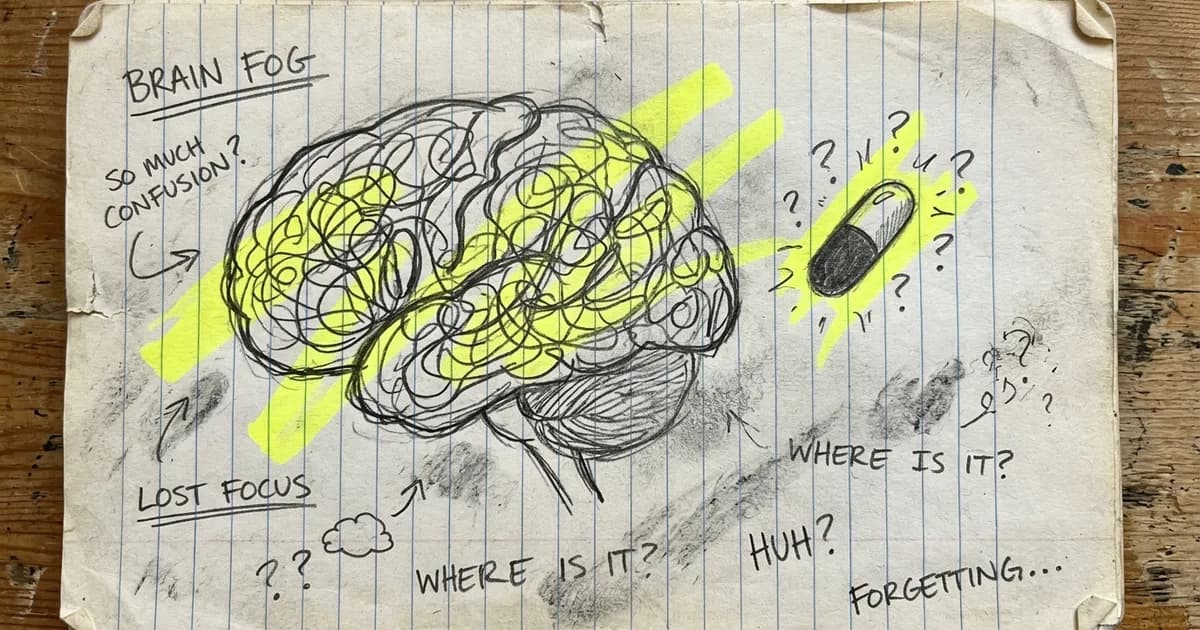
That feeling is hangxiety: the anxiety, restlessness, and mental fog that show up the morning after drinking. While alcohol is in your system it boosts a calming brain signal and quiets an excitatory one. As it clears, your brain overcorrects and tips into an over-excited, under-calmed state. The dread you feel is that rebound, and for most people it fades within about 24 hours.
This article is informational and not medical advice. If anxiety after drinking is frequent, severe, or tied to how much you drink, talk to a clinician.
What Is Hangxiety (and Is It Actually Real)?
Hangxiety is real, common, and has a clear biological cause. The term describes the spike in anxiety many people feel during a hangover, from mild unease to a racing heart and genuine dread. It is not a character flaw or proof that you "can't handle it." It is your nervous system rebalancing after a depressant leaves your bloodstream.
You are not alone in this. Research summarized by The Conversation suggests that roughly 12% of people who get hangovers report anxiety as one of their core symptoms, with shyer and more socially anxious people more vulnerable. So if you wake up wired and ashamed while your friends seem fine, that difference is partly wired into your temperament, not a measure of your willpower.
Key Takeaways
- Hangxiety is a GABA/glutamate rebound. Alcohol calms your brain while you drink, then your brain overshoots toward an excited, anxious state as it clears.
- It usually peaks 8 to 12 hours after your last drink and resolves within about 24 hours.
- Roughly 12% of hangover sufferers report anxiety as a main symptom, and anxious or shy personalities are more prone to it.
- Dehydration, blood-sugar dips, fragmented sleep, and cortisol all make it worse and are the levers you can actually pull.
- Frequent or severe hangxiety, especially when a drink "fixes" it, is a reason to talk to a professional.
Why Does Drinking Make You Anxious the Next Morning?
The morning anxiety is a rebound effect from how alcohol moves two key brain chemicals in opposite directions. While you drink, alcohol increases GABA, the brain's main calming signal, and suppresses glutamate, its main excitatory one. That combination is exactly why a couple of drinks feel relaxing and loosen you up.
Your brain does not enjoy being pushed off balance. To compensate, it dials down its own GABA activity and ramps up glutamate sensitivity. When the alcohol clears overnight, that compensation is still in place, so you are left with too little calm signaling and too much excitation at once. Neuroimaging research on alcohol and withdrawal published in Alcohol Research maps this glutamate and GABA imbalance as a driver of the anxiety and hyperarousal that follow alcohol leaving the system. In plain terms: the accelerator is floored and the brakes are worn down.
That neurochemistry does not act alone. Four other factors stack on top and amplify the dread:
- Dehydration. Alcohol is a diuretic, and fluid loss alone can produce headache, fatigue, and a low-grade sense of being unwell.
- Blood-sugar dips. Alcohol can lower blood glucose, and a hypoglycemic morning feels a lot like anxiety: shaky, sweaty, irritable.
- Fragmented sleep. Alcohol helps you fall asleep, then wrecks the second half of the night by suppressing REM sleep, so you wake unrested and emotionally raw.
- Cortisol. Your stress hormone runs higher during a hangover, which keeps your body braced as if a threat were present.
The Cleveland Clinic explains it plainly: alcohol boosts a calming chemical and suppresses an alerting one, and when those effects wear off the brain swings the other way, which is what you feel as morning dread. The sleep deprivation and physical misery on top of that rebound are not separate problems. They are the same event, compounded.
How Long Does Hangxiety Usually Last?
Hangxiety follows a predictable curve, and knowing the shape of it is one of the best things you can do at 7am. The anxiety tracks your falling blood alcohol level, climbs as your brain rebounds, then tapers as your neurochemistry resettles. Most people are clear within 24 hours.
Here is the rough timeline after a heavier-than-usual night:
| Time since last drink | What is happening in your brain and body | How it tends to feel |
|---|---|---|
| 0 to 4 hours | Alcohol still active; GABA raised, glutamate suppressed | Relaxed, drowsy, often asleep |
| 4 to 8 hours | Blood alcohol falling; rebound beginning; sleep fragmenting | Waking early, restless, heart rate up |
| 8 to 12 hours (peak) | Lowest GABA tone, highest glutamate activity; cortisol high | Peak dread, racing thoughts, guilt, fog |
| 12 to 24 hours | Neurochemistry slowly rebalancing; hydration and food helping | Anxiety tapering, fatigue and fog linger |
| ~24+ hours | Most systems back to baseline | Normal mood returns |
These windows shift with how much you drank, your sleep, your body, and your baseline anxiety. The pattern, though, is reliable: it gets worse before it gets better, and it does get better. Name the peak while you are in it, and you stop reading it as proof that your life is falling apart.
What Makes Hangxiety Worse (and What Helps)?
You cannot rush your neurochemistry back to baseline, but you can stop stacking insults on top of it. The biggest mistakes the morning after deepen dehydration, crash your blood sugar further, or spike an already over-excited nervous system.
What makes it worse:
- Skipping water and food, which leaves dehydration and low blood sugar unaddressed.
- A large, fast hit of caffeine on an empty stomach, which can push a racing heart and amplify the jittery edge.
- Doom-scrolling the night's group chat, which feeds the cortisol and the shame loop.
- A "hair of the dog" drink, which briefly quiets the rebound by re-dosing the depressant, then restarts the cycle and digs the hole deeper.
What actually helps:
- Rehydrate steadily with water and electrolytes across the morning.
- Eat protein and complex carbohydrates to settle blood sugar.
- Move gently. A walk in daylight lowers cortisol and resets your circadian clock.
- Slow your breathing. A few minutes of long exhales nudges your nervous system out of fight-or-flight.
- Approach caffeine with intention. A measured dose can lift the fog, but how you take it matters.
Could a Calmer Evening Ritual Prevent It?
The most reliable way to skip hangxiety is to change what the night before looks like, not just how you patch up the morning after. Less alcohol means a smaller rebound, and the sober-curious shift happening across drinking culture is, in part, people discovering exactly that. You do not have to quit to benefit. You have to give your brain less of a chemical debt to repay.
The evening swap is straightforward. Pair every alcoholic drink with a glass of water. Eat before and while you drink. Set a number before you start. And give yourself an alcohol-free anchor for the parts of the evening you actually want, the wind-down, the social ritual, the thing in your hand, without the depressant that triggers the rebound.
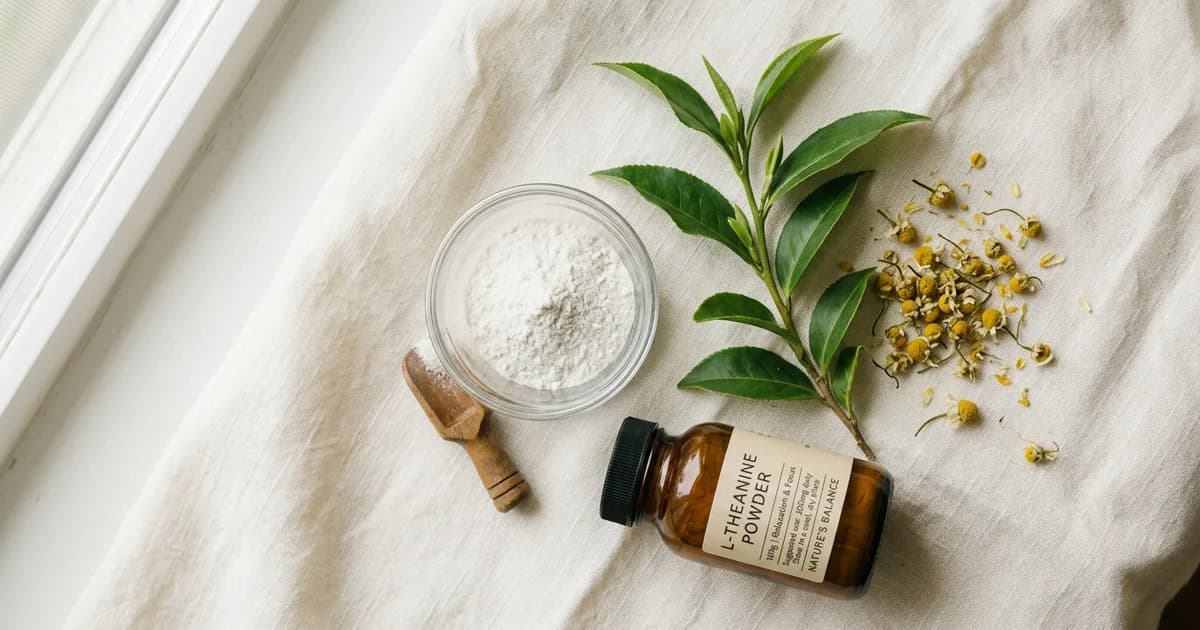
This is where a category worth knowing about comes in. L-theanine, an amino acid found in tea, has been studied for promoting a calm, alert state without sedation. It is one reason a cup of green tea feels steadying rather than wired. Building an evening that leans on calming, alcohol-free options instead of a third or fourth drink is the single biggest change for anyone prone to hangxiety.
What to Reach For the Morning After to Steady Your Head
The morning after, your job is to lift the fog without spiking the anxiety, which means being deliberate about caffeine rather than chugging it. Caffeine helps with the fatigue and mental dullness of a hangover. The problem is that a fast, large dose on a rattled nervous system can make the racing-heart, jittery side of hangxiety worse before it makes the fog better.
This is the case for pairing caffeine with L-theanine. The combination is well studied for supporting focus and attention while taking the edge off caffeine's jittery profile. A moderate caffeine dose smooths the fog; the L-theanine helps keep the calm-alert balance you are missing. Here is how the common morning-after options compare on what actually matters when you are anxious and foggy.
| Option | Caffeine load | Jitter risk on a rattled system | Hydration | Notes |
|---|---|---|---|---|
| Large drip coffee | High (often 150 to 300+ mg) | High, especially on an empty stomach | Mildly dehydrating | Fast fog relief, can worsen the racing-heart feeling |
| Energy drink | High + sugar | High | Variable | Sugar crash can mimic more anxiety later |
| Green tea | Low (25 to 45 mg) + L-theanine | Low | Hydrating | Gentle and calming, but light on focus |
| Plain water + food | None | None | Best | Foundational, but does nothing for the fog |
| Roon pouch (caffeine + L-theanine) | Moderate (80 mg) | Lower (paired with 60 mg L-theanine) | Neutral | Measured dose, calm-alert profile, no sugar |
No option on this list is a hangover cure. The point is matching the tool to the moment: water and food first, then a measured, calm-leaning source of caffeine rather than a large, fast one.
When Is Post-Drinking Anxiety a Reason to Talk to a Professional?
Occasional hangxiety that clears within a day is normal physiology. Anxiety that is frequent, severe, or starting to shape how and why you drink is a different signal, and it is worth taking seriously. The line is not about judgment. It is about the difference between a passing rebound and a pattern.
Talk to a clinician if you notice any of the following:
- You drink in the morning, or feel you need a drink, to relieve the anxiety. Using alcohol to quiet withdrawal is a hallmark sign of dependence.
- The anxiety does not resolve within about 24 hours, or your baseline anxiety is rising over time.
- You experience shaking, sweating, a racing heart, nausea, or confusion when you stop drinking, which can signal alcohol withdrawal that needs medical attention.
- You keep drinking despite the hangxiety, or you cannot cut back when you want to.
- Anxiety or panic is disrupting your work, sleep, or relationships beyond the morning after.
If any of this sounds familiar, you can speak with your doctor or contact the SAMHSA National Helpline at 1-800-662-HELP (4357), a free, confidential, 24/7 service. Reaching out early is not an overreaction. It is the smart move.
The Morning After Is Chemistry, Not Character
Hangxiety is not a verdict on your decisions or your worth. It is your brain rebalancing GABA and glutamate after a depressant clears, amplified by dehydration, low blood sugar, broken sleep, and a cortisol surge. It climbs, it peaks around 8 to 12 hours out, and for most people it is gone within a day.
That means two things. First, when the dread is loudest, it is also closest to passing, so you can ride it out instead of believing it. Second, the real fix is upstream: drink less, hydrate as you go, sleep and eat well, and be deliberate about how you handle caffeine the next morning. You cannot out-supplement a hard night. You can stop making the rebound worse and give your nervous system a calmer path back to baseline.
Frequently Asked Questions
Why do I get hangxiety when my friends don't?
Sensitivity to hangxiety varies with temperament and biology. Research suggests shyer and more socially anxious people are more prone to morning-after anxiety, and only about 12% of hangover sufferers report anxiety as a core symptom. Differences in sleep quality, hydration, how fast you metabolize alcohol, and baseline stress levels all play a part. It is a difference in wiring, not in willpower.
How long does hangxiety last?
For most people, hangxiety resolves within about 24 hours. It tends to track your falling blood alcohol level, building as your brain rebounds and usually peaking around 8 to 12 hours after your last drink before tapering off. If your anxiety routinely lasts longer than a day, keeps climbing, or appears alongside physical withdrawal symptoms, that is worth discussing with a clinician.
Does drinking water cure hangxiety?
No. Water helps but does not cure hangxiety. Rehydrating addresses one contributor, dehydration, and steadies some physical symptoms, but it does not reverse the GABA and glutamate rebound that drives the core anxiety. The most effective approach combines hydration with food, daylight movement, slow breathing, and time. Nothing removes the rebound instantly; your neurochemistry needs hours to resettle.
Is "hair of the dog" a real fix for hangxiety?
No, and it tends to backfire. Another drink briefly quiets the rebound by re-dosing the depressant your brain is already trying to recover from, which is why it can feel like relief. It also restarts the entire cycle and pushes the inevitable rebound later. Needing a morning drink to relieve anxiety is also a recognized warning sign of alcohol dependence and a reason to seek help.
Can caffeine make hangxiety worse?
It can, depending on the dose. A large, fast hit of caffeine on a rattled, dehydrated nervous system can amplify the racing-heart, jittery side of hangxiety even as it clears the mental fog. A more moderate dose, ideally paired with food and the calming amino acid L-theanine, tends to lift the fog with less of the jittery edge. Hydrate and eat first.
What is the difference between hangxiety and an anxiety disorder?
Hangxiety is temporary and tied directly to drinking, resolving within roughly a day as alcohol clears. An anxiety disorder is persistent, shows up independent of alcohol, and disrupts daily life over weeks or months. The two can overlap, and drinking can worsen an underlying anxiety condition. If anxiety is frequent, severe, or untethered from drinking, a clinician can help sort out what is going on.
Where a Calm Morning-After Caffeine Actually Helps
If there is one practical takeaway from the hangxiety curve, it is this: the morning after, you want the fog lifted without the anxiety spiked. That is a specific problem, and it is the gap between a large drip coffee and doing nothing at all.
That is the niche a Roon pouch is built for. Each sublingual pouch delivers a measured 80 mg of caffeine paired with 60 mg of L-theanine, plus 25 mg of methylliberine and 5 mg of theacrine, with zero nicotine and no sugar. The caffeine-and-L-theanine pairing is studied for supporting a calm, focused alertness rather than the jittery edge a big coffee can bring on an already rattled system. It is a more deliberate way to handle that moment than chugging a triple shot.
Be clear about what this is. Roon is not a hangover cure, not a treatment for anxiety, and never a reason to drink more the night before. Water, food, sleep, and drinking less are the real work. For the foggy morning after, when you want clear-headed without wired, it is a calmer thing to reach for.
By Roon Team