How to Stop Snacking: Why You Graze and 7 Swaps That Keep Your Mouth Busy
How to Stop Snacking: Why You Graze and 7 Swaps That Keep Your Mouth Busy
You already know how to stop snacking in theory: eat less between meals. The problem is that most grazing has nothing to do with hunger. It is a hand-to-mouth habit triggered by proximity, routine, and the simple fact that your mouth wants something to do. This article breaks the snacking habit into its actual parts, explains why you snack so much even after a full meal, and gives you seven swaps grounded in real research, not willpower slogans.
One clarification: this piece is about the physical act of reaching for food repeatedly, the grazing loop. If your issue is more about constant food thoughts that won't quiet down, that is a different mechanism and we cover it separately.
Key Takeaways
- Most snacking is mouth hunger (habit, cue, oral stimulation), not stomach hunger (caloric need). Telling the difference is step one.
- Nearly all U.S. adults snack daily. You are not broken. But most grazing is cue-driven and can be redirected.
- The seven swaps target the habit loop: anchor meals with protein, give your mouth a substitute, remove visual cues, pre-plan your response, fix sleep, upgrade your snacks, and check thirst.
- No swap here is a weight-loss trick. The goal is fewer mindless trips to the pantry.
Mouth Hunger vs. Stomach Hunger
Mouth hunger is the desire for oral stimulation, taste, or texture. Stomach hunger is a physiological signal, a low rumble, mild lightheadedness, building gradually and going away when you eat almost anything.
Mouth hunger hits suddenly, wants something specific (crunchy, salty, sweet), and persists even after a full meal. If you are standing in front of the fridge 40 minutes after dinner, your stomach is probably not involved. This matters because the fix is different. Stomach hunger needs food. Mouth hunger needs redirection.
How Common Is the Snacking Habit?
According to USDA/NHANES data from 2017 to March 2020, 95% of U.S. adults consume one or more snacks every day, and 78% consume two or more. Snacks contribute roughly 24% of total daily energy intake, and about 1 in 6 adults get over 40% of their daily calories from snacks (USDA/NHANES 2007-2008).
| Stat | Number | Source |
|---|---|---|
| Adults snacking 1+ times/day | 95% | USDA/NHANES 2017-2020 |
| Adults snacking 2+ times/day | 78% | USDA/NHANES 2017-2020 |
| Share of daily calories from snacks (avg) | 24% | USDA/NHANES 2017-2020 |
| Adults getting 40%+ calories from snacks | ~1 in 6 | USDA/NHANES 2007-2008 |
Snacking is the default, not the exception. The question is whether your snacking is driven by need or by habit and environment.
The Ultra-Processed Trap
A 2019 NIH inpatient crossover trial (Hall et al., Cell Metabolism, n=20) fed adults either ultra-processed or unprocessed diets matched for calories, sugar, fat, sodium, and fiber. The ultra-processed group still consumed roughly 500 extra kcal per day and gained weight. Same nutrients on paper. Different eating behavior.
If your kitchen is stocked with ultra-processed snack foods, you will eat more of them than you intend to. That is not a character flaw; it is a measurable effect of food engineering.
7 Swaps to Stop Mindless Snacking
| Time | Swap | Core Action |
|---|---|---|
| Morning / anchor meal | 1. Protein + fiber at base meals | 25-35 g protein at breakfast |
| Between meals | 2. Mouth substitute | Gum, mints, or a zero-calorie pouch |
| Kitchen / desk setup | 3. Remove the visual cue | Move snacks out of sight and reach |
| When the urge hits | 4. If-then plan | Pre-decide your response to the trigger |
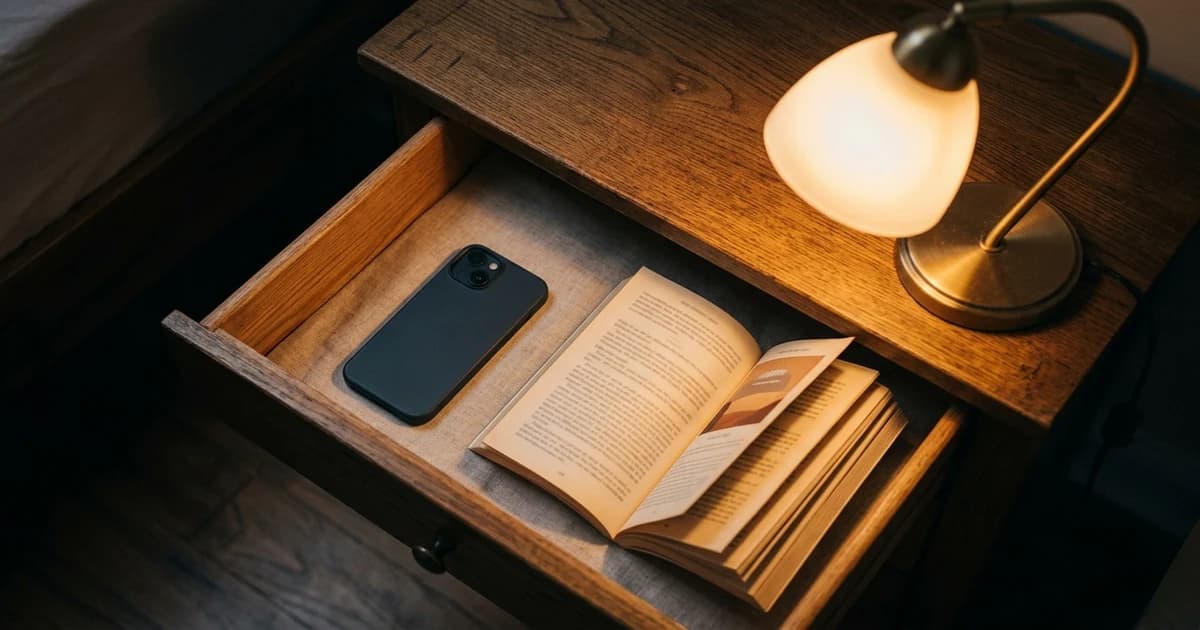
| Evening | 5. Protect sleep | 7-9 hours; short sleep raises ghrelin |
| When you do snack | 6. Protein-forward options | Greek yogurt, jerky, hard-boiled eggs |
| First response | 7. Water first | Drink 8-12 oz, wait 10 minutes |
Swap 1: Anchor Your Meals with Protein and Fiber
A randomized crossover trial by Hoertel et al. found that breakfast-skipping adolescent girls who ate a higher-protein breakfast (~35 g) showed reduced food cravings and elevated dopamine-related signals compared with a normal-protein breakfast or skipping entirely.
The practical rule: make sure breakfast and lunch each contain a palm-sized portion of protein (eggs, Greek yogurt, chicken, tofu) plus a fiber source (vegetables, whole fruit, oats). This blunts the blood-sugar dip that makes 3 p.m. feel like an emergency.
Swap 2: Give Your Mouth Something to Do
A lot of snacking is oral. You want to chew, hold, or suck on something. A 2011 study by Hetherington and Regan found chewing gum after a meal reduced snack intake and suppressed self-reported hunger. A 2017 trial by Melanson and Kresge also found gum chewing decreased energy intake at a subsequent meal.
Gum works. So do mints, toothpicks, and other mouth-busy options. Roon is a zero-nicotine, zero-calorie, zero-sugar caffeine pouch (it does contain sucralose) that sits between your lip and gum. It is not a diet aid, not an appetite suppressant, and not a weight-loss product. But if part of your snacking habit is oral fixation, replacing the hand-to-mouth loop with a non-food oral stimulus is the point. More on how chewing relates to focus and craving control in a separate guide.
Swap 3: Break the Visual and Proximity Cue
The CIRO model of food cue reactivity (Hayashi et al., Nutrients, 2023) identifies food in sight or within arm's reach as a direct trigger of eating urges, independent of hunger.
The fix: move the candy dish off your desk. Put snacks in an opaque container on a high shelf. Every friction step between you and the food is a moment where the urge can expire.
Swap 4: Build an If-Then Plan
Most people snack at a predictable time. Implementation intentions ("if-then" plans) are among the best-studied techniques in behavior-change research. A meta-analysis by Gollwitzer and Sheeran (2006) across 94 studies found a medium-to-large effect size (d = 0.65) for if-then planning on goal-directed behavior.
Write yours down: "If it is 3 p.m. and I want chips, then I will take a 5-minute walk and drink a glass of water." The specificity is the mechanism: you pre-load the decision so you do not have to make it when willpower is lowest.
Swap 5: Fix Your Sleep
Short sleep raises ghrelin (hunger hormone) and lowers leptin (satiety hormone). If you are chronically under seven hours, your body is biochemically primed to graze. Getting to 7-9 hours is one of the most effective changes you can make. If nighttime cravings specifically are the issue, our guide to quieting food noise covers the circadian angle.
Swap 6: When You Do Snack, Make It Protein-Forward
You will still snack sometimes. When you do, swap ultra-processed options for protein: Greek yogurt, jerky, hard-boiled eggs, cottage cheese, edamame. Protein has the highest satiety per calorie of any macronutrient, which means a protein snack is more likely to actually end the eating episode.
Swap 7: Drink Water First
Thirst and mild hunger register similarly in the brain. Before you reach for a snack, drink 8-12 ounces of water and wait 10 minutes. If you are still hungry, eat. If not, you saved yourself a trip.
Troubleshooting
Still snacking after all seven swaps. Check whether the root issue is boredom or emotional eating. If impulsivity is the driver, see our piece on when grazing is an ADHD pattern.
Grazing only at night. Nighttime snacking has a circadian component that daytime swaps will not fully address. The 9 strategies for quieting food noise piece covers evening tactics.
Hungry all the time, genuinely. If real stomach hunger persists despite adequate meals, consider whether you are under-eating, exercising more than usual, or dealing with a medical issue. Talk to a dietitian or your doctor.
Fewer Trips to the Pantry, Not Fewer Calories
Stopping mindless snacking is not about restriction. It is about recognizing that most grazing is a cue-triggered habit, not a caloric emergency, and systematically replacing the cue, the routine, or the reward. Anchor meals with protein. Give your mouth a non-food substitute. Remove the visual trigger. Pre-plan your response. Fix your sleep. Upgrade the snacks you do eat. Check thirst. None of these require counting a single calorie.
Frequently Asked Questions
Why do I snack so much even when I'm not hungry?
Most between-meal eating is mouth hunger, driven by habits, environmental cues (seeing food, smelling food), and oral stimulation rather than caloric need. The CIRO model identifies visual and proximity cues as independent triggers. If you are eating 30 minutes after a full meal, it is almost certainly cue-driven.
How do I stop mindless snacking at work?
Move snacks off your desk and out of sight. Replace the oral habit with gum, mints, or a non-food oral product. Use an if-then plan tied to your specific trigger time; most office grazing peaks around 2-4 p.m.
How do I stop snacking at night?
Nighttime snacking has a circadian component: cortisol drops and the reward value of food increases in the evening. Make sure dinner includes adequate protein and fiber, avoid keeping snack foods in the living room, and set a "kitchen closed" time. For a full evening protocol, see how to quiet food noise without Ozempic.
Is snacking bad for you?
Not inherently. A mid-afternoon Greek yogurt because you are genuinely hungry is fine. A third trip to the candy jar because it is on your desk and you are bored is a habit loop, not nutrition. The 24% of daily calories Americans get from snacks (USDA/NHANES) are not all equal.
What is the difference between mouth hunger and stomach hunger?
Stomach hunger builds gradually, responds to any food, and goes away once you eat. Mouth hunger appears suddenly, wants something specific, and can persist even after a full meal. Stomach hunger needs food; mouth hunger needs redirection.
Does chewing gum actually reduce snacking?
Yes, modestly. A 2011 trial found chewing gum after a meal reduced snack intake and suppressed self-reported hunger. It directly addresses the oral component of the habit.
How long does it take to break a snacking habit?
There is no clean "21 days" answer. A 2010 study by Lally et al. found that forming a new automatic behavior took anywhere from 18 to 254 days, with a median of 66 days. Consistency matters more than speed.
A Pouch Instead of a Snack
If part of your snacking loop is oral, the fix is not always "eat something healthier." Sometimes it is "put something in your mouth that is not food."
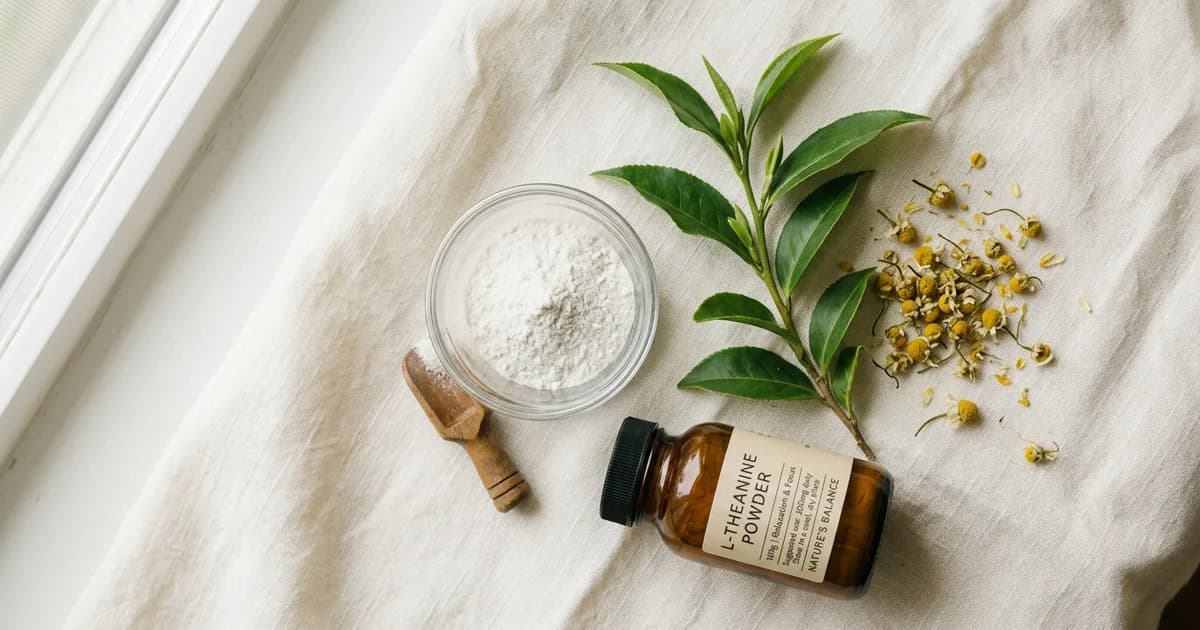
That is the narrow problem Roon was built for. It is a zero-nicotine sublingual pouch with 80 mg caffeine, 60 mg L-theanine, 25 mg methylliberine (Dynamine), and 5 mg theacrine (TeaCrine), designed for sustained focus over a 6-8 hour window. It is not a diet product. It will not suppress your appetite or burn fat. What it does is give your mouth something to hold onto while keeping your hands out of the chip bag, and the caffeine and L-theanine may help you stay focused through that mid-afternoon window when most office snacking kicks in.
If your snacking problem is genuinely about hunger, Roon is not the answer; food is. But if you keep reaching for something because your mouth is bored, try swapping one snack run for a Roon pouch and see what happens.
Related from Roon
- Does Chewing Gum Help Focus?
- Oral Fixation: What You Need to Know
- Caffeine and Hunger During Fasting Windows
- What Is Food Noise?
Written by Roon Team