The Best Healthy Alternatives to Soda With Caffeine Worth Trying in 2026
The Best Healthy Alternatives to Soda With Caffeine Worth Trying in 2026
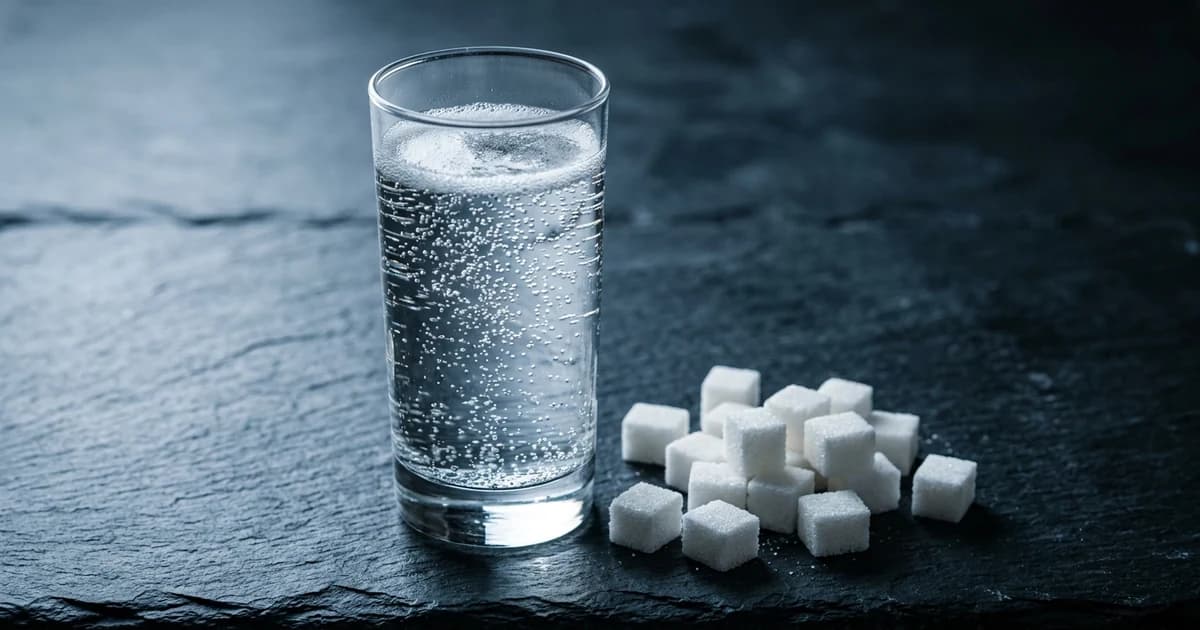
A single 12-ounce can of regular soda packs about 10 teaspoons of added sugar. If you're searching for healthy alternatives to soda with caffeine, that sugar load alone should motivate the switch: 42 grams per can is nearly double what the American Heart Association recommends as a daily limit for women and more than the total daily amount for men. The good news is that healthy caffeine alternatives in 2026 are better than they've ever been.
The bad news? Most people still reach for a Coke or Pepsi when the afternoon slump hits. Not because they love the taste, but because they need the caffeine and don't know where else to get it. This article breaks down the best caffeine alternatives worth trying, options that actually taste good, actually work, and won't wreck your health in the process.
Key Takeaways:
- A standard cola contains about 42mg of caffeine and 42g of sugar per can. Healthy alternatives to soda with caffeine give you the same energy without the sugar.
- Green tea, matcha, and yerba mate deliver caffeine alongside compounds that smooth out the energy curve.
- Caffeinated sparkling waters give you the fizz without the calories.
- Newer options like sublingual caffeine pouches offer precise, fast-acting doses with zero liquid and zero sugar.
Why You Should Care About Ditching Soda
The health case against regular soda isn't subtle. According to the Harvard T.H. Chan School of Public Health, routinely drinking sugar-loaded beverages increases the risk of type 2 diabetes, heart disease, and other chronic conditions. And if you drink just one sugary soda per day without cutting calories elsewhere, you could gain up to five pounds in a year.
But here's the thing most "quit soda" articles miss: people don't drink soda for the sugar. They drink it for the caffeine, the ritual, the fizz, and the five-minute break it represents. Any real healthy alternative to soda with caffeine needs to replace those things, not just lecture you about glucose.
So let's talk about what actually works as caffeine alternatives to soda.
The Best Healthy Alternatives to Soda With Caffeine
1. Green Tea (Hot or Iced)
Green tea is the oldest healthy alternative to soda with caffeine on this list, and for good reason. A typical cup contains 25 to 50mg of caffeine, which is comparable to a can of cola's 42mg. But green tea comes with something cola doesn't: L-theanine, an amino acid that changes how your body processes caffeine.
A study published on PubMed found that combining 97mg of L-theanine with 40mg of caffeine improved accuracy during task switching and self-reported alertness, while also reducing tiredness. The caffeine gives you energy. The L-theanine keeps it smooth and focused instead of jittery and scattered.
Plain green tea has zero calories and zero sugar, making it one of the cleanest healthy alternatives to soda with caffeine available. If you find it bitter, try cold-brewing it overnight. The lower temperature extracts less tannin, which cuts the bitterness without adding sweeteners.
2. Matcha
Matcha is green tea's more concentrated cousin and one of the most popular healthy alternatives to soda with caffeine among health-conscious consumers. Because you're consuming the whole ground leaf rather than steeping and discarding it, you get a higher dose of both caffeine (roughly 60 to 70mg per serving) and L-theanine.
The result is a cleaner, longer-lasting energy curve than coffee or soda. Matcha also delivers a strong dose of catechins, a class of antioxidants that have been studied for their effects on metabolic health. The flavor is earthy and rich, which makes it a genuine replacement for people who want something that feels substantial, not just "flavored water."
One caveat: quality matters. Ceremonial-grade matcha from Japan tastes completely different from the cheap culinary-grade powder you'll find in most grocery stores. Spend the extra $10. You'll actually drink it.
3. Yerba Mate
Yerba mate sits in an interesting middle ground between tea and coffee, and it's among the strongest healthy alternatives to soda with caffeine you can find. It contains roughly 85mg of caffeine per cup, which puts it above green tea but below a standard drip coffee. It also contains theobromine (the compound that makes chocolate feel good) and its own set of polyphenols.
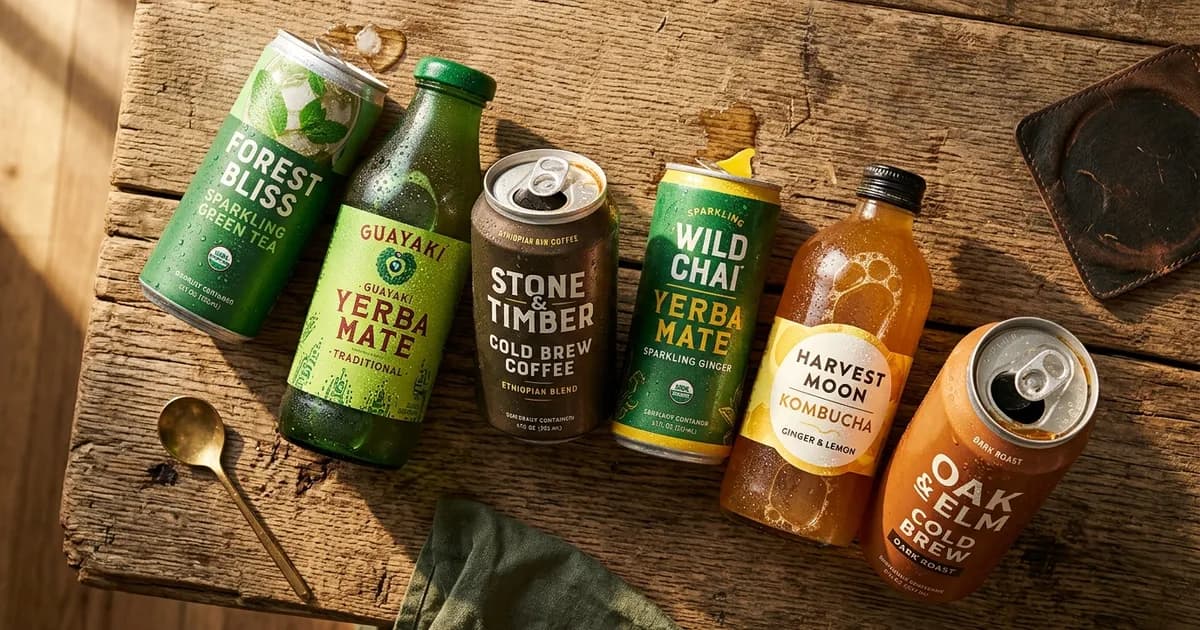
The energy from yerba mate tends to come on gradually and last longer than soda or coffee. Fans describe it as "alert without wired," which tracks with the pharmacology. Brands like Guayakí have made this caffeine alternative to soda widely available in canned, ready-to-drink formats that are easy to grab instead of a cola.
Most yerba mate drinks contain between 0 and 14 grams of sugar per can, depending on the brand and flavor. Check the label. The unsweetened versions are the ones worth buying.
4. Caffeinated Sparkling Water
If the fizz is what you're really after, caffeinated sparkling water is the most direct healthy alternative to soda with caffeine. Brands like AHA, Bubly Bounce, and Phocus offer carbonated water with 30 to 70mg of caffeine and zero sugar, zero calories, and zero artificial sweeteners.
These won't win any awards for complexity. They taste like flavored sparkling water because that's exactly what they are. But that simplicity is the point. You get carbonation, a mild fruit flavor, and a caffeine dose comparable to a can of cola, without any of the metabolic baggage.
Keep a few cans in the fridge at work. When the 2pm soda craving hits, reach for one of these healthy alternatives to soda with caffeine instead. The habit replacement is almost seamless because the physical experience (cold, fizzy, from a can) is nearly identical.
5. Black Tea
Black tea gets overlooked in conversations about healthy alternatives to soda with caffeine, which is strange because it's the most popular tea on the planet. A standard cup delivers 40 to 70mg of caffeine, putting it right in the sweet spot between green tea and coffee.
Black tea also contains L-theanine, though in lower concentrations than green tea or matcha. It pairs well with a splash of milk or a slice of lemon, and it's cheap. A box of quality loose-leaf black tea costs less per serving than any canned beverage on this list.
For iced tea lovers, brew a strong batch, let it cool, and pour it over ice. Skip the sugar. If you need sweetness, a small amount of honey dissolves well in warm tea before you chill it. As a caffeine alternative to soda, black tea is hard to beat on value.
6. Kombucha
Kombucha is fermented tea, which means it contains some caffeine (usually 10 to 25mg per serving) along with probiotics and organic acids from the fermentation process. It's fizzy, tangy, and complex enough to feel like a real drink rather than a health chore.
The caffeine content is lower than the other healthy alternatives to soda with caffeine on this list, so kombucha works best as a casual afternoon swap rather than a serious energy source. Where it shines is the gut health angle. The probiotics in kombucha support digestive health, which is something no soda can claim.
Watch the sugar content on commercial kombucha brands. Some add juice or sugar after fermentation, which can push them into the 12 to 16 grams-per-bottle range. Look for brands that stay under 5 grams.
How to Compare Your Options: Caffeine Alternatives to Soda at a Glance
| Alternative | Caffeine (mg) | Sugar | Calories | L-Theanine | Best For |
|---|---|---|---|---|---|
| Green Tea | 25-50 | 0g | 0 | Yes | Calm, steady focus |
| Matcha | 60-70 | 0g | 0 | Yes (high) | Sustained energy + antioxidants |
| Yerba Mate | ~85 | 0-14g* | 0-60* | No | Stronger energy, gradual onset |
| Caffeinated Sparkling Water | 30-70 | 0g | 0 | No | Fizz craving, simplest swap |
| Black Tea | 40-70 | 0g | 0 | Yes (moderate) | Versatile, affordable daily driver |
| Kombucha | 10-25 | 2-16g* | 15-60* | Trace | Gut health, casual sipping |
*Varies by brand. Always check the label.
What Makes a Good Healthy Alternative to Soda With Caffeine Actually Work?
Switching from soda isn't just about finding a drink with caffeine in it. The best healthy alternatives to soda with caffeine share a few traits:
They don't spike your blood sugar. The crash you feel 90 minutes after a soda isn't just the caffeine wearing off. It's your blood sugar plummeting after a glucose spike. Any alternative worth trying should have little to no added sugar.
They deliver caffeine at the right dose. A 12-ounce cola has about 42mg of caffeine. That's actually a moderate, reasonable dose. The problem was never the caffeine amount; it was everything packaged around it. Look for caffeine alternatives to soda in the 30 to 80mg range unless you specifically want more.
They include complementary compounds. This is where the science gets interesting. The research on L-theanine and caffeine shows that combining the two improves both speed and accuracy on attention tasks while reducing susceptibility to distraction. Caffeine alone gives you energy. Caffeine with the right co-factors gives you useful energy. The best healthy alternatives to soda with caffeine pair stimulants with calming compounds.
They fit your actual routine. The best alternative is the one you'll actually use. If you hate tea, don't force yourself to drink matcha. If you need something portable, a can of sparkling water beats a pour-over setup.
Beyond Drinks: The Rise of Non-Liquid Healthy Alternatives to Soda With Caffeine
One of the more interesting shifts in the caffeine space is the move away from beverages entirely, including energy drink alternative options that skip the sugar and jitters. Caffeine gum, mints, and sublingual pouches are growing in popularity because they solve a problem drinks can't: precision and speed. These non-liquid options represent a new category of healthy alternatives to soda with caffeine.
A study published in Cureus found that combining caffeine with theacrine and methylliberine improved cognitive performance and reaction time without negatively affecting mood. This combination, delivered sublingually (under the tongue), bypasses the digestive system and hits faster than any beverage.
A double-blind trial published in the Journal of the International Society of Sports Nutrition found that a combination of caffeine, methylliberine, and theacrine produced similar vigilance benefits to double the dose of caffeine alone, but without the unfavorable blood pressure changes. Less input, same output, fewer side effects.
This matters because the goal of any healthy alternative to soda with caffeine isn't to consume more caffeine. It's to get more from the caffeine you do consume.
Clean Energy, Zero Crash
If you've read this far, you already know that the real problem with soda was never the caffeine. It was the 42 grams of sugar, the blood sugar roller coaster, and the total absence of anything that supports actual cognitive function. The best healthy alternatives to soda with caffeine solve all three problems at once.
Roon was built around that exact insight. It's a zero-nicotine sublingual pouch that combines 80mg of caffeine (comparable to a cup of coffee) with L-theanine, theacrine, and methylliberine. The caffeine provides the energy. The L-theanine smooths out the curve. The theacrine and methylliberine extend the duration to 6 to 8 hours without tolerance buildup.
No sugar. No liquid. No crash. No jitters. Just clean, sustained focus that fits in your pocket. As far as healthy alternatives to soda with caffeine go, it's one of the smartest options available.
If you're done letting a can of Coke be your cognitive strategy, give Roon a try.