The Healthy Caffeine Alternatives Worth Trying in 2026
The Healthy Caffeine Alternatives Worth Trying in 2026
Two out of three American adults drink coffee every single day, according to the National Coffee Association's 2025 data. If you're exploring healthy caffeine alternatives, you already know the rollercoaster: a spike of energy, a shaky plateau, then a hard crash by 2 p.m. The good news is that healthy caffeine alternatives have gotten far more interesting than "just drink green tea."
Some of these healthy caffeine alternatives contain zero caffeine. Others use smaller, smarter doses of caffeine paired with compounds that smooth out the ride. All of them are worth a serious look if your current coffee habit leaves you jittery, anxious, or reaching for cup number four before lunch.
Key Takeaways
- Coffee isn't the enemy. The delivery system is. Large doses of caffeine without balancing compounds cause jitters, crashes, and tolerance buildup.
- L-theanine changes the equation. Pairing even a small amount of caffeine with L-theanine produces calm, sustained focus instead of a spike-and-crash.
- There's no single coffee alternative for energy for energy. The right choice depends on whether you want zero caffeine, low caffeine, or a redesigned caffeine experience.
- Newer compounds like theacrine and methylliberine extend the focus window without the tolerance problems of caffeine alone.
Why People Are Looking for Healthy Alternatives for Caffeine
The problem with coffee isn't caffeine itself. It's the dose, the speed of absorption, and the lack of anything to counterbalance the stimulant effect.
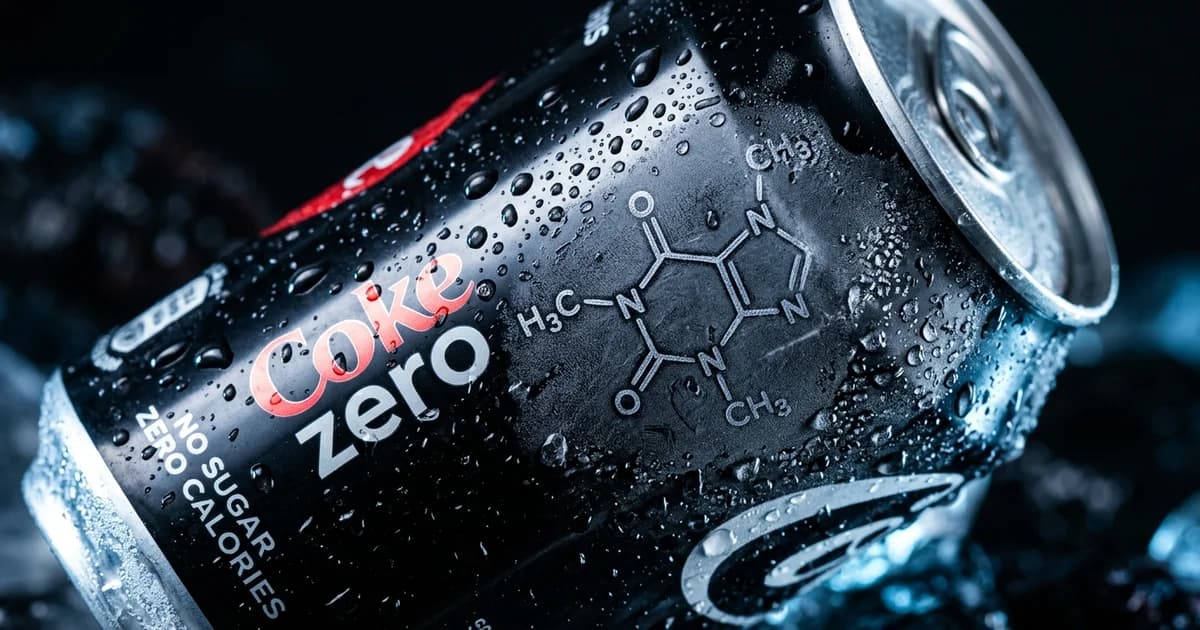
A standard drip coffee delivers roughly 95mg of caffeine in a single hit. Your body absorbs it fast. Adenosine receptors get blocked, adrenaline spikes, and for about 45 minutes, you feel sharp. Then the crash starts. Healthline reports that consuming too much caffeine leads to increased anxiety and nervousness by blocking adenosine and triggering excess adrenaline release.
The other issue is tolerance. Drink the same amount of coffee every day and your brain compensates by producing more adenosine receptors. Within a week or two, you need more coffee to feel the same effect. This is why so many people graduate from one cup to three, then to four, then to espresso shots stacked on top of cold brew.
That's the cycle driving people toward healthy alternatives for caffeine. Not quitting caffeine entirely, but changing the way coffee delivers it. And in 2026, there are more healthy caffeine alternatives than ever before.
The Best Healthy Caffeine Alternatives in 2026
Not every alternative works the same way. Some replace caffeine completely. Others redesign how your body processes it. Here's a breakdown of the healthy caffeine alternatives actually backed by evidence.
Matcha
Matcha is the most well-known coffee replacement for energy, and for good reason. A single serving contains roughly 40-70mg of caffeine, about half of what's in a cup of coffee. But the real advantage is the L-theanine content.
Harvard Health notes that matcha's caffeine content is typically higher than other green teas but lower than coffee. The L-theanine in matcha promotes a state of calm alertness rather than the wired, anxious feeling coffee often produces.
Matcha also delivers a concentrated dose of catechins, antioxidant compounds linked to improved brain function and reduced inflammation. Among healthy caffeine alternatives, matcha stands out for its combination of moderate stimulation and calming compounds. The downside? Good matcha is expensive, takes time to prepare properly, and the earthy flavor isn't for everyone.
Green Tea
If matcha feels like too much commitment, regular green tea offers a lighter version of the same benefits. As one of the most accessible healthy caffeine alternatives, it contains 25-50mg of caffeine per cup and a moderate amount of L-theanine.
Harvard Health reports that tea is the second most popular beverage globally behind water and is enjoyed by roughly a third of Americans. Most types of tea contain about half the caffeine of coffee with less acidity, plus health-promoting antioxidant compounds.
Green tea is a solid daily driver for people who want mild, steady energy without any of the ritual complexity of matcha.
Yerba Mate
Yerba mate sits in an interesting middle ground among healthy caffeine alternatives. It contains caffeine (about 85mg per cup), but it also contains theobromine and small amounts of L-theanine. The result is a smoother, longer-lasting energy curve than coffee.
The traditional South American preparation involves steeping dried leaves in hot water and sipping through a metal straw called a bombilla. Modern versions come in cans and tea bags. The flavor is grassy and slightly bitter, which takes some getting used to.
One thing to note: yerba mate's caffeine content is close to coffee's, so it won't solve the problem if your main goal is reducing total caffeine intake. It's better suited for people who like the stimulant effect but want a gentler delivery.
Chicory Coffee
For people who want the ritual of coffee without any caffeine at all, chicory root is the closest match. Healthline notes that chicory coffee offers a similar taste to regular coffee and is rich in inulin, a prebiotic fiber that supports gut health.
Chicory won't give you energy in the stimulant sense. But if your goal is to break a caffeine dependency while keeping the warm-mug-in-the-morning habit, this is one of the most practical healthy caffeine alternatives available.
Ginseng Tea
Ginseng has centuries of use in traditional medicine, and modern research supports some of its cognitive claims. As a coffee replacement for energy, ginseng appears to improve mental performance and reduce fatigue through mechanisms unrelated to caffeine. OSF Healthcare lists ginseng tea as an option that offers a natural boost in stamina.
The effects are subtler than caffeine. You won't feel a "hit" of energy. Instead, ginseng tends to reduce the perception of fatigue over time, making it better suited as a long-term daily supplement than a quick fix.
Adaptogenic Mushroom Blends
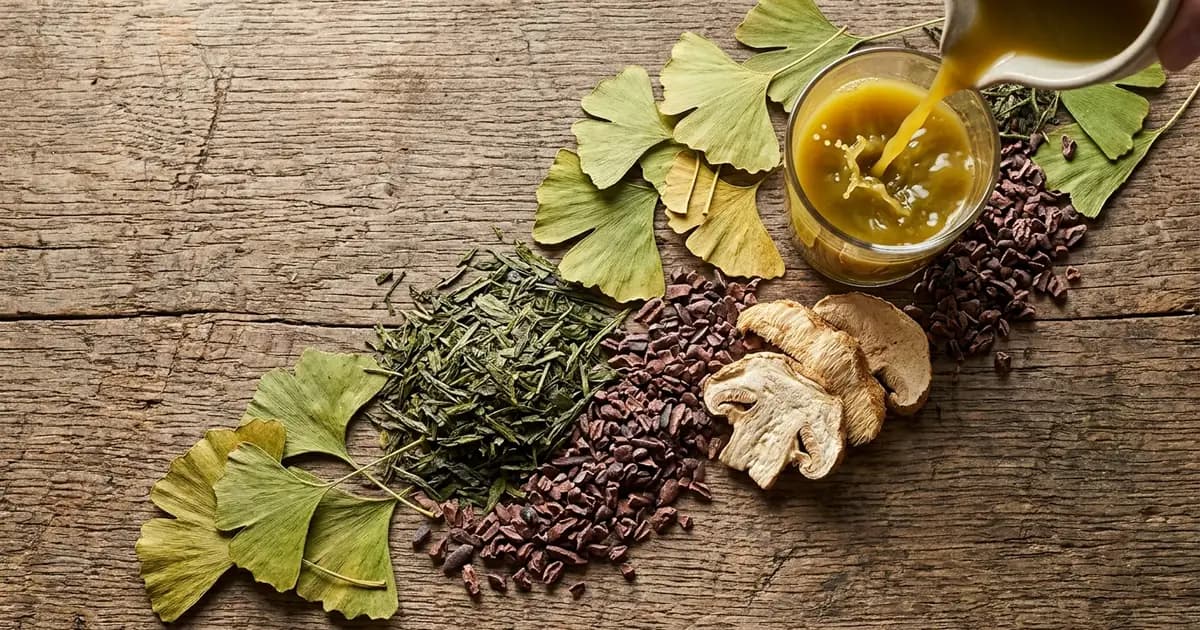
Lion's mane, cordyceps, and reishi mushroom extracts have moved from niche health food stores into mainstream healthy caffeine alternatives. These functional mushroom blends typically contain no caffeine at all, though some brands mix them with small amounts.
The research on lion's mane and cognitive function is still early, but the existing studies suggest it may support nerve growth factor production. Cordyceps appears to improve oxygen utilization during physical activity. Neither will replace the acute alertness that caffeine provides, but they're worth exploring if you're building a long-term cognitive health routine.
The L-Theanine + Caffeine Stack: A Smarter Approach to Healthy Caffeine Alternatives
If you don't want to quit caffeine entirely, the most evidence-backed approach is to change how you consume it. Specifically, by pairing a lower dose of caffeine with L-theanine.
A study published on PubMed found that the combination of moderate levels of L-theanine and caffeine improved accuracy during task switching and self-reported alertness, while reducing self-reported tiredness. The effects were statistically meaningful across multiple cognitive measures.
This isn't a fringe finding. A 2025 study published in the Journal of the International Society of Sports Nutrition examined caffeine, L-theanine, and their combination in elite athletes. The research confirmed that L-theanine helps promote a calm yet focused mental state, counteracting the jitteriness that caffeine alone can produce.
And a crossover trial published in PMC found that a high-dose L-theanine and caffeine combination improved selective attention in sleep-deprived young adults, a population that typically reaches for large amounts of coffee and energy drinks.
The pattern across these studies is consistent: caffeine plus L-theanine outperforms caffeine alone on measures of focus, accuracy, and subjective alertness, with fewer negative side effects. This is why the L-theanine and caffeine stack ranks among the most effective healthy alternatives for caffeine.
Beyond Caffeine and L-Theanine: Theacrine and Methylliberine
Two newer compounds are showing up in cognitive performance research, and they address caffeine's biggest weakness: tolerance.
Theacrine (often sold as TeaCrine®) is structurally similar to caffeine but interacts with adenosine receptors differently. A double-blind, placebo-controlled trial published in PMC found that co-ingestion of caffeine, methylliberine, and theacrine can improve cognitive performance over a longer period compared to caffeine alone. The researchers noted that the sustained peak times and half-lives of these compounds extend the window of benefit.
Methylliberine (sold as Dynamine®) works on an even faster timeline than theacrine. A study published in Cureus found that combining caffeine, theacrine, and methylliberine increased cognitive performance and reaction time without interfering with mood in adult male esports players.
The practical takeaway: stacking these compounds with a moderate caffeine dose gives you a longer focus window (6-8 hours instead of 1-2), without the tolerance escalation that makes coffee less effective over time. For anyone searching for healthy alternatives for caffeine, these newer compounds represent the next step beyond simple coffee swaps.
Comparing Your Healthy Caffeine Alternatives
| Alternative | Caffeine Content | L-Theanine | Tolerance Risk | Best For |
|---|---|---|---|---|
| Coffee (drip) | ~95mg | None | High | Quick burst of energy |
| Matcha | 40-70mg | High | Moderate | Calm, sustained focus |
| Green Tea | 25-50mg | Moderate | Low | Mild daily energy |
| Yerba Mate | ~85mg | Low | Moderate | Longer energy curve |
| Chicory Coffee | 0mg | None | None | Breaking caffeine habit |
| Mushroom Blends | 0mg | None | None | Long-term cognitive support |
| Caffeine + L-Theanine + Theacrine Stack | 40mg | High | Low | Extended focus, no crash |
Finding the Right Healthy Caffeine Alternatives for You
The best healthy caffeine alternatives depend on what you're actually trying to solve.
If you want to eliminate caffeine completely, chicory coffee and herbal teas are your best options. They won't give you a cognitive boost, but they'll help you break the dependency cycle.
If you want a coffee replacement for energy without the downsides, the research points clearly toward a moderate dose of caffeine combined with L-theanine. Add theacrine and methylliberine to the mix, and you get an extended focus window with minimal tolerance buildup.
That's exactly the approach behind Roon. It's a sublingual pouch that delivers 80mg of caffeine alongside L-theanine, theacrine, and methylliberine. No brewing. No waiting. No jitters, no crash, and no tolerance spiral. Just clean, sustained energy that lasts 6-8 hours. Among healthy caffeine alternatives, Roon is designed to give you the best of caffeine without the worst.
If your current caffeine strategy involves white-knuckling through the afternoon slump or stacking espresso shots until your hands shake, it might be time to rethink the delivery system, not the molecule.