Energy Drink Alternatives
Roon Team
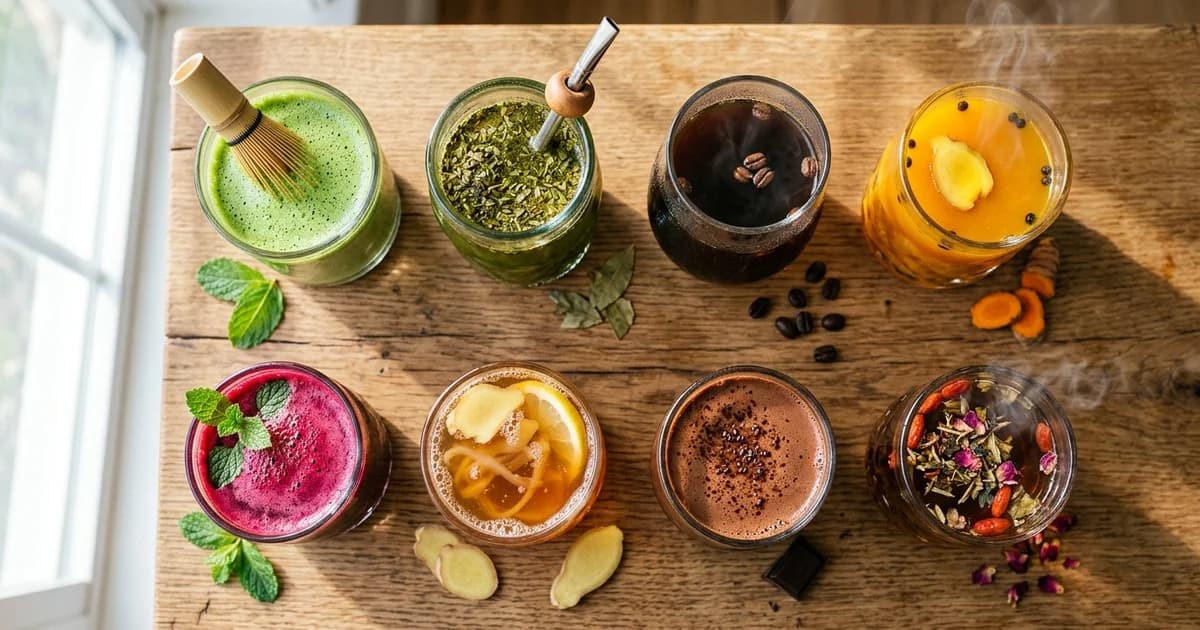
Energy Drink Alternatives: 8 Cleaner Options for Sustained Focus (2026)
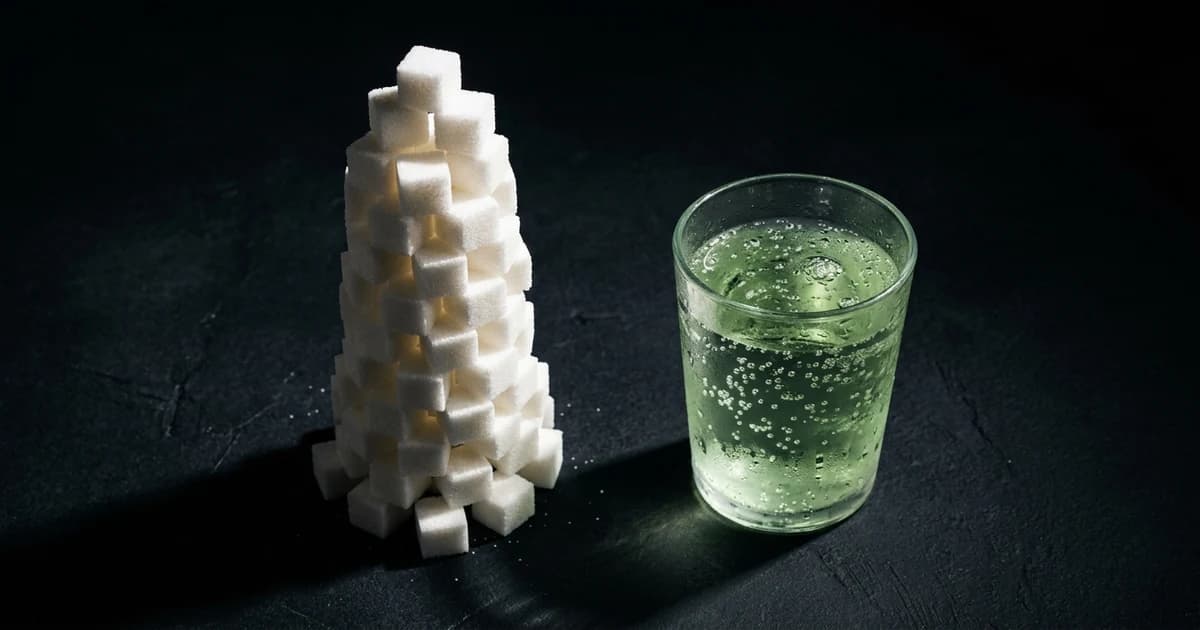
You already know the routine. Crack a can, ride the spike, hit the wall two hours later, repeat. The average Monster packs 160 mg of caffeine and 54 g of sugar into a single 16-oz can (Caffeine Informer). Red Bull delivers 80 mg of caffeine alongside 27 g of sugar per 8.4-oz serving (Red Bull). If you're searching for an energy drink alternative that actually sustains focus without the crash, the sugar load, or the acid bath on your teeth, these eight options are worth your attention.
A 2019 randomized trial published in the Journal of the American Heart Association found that consuming two 16-oz energy drinks raised systolic blood pressure and prolonged the QTc interval in healthy volunteers (Shah et al., 2019). The sugar-free versions don't fully solve the problem either. The real issue is the delivery model itself: a massive caffeine bolus, artificial additives, and nothing to smooth the curve.
Here's what works instead.
Energy Drink Alternatives at a Glance
| Alternative | Key Actives (per serving) | Format | $/Serving | Sugar | Crash Profile | Best For |
|---|---|---|---|---|---|---|
| Roon | 80 mg caffeine, 60 mg L-theanine, 25 mg methylliberine, 5 mg theacrine | Sublingual pouch | ~$0.61–$1.00 | 0 g | Minimal; L-theanine + theacrine smooth the curve | Best for sustained, all-day focus without a beverage |
| Yerba Mate | 30–50 mg caffeine, theobromine, saponins | Brewed loose leaf or bottled | $0.50–$3.00 | 0 g (plain) | Low; gradual onset | Best for a ritual-based, social caffeine experience |
| Matcha | 40–135 mg caffeine, ~25 mg L-theanine per gram | Whisked powder | ~$1.00–$2.00 | 0 g (plain) | Low; L-theanine buffers jitters | Best for coffee-shop ritual swap with antioxidant benefits |
| Green Tea | 25–50 mg caffeine, L-theanine | Brewed tea | ~$0.30 | 0 g (plain) | Very low | Best for low-caffeine, budget-friendly daily use |
| Cordyceps | 0 mg caffeine; supports cellular ATP production | Capsule or powder | ~$0.50–$1.50 | 0 g | None (no stimulant) | Best for caffeine-free endurance support |
| Beet Juice | 0 mg caffeine; ~5–8 mmol dietary nitrate | Cold-pressed juice | ~$3.00–$5.00 | ~13 g (natural) | None (no stimulant) | Best for athletes seeking nitric oxide-driven performance |
| Black Coffee | ~95 mg caffeine | Brewed | ~$0.30–$1.00 | 0 g (black) | Moderate; no L-theanine to buffer | Best for simplicity and cost |
| Nootropic Pouch (e.g., Nectr, Mojo) | 50–100 mg caffeine, varies by brand | Oral pouch | ~$0.37–$2.00 | 0 g | Low to moderate | Best for nicotine-free pouch users wanting a format swap |
Now let's break each one down.
1. Roon: The Sublingual Nootropic Pouch
Most energy drink alternatives are still beverages, but Roon's nootropic pouches take a different approach entirely. Roon is not. It's a zero-nicotine sublingual pouch that delivers 80 mg caffeine, 60 mg L-theanine, 25 mg methylliberine (Dynamine), and 5 mg theacrine (TeaCrine) directly through the tissue under your lip. No water, no can, no sugar.
The caffeine-plus-L-theanine pairing is well-studied. A 2008 trial by Haskell et al. found that combining caffeine with L-theanine improved both speed and accuracy on attention-switching tasks while reducing the susceptibility to distraction that caffeine alone can cause (Haskell et al., 2008). The addition of methylliberine and theacrine extends the effect window. Theacrine, structurally similar to caffeine, acts on adenosine and dopamine receptors but shows reduced tolerance buildup in repeated dosing.
At $15.00 per tin ($1.00/pouch) for a one-time 4-tin bundle, or from $9.16/tin ($0.61/pouch) on subscription, Roon sits at a premium compared to a $2.50 Monster from a gas station. But the trade-off is zero sugar, zero crash, and a 6-to-8-hour focus window from a single pouch. If you're reaching for energy drinks at your desk or during commutes, this is the format that actually fits those moments.
Honest take: Roon doesn't replace the social ritual of cracking a cold can with friends. For that, keep reading.
2. Yerba Mate: The Social Ritual Swap
Yerba mate delivers 30 to 50 mg of caffeine per cup alongside theobromine (the same mild stimulant found in dark chocolate) and saponins, which have mild anti-inflammatory properties. The caffeine release is gentler than coffee, partly because theobromine extends the stimulant curve without the sharp spike.
Loose-leaf mate brewed in a gourd costs as little as $0.50 per serving, making it one of the more accessible lesser-known coffee alternative options. Bottled versions like Guayakí run $3 to $4 but add sugar in some flavors, so check the label. For energy drink users who enjoy the ritual of holding and sipping a beverage, mate is the closest cultural swap. It's communal in South America for a reason.
3. Matcha: Caffeine With a Built-In Safety Net
A standard 2-gram serving of matcha powder contains roughly 40 to 90 mg of caffeine depending on grade and preparation (Matcha.com). What makes matcha different from a shot of espresso is the naturally occurring L-theanine, which promotes alpha-wave brain activity, the same pattern associated with calm, focused attention.
The cost runs about $1 to $2 per serving for ceremonial-grade powder. It's more expensive than green tea bags but cheaper than most canned energy drinks when you buy in bulk. Matcha also provides catechins (EGCG), which have well-documented antioxidant effects.
If you like the coffee-shop experience and want a direct lifestyle swap for your afternoon Red Bull, matcha is a strong pick.
4. Green Tea: The Minimalist Option
Brewed green tea delivers 25 to 50 mg of caffeine per 8-oz cup plus a modest dose of L-theanine. It won't hit you like a Bang (which loads 300 mg of caffeine per 16-oz can, per Caffeine Informer), and that's the point. Green tea is the baseline: cheap (~$0.30/cup), accessible, and almost impossible to overconsume.
For people exploring healthy caffeine alternatives to coffee or energy drinks, green tea works as a step-down tool. You can taper from 200+ mg servings to 50 mg without going cold turkey.
5. Cordyceps: Caffeine-Free Endurance Support
Cordyceps militaris is a functional mushroom that contains no caffeine. Its proposed mechanism involves supporting mitochondrial ATP production and oxygen utilization. A 2017 study published in the Journal of Dietary Supplements found that three weeks of Cordyceps militaris supplementation at 4 g/day improved VO2max and ventilatory threshold in young adults (Hirsch et al., 2017).
Cordyceps won't replace the acute alertness of an energy drink, but it fits well among caffeine-free energy alternatives for endurance support. Think of it as a background supplement for aerobic capacity and endurance, not a 2 p.m. pick-me-up. Capsules run $0.50 to $1.50 per serving depending on brand and extract standardization.
6. Beet Juice: The Athlete's Alternative
Beet juice is a nitric oxide play. Dietary nitrate from beets converts to nitric oxide in the body, which dilates blood vessels and improves oxygen delivery to muscles. A dose-response study by Wylie et al. (2013) found that moderate-dose beetroot juice (8.4 mmol nitrate) increased time-to-exhaustion by 14% in cycling tests (Wylie et al., 2013).
This is not a focus supplement. It's a physical performance tool. At $3 to $5 per serving for cold-pressed juice, it's expensive, but athletes who need vasodilation and endurance support swear by it. Zero caffeine, roughly 13 g of natural sugar per 8-oz serving.
7. Black Coffee: The Obvious One
Brewed black coffee delivers about 95 mg of caffeine per 8-oz cup, zero sugar, and essentially zero calories. It's the original energy drink alternative, and for good reason. It's cheap (~$0.30 at home), universally available, and well-studied for cognitive and physical performance benefits.
The downside? No L-theanine to buffer the jitter response. No secondary nootropics for extended duration. And the crash, while milder than a 54-gram sugar bomb from Monster, still arrives around the 3-to-4-hour mark for most people. Coffee is a solid baseline, but it's a blunt instrument compared to stacked formulas.
8. Nootropic Pouches (Nectr, Mojo, and Others)
The nicotine-free pouch market has expanded rapidly. Brands like Nectr (50 mg caffeine), Mojo (50 mg at $0.37 a pouch, 100 mg at $0.60), and NZE offer caffeine-based pouches in various strengths (Nectr). Most rely on caffeine as the primary active, with some adding B-vitamins or single nootropic compounds.
These are solid format swaps for anyone who already uses nicotine pouches and wants to drop the nicotine. Pricing runs from about $0.37 to $2.00 per pouch depending on the brand and the caffeine strength. The trade-off versus Roon is ingredient depth: most competitors run a single-compound or dual-compound stack, while Roon's four-compound formula targets multiple neurochemical pathways for longer-lasting effects.
The Energy Drink Baseline: What You're Replacing
For context, here's what the major energy drinks actually contain:
| Brand | Caffeine | Sugar | Other Notables | Price (approx.) |
|---|---|---|---|---|
| Monster Original | 160 mg / 16 oz | 54 g | Taurine, B-vitamins, guarana | ~$2.50 |
| Red Bull | 80 mg / 8.4 oz | 27 g | Taurine, B-vitamins | ~$2.50 |
| Bang | 300 mg / 16 oz | 0 g | EAAs, CoQ10, sucralose | ~$2.50 |
| Celsius | 200 mg / 12 oz | 0 g | Green tea extract, taurine, guarana, ginger | Not published by Celsius |
| Alani Nu | 200 mg / 12 oz | 0 g | Taurine, L-theanine, B-vitamins, ginseng | ~$2.50 |
Celsius does not sell direct and publishes no price on celsius.com, so any per-can figure for it comes from a retailer rather than the brand.
Celsius and Alani Nu have already cleaned up the sugar problem. If your main complaint about energy drinks is sugar, those two are legitimate options within the category. But if your issue is the caffeine spike-and-crash cycle, the acid erosion on your enamel (energy drinks typically have a pH between 2.4 and 3.5, per research published in MDPI Oral), or the fact that you're drinking 200+ mg of caffeine in 15 minutes, the alternatives above offer genuinely different delivery curves.
Picking the Right Swap for Your Use Case
The best energy drink alternative depends on what you're actually optimizing for:
- Desk work, deep focus sessions: Roon or matcha. Both deliver caffeine plus L-theanine for sustained attention without the sugar crash.
- Social or ritual replacement: Yerba mate or matcha. You still get to hold a warm cup and sip something.
- Athletic performance: Beet juice (for endurance) or cordyceps (for aerobic capacity). Neither contains caffeine.
- Budget and simplicity: Black coffee or green tea. Hard to beat $0.30 per serving.
- Quitting energy drinks gradually: Green tea as a step-down, then decide if you want to stay low-caffeine or move to a stacked formula.
- Pouch format preference: Roon for the deepest nootropic stack; Nectr or Mojo for simpler caffeine delivery.
Frequently Asked Questions
What is the healthiest energy drink alternative?
Among the best caffeine alternatives to coffee, green tea and matcha are the most broadly "healthy," delivering caffeine alongside L-theanine and antioxidants (catechins like EGCG) with zero sugar and minimal calories. For a non-beverage option, Roon provides a four-compound nootropic stack (caffeine, L-theanine, methylliberine, theacrine) in a sublingual pouch with no sugar and no nicotine. It is sweetened with sucralose.
What is a natural alternative to Monster?
Yerba mate is the closest natural swap. It provides 30 to 50 mg of caffeine per cup alongside theobromine and saponins, delivering a smoother energy curve than Monster's 160 mg caffeine and 54 g sugar combination. Matcha is another strong option with 40 to 90 mg of caffeine and built-in L-theanine.
What is the best low-sugar energy boost?
Black coffee (0 g sugar, ~95 mg caffeine) and green tea (0 g sugar, 25–50 mg caffeine) are the simplest low-sugar options. Among pouches, Roon delivers 80 mg caffeine with zero sugar in a sublingual format. Among canned drinks, Celsius and Alani Nu are sugar-free but still contain 200 mg of caffeine per can.
Is matcha better than energy drinks?
For most people, yes. Matcha provides a comparable caffeine dose (40–90 mg per serving) with the added benefit of L-theanine, which reduces jitteriness and promotes focused calm. It also contains catechin antioxidants that energy drinks lack. The trade-off: matcha requires preparation and doesn't deliver the 200–300 mg caffeine hit that heavy energy drink users may be accustomed to.
What is a good alternative to Celsius?
Celsius is already sugar-free with 200 mg of caffeine, green tea extract, and ginger root. If you like the can format, Alani Nu offers a similar profile with added L-theanine and ginseng. If you want to move away from canned drinks entirely, Roon delivers sustained focus through a sublingual pouch with a lower, more controlled caffeine dose (80 mg) extended by methylliberine and theacrine.
Can I quit energy drinks with green tea?
Green tea works well as a step-down strategy. At 25 to 50 mg of caffeine per cup, it provides enough stimulation to avoid withdrawal headaches while cutting your intake by 75% or more compared to a typical energy drink. Over two to three weeks, most people adjust to the lower caffeine baseline without significant withdrawal symptoms.
Do nootropic pouches actually work?
Pouches that use clinically studied ingredients at effective doses can deliver measurable cognitive effects. The caffeine-plus-L-theanine combination has peer-reviewed support for improving attention and reducing distraction (Haskell et al., 2008). Sublingual delivery also bypasses first-pass metabolism, which can improve bioavailability and onset speed compared to capsules or drinks.
Related from Roon
- Coffee vs Pre-Workout vs Roon: The Best Energy Source for Knowledge Work
- Caffeine + L-Theanine: The Ratio Most People (And Most Smart-Coffee Brands) Get Wrong
- Pre-Workout Tolerance: How to Reset and Break the Stimulant Cycle
The Bottom Line
Energy drinks solved a real problem: people needed fast, portable energy. But the solution came loaded with sugar, acid, and caffeine doses that spike hard and fade fast. Every option on this list, and the broader range of caffeine options worth trying, addresses at least one of those trade-offs.
If you want the simplest swap, brew coffee or green tea. If you want the ritual, try matcha or yerba mate. If you want a stacked nootropic formula in a portable, beverage-free format, the pouch category has expanded enough that there is a credible option for most use cases. Pick the alternative that matches how and when you actually consume energy, and the transition stops feeling like a sacrifice.
Where a Sublingual Pouch Wins
Every alternative on this list solves a different piece of the energy drink problem. Green tea cuts the sugar. Matcha adds L-theanine. Black coffee keeps it simple. But none of them address the delivery model itself: a liquid you have to prepare, carry, or consume in one sitting, paired with a caffeine curve that still peaks and fades within a few hours.
Roon was built for the gap between those options. The sublingual pouch format bypasses first-pass metabolism, which means faster onset without the acid load on your enamel or the 54 grams of sugar in a Monster. The four-compound stack -- 80 mg caffeine, 60 mg L-theanine, 25 mg methylliberine, 5 mg theacrine -- is designed to extend the focus window to 6 to 8 hours rather than the 2 to 3 hours most single-compound drinks deliver. It is not a social ritual, and it will not replace the experience of sipping something warm at a coffee shop. It is a precision tool for desk work, commutes, and long focus blocks.
If the format fits how you actually work, try Roon and see whether one pouch covers what two cans used to.