Finals Week Without the Crash: How to Cram Smart, Not Hard
Finals Week Without the Crash: How to Cram Smart, Not Hard
You can feel finals week before it arrives. The library fills up, your group chat turns into a panic room, and somewhere around 2 a.m. you start wondering if sleep is optional. It isn't.
Most students treat finals week as a test of endurance. Who can stay up longest, drink the most coffee, and reread the most pages. That approach loses, badly. The science of memory says the brute-force all-nighter is one of the least efficient ways to learn anything.
This guide is about the other path. Studying less, remembering more, and walking into the exam room without that hollowed-out, over-caffeinated shake in your hands.
Key Takeaways
- Cramming by rereading is the weakest study method. Active recall and spaced practice beat it by a wide margin.
- Pulling an all-nighter trades short-term reading time for the exact brain function you need on test day: memory.
- Caffeine works for focus, but the dose and the timing matter more than the amount.
- Managing finals week stress is a study strategy, not a luxury. Calm recall is accurate recall.
Why the Classic Cram Session Fails You
Rereading your notes feels productive. It mostly isn't. Recognizing information on a page is not the same as being able to retrieve it from a blank brain under pressure, which is exactly what an exam demands.
Researchers call the better method the testing effect, and the evidence behind it is strong. A review hosted on the NIH's PubMed Central found that the act of retrieving information, not just restudying it, produces deeper, more durable learning. Quizzing yourself isn't a check on your studying. It is the studying.
Spacing matters just as much as recall. Comparisons of spaced practice against last-minute cramming consistently favor the spaced approach for long-term retention, as summarized in this overview from Very Big Brain. Three one-hour sessions across three days beat one three-hour marathon. Your brain consolidates between sessions, so the gaps are doing real work.
So if you only change one habit this term, change this. Stop reading. Start testing yourself.
How to Cram for Finals: A Smarter System
Here is how to cram for finals when time is genuinely short, without burning yourself to the ground. The goal is high-yield work, not high-hour work.
1. Triage Before You Touch a Book
List every topic. Mark what's heavily weighted on the exam, what you already know, and what you don't. Spend your hours where the points are. Most students waste their best mental energy on material they've already mastered because it feels good to review.
2. Build a Self-Quiz Loop
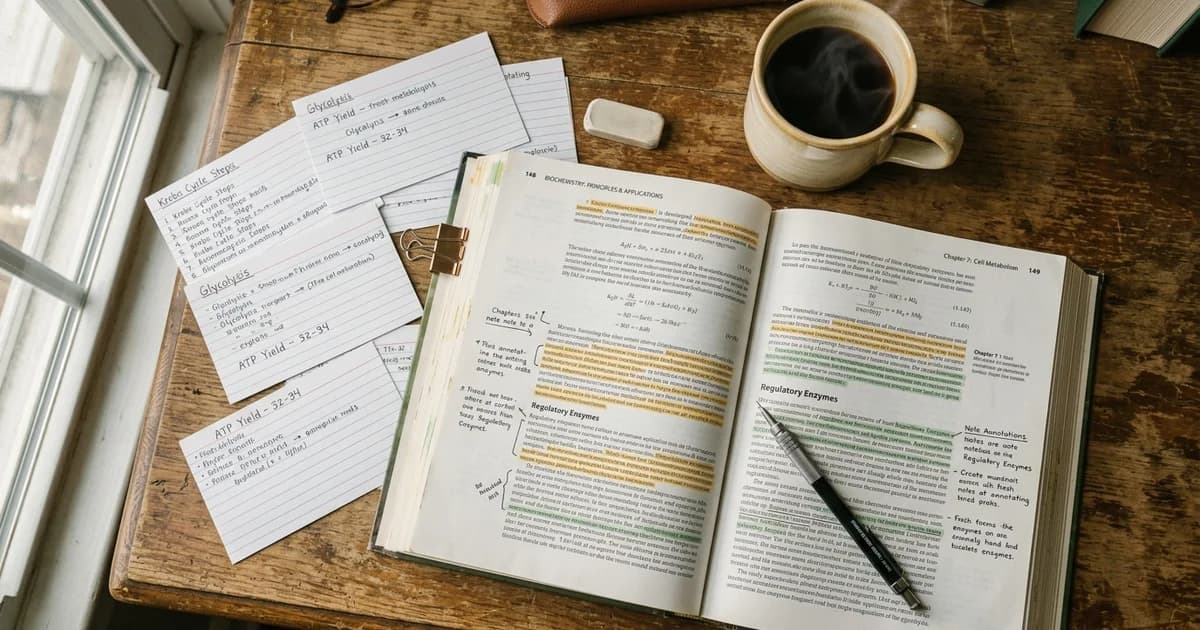
Turn your notes into questions, not summaries. Cover the answer, attempt it cold, then check. Flashcard apps that use spaced repetition handle the timing for you, surfacing weak cards more often.
3. Use Short, Focused Blocks
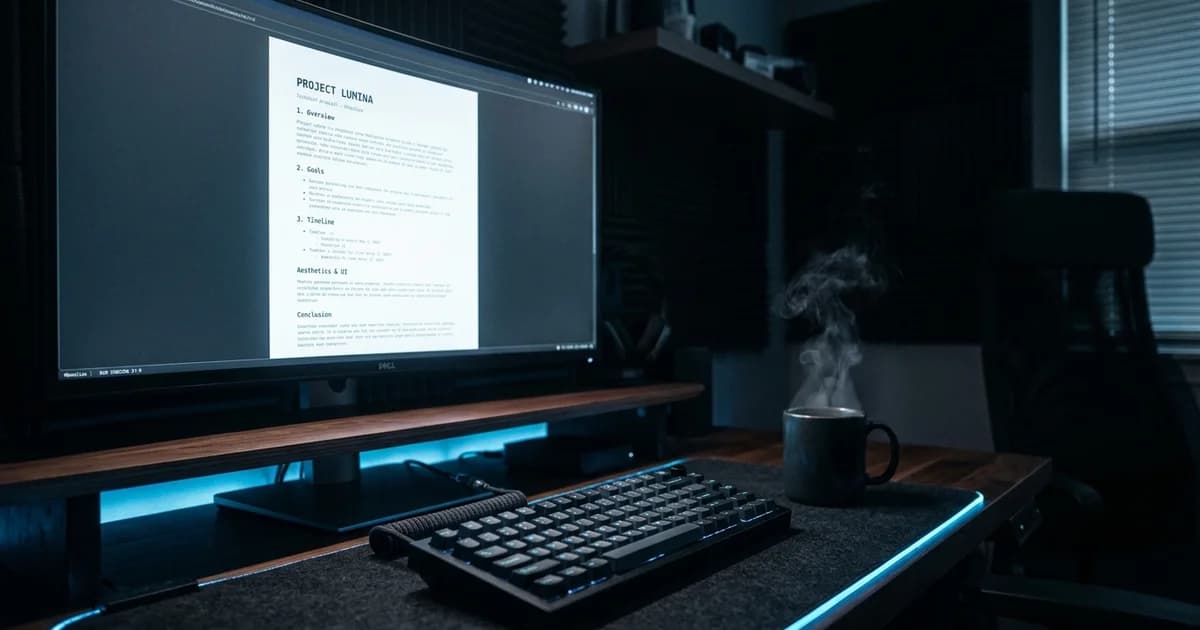
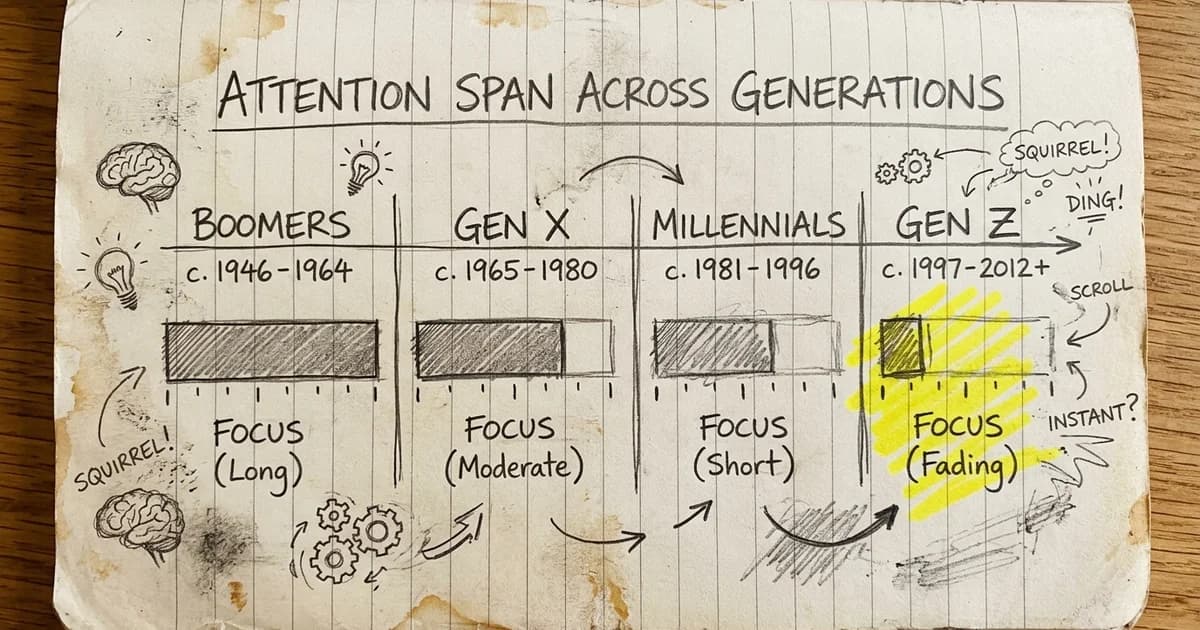
Work in 45 to 50 minute blocks with real breaks. Attention degrades on long, unbroken sessions, and a tired brain quietly rereads the same paragraph four times. Protect your focus like the scarce resource it is.
4. Teach It Out Loud
Explain the concept to an empty room, a roommate, or your phone's voice recorder. If you stumble, you've found a gap. This is retrieval practice wearing a different hat, and it works.
5. Sleep on Purpose, Not by Accident
This is the one students sacrifice first and regret most. We'll get to why in a second.
The All-Nighter Is the Worst Trade You Can Make
Skipping sleep to study is like training for a race by never resting your legs. You feel busy. You're getting slower.
Sleep is when your brain files the day's learning into long-term storage. Cut it, and you damage the memory you spent all night building. Research published in Scientific Reports found that sleep deprivation measurably impaired cognitive performance and altered blood flow in the brain regions tied to thinking and attention.
The flip side is just as clear. A separate analysis in Scientific Reports linked more consistent sleep with higher academic performance in college students. The American Academy of Sleep Medicine makes the same point plainly: sleep is tied directly to academic success.
Translation for finals week: a rested brain at 80% prep usually outscores an exhausted brain at 100% prep. Get the seven hours. Study smarter to afford them.
Caffeine Without the Crash
Caffeine helps focus. The crash that follows is the problem, and most of it comes from how you use the stuff, not the molecule itself.
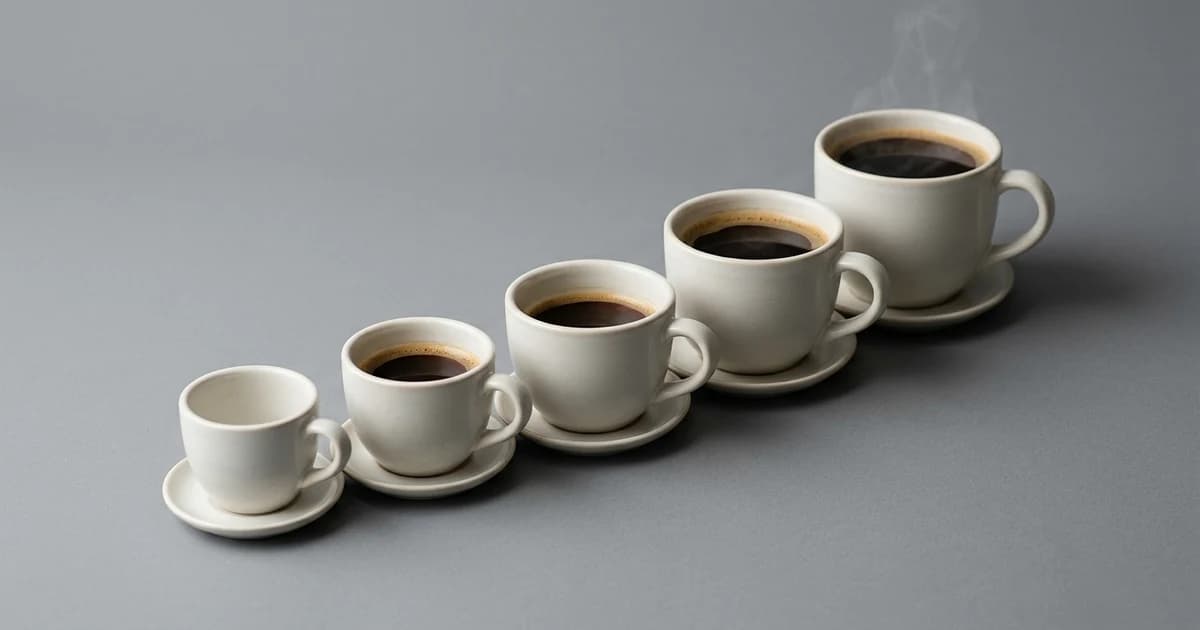
The FDA puts the ceiling for healthy adults at about 400 mg of caffeine per day, roughly four to five cups of coffee. Blow past that during a finals binge and you trade focus for a racing heart and shaky hands. Useless in an exam.
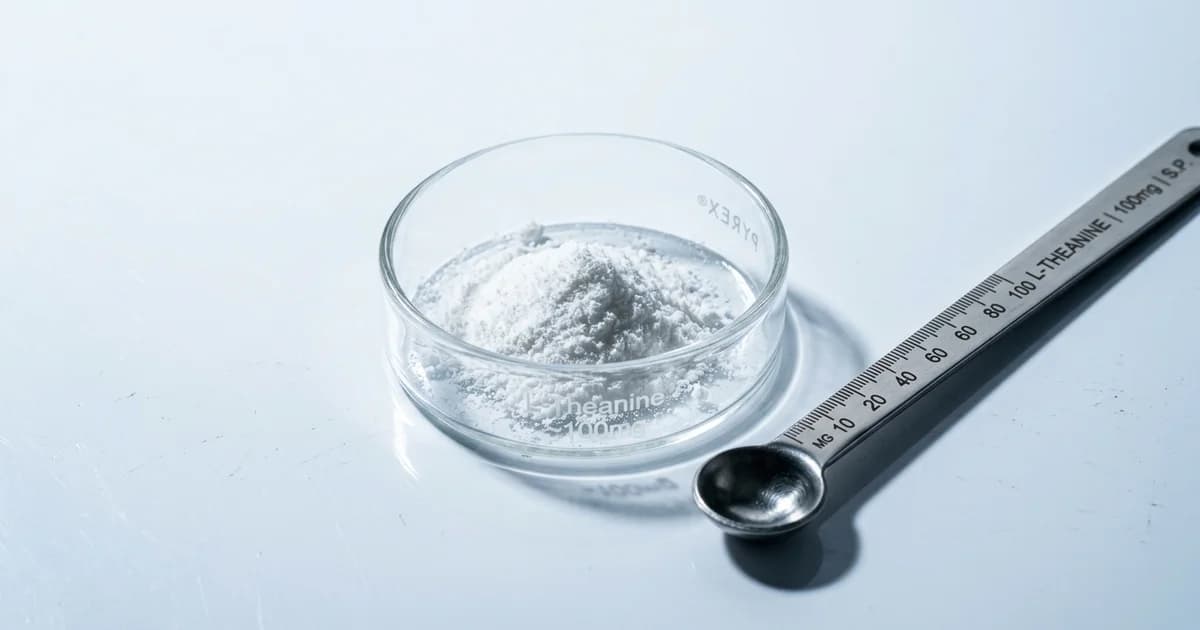
There's a smarter pairing. Combining caffeine with L-theanine, an amino acid found in tea, smooths out the jittery edge while keeping the alertness. Research published in Nutritional Neuroscience found that the L-theanine and caffeine combination improved cognitive performance and subjective alertness better than caffeine alone. A follow-up reported by PsyPost even found the combo helped sustain focus after sleep loss.
The other crash culprit is sugar. Energy drinks spike you, then drop you, right when you need a steady line. Skip the sugar bomb.
Study Fuel, Compared
Not all focus tools behave the same during a long exam block. Here's an honest look at the common options.
| Study Fuel | Onset | Focus Window | Crash Risk | Notes |
|---|---|---|---|---|
| Drip coffee | 20–40 min | 3–4 hrs | Moderate | Cheap and familiar, but easy to over-pour and over-caffeinate |
| Energy drinks | 15–30 min | 2–3 hrs | High | Sugar spike and steep drop; loaded with extras you don't need |
| Plain caffeine pills | 30–45 min | 3–5 hrs | Moderate–High | No theanine, so jitters are common at higher doses |
| Tea | 30–45 min | 2–3 hrs | Low | Gentle, but the caffeine dose is often too small for deep focus |
| Roon sublingual pouch | 5–10 min | 6–8 hrs | Low | 80 mg caffeine + 60 mg L-theanine + 25 mg Dynamine + 5 mg TeaCrine; no sugar, no nicotine |
Managing Finals Week Stress
A calm brain recalls more accurately than a frantic one, so stress management is part of your study plan, not a break from it. Anxiety hijacks working memory, which is the exact system you need to solve problems on the spot.
Three things move the needle fast. Slow breathing for two minutes before you sit down lowers the physical stress response. Light movement, even a ten-minute walk, clears the fog between sessions. And blocking your study time in advance kills the low-grade dread of an open, unstructured day.
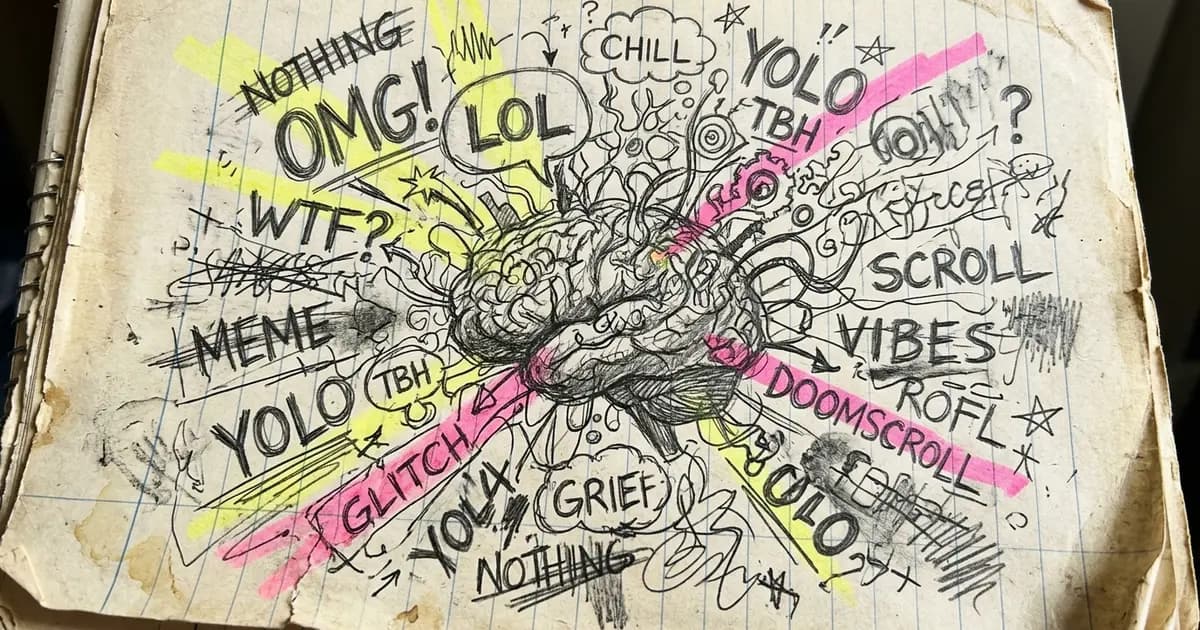
And yes, let yourself laugh. Scrolling finals week memes for five minutes between blocks is a legitimate reset, as long as five minutes doesn't become fifty. Shared misery is oddly calming, and a quick laugh genuinely lowers tension before you dive back in.
How to Survive Finals: The Short Version
If you want the whole plan on how to survive finals in one breath: test yourself instead of rereading, space your sessions, sleep seven hours, use caffeine wisely, manage your stress, and protect your focus.
None of it requires heroics. It requires doing the boring, effective things while everyone around you grinds the dramatic, ineffective ones.
Frequently Asked Questions
How many days before finals should I start studying?
Start at least one to two weeks out for heavily weighted exams. Spacing your review across several days beats cramming it into one, because your brain consolidates information between sessions. If you're already short on time, prioritize active self-quizzing on the highest-weighted topics rather than trying to reread everything once.
Is it ever worth pulling an all-nighter for finals?
Rarely, and almost never the night before an exam. Sleep is when memories move into long-term storage, so skipping it can erase the gains from your studying. Research links sleep deprivation to impaired thinking and attention. A rested brain with slightly less prep usually outperforms an exhausted brain that crammed all night.
How much caffeine is safe during finals week?
The FDA puts the general ceiling for healthy adults at around 400 mg of caffeine per day, about four to five cups of coffee. During finals it's easy to drift past that without noticing. Watch your total intake across coffee, energy drinks, and pills, and stop afternoon caffeine early enough that it doesn't wreck your sleep.
Why does coffee make me jittery and unfocused?
Usually because the dose is too high or there's nothing to balance it. Caffeine alone can spike anxiety and a racing heart. Pairing it with L-theanine, an amino acid in tea, smooths the edge while keeping the alertness, which is why the combination tends to feel cleaner than coffee alone.
What's the single most effective way to cram for finals?
Active recall. Close your notes and force yourself to retrieve the answer from memory, then check. This testing effect builds stronger, more durable learning than rereading or highlighting. Pair it with spaced sessions across a few days and you'll remember far more for the actual exam.
Do finals week memes actually help with stress?
In small doses, yes. A quick laugh lowers tension and breaks the loop of low-grade dread, which makes it easier to refocus. The risk is the time sink. Use a short scroll as a five-minute reset between study blocks, not as a way to avoid the work entirely.
How do I focus for a long, multi-hour study session?
Work in 45 to 50 minute blocks with real breaks, hydrate, and keep your caffeine steady rather than spiking it. Avoid sugar-heavy energy drinks that drop you mid-session. The aim is a flat, sustained line of focus across hours, not a sharp peak followed by a crash.
The Focus Tool Built for a 3-Hour Exam Block
Everything above points to one quiet truth about finals week: the win goes to whoever holds steady focus the longest, not whoever takes the most stimulants. A spike that fades in two hours is useless when your exam runs three.
That's the gap Roon is built for. It's a zero-nicotine, zero-sugar sublingual pouch with a four-ingredient stack: 80 mg caffeine, 60 mg L-theanine, 25 mg Dynamine, and 5 mg TeaCrine. It kicks in within 5 to 10 minutes and holds a focus window of 6 to 8 hours, with no sugar spike and no afternoon crash to fight through.
Roon is not a replacement for sleep, real study habits, or the active recall that actually moves your grade. Nothing is. It's the focus layer that helps you make those hours count. If your study fuel keeps quitting before you do, try Roon for your next long session and feel the difference between a spike and a steady line.
Written by Roon Team