Can You Drink Coffee on the Carnivore Diet? What Strict Carnivores Do About Caffeine
Can You Drink Coffee on the Carnivore Diet? What Strict Carnivores Do About Caffeine
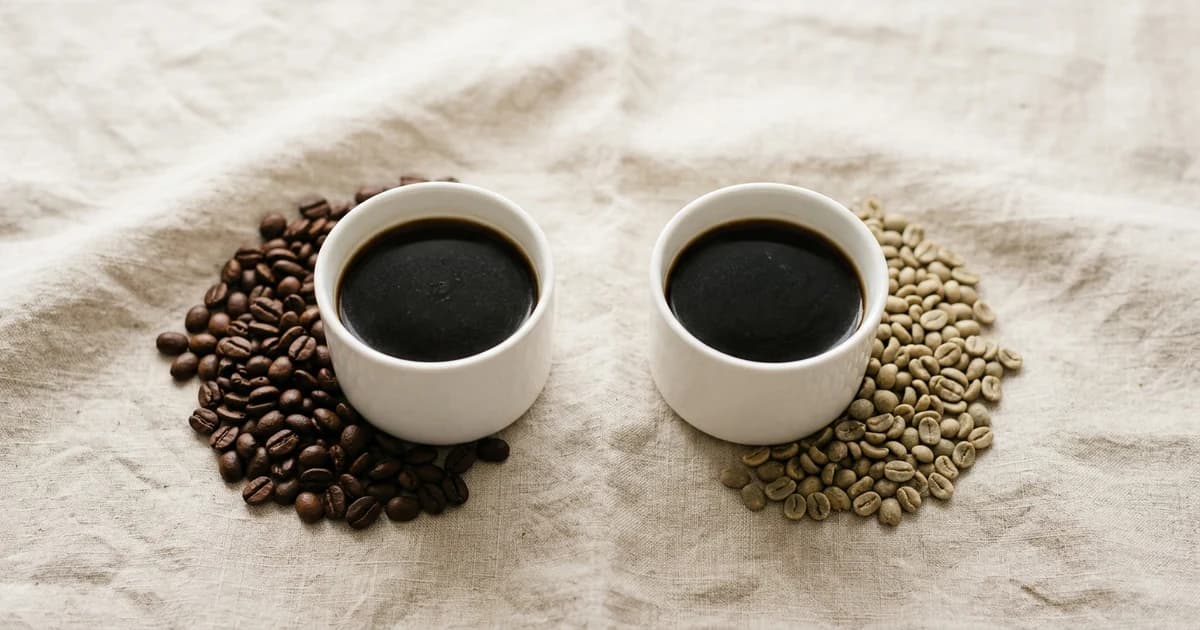
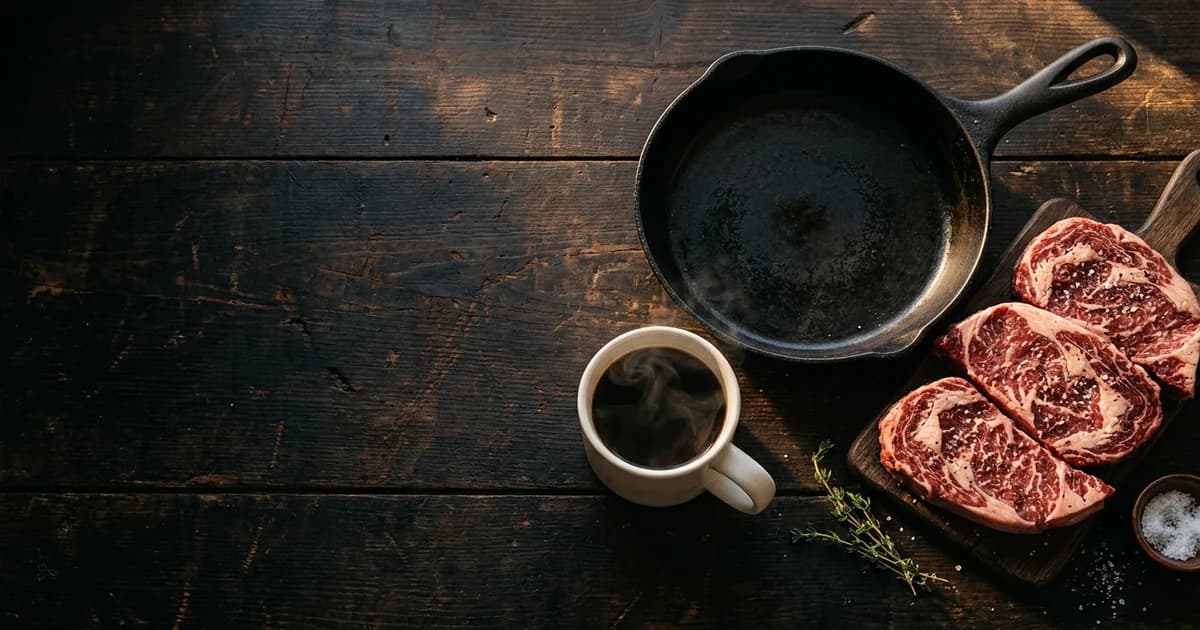
Coffee on the carnivore diet is one of the most debated gray areas in the community, because coffee is a plant extract and the diet's own definition excludes all plants. It is brewed from the seeds of a tropical shrub. But most carnivore dieters drink it anyway, and the tension between that fact and the diet's zero-plant logic is exactly what drives this question. The stricter variants, like Mikhaila Peterson's Lion Diet, exclude coffee entirely. The more common versions treat it as a gray area.
Here is what the evidence, the major voices, and the actual nutritional data say about coffee on the carnivore diet in 2026.
Key Takeaways
- By strict carnivore logic, coffee is a plant product and does not belong. The Lion Diet excludes it explicitly. Most other carnivore frameworks tolerate it with caveats.
- Nutritionally, black coffee is close to zero-impact: roughly 2 calories and 0 g carbohydrates per 8 oz cup (USDA FoodData Central), so the objection is philosophical, not macronutrient-based.
- Caffeine is a plant alkaloid (1,3,7-trimethylxanthine) regardless of its source. Synthetic caffeine is molecularly identical but contains no plant matter.
- If you drop coffee on carnivore, expect withdrawal. Onset at 12 to 24 hours, peak at 20 to 51 hours, resolution in 2 to 9 days.
What Carnivore Purists Actually Object to About Coffee
The carnivore diet, in its strict form, excludes all plant foods. Not because of macros or calories, but because the operating principle is that humans thrive on animal foods alone and that plant compounds cause more harm than benefit. Coffee, being a plant extract, violates that principle regardless of its calorie count.
Beyond the philosophical objection, there are three practical concerns carnivore advocates raise:
-
It is mildly acidic. Brewed coffee typically measures pH 4.85 to 5.10, according to published analyses. That is more acidic than water, less acidic than orange juice. For people with existing acid reflux or gut sensitivity, this matters. For most people, it does not. If you are in the first group, see our coffee alternatives for acid reflux.
-
It contains plant compounds beyond caffeine. Chlorogenic acids, cafestol, kahweol. Chlorogenic acid content decreases with darker roasts (one reason dark roasts taste less sharp). Cafestol, found primarily in unfiltered coffee (French press, Turkish, boiled), has been shown in controlled studies to raise LDL cholesterol in a dose-dependent manner. Research by Urgert and Katan, published in the 1990s, established that paper-filtered coffee removes most cafestol. This is a brew-method issue, not a caffeine issue.
-
Caffeine affects sleep, cortisol, and gut motility. These are real pharmacological effects that apply to caffeine from any source, not just coffee.
None of these objections is fabricated. But none of them is unique to carnivore dieters, either. They apply to anyone drinking coffee.
Where the Major Carnivore Voices Stand
The carnivore diet does not have a single governing body. It has influential voices with different rules. Their positions on coffee diverge.
| Voice | Framework | Coffee Position |
|---|---|---|
| Mikhaila Peterson | Lion Diet | Excluded. Ruminant meat, salt, and water only. Coffee, tea, and all plant beverages are explicitly not allowed. |
| Shawn Baker (MeatRx) | Standard Carnivore | Limits, does not ban. Baker personally avoids caffeine but acknowledges its health impact is probably minor. He recommends not quitting coffee immediately when starting carnivore, to avoid stacking too many changes at once. |
| Paul Saladino | Animal-Based | Has moved from strict carnivore to an "animal-based" framework that reintroduces some plant foods (honey, certain fruits). He has expressed concerns about coffee but his current dietary model does not treat it as a singular dividing line the way the Lion Diet does. |
The split is instructive. Peterson's Lion Diet is the most internally consistent: if you exclude all plants, you exclude coffee. Baker's position is pragmatic: coffee is probably fine, but maybe experiment without it once you are adapted. Saladino has moved past the strict framework entirely.
The Nutritional Reality Check
If the objection to coffee on carnivore were about macros, there would be no debate.
| Item | Calories (per serving) | Carbs | Fat | Protein |
|---|---|---|---|---|
| Black coffee (8 oz) | ~2 | 0 g | 0 g | 0.3 g |
| Heavy cream (1 tbsp) | ~52 | ~0.4 g | 5.4 g | 0.4 g |
| Unsalted butter (1 tbsp) | ~102 | 0 g | 11.5 g | 0.1 g |
| Bone broth (1 cup) | ~30-45 | ~0 g | 0.5-1 g | 5-9 g |
Sources: USDA FoodData Central; bone broth values vary by recipe.
Black coffee is essentially calorie-free and carb-free. Adding heavy cream or butter (common among carnivore dieters who keep coffee) adds animal-derived fat with negligible carbohydrates. The objection is about the "no plants" rule, not about metabolic disruption.
This is worth stating plainly: if you are on carnivore for metabolic reasons (blood sugar control, ketosis), black coffee does not interfere with those goals. If you are on carnivore for the elimination-diet logic (remove all plant compounds and see how you feel), then coffee is a plant compound and should go.
Coffee vs. Tea vs. Synthetic Caffeine: All Plant-Derived, With a Caveat
Caffeine is a plant alkaloid, classified as a methylxanthine (1,3,7-trimethylxanthine). It occurs naturally in coffee beans, tea leaves, cacao, guarana, yerba mate, and kola nut. Every traditional source of caffeine is a plant.
Synthetic caffeine (caffeine anhydrous), used in most supplements, energy drinks, and caffeine pouches, is chemically identical to plant-derived caffeine at the molecular level. Your body cannot distinguish between them. The difference is manufacturing origin: synthesized in a lab rather than extracted from a plant.
This distinction matters for strict carnivore logic. A synthetic-caffeine product contains no plant matter, no chlorogenic acid, no cafestol, and no coffee-specific pH issues. But caffeine itself is still a drug that affects sleep, cortisol, and gut motility. Switching the delivery method does not change the pharmacology of the molecule.
So the honest framing is narrow: a synthetic-caffeine product removes the plant-matter objection and the acidity objection. It does not remove the caffeine objection, if that is your concern.
What Happens if You Drop Coffee on Carnivore
Many people start the carnivore diet and quit coffee at the same time. This is what Baker specifically recommends against, and the research on caffeine withdrawal explains why.
A critical review by Juliano and Griffiths (2004) in Psychopharmacology established the withdrawal timeline: onset at 12 to 24 hours after last dose, peak intensity at 20 to 51 hours, and resolution within 2 to 9 days. The most common symptom is headache, occurring in roughly 50% of cases, followed by fatigue and difficulty concentrating.
If you are also adapting to zero carbohydrates at the same time, you may be stacking caffeine withdrawal on top of the electrolyte-driven headaches that low-carb diets cause on their own. Expect a rough first week. For a detailed breakdown, see what happens if you drop coffee.
Some carnivore dieters replace the coffee ritual with bone broth: warm, savory, nearly zero-carb, and entirely animal-derived. It contains no caffeine, so it solves the plant and the stimulant objections simultaneously. It does not solve the "I need to be awake" problem.
Conclusion: Can You Have Black Coffee on Carnivore?
Black coffee on the carnivore diet depends entirely on which version of carnivore you follow and why you are following it.
If your framework is the Lion Diet (ruminant meat, salt, water, nothing else), coffee is out. Full stop. If your framework is Baker-style standard carnivore, coffee is tolerated but optional, and you might experiment without it after you have adapted. If your framework is Saladino's animal-based approach, coffee is one of many plant-derived items you evaluate on a case-by-case basis.
The macronutrient case against coffee is nonexistent. The plant-compound case is philosophically consistent but practically minor for most people. The caffeine case is real but applies to caffeine from any source, not just coffee.
Frequently Asked Questions
Is black coffee allowed on the carnivore diet?
It depends on the version. Standard carnivore (Shawn Baker's framework) tolerates black coffee. The Lion Diet, popularized by Mikhaila Peterson, excludes it explicitly along with all plant-derived foods and beverages. Nutritionally, black coffee has roughly 2 calories and 0 g carbohydrates per cup, so it does not affect carnivore macros.
Does coffee break ketosis on carnivore?
No. Black coffee contains essentially zero carbohydrates and negligible calories. It does not raise blood sugar or interrupt ketosis. Adding sugar or flavored creamers would, but black coffee or coffee with butter or heavy cream does not. For more on how coffee interacts with fasting rules, the logic is similar.
Is the Lion Diet the same as carnivore?
The Lion Diet is a stricter subset. Standard carnivore includes all animal foods (meat, fish, eggs, dairy) and sometimes tolerates coffee and spices. The Lion Diet restricts intake to ruminant meat (beef, lamb, bison), salt, and water. Coffee, tea, eggs, poultry, and dairy are all excluded.
Can you have caffeine on the carnivore diet without coffee?
Yes, but with a caveat. Caffeine is a plant alkaloid regardless of source. Synthetic caffeine (caffeine anhydrous) is chemically identical to plant-derived caffeine but contains no actual plant material. Products using synthetic caffeine avoid the plant-matter and acidity objections, though the pharmacological effects of caffeine itself remain the same.
How long does caffeine withdrawal last if you quit coffee on carnivore?
Research shows withdrawal onset at 12 to 24 hours, peak symptoms at 20 to 51 hours, and full resolution in 2 to 9 days. Headache is the most common symptom, affecting about half of people who quit abruptly. Tapering over 7 to 10 days reduces severity.
Does coffee affect cortisol on a carnivore diet?
Caffeine stimulates cortisol release acutely, and this effect is consistent across diets. It is not specific to carnivore. Regular caffeine users develop partial tolerance to the cortisol response over time. If cortisol management is a priority, reducing caffeine from any source is the relevant variable, not whether you are eating carnivore.
What do carnivore dieters drink instead of coffee?
Bone broth is the most common substitute: warm, animal-derived, and caffeine-free. Water and sparkling water are the only beverages universally accepted across all carnivore variants. Some dieters use zero-carb caffeine options like synthetic-caffeine products to retain alertness without the plant-matter concern.
Caffeine Without the Plant Matter
If you follow a carnivore or animal-based framework and the plant-matter objection to coffee resonates with you, but you still want caffeine, the relevant question is delivery method.
Roon is a zero-nicotine oral pouch that uses synthetic caffeine, L-theanine, methylliberine (Dynamine), and theacrine (TeaCrine). It contains no coffee and zero carbohydrates. It is not "carnivore-approved," because no product can honestly claim endorsement by a diet defined by excluding plants. But it is accurately described as containing no calories.
It also contains sucralose and natural-and-artificial flavoring, which a strict carnivore framework would also exclude. That is worth knowing before you decide where you draw your own line.
For carnivore dieters whose concern is specifically coffee's acidity, cafestol content, or plant-compound load, a synthetic-caffeine pouch removes those variables while delivering caffeine through the oral mucosa in 5 to 10 minutes. For those whose concern is caffeine itself, no product solves that, because caffeine is caffeine.
Written by Roon Team