Keto Headache: The 4 Causes and What Actually Fixes Each One
Keto Headache: The 4 Causes and What Actually Fixes Each One
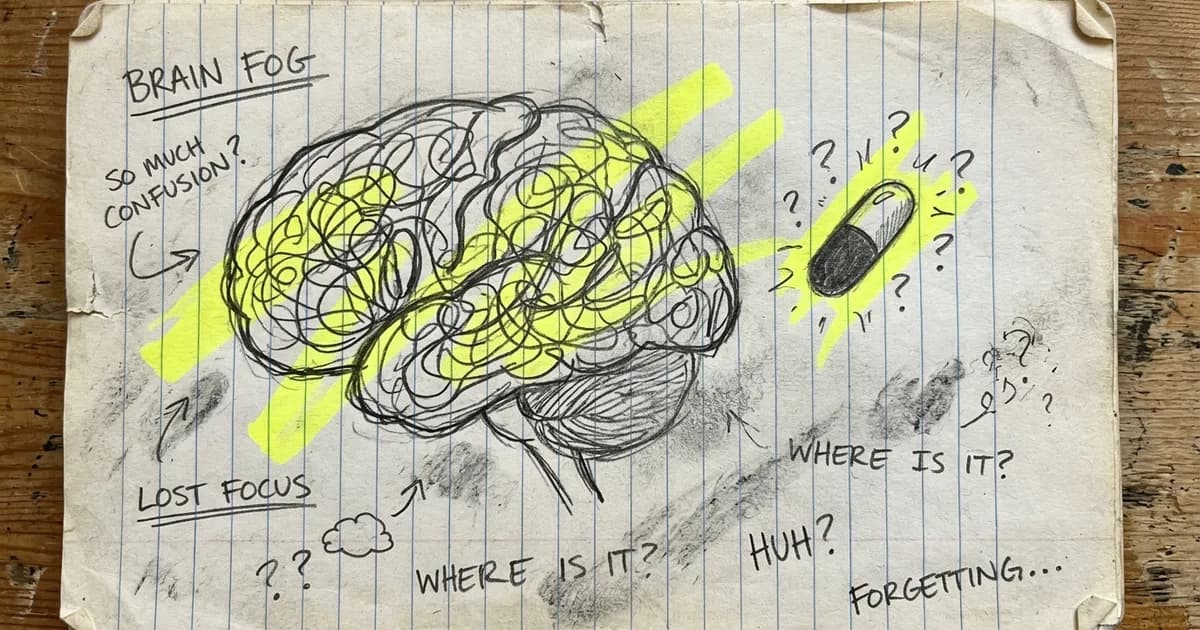
Most keto headaches come from one of four things: sodium loss, water loss, sugar withdrawal, or caffeine withdrawal. The first two are straightforward physiology. The third is real but less proven than people think. The fourth, caffeine withdrawal, is the one almost nobody considers, because keto starters often quit soda and sweetened coffee the same week they cut carbs, then blame the whole headache on "keto flu."
Knowing which cause you're dealing with changes what you should do about it.
Key Takeaways
- Cutting carbs drops insulin, which tells your kidneys to flush sodium and water. That alone can cause a headache within 24 to 48 hours.
- Each gram of glycogen you burn through releases roughly 3 to 4 grams of stored water, compounding dehydration.
- Human evidence for a distinct "sugar withdrawal headache" is thinner than most keto blogs suggest. The effect is real but poorly characterized.
- Caffeine withdrawal headache has a well-documented onset of 12 to 24 hours, peaks at 20 to 51 hours, and hits roughly 50% of people who stop cold turkey. If you dropped your daily soda or latte alongside carbs, this might be your actual problem.
Cause 1: Sodium Loss (Natriuresis)
Insulin does more than regulate blood sugar. It also signals the kidneys to hold on to sodium. When you cut carbohydrates sharply, circulating insulin falls, and the kidneys begin excreting sodium they would otherwise retain. This process, called natriuresis, is described in reviews of low-carbohydrate diet physiology (PMC8537012).
The result: you can lose a meaningful amount of sodium in the first few days without changing how much salt you eat. That sodium deficit pulls water with it (osmotically) and can trigger a headache, dizziness, and fatigue, the classic keto flu symptoms.
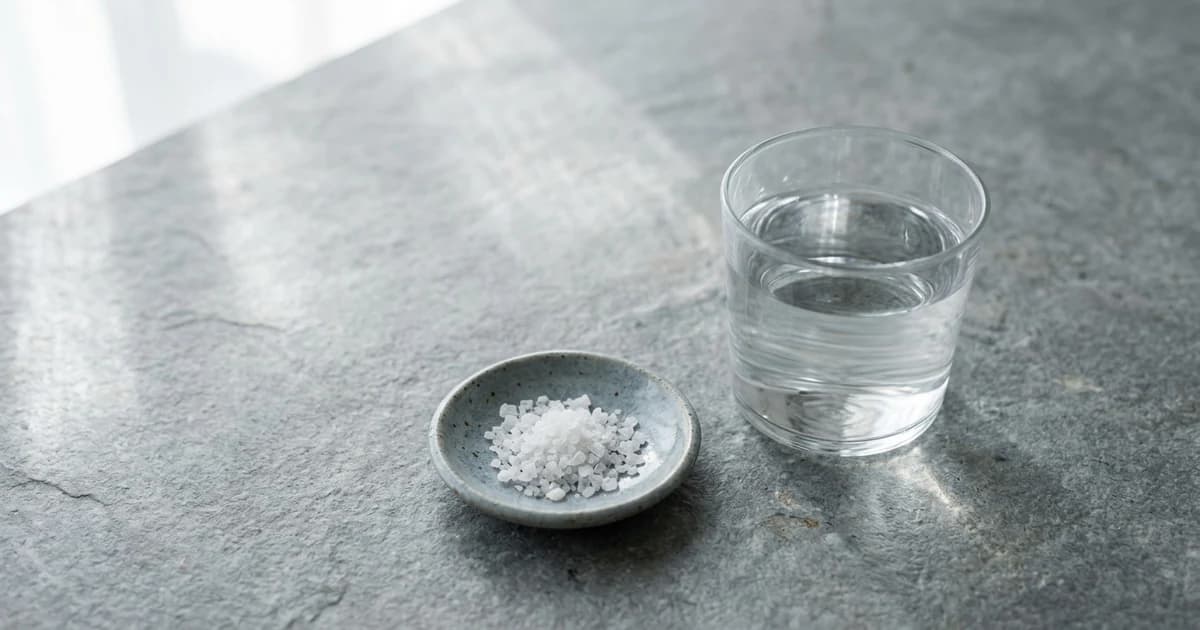
What fixes it: More salt. Bone broth, salted food, or a pinch of salt in water. The Dietary Guidelines for Americans recommend capping sodium at 2,300 mg/day for most adults. Keto community advice commonly suggests a higher intake during adaptation, often 3,000 to 5,000 mg/day, to offset natriuresis. That higher figure is informal guidance from keto practitioners, not a government recommendation, and individual needs vary.
Cause 2: Water Loss (Glycogen Depletion)
Your muscles and liver store glucose as glycogen, and each gram of glycogen is bound to roughly 3 to 4 grams of water. A typical adult stores an estimated 350 to 500 grams of muscle glycogen (Fernández-Elías et al., 2015), though the exact amount varies with fitness level and diet history. Deplete those stores over a few days of carbohydrate restriction and you release somewhere in the range of 1 to 2 liters of water. That's the "water weight" people lose in week one.
The problem is that this water loss is passive. You don't feel thirsty in proportion to what you're losing, because the water was bound inside cells, not circulating. The resulting mild dehydration can cause headache, brain fog, and low energy, the same cluster people call keto flu. For more on how even mild dehydration changes cognition, see how dehydration affects the brain.
What fixes it: Drink more water than you think you need during the first week. A reasonable starting point is an extra 500 to 1,000 mL per day on top of your normal intake. Pair it with electrolytes (sodium and potassium especially), because drinking plain water without replacing electrolytes can dilute what you have left.
| Cause | Mechanism | Onset | Fix |
|---|---|---|---|
| Sodium loss | Lower insulin reduces renal sodium reabsorption | 24 to 72 hours | Added salt, broth, electrolyte supplement |
| Water loss | Glycogen depletion releases ~3–4 g water per 1 g glycogen | 24 to 72 hours | Extra water + electrolytes |
| Sugar withdrawal | Abrupt drop in frequent glucose/insulin spikes | 1 to 3 days | Time (resolves on its own) |
| Caffeine withdrawal | Cessation of regular caffeine intake | 12 to 24 hours, peaks 20 to 51 hours | Maintain caffeine intake or taper gradually |
Cause 3: Sugar Withdrawal
This one gets the most dramatic coverage and has the weakest evidence. Rodent studies show that intermittent access to sugar can produce escalation, withdrawal-like signs, and cue-driven seeking, patterns that loosely resemble substance dependence. Some secondary sources describe human "sugar withdrawal" symptoms including headache, irritability, and fatigue.
The honest version: there is no well-characterized human withdrawal syndrome specific to sugar that has been validated in controlled trials the way caffeine withdrawal has. What you're more likely experiencing is the abrupt removal of frequent glucose and insulin spikes your body had adapted to. That metabolic shift is real, and it can feel lousy. But calling it "sugar withdrawal" in the same breath as caffeine or nicotine withdrawal overstates the evidence.
What fixes it: Time. Your body adjusts to lower glucose availability within days. Some people find the transition easier if they taper carbs over a week rather than dropping to under 20 grams overnight. For strategies on handling energy dips during this transition, see managing energy dips without sugar.
Cause 4: Caffeine Withdrawal, the One People Miss
Here's the keto headache cause that almost nobody talks about. When people start keto, they often cut more than just carbs. Regular soda goes. Sweetened coffee drinks go. Sometimes coffee itself goes, either because they're doing a "clean start" or because they drank their coffee with enough sugar and cream to break their carb budget.
The result is an accidental caffeine withdrawal layered on top of the carb transition.
A comprehensive review by Juliano and Griffiths (2004) found that caffeine withdrawal headache has a well-defined profile: onset at 12 to 24 hours after last intake, peak intensity at 20 to 51 hours, and a duration of 2 to 9 days. Headache incidence in experimental studies was roughly 50%, with about 13% of cases severe enough to cause clinically significant distress or functional impairment. That's not a subtle effect. For a deeper look at what each day feels like, see the full caffeine withdrawal timeline.
What fixes it: Keep your caffeine intake steady while you adapt to keto. Black coffee and unsweetened tea are zero-carb. If you were getting your caffeine from soda or sugary espresso drinks, switch the delivery method, not the molecule. Dropping both carbs and caffeine in the same week makes it impossible to tell which change is causing the headache.
How Long Does a Keto Headache Last?
The best data comes from Bostock et al. (2020), who analyzed 43 online forums and over 100 individual accounts of keto flu. Among users who reported when their symptoms resolved, the median time was 4.5 days (range 3 to 30, IQR 3 to 15). Severity was categorized roughly into thirds: of 60 users who described severity, 15 were categorized as mild, 23 moderate, and 22 severe.
The practical picture: most people feel the worst in days 2 through 7. By the end of week two, the majority have adapted. A small number report lingering symptoms (especially brain fog and fatigue) for up to four weeks. For perspective on how the brain adapts to using ketones for fuel, see ketones, fasting, and mental focus.
If your headache is specifically from caffeine withdrawal, that has its own timeline: 2 to 9 days, regardless of whether you're also in ketosis.
The "2 2 2 2 Rule"
You may see this referenced in keto forums as a shorthand for electrolyte targets, usually something like 2 grams of sodium, 2 cups of broth, 2,000 mg of potassium, and variations on the fourth "2." There is no single authoritative source for this rule. It appears to be informal internet shorthand, not an established clinical guideline. The numbers are in the right ballpark for many people, but individual needs depend on body size, sweat rate, activity level, and what you were eating before.
The NIH Office of Dietary Supplements lists an adequate intake for potassium of 2,600 mg/day for adult women and 3,400 mg/day for adult men. For magnesium, the RDA is 310 to 420 mg/day depending on age and sex. Use these reference numbers over any internet mnemonic when setting your own targets.
When a Keto Headache Is Not Keto Flu
Most keto headaches are annoying but harmless. A few are not. Seek medical attention if your headache is sudden and severe ("thunderclap"), accompanied by fever, stiff neck, or confusion, associated with vision changes, numbness, or trouble speaking, or still worsening after two weeks of consistent electrolyte and hydration management.
This article is general information, not medical advice. If you're on medication, pregnant, breastfeeding, or managing a medical condition, talk to your clinician before starting a ketogenic diet.
Sorting Out the Real Cause
A keto headache is not one problem. It is two, three, or four problems wearing the same hat. Sodium loss and water loss are the most common and the most fixable: salt, water, electrolytes, and a few days of patience handle most cases. Sugar withdrawal is real but mild and self-limiting for most people, and the evidence behind it is weaker than the internet suggests. Caffeine withdrawal is the sleeper, the one that hits hardest and gets blamed least. If you recently cut sugary drinks or coffee alongside carbs, that is the first variable worth isolating.
Frequently Asked Questions
How long does a keto headache last?
For most people, keto headaches peak between days 2 and 7, with a median resolution time of about 4.5 days based on forum analysis data. Some people report lingering symptoms for up to 30 days, though this is less common. If your headache persists beyond two weeks despite electrolyte and hydration management, consider whether caffeine withdrawal or another factor is contributing.
Is keto headache the same as keto flu?
Keto flu is the umbrella term for the cluster of symptoms that can occur in the first days to weeks of carbohydrate restriction: headache, fatigue, nausea, dizziness, brain fog, and GI discomfort. Headache is one of the most commonly reported keto flu symptoms, but it's not the only one. All four causes discussed above contribute to the broader keto flu picture.
Can I prevent keto headache entirely?
You can reduce the odds by front-loading electrolytes (especially sodium and potassium) from day one, staying well hydrated, and keeping your caffeine intake constant rather than dropping it alongside carbs. Some people still get a mild headache as their body shifts fuel sources, but aggressive electrolyte management cuts both frequency and severity.
Does a keto headache mean I'm in ketosis?
Not necessarily. A headache in the first few days of carb restriction is more likely caused by electrolyte shifts, dehydration, or caffeine withdrawal than by ketone production itself. Ketosis typically begins 2 to 4 days into strict carbohydrate restriction, and the headache often starts before that.
What is the best keto headache remedy?
Match the remedy to the cause. For sodium loss: broth, added salt, or an electrolyte supplement. For water loss: extra fluids plus electrolytes. For sugar withdrawal: time and patience. For caffeine withdrawal: maintain your caffeine intake through zero-carb sources like black coffee, unsweetened tea, or a caffeine-containing supplement.
Should I quit keto if I get a bad headache?
A headache alone is not a reason to stop. Most keto headaches resolve within a week with proper electrolyte and fluid management. If you experience severe symptoms, a headache that worsens steadily, or any neurological symptoms like vision changes or confusion, see a doctor.
Does the low carb headache differ from a regular headache?
The sensation is usually similar: a dull, persistent, bilateral headache rather than a sharp or one-sided pain. What makes it distinct is the timing (first days of carb restriction) and the response to electrolyte replacement. If salt and water don't help, consider caffeine withdrawal as the cause.
Can magnesium help with keto headache?
Magnesium is lost alongside sodium during the natriuresis that follows carb restriction, and low magnesium can contribute to headaches and muscle cramps. The NIH RDA for magnesium is 310 to 420 mg/day. Getting enough through food (dark leafy greens, nuts, seeds) or a supplement is a reasonable part of keto headache management, though sodium and hydration are typically the bigger levers.
A Caffeine Source That Doesn't Break Your Macros
If you traced your keto headache back to cause four, caffeine withdrawal, the fix is simple: keep your caffeine intake steady. Black coffee works. So does unsweetened tea.
Roon is another option. It's a zero-sugar, zero-calorie oral pouch, fasting-compatible and carb-free, that delivers caffeine alongside L-theanine, methylliberine (Dynamine), and theacrine (TeaCrine) in a sublingual format. Onset is 5 to 10 minutes, and the felt duration runs 6 to 8 hours. Roon contains sucralose, so if avoiding artificial sweeteners matters to you, that's worth knowing upfront.
What Roon does not do: fix your sodium, replace electrolytes, cure sugar withdrawal, or solve the other three causes on this list. It's a caffeine source, not a keto supplement. But if the reason your head is pounding on day three is that you accidentally went cold turkey on caffeine when you gave up Mountain Dew, a steady caffeine source is the targeted fix. Tins start at $9.16 with a subscription, and because it lasts 6 to 8 hours you're not reaching for it four times a day.
One note: stop at least 8 hours before bed. The longer duration that makes it useful during the day will keep you up if you use it too late.
Related from Roon
- The Full Caffeine Withdrawal Timeline
- How Dehydration Affects the Brain
- Ketones, Fasting, and Mental Focus
Written by Roon Team