Roon vs Energy Drinks
Roon Team

Roon vs Energy Drinks: Why a Clean Energy Alternative to Drinks Is Worth the Switch
You just cracked open your second energy drink before noon. The first one wore off an hour ago, leaving you foggy, jittery, and already reaching for more. That cycle, the spike-and-crash loop that energy drink companies have profited from for decades, is the exact problem a clean energy alternative to drinks is designed to solve. You don't need another energy drink crash alternative that swaps one set of problems for another. You need a fundamentally different format.
The energy drink market sells you a simple promise: instant energy. What it actually delivers is a short burst followed by a blood sugar crash, a caffeine cliff, and a growing daily habit that costs more than most people realize. There's a better model. One that uses clinical dosing, zero sugar, and a multi-compound formula to keep you focused for hours instead of minutes.
Here's how Roon, a no crash energy supplement built on four nootropics that work together, stacks up against Red Bull, Monster, and Celsius on the four things that actually matter.
Key Takeaways:
- Most energy drinks spike your blood sugar or load you with artificial sweeteners, then leave you worse off within 90 minutes.
- A single Roon pouch delivers 80 mg of caffeine paired with L-theanine, theacrine, and methylliberine for 6-8 hours of sustained focus.
- At as low as $0.61 per pouch on subscription ($1.00 per pouch one-time), Roon costs a fraction of what a daily energy drink habit runs you.
- Theacrine (TeaCrine) shows no tolerance buildup even after eight weeks of daily use, meaning the effect stays consistent without increasing your dose.
1. The Sugar and Sweetener Trap: What Your Energy Drink Isn't Telling You
A standard 16 oz Monster contains 54 grams of sugar and 210 calories, according to Caffeine Informer. That's more sugar than most people should consume in an entire day, packed into a single can. A 2018 study published in PMC found that consuming a standard energy drink raised blood glucose by an average of 20.7% in healthy young adults. What goes up must come down, and that glucose spike leads directly to the fatigue and brain fog that hits about an hour later.
Celsius markets itself as the "clean" option by going sugar-free. But its ingredient list tells a different story: sucralose is the sweetener doing the heavy lifting. A 2023 review in Nutrition Research found that sucralose impairs glycemic tolerance and is associated with changes in gut microbial composition. Sugar-free does not mean consequence-free.
Roon pouches contain zero sugar and zero artificial sweeteners. The formula is built around active nootropic compounds, not flavored water with stimulants dissolved in it.
Best for: Anyone tired of choosing between a sugar bomb and an artificial sweetener gamble.
2. Duration: 90-Minute Spike vs Hours of Clean Focus
Here's the core problem with every energy drink on the market: they rely on caffeine alone (or caffeine plus sugar) to do all the work. Red Bull delivers 80 mg of caffeine in an 8.4 oz can. Celsius packs 200 mg into a 12 oz can. Monster sits at 160 mg per 16 oz. More caffeine, faster spike, harder crash. The pattern doesn't change just because you increase the dose.
Roon takes a different approach. Each pouch pairs 80 mg of caffeine with 60 mg of L-theanine, 25 mg of methylliberine (Dynamine), and 5 mg of theacrine (TeaCrine). A 2021 systematic review in PMC found that the caffeine and L-theanine combination improves attention and decreases distractibility by modulating activity in the brain's default mode network. That means less mind-wandering and better sustained concentration, not just a raw stimulant hit.
The sublingual delivery format also matters. Instead of waiting for your digestive system to process a 16 oz liquid, the active compounds absorb through the tissue under your lip. Faster onset, smoother curve, longer tail. Roon's product page describes this as providing "clean, sustained energy" where the combination "outperforms higher-caffeine alternatives on focus metrics while maintaining calm."
The study on egamers also confirmed that the caffeine-TeaCrine-Dynamine combination improved reaction time without the jitteriness or mood disruption that higher-caffeine products tend to produce. More caffeine is not the answer. Smarter caffeine is.
Typical duration: Energy drinks give you 60-90 minutes of peak effect before the decline starts. Roon is designed for 6-8 hours of steady cognitive performance.
3. The Tolerance Problem No Energy Drink Brand Talks About
If you drink energy drinks daily, you've already noticed this: the same can that used to wake you up barely registers anymore. That's caffeine tolerance. Your adenosine receptors upregulate, demanding more stimulation to achieve the same effect. Within a few weeks of daily use, most people need to increase their caffeine intake just to feel normal, not energized.
This is where theacrine changes the equation. An 8-week clinical trial published in the Journal of the International Society of Sports Nutrition found no evidence of habituation with daily TeaCrine supplementation. Baseline values for energy, focus, concentration, and motivation remained stable across all groups throughout the entire study period. That's a direct contrast to caffeine, which typically produces measurable tolerance within 7-12 days of consistent use.
A separate study on egamers published in PMC found that a combination of caffeine, TeaCrine, and Dynamine improved cognitive performance and reaction time without increasing perceived stress or negatively affecting mood. This is the exact stack Roon uses, and it's the reason the effect profile stays consistent whether it's your first pouch or your fiftieth.
Best for: Daily users who are tired of chasing diminishing returns from caffeine alone.
4. Cost Per Serving: The Math Energy Drink Companies Hope You Ignore
Energy drinks are a daily purchase for most regular users, and those costs compound fast. Here's what you're actually spending:
- Red Bull (8.4 oz): Roughly $2.50-$3.00 per can at most retail locations, per Target's listing.
- Monster (16 oz): Around $3.00 per can at retail.
- Celsius (12 oz): Celsius does not sell direct and publishes no price of its own, so the per-can cost depends entirely on where you shop. Check the shelf price at your retailer.
At one can per day, you're spending $60-$90 per month on energy drinks. Two cans a day (common for Monster and Red Bull users) pushes that toward $120-$180 monthly.
Roon is priced at $15.00 per tin in a 4-tin bundle, or as low as $9.16 per tin on subscription. That works out to $1.00 per pouch one-time, or as low as $0.61 per pouch subscribed. One pouch replaces what most people need two energy drinks to accomplish, because the effect lasts 6-8 hours instead of 90 minutes. If you use one pouch per workday, your monthly cost ranges from roughly $13 to $22 depending on your plan.
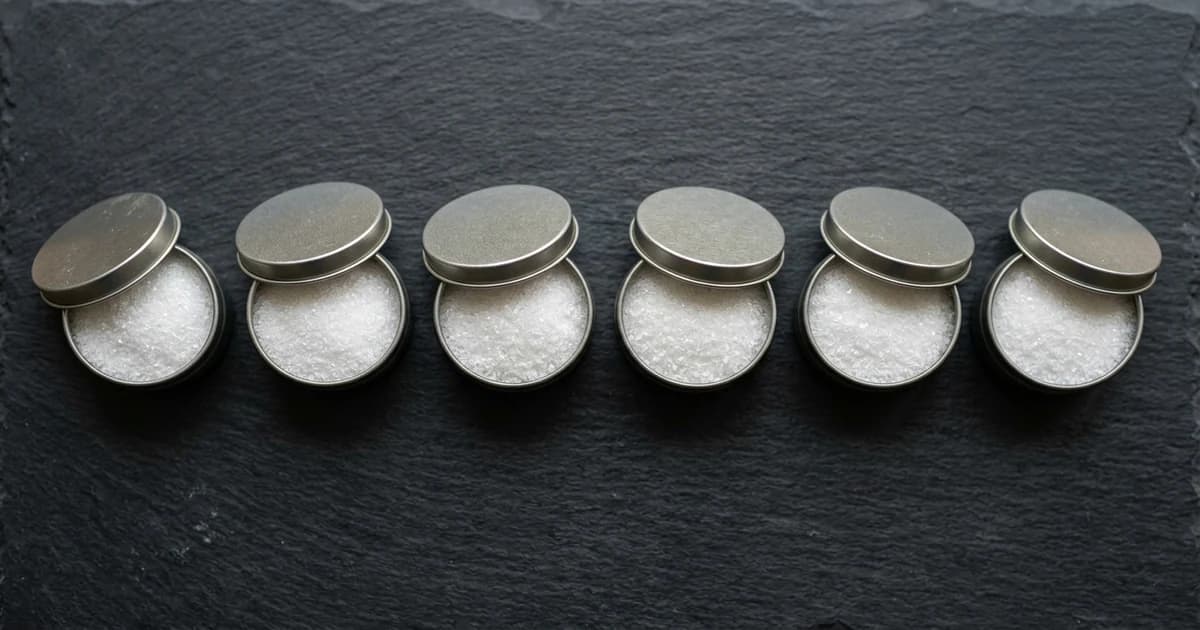
There's a portability advantage too, and it's part of what makes the pouch format for clean energy stand apart from canned drinks. As a clean energy pouch, a Roon tin fits in your pocket. No refrigeration, no recycling a can, no explaining to your coworker why you're on your third Monster before lunch. You use it when you need it, wherever you are.
Best for: Anyone who's done the math and realized their energy drink habit costs more than their streaming subscriptions combined.
Quick Comparison: Roon vs Red Bull vs Monster vs Celsius
| Roon | Red Bull | Monster | Celsius | |
|---|---|---|---|---|
| Format | Sublingual pouch | 8.4 oz can | 16 oz can | 12 oz can |
| Caffeine | 80 mg | 80 mg | 160 mg | 200 mg |
| Sugar | 0 g | 27 g | 54 g | 0 g |
| Artificial Sweeteners | None | None (regular) | None (regular) | Sucralose |
| L-Theanine | 60 mg | None | None | None |
| Theacrine (TeaCrine) | 5 mg | None | None | None |
| Methylliberine (Dynamine) | 25 mg | None | None | None |
| Estimated Duration | 6-8 hours | ~60-90 min | ~60-90 min | ~60-90 min |
| Tolerance Buildup | Designed to resist | Yes | Yes | Yes |
| Price Per Serving | ~$0.61-$1.00 | ~$2.50-3.00 | ~$3.00 | Retailer-dependent, no published price |
| Portability | Pocket-sized tin | Refrigeration ideal | Refrigeration ideal | Refrigeration ideal |
How to Make the Switch
You don't need to quit caffeine, and professionals switching from coffee find the same holds true: you just need to upgrade how you consume it.
Start by replacing your mid-morning energy drink with a single Roon pouch. Place it under your upper lip and leave it for 20-30 minutes. The sublingual absorption means you'll feel the onset within minutes, not the 30-45 minute wait that comes with drinking a can.
Track how long the effect lasts. Most energy drink users are surprised to find they don't reach for a second dose in the afternoon. That's the L-theanine and theacrine doing their job: smoothing the caffeine curve and extending the useful window of focus.
If you currently drink two or more energy drinks per day, try one pouch in the morning and, if needed, one more after lunch (Roon recommends a maximum of three pouches per day with at least two hours between them, and no other caffeine sources). Give it five days. The difference in both how you feel and what you spend will be obvious.
Built for Focus, Not for Spikes
The energy drink model is built on a simple loop: spike, crash, repeat, buy another, which is exactly why nootropic pouches replacing energy drinks has become a real trend. It works for the companies selling cans. It doesn't work for you.
Roon was designed around a different principle: deliver clean, sustained cognitive performance from a single dose, with a formula that doesn't lose its edge over weeks of daily use. Four active compounds. Three distinct neurochemical pathways. Zero sugar, zero nicotine, zero artificial sweeteners.
If you've been cycling through Red Bulls, Monsters, and Celsius cans looking for something that actually lasts, this is the clean energy alternative to drinks that the category has been missing. Give it a try.