6 Reasons This Nootropic Pouch is the Ultimate Coffee Alternative for Energy
Roon Team
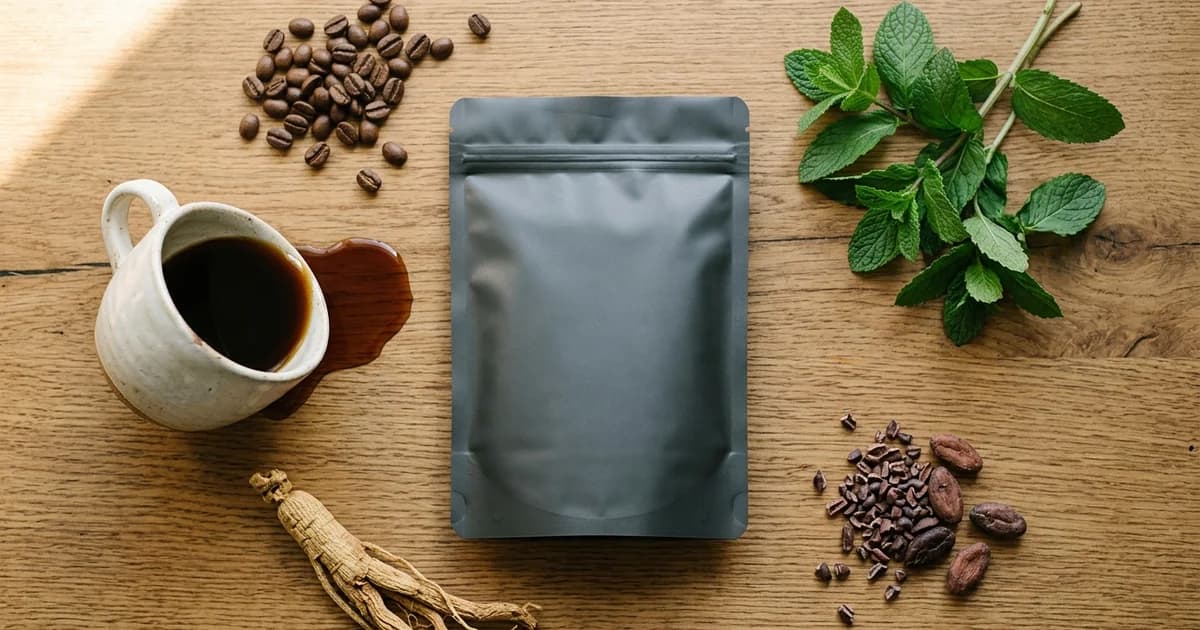
6 Reasons a Nootropic Pouch Is the Best Coffee Alternative for Energy
You drink coffee for energy. So does almost everyone else. But if you've ever found yourself jittery at 10 a.m., crashing by 2 p.m., or staring at yellow teeth in the mirror, you already know the deal: coffee gives you energy, then takes something back. The search for a real coffee alternative for energy isn't about hating coffee. It's about wanting the focus without the trade-offs.
Roon's nootropic pouches, specifically the sublingual kind engineered with stacked cognitive compounds, solve the problems coffee creates while delivering the same alertness you're after. Here's why a pouch like Roon beats your morning cup on six specific dimensions.
Key Takeaways:
- Coffee's acidity, staining, and crash cycle create real costs most people just accept.
- A well-formulated nootropic pouch delivers caffeine alongside compounds that smooth out the energy curve and support working memory.
- Sublingual absorption means faster onset, no brewing, and no digestive side effects.
- The per-serving cost of a nootropic pouch is a fraction of a daily latte habit.
1. No Acid Reflux, No Gut Problems
Coffee is acidic. A typical cup registers between 4.85 and 5.10 on the pH scale, and that acidity does real damage over time. Gastroenterologists routinely advise patients with GERD to reduce or eliminate coffee intake. A systematic review and meta-analysis published on PubMed evaluated the association between coffee consumption and risk of gastroesophageal reflux disease, confirming that coffee reduction remains standard clinical advice for reflux patients.
It's not just reflux. A 2024 study in Scientific Reports examined the link between coffee and caffeine intake and functional dyspepsia, a condition marked by chronic upper stomach discomfort. For people who drink multiple cups a day, these aren't minor inconveniences. They're cumulative. Bloating, nausea, and that sour feeling after your second cup all trace back to the same root cause: you're pouring acid into your stomach on an empty (or near-empty) morning gut.
A sublingual pouch bypasses the digestive tract entirely. The active compounds absorb through the tissue under your lip, so your stomach never processes the caffeine. Zero acidity. Zero bloating. If you've been looking for an energy alternative to coffee that doesn't punish your gut, this is the most direct fix available.
Best for: Anyone with a sensitive stomach, acid reflux, or IBS who still needs daily cognitive energy.
2. No Afternoon Crash
The coffee crash is a pharmacokinetic problem, not a willpower problem, and it is exactly why so many people search for an afternoon crash focus fix. Caffeine's half-life is roughly 5 hours, but its perceived energy curve is much steeper. You get a sharp spike in alertness within 30 to 45 minutes, followed by a decline that often leaves you worse off than baseline by early afternoon. That's because coffee delivers caffeine in isolation, and your body metabolizes it in a single wave.
Roon's formula stacks 80 mg of caffeine with three compounds that reshape that curve. L-theanine (60 mg) promotes alpha brain wave activity, which smooths out the stimulant edge. Methylliberine (25 mg Dynamine™) hits fast and bridges the gap to theacrine (5 mg TeaCrine™), which has a longer duration of action. According to research on theacrine published in the Journal of the International Society of Sports Nutrition, theacrine does not appear to develop habituation with repeated use, meaning you don't build tolerance the way you do with caffeine alone.
The result: a sustained 6 to 8 hour energy window without the drop-off. That's a coffee vs pre workout that actually matches the length of a workday.
Typical dose: One pouch delivers the full stack. No redosing needed.
3. Zero Teeth Staining
Coffee contains tannins and chromogens, two categories of compounds that bind to tooth enamel and cause discoloration over time. According to the American Dental Association, dark-colored beverages including coffee are among the most common causes of extrinsic tooth staining. The effect is cumulative: the more cups per day, the more pronounced the yellowing.
Professional whitening treatments run $500 to $1,000 per session. Whitening strips and toothpastes help at the margins but can't fully reverse years of daily staining. And if you're drinking two or three cups a day, you're fighting a losing battle. The simplest solution is to stop putting the staining agent in your mouth.
A nootropic pouch has no tannins, no chromogens, and no liquid contact with your teeth. Roon's Cool Mint pouch sits under your lip, and your teeth never touch the active ingredients. This is one of those best coffee replacement arguments that nobody talks about but everyone notices when they look in the mirror.
Best for: Anyone who cares about their smile, works in a client-facing role, or is tired of spending money on whitening products.
4. Faster Than Brewing (Seriously)
Grinding beans, heating water, waiting for extraction, adding milk, cleaning up. Even a simple pour-over takes 4 to 6 minutes. An espresso machine needs warm-up time. A drive-through Starbucks run averages 5 to 10 minutes depending on the line.
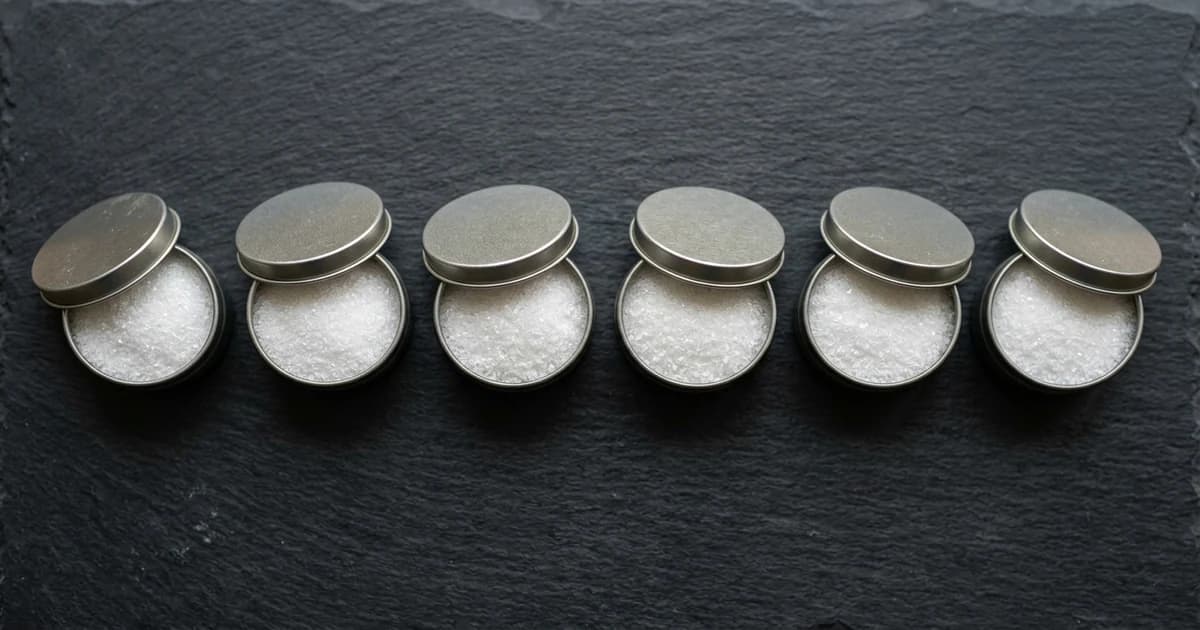
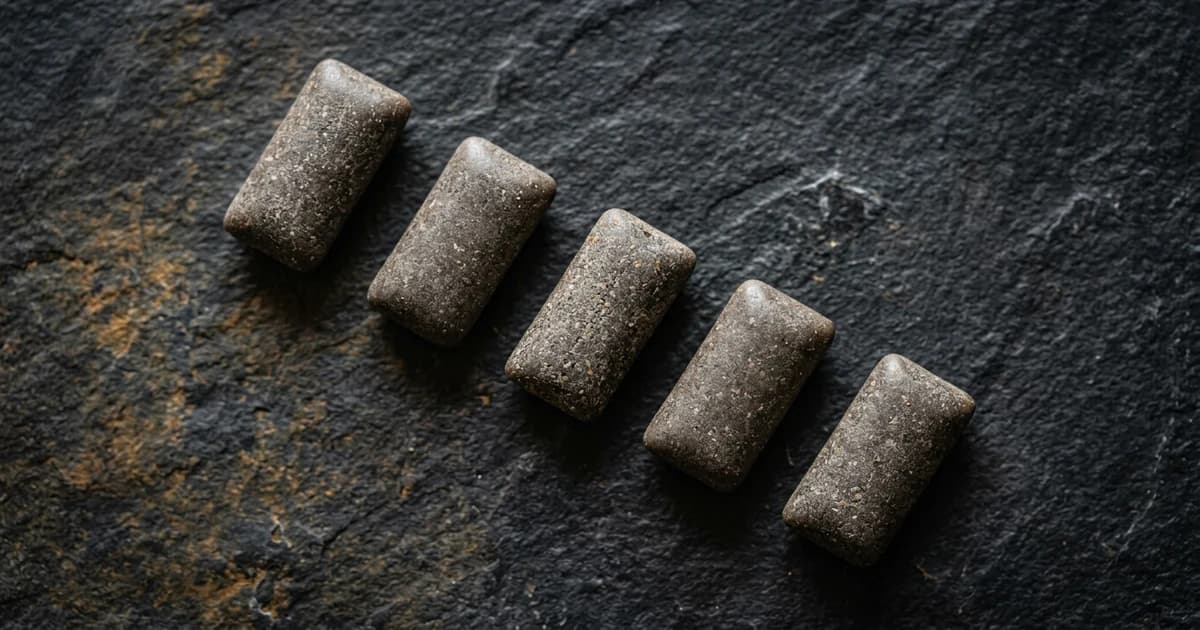
A pouch takes about 3 seconds. You open the tin, place it under your lip, and you're done. Sublingual absorption means the active compounds start entering your bloodstream within minutes, faster than oral ingestion through the stomach, which requires digestion and first-pass metabolism through the liver.
This isn't a trivial point. If you use a coffee alternative for energy five days a week and save even 5 minutes per session, that's over 21 hours per year. Time you could spend actually working, training, or doing anything other than waiting for water to boil.
Best for: Busy professionals, travelers, and anyone who wants cognitive energy without a kitchen, a barista, or a 10-minute ritual.
5. Actively Supports Working Memory and Focus
Coffee gives you alertness. That's it. Caffeine blocks adenosine receptors, which reduces the feeling of tiredness. But alertness and cognitive performance are different things. You can be wide awake and still unable to concentrate.
Roon's stack is designed to go beyond alertness. The combination of caffeine and L-theanine has been studied extensively. A meta-analysis published in Nutritional Neuroscience found that the caffeine-L-theanine combination improved attention and task-switching accuracy compared to caffeine alone. L-theanine promotes alpha wave production in the brain, a state associated with calm, focused attention rather than anxious stimulation.
Add methylliberine and theacrine to that base, and you get a formula that targets both the speed and the accuracy sides of cognition. This is what separates a true no caffeine alternative coffee replacement (in the sense of replacing coffee's role, not removing caffeine entirely) from simply drinking a different hot beverage. The goal isn't just "awake." It's "performing."
Best for: Knowledge workers, students, and anyone whose output depends on sustained mental clarity, not just raw energy.
6. The Math: Less Than a Dollar vs. Five Dollar Lattes
A medium latte at a major chain costs between $4.50 and $6.50 depending on your city. According to Drive Research's 2024 coffee survey data, the average American spends over $1,000 per year on coffee. In major metros like New York and San Francisco, that number is higher.
A tin of Roon contains 15 pouches. On a subscribe-and-save plan, the per-pouch cost comes in under a dollar. Even at full retail, you're spending a fraction of what a single specialty coffee costs, and you're getting a multi-compound nootropic stack instead of just caffeine and milk.
Over a year, the difference adds up to hundreds of dollars. That's real money. And unlike a latte, which gives you caffeine and dairy, each pouch delivers a four-compound nootropic stack designed for sustained cognitive output.
| Factor | Coffee (Daily Latte) | Roon (1 Pouch/Day) |
|---|---|---|
| Caffeine | ~150 mg (varies) | 80 mg (precise) |
| Additional Nootropics | None | L-Theanine, Dynamine™, TeaCrine™ |
| Onset Time | 20-45 min | Minutes (sublingual) |
| Duration | 3-4 hours | 6-8 hours |
| Acid/Gut Impact | High | None |
| Teeth Staining | Yes | No |
| Approximate Daily Cost | $4.50-$6.50 | Under $1.00 |
| Annual Cost (5x/week) | $1,170-$1,690 | Under $260 |
Best for: Anyone who tracks their spending and wants better cognitive output per dollar.
The Bottom Line: Better Energy Is a System, Not a Beverage
Switching from coffee isn't about deprivation. It's about upgrading the delivery system. Coffee was the best option available for centuries. It's not anymore.
Look at the six dimensions above. Gut health, sustained energy, teeth, convenience, cognitive function, cost. Coffee loses on every single one. That doesn't mean coffee is bad. It means coffee is incomplete. It delivers caffeine and nothing else, through a delivery method (hot acidic liquid through your digestive system) that creates unnecessary side effects.
A well-designed nootropic pouch gives you the caffeine your brain wants, paired with compounds that extend its duration, smooth its edges, and support actual cognitive function. No acid, no staining, no crash, no wasted time, and no $6 daily habit.
Roon was built around exactly this idea: a single pouch that replaces your coffee ritual with something faster, cleaner, and more effective. Four active ingredients (caffeine, L-theanine, Dynamine™, TeaCrine™), sublingual delivery, Cool Mint flavor, and a price point that makes the daily latte look like a bad deal.
If you've been searching for a real coffee alternative for energy, not a compromise but a genuine upgrade, give it a try.
Written by Roon Team