Why Dynamine Feels Like Nothing: 5 Reasons You Felt No Effect
Took Dynamine and felt nothing? Five measurable reasons it happens, from caffeine tolerance to a half-life shorter than most people expect.
Free U.S. shipping on orders $35+ · Subscribe & save
Nootropics

Took Dynamine and felt nothing? Five measurable reasons it happens, from caffeine tolerance to a half-life shorter than most people expect.

What happens when you take Dynamine and caffeine together, including the measured effect on caffeine clearance and what it means for timing.

How Dynamine (methylliberine) differs from caffeine: measured onset, a half-life roughly four times shorter, and what the trials found.

Theacrine, sold as TeaCrine, explained: what it is, where it comes from, how long it lasts, and what the human studies actually show.

Do Roon pouches break a fast? Zero calories, zero sugar, full formula, and how one pouch fits a morning fasting window without gut-load coffee.

Neurofactor is a whole coffee fruit extract with almost no caffeine, studied for raising BDNF. See the real research and safety profile.

Kucha tea is the Chinese plant source of TeaCrine and Dynamine. See what's in it, its history, and what the safety research actually shows.

Cognizin is Kyowa Hakko's trademarked citicoline. See the real clinical doses, how it works, and how it compares to generic citicoline.

A 2026 media narrative reframes nicotine as a nootropic. Here is what the trend is actually chasing, and a nicotine-free way to get it.

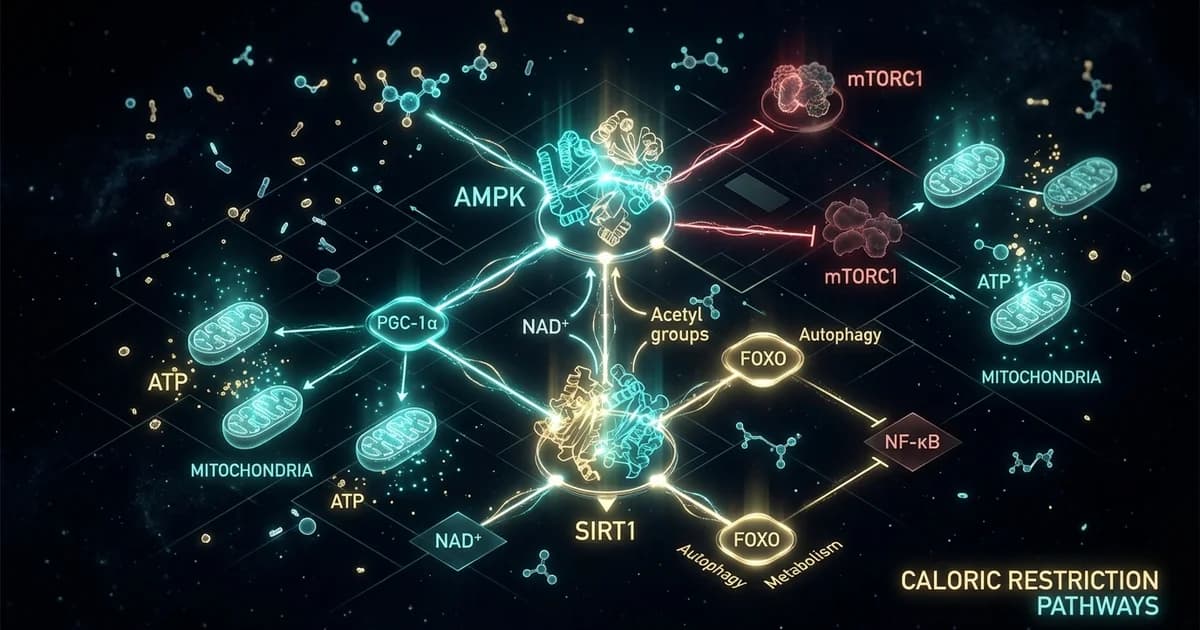
Caloric restriction mimetics like spermidine and resveratrol mimic fasting in the brain. Here's what the science actually supports—and what's overhyped.

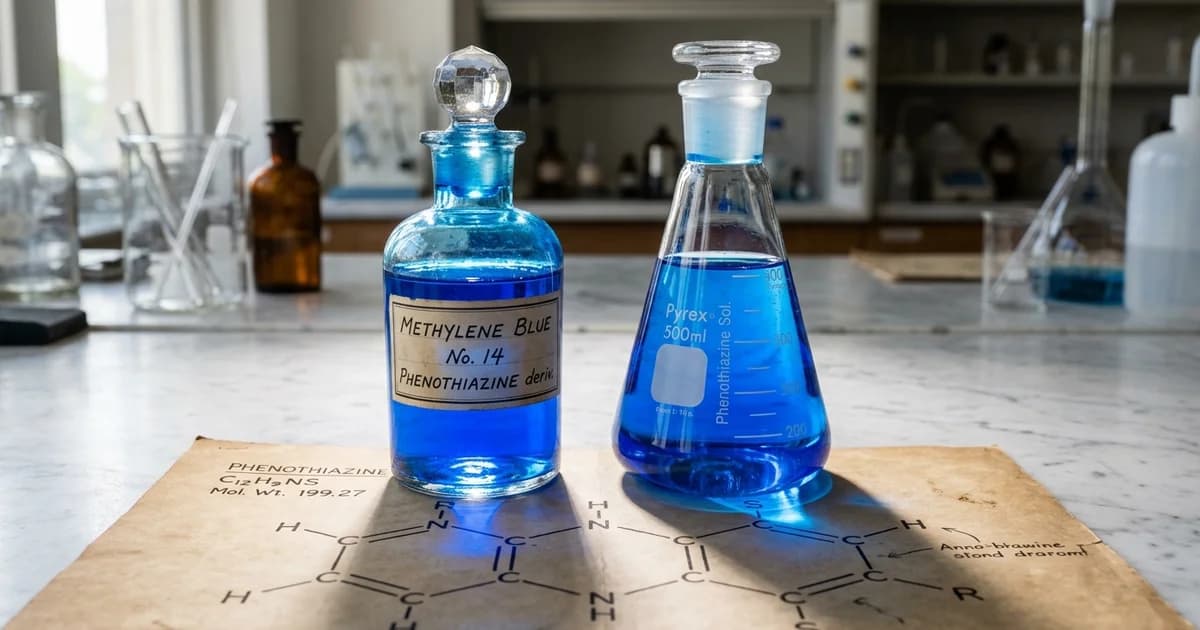
Discover the 145-year methylene blue history—from textile dye to the first synthetic drug, and now a promising compound for memory and brain health.

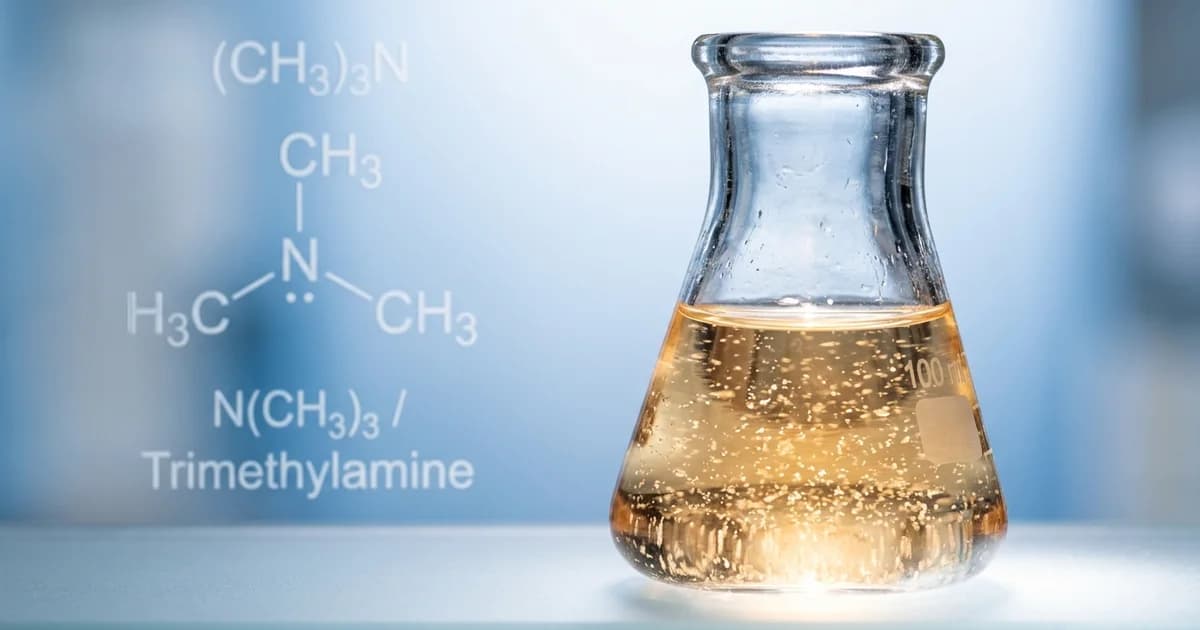
High choline intake raises TMAO, a compound linked to heart disease and clotting. Learn the safe intake range and why megadosing choline backfires.

Can you stack adaptogens with caffeine? Learn what the research actually supports, which adaptogens pair best, and how to avoid wasting your money.

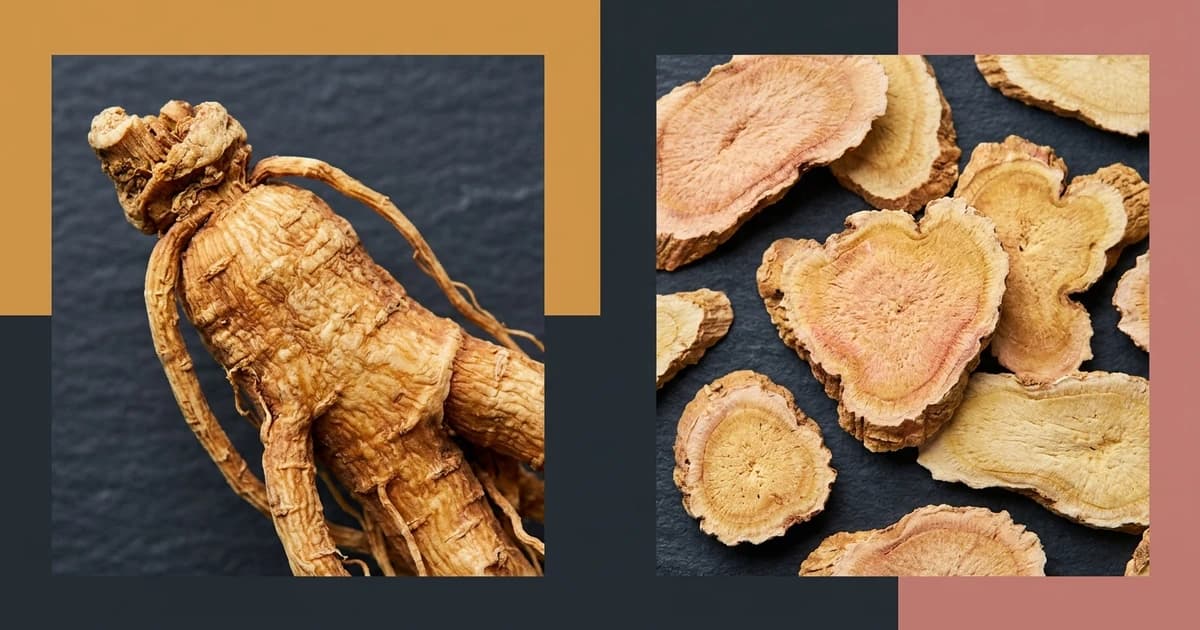
Panax ginseng vs rhodiola—which adaptogen actually boosts mental energy? See what the research says about cognitive performance, fatigue, and dosing.

Sulbutiamine vs caffeine compared: how they work, what the evidence says, and which is better for focus, energy, and motivation. Make an informed choice.

Honokiol and apigenin both target GABA-A receptors, but work differently. Compare their binding, effects, and which suits sleep vs. daytime calm.

The Ratamess study tested synephrine and caffeine on squat performance. See what the data actually shows about reps, power, and effort—without the hype.

Discover how NMN affects brain blood flow by restoring neurovascular coupling in aging brains. Breaking down the key 2019 University of Oklahoma study.

Discover the landmark lemon balm stress study that revealed dose-dependent effects on calm and cognition. What 300mg vs 600mg actually did in lab trials.

A single 25mg dose of Zembrin quieted amygdala reactivity in MRI scans. Here's what the zembrin amygdala study really showed—and where the hype falls

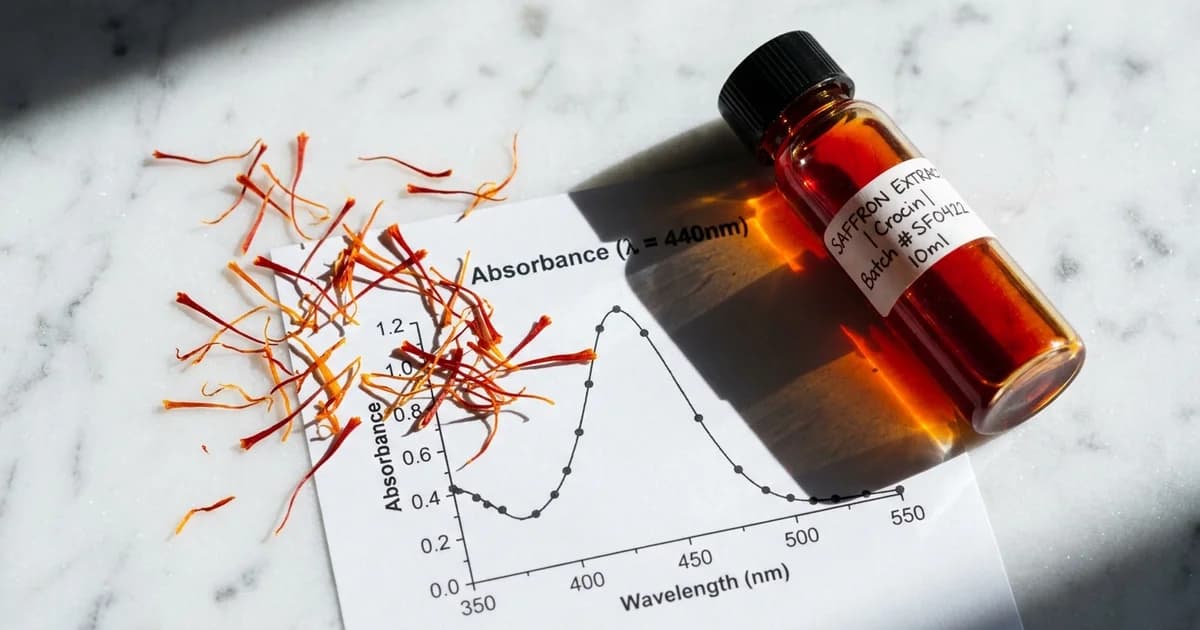
The affron saffron study tested 28mg of saffron extract on healthy adults with low mood. See what a 4-week trial found on validated mood scales.

The blueberry memory study by Krikorian (2010) was the first human trial linking blueberry juice to improved recall. Here's what the data actually shows.

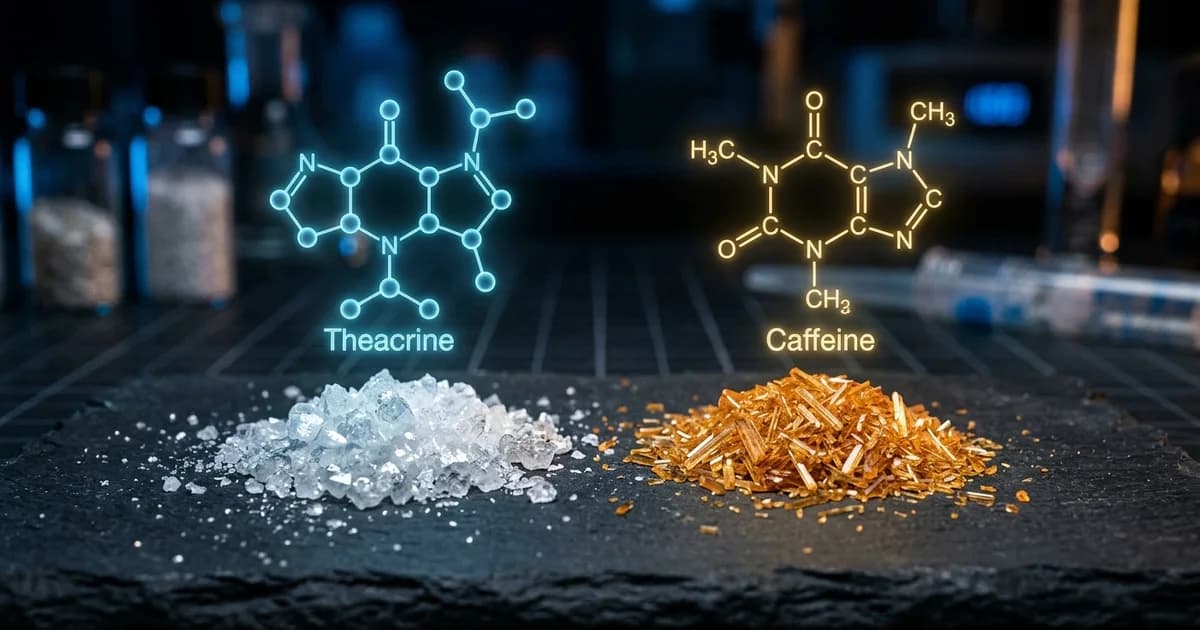
Discover why theacrine has no tolerance buildup while caffeine does. Learn the receptor science behind adenosine, dopamine, and 8-week human study results.

Is coffee good for you? Large studies say yes—moderate intake lowers mortality and reduces Parkinson's risk. Here's what the data actually shows.